
Two Days in Dubai: City Icons and Time by the Coast
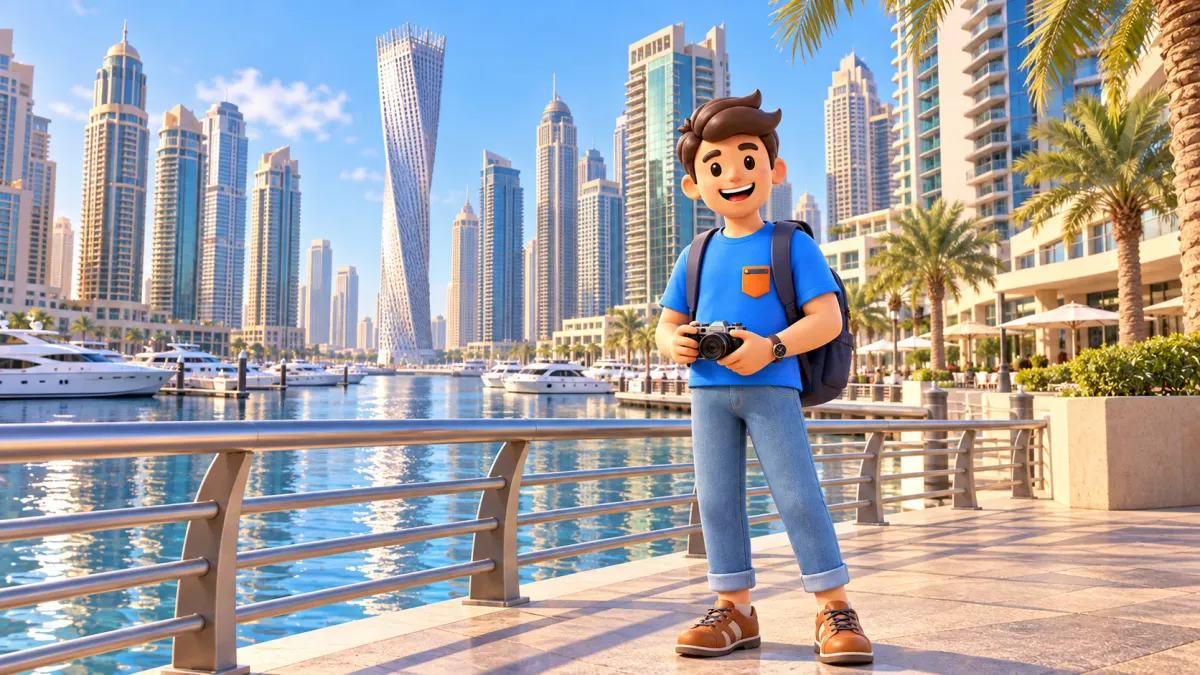
Two days in Dubai give you a useful choice: see the familiar city landmarks, then let the coast change the pace. Spend the first day between the Creek and Downtown. On the second, choose an experience on Palm Jumeirah before an evening around Dubai Marina and JBR. The aim is a varied short break with one main paid visit per day, rather than an attempt to sample every attraction.
This plan assumes two complete sightseeing days. Arrival, check-in and airport transfers need their own time. The suggested periods are estimates for organising the trip, not measured journeys or confirmed admission windows. Swap the days around a booking that matters, while keeping each day's geography intact.
Give each day a different purpose
Day one introduces the contrast that makes Dubai easy to remember: the smaller scale of Al Fahidi and the Creek, followed by Downtown's dramatic verticals. Day two looks at how the city relates to the sea, through an artificial island, marina waterfronts and a public seaside district. This division lets you enjoy different settings without crossing the city repeatedly.
For a trip shaped around your own interests, try RoadMe: the app works out a personal day-by-day itinerary around your dates and preferred pace. Organising the whole stay there is much more convenient than assembling separate attraction lists, especially when sightseeing and time to relax matter equally.
| Day | Morning | Afternoon and evening |
|---|---|---|
| One | Al Fahidi, Creek crossing and a short Deira walk | Lunch, transfer, Dubai Mall and Downtown |
| Two | Palm Jumeirah: park and optional viewpoint | A real break, then Dubai Marina and JBR |
Choose your priorities before buying tickets. A tower observation deck on day one and The View at The Palm on day two may appeal to an architecture enthusiast. Someone who prefers street life can skip the first ascent and keep the evening outdoors. Two similar admissions are not automatically necessary simply because they are famous.
Day one morning: the Creek and a manageable piece of Old Dubai
Begin in Al Fahidi while you still have attention for small details. Look at the wind towers, shaded lanes and domestic courtyards. These features tell a practical story about living with heat, not just a decorative story about old façades. One short cultural interior can add context, but the walk should not depend on several museums all being available.
Continue towards the Textile Souk and the water. A public abra crossing gives the morning a natural transition into Deira. Confirm the destination and payment arrangements at the boarding point; a simple crossing and a privately arranged boat tour are different activities. Once across, choose either a short market browse or the area around Al Ahmadiya School and Heritage House.
The markets are working places, so leave entrances free and ask before close photographs. You do not need to make a purchase for the experience to count. If you choose historic buildings instead, check current interior access and enjoy the surrounding streets without assuming every door is open.
Keep the morning to a few hours and have lunch before the longer transfer. Our one-day Old Dubai and Downtown itinerary explains this first-day sequence in more detail. For a two-day trip, its most useful lesson is restraint: leave some curiosity and energy for the coast.

Day one afternoon: decide what Downtown means to you
Travel to Dubai Mall by taxi or public transport, allowing time beyond the vehicle journey itself. A station carrying the mall's name is not the lakefront entrance, and the complex is large. Give yourself a calm arrival, refreshments and a brief chance to find your bearings.
Inside, choose a couple of visual stops such as Dubai Dino and the waterfall with diving figures. If the aquarium is your main interest, replace the casual mall section with a proper visit. Do not automatically add an immersive attraction and a tower ascent to the same afternoon. The itinerary should express a preference, not just collect products.
Burj Khalifa anchors the evening. Its stepped silhouette and relationship with the lake can be appreciated from ground level. An observation-deck visit deserves a reserved time and room for the entrance process. Choose it if the experience matters to you, then shorten the optional mall stops accordingly.
For a lighter finish, walk a manageable section around Burj Park and Souk Al Bahar, sit down and have dinner when you want it. If the Dubai Fountain is operating, follow the programme announced for your date rather than assuming a fixed show. Keep the waterfront evening worthwhile even if the entertainment or access arrangements differ from expectations.
Day two morning: understand Palm Jumeirah before rushing through it
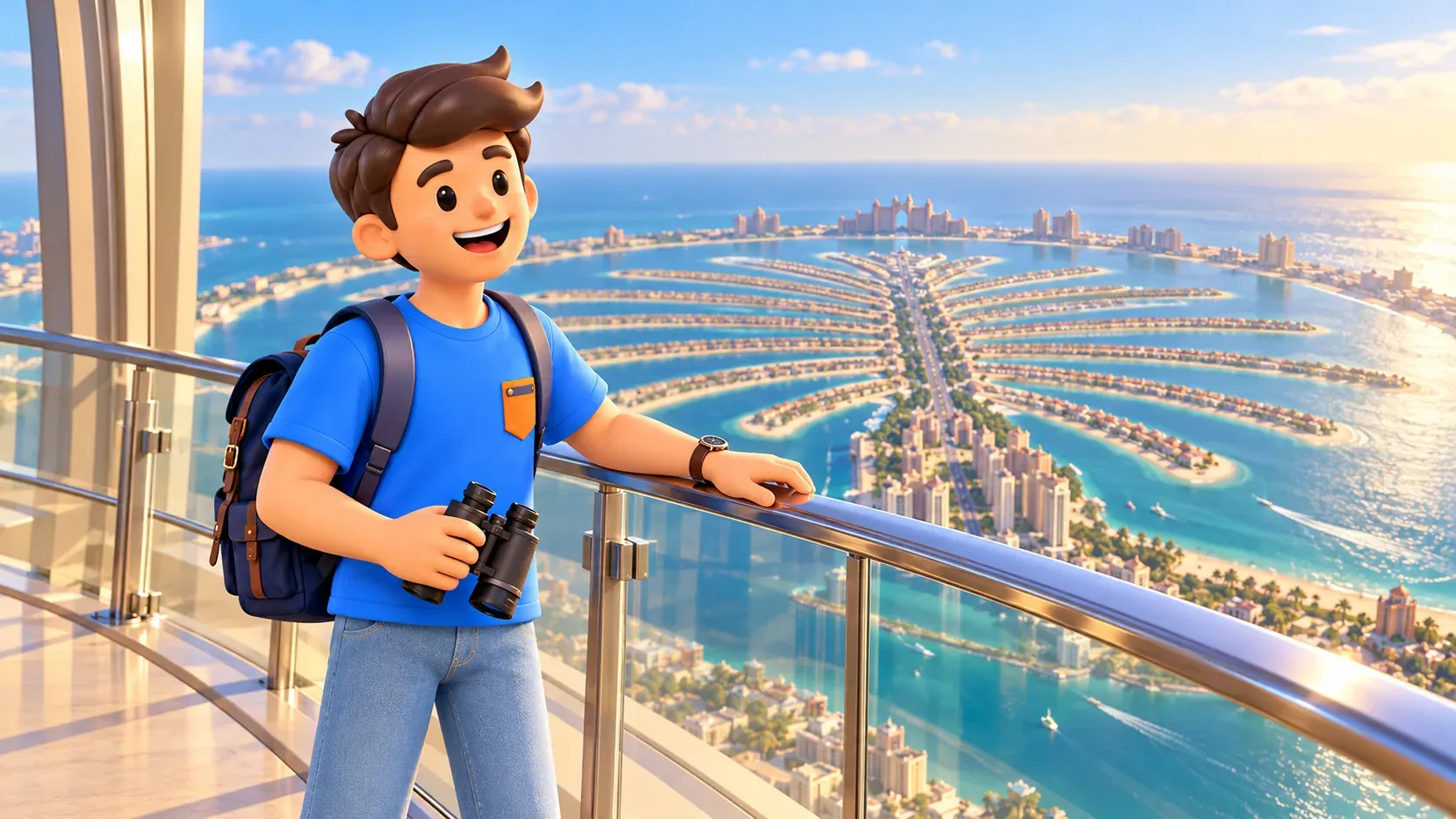
Palm Jumeirah is more interesting when you look at its overall form as well as its hotels. From street level, you experience roads, buildings and landscaped spaces. From The View at The Palm, the island's trunk, branching fronds and surrounding crescent become the main subject. The change in perspective explains why a viewpoint can be a meaningful visit here.
If that interests you, make The View your morning's main booking and leave room on either side. Check the exact experience you are buying, including its admission conditions. The view is the reason to go; you do not need to attach several other paid activities just because they share the island.
Pair the visit with a modest walk in Al Ittihad Park if conditions suit being outdoors. The park offers a closer scale after the panorama, with planting that connects to the region's landscapes. Choose a short section and a seated pause rather than treating the entire park as another task to complete.
If water slides are your real priority, choose Aquaventure as a different day plan and remove the later commitments that no longer fit. An extensive waterpark visit is not an interchangeable morning stop. Equally, an aquarium-focused visit around Atlantis needs its own decision. Pick the experience you want before organising transport around it.
Day two evening: walk from the marina towards the sea
After lunch, take a substantial break before the evening outing. Depending on where you are staying, this may mean time at your accommodation or a comfortable indoor stop. A slower afternoon is useful preparation for enjoying the waterfront, not empty space that must be filled.
In Dubai Marina, choose one accessible section of the promenade rather than committing to the whole waterway. Tall residential buildings frame boats, bridges and everyday movement around the basin. Cayan Tower's twisting form offers an architectural focus if it lies within the section you select. It does not need to become a compulsory detour from the other end.
Continue towards JBR when a connection and the distance suit your chosen start. The change from enclosed marina water to the open coast gives the walk a clear destination. At the seaside, leave time to sit, eat or simply look out. A planned swim is a separate activity requiring suitable facilities, belongings and attention to current beach instructions.
Bluewaters can be an alternative evening finish, reached through the pedestrian connection when accessible. It should replace part of the promenade, not automatically extend every version of the walk. Ain Dubai and the island's indoor attractions are optional individual visits with their own conditions. One pleasant waterfront evening is enough.

Keep the transport plan as clear as the sightseeing plan
Separate sightseeing from beach time before committing to the evening sequence. If you want a proper swim and several hours on the sand, shorten the Palm morning or keep the marina walk brief. A change of clothes, a meal and the journey back belong to that choice too, even when they do not appear in attraction lists.
Old Dubai, Downtown, Palm Jumeirah and the marina do not form one continuous walking route. Group the activities first, then choose transport for the gaps. A taxi can simplify individual transfers; Metro and tram connections can suit other journeys. Compare the actual route from your accommodation rather than deciding that one mode must cover everything.
On the Palm, check the current access route for the specific venue. Do not assume that every rail connection is included in the same ticket or payment system. Allow for walking to a stop, waiting, changing services and reaching the entrance at the end. These small stages matter more than a neat line drawn between landmarks.
If a transfer takes longer, remove an optional stop rather than sacrificing a meal or your only rest. With two days, a little slack keeps the programme resilient. Avoid placing an important booked admission immediately before a fixed departure, especially if day two also contains the journey to the airport.
Choose what to book and what to keep open
Reserve the admission that gives each day its shape, whether that is Burj Khalifa, The View or a substantial family attraction. Read what the selected product actually includes. Keep casual street walks, short mall stops and the precise dinner time flexible wherever your preferences allow.
For children, shorten market browsing and choose one engaging indoor experience. For architecture, keep Al Fahidi's cooling features, Burj Khalifa's silhouette and the Palm panorama as the main thread. If you dislike heights, replace viewpoints with neighbourhood time and waterfronts; the two-day structure still works.
You can organise those priorities in RoadMe, which prepares a personalised trip plan around the experiences that interest you. Keeping the days and chosen places together makes using the plan in Dubai much more convenient and effective than repeatedly consulting unrelated recommendations.
Before setting out, prepare comfortable shoes, sun protection and water. Check the access conditions of interiors you actually intend to enter, and download the maps you need while connected. Two days should leave you with a clear sense of the city's contrasts and at least one unhurried evening by the water, not the feeling that every spare hour became another obligation.


