
Bomonti and Şişli: photography and twentieth-century Istanbul
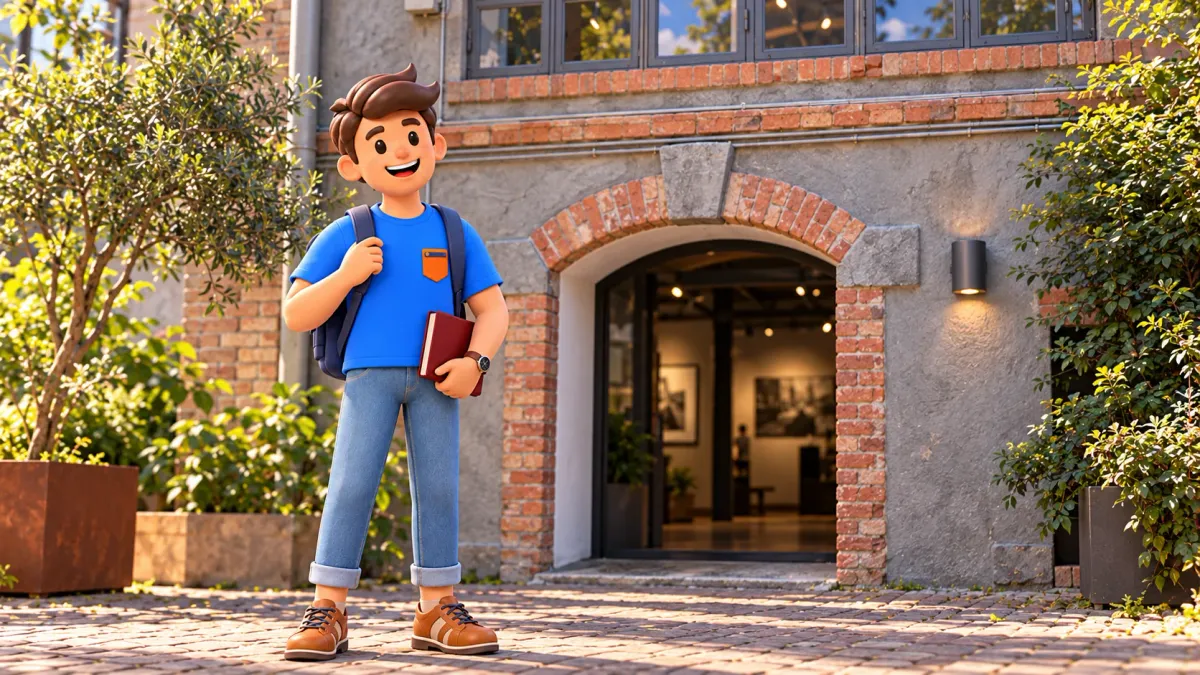
Bomonti and Şişli suit a walk about twentieth-century Istanbul: photographs, residential streets and objects through which a city preserves memory. Begin with the Ara Güler Museum in Bomonti’s former brewery complex, then walk towards the Atatürk house museum on Halaskargazi. Between them, observe ordinary urban life without expecting an uninterrupted sequence of famous façades. The main reward is a slightly more attentive eye: for a person within a frame, a changing neighbourhood and the ways personal history becomes a museum story.
Allow around four and a half to five and a half hours after arriving at Bomontiada. Travel to the start and from the finish comes separately. The full version depends on a confirmed operating exhibition at the Ara Güler Museum and an open house museum in Şişli. Check their calendars beforehand; an account of a collection is not a current exhibition programme. The timings are editorial estimates, not an author’s measured walk. Finish near your selected Osmanbey transport approach, without automatically returning to the starting courtyard.
A plan connecting photographs, neighbourhood and a house
Keep fifteen minutes for orientation, sixty to seventy-five for the selected Ara Güler exhibition and twenty-five to thirty-five for accessible courtyard space and exterior architecture. Lunch gets thirty-five to forty-five minutes. Allow twenty-five to thirty-five for the public street link to the house museum, forty-five to sixty for its visit and twenty to thirty for a short urban walk afterwards. Your selected transport approach takes roughly fifteen minutes. Protect another twenty minutes of general reserve so the final part of the museum day remains unhurried.
Planning the entire trip is more convenient in RoadMe, which creates a personal itinerary around your interests, dates and preferred pace. Choose photography, urban history or more walking so Bomonti and Şişli fit naturally among your other Istanbul days.
This is a linear city walk, not a circuit within one museum complex. If arriving by car, account separately for returning to the parking place. With a late start, check the second museum’s window first. Its ordinary closing day is Monday, and organised groups require an appointment. A shorter version can keep one museum and the streets. There is little benefit in forcing two interiors into a schedule that turns an interesting encounter into a hurried succession of entrances.
Confirm the Ara Güler Museum’s current exhibition and visitor arrangements before travelling. The programme changes, so an old exhibition title or photographed poster does not promise today’s display. If you cannot confirm the room is operating, do not construct the day around an assumed selection of images. Choose another date for the photography theme or shorten the route to accessible urban space and the house museum. Make that decision beforehand: thoughtful viewing should set the first half’s mood, rather than disappointment at a closed door.
Start with Bomontiada’s exterior spaces
The Ara Güler Museum occupies the historic Bomonti brewery complex, now used for cultural and city life. Begin with accessible outside space: arches, brick details and changes of material, then identify the museum entrance. Follow the owner’s address, Birahane Sokak, 1, Block F. The archive and research centre in another block is not the freely accessible exhibition room. A shared name does not make every door an equivalent visitor entrance.
The relationship between an old industrial building and present functions provides the first subject. What remains visible of a working past, and what has changed for visitors? You need not identify the original use of every pipe and doorway. A different opening size or wall material can be enough to notice. Looking outside does not mean unrestricted entry to all rooms, a brewery production tour or automatic admission to a concert. Courtyard, museum, restaurant and individual event have their own arrangements even when close together.
Try a small visual exercise. Find one overall view and one detail you would separate from it. Decide what changes: scale, texture or the presence of a person. A camera is optional; attention is sufficient. There is no need to reproduce a famous image or act like a professional photographer. This question prepares the museum visit: every frame is a choice, rather than a complete and neutral inventory of everything surrounding the maker.
Ara Güler: the city through a human frame
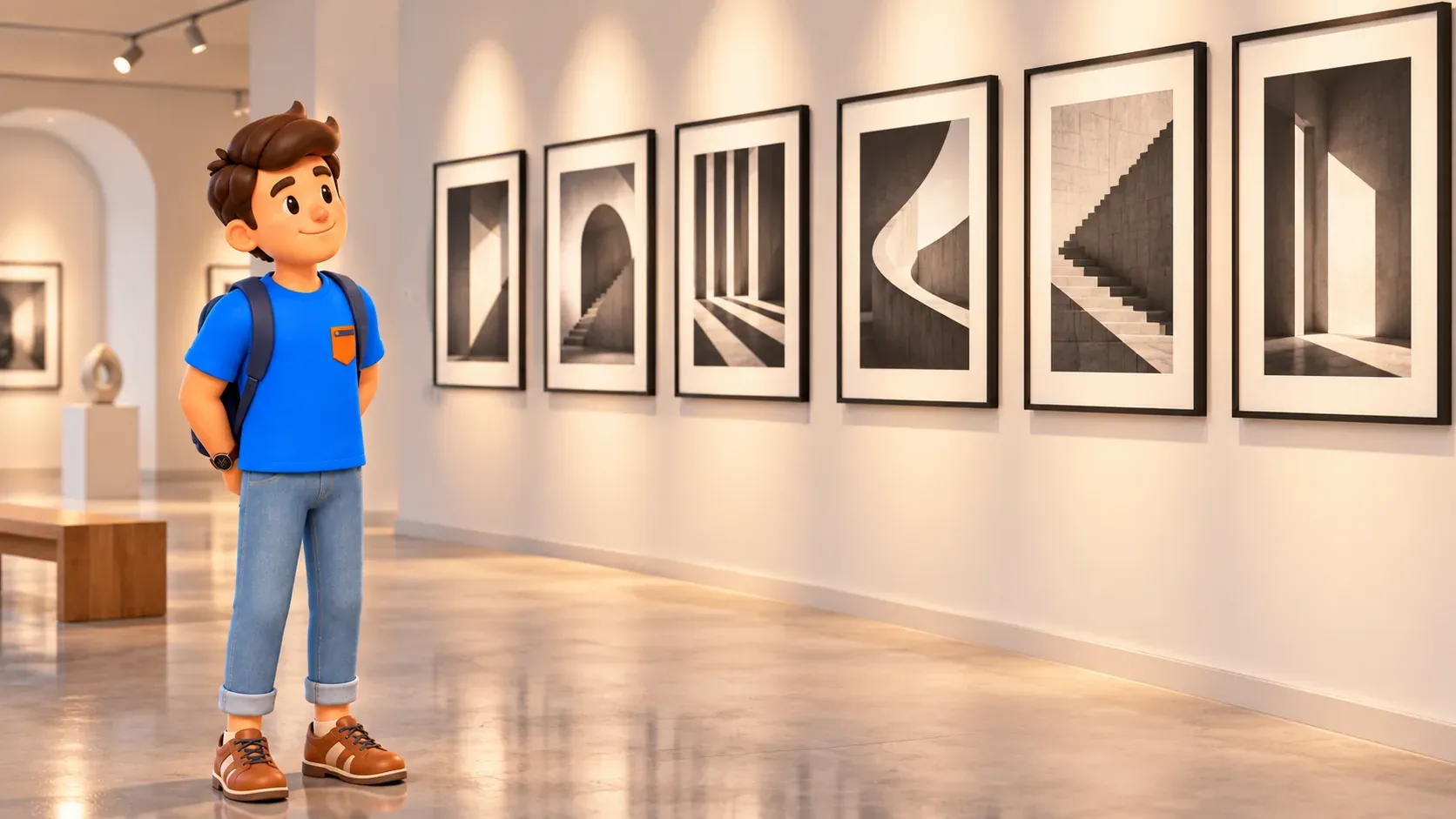
Ara Güler was born in Istanbul in 1928 and began his journalism career in 1950. His legacy involves photojournalism, cities and people, while extending beyond Istanbul’s streets. The museum opened at Bomontiada in 2018 and introduces the photographer through exhibitions and archival heritage. For this day, distinguish an image as an attractive view from an image as observation. The recognisable background matters, but so does what happens between a person and the surrounding space. That relationship is a useful thread through different kinds of work.
Choose a few works in the actual current exhibition and stay longer than you normally might. Look without the caption first, then read it. What changes when a date, location or circumstance becomes known? Does an atmospheric image become evidence of a particular city life? Do not assume the museum must show a predetermined urban subject: the exhibition may concern another part of Güler’s work. The method remains useful for a street series, a portrait or archival material with a different emphasis.
Study the frame’s limits. Where is the main person, how much space surrounds them, and what happens in front and behind? Follow the direction of a glance or movement. These questions need no technical knowledge of cameras. They help explain why an image holds attention. Avoid reducing the work to a formula about putting someone in a particular corner. Relationships matter more: how the figure makes the place understandable and how the setting changes the impression of that person.
A historical photograph is not a map of today’s city. Even after recognising a location, do not assume the old passage, café or stop survives unchanged. Separate what the caption establishes from your guess about the present. That distinction matters after the museum, when you may want to seek the pictured Istanbul outside. A city is not obliged to reproduce an old frame. Change can become an interesting part of the walk when you do not demand that every street remain a museum set.
Follow current photography rules and do not treat the archive as a visitor workroom. Research materials, events and individual meetings have separate conditions. If one image becomes the main memory, keep its idea and allow the others to remain in the background. Sixty to seventy-five minutes are for a selected visit, not the entire photographic legacy. Stay longer if the interest warrants it, taking time from the next walk while preserving the house museum’s window and the finish reserve.
Lunch and the streets between Bomonti and Şişli
After the exhibition, return to accessible courtyard space or your chosen operating lunch place. Thirty-five to forty-five minutes allow a change of pace without becoming a separate long evening. Read the menu and prices before ordering; no ideal table or view is promised. Discuss one memorable photograph without needing an immediate art-historical explanation. Asking why you stopped at that particular image often gives a more personal answer than trying to repeat the whole exhibition from memory.
Continue towards Halaskargazi on current public streets. Twenty-five to thirty-five minutes are an estimate allowing ordinary crossings, not a straight line between coordinates. This is an active neighbourhood with traffic, junctions and gradients, rather than a pedestrian museum avenue. Use permitted crossings and keep off the carriageway for photographs. If steps or climbs are unsuitable, establish a workable approach beforehand. A shared comfortable pace usually suits a group better than repeatedly separating, waiting and catching up.
Compare different urban scales along the way: a large traffic flow, one entrance and a small shop-window detail. After the museum, these can become relationships within your own observation. Photographing people is optional; private life need not become a tourist assignment. Keep to public space and ask permission for portraits. One meaningful note may matter more than ten pictures made only because a photography museum seems to demand lots of camera use.
The Şişli house museum: memory through personal objects
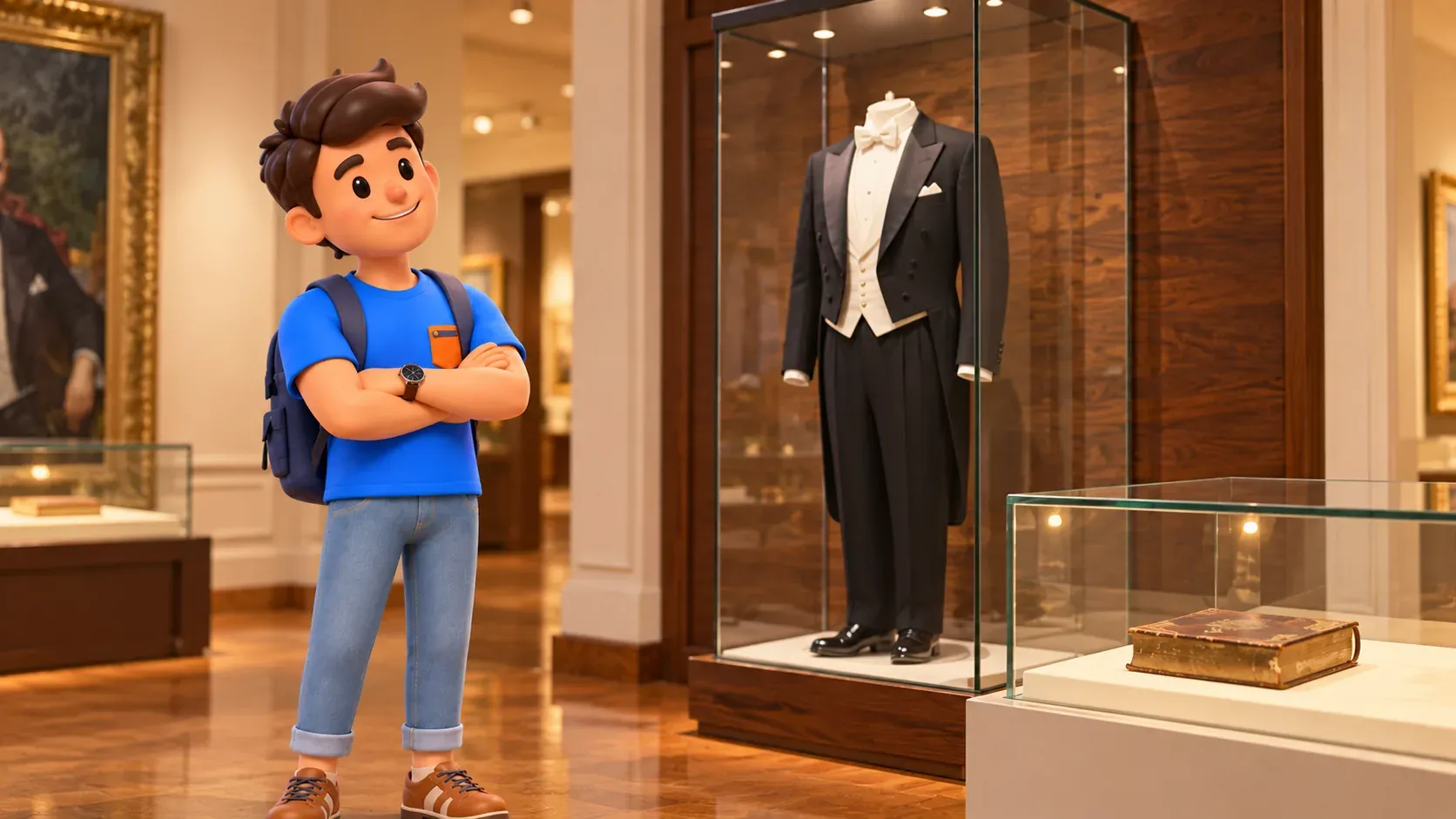
For the Atatürk Museum, follow the current municipal address, Halaskargazi Caddesi, 140. Older lists may show another number. This is a separate city house, not the room at Pera Palace or the cultural centre at Taksim. Atatürk lived here in late 1918 and the first part of 1919; the museum opened in 1942. For this walk, domestic scale and the preservation of objects provide enough context without an extended political narrative. It is another way a city turns an individual life into a place of memory.
The collection includes clothing, photographs, documents and mementos. Choose two different sources of the past: a person’s image and something they used. What does each tell you, and what can it not explain alone? After a photography museum, that question makes the second visit a natural continuation. Do not claim every object stood permanently in that room during the original residence. A museum selects material and builds an account; its present arrangement is not automatically a precise reconstruction of a domestic scene. The labels help make that distinction.
Admission is free, the ordinary closing day is Monday, and groups require an appointment. Confirm current arrangements before travelling, especially for an organised visit. Follow the accessible exhibition and photography rules. Forty-five to sixty minutes allow a selected look without promising every document and room. If something is difficult to understand, stay with one clear explanation rather than inventing biographical detail. A useful visit leaves a few accurate connections between house, belongings and memory. It does not require a complete chronological account to feel worthwhile.
Finish with your own view of the city
After the house, keep twenty to thirty minutes for a short observation walk on public streets towards transport. Another museum is unnecessary. Compare how you look now with the beginning: do you notice more relationships between person, object and place? Roughly fifteen minutes are allocated to your chosen entrance in the Osmanbey area. Check direction and onward transfers. Travel to your accommodation, waiting and any extra return to parking remain separate from the local programme. The finish should reflect the route actually completed rather than an assumed return to the first courtyard.
For another conversation about memory, choose Çukurcuma with the Museum of Innocence. For a literary island day, consider Burgazada and Sait Faik’s house. These are independent continuations for other days. Decide what interested you most: photojournalism, an old building’s new use or a personal object within a museum home. That choice makes subsequent walks more varied, rather than simply longer or fuller of admission desks. It also gives a longer stay in Istanbul a clearer personal direction.
Use those preferences more conveniently and effectively as a whole personal itinerary in RoadMe, which shapes the trip around your interests and pace. Download Istanbul while connected to the internet beforehand to use maps and navigation offline later.
Bomonti and Şişli reveal the urban twentieth century through photography, changed space and a museum house. With a common question connecting the visits, the ordinary streets between them become part of the experience rather than a gap to finish quickly.


