
Three days in Barcelona: landmarks, art and unhurried walks
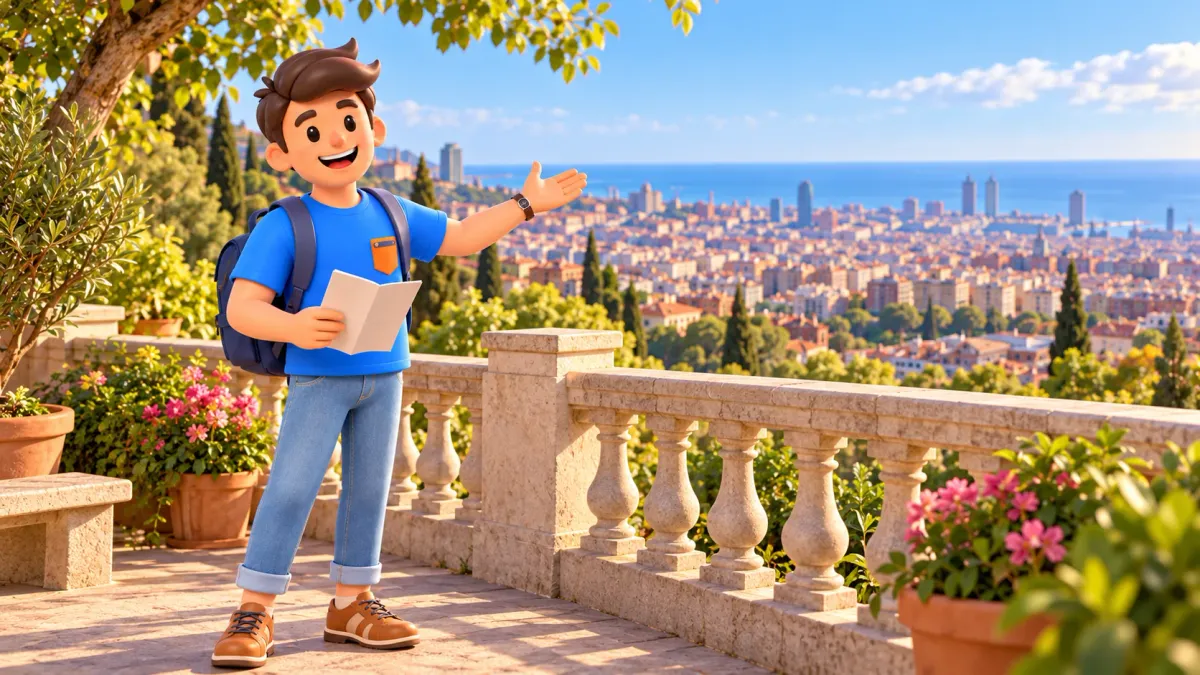
Three days in Barcelona give you three distinct experiences: the old city and waterfront, Gaudí’s architecture, then art and green space on Montjuïc. The extra day is valuable because you can stay longer where something interests you. It need not become another collection of compulsory tickets. One carefully chosen museum and a walk with pauses can provide a more coherent experience.
This is a first-visit framework for three days already available in the city. Checking in, airport travel and collecting luggage are additional. Rearrange entire days around reservations and museum calendars. For a shorter stay, use our two-day Barcelona itinerary instead of trying to catch up with a third programme after dinner.
Give each day a purpose rather than one endless checklist
Day one introduces the historic centre. Day two focuses on architecture: the Sagrada Família and the houses on Passeig de Gràcia, or Park Güell instead of part of the avenue. Day three opens up Montjuïc, with one art museum selected according to your interests. Each day has a main purpose and an optional continuation, so a long lunch or a change in weather need not overturn the trip.
For a more convenient and efficient way to build this trip around yourself, try RoadMe: the app develops a personal day-by-day itinerary using your interests, dates, pace and budget. Start with whether you want more architecture, art or relaxed walking, and let the route grow around your preferences rather than someone else’s list of compulsory sights.
Fix only the visits that matter enough to shape the programme. For other places, retain useful landmarks rather than tightly packed appointments. One substantial interior per day is a helpful starting point for an unhurried pace, not a universal rule. Museum enthusiasts can choose differently if they reduce the outdoor sections accordingly.
Allow roughly six to eight hours for each day, including pauses. A detailed visit or slower walking will take longer. These are planning estimates, not measured routes or promises about waiting. If travelling together, agree on the main shared interest and a reasonable finishing time before leaving. That conversation is easier over breakfast than after several hours on foot.
Day one: find your bearings in the old city
Start outside Barcelona Cathedral, dedicated to the Holy Cross and Saint Eulalia. From here, continue towards Plaça del Rei and Plaça de Sant Jaume, viewing the buildings outside. This small sequence gives you a framework without memorising numerous turns. Leave time for one appealing side street: some of the pleasure lies between the named stops.
The cathedral illustrates several building periods. Work on its Gothic structure began in 1298, while the familiar façade came later. Remembering this difference helps you avoid treating the whole quarter as an untouched medieval setting. At Plaça del Rei, notice the former royal-palace ensemble and the more intimate scale of the space compared with the square outside the cathedral.
City hall and the Catalan government palace at Plaça de Sant Jaume show that the historic centre continues to serve modern civic life. From there, cross towards Via Laietana and follow Carrer de l’Argenteria to Santa Maria del Mar. Allow around two hours for the morning sequence with pauses. An interior visit to the cathedral or history museum replaces part of the following walk.
El Born is a useful place for lunch and a cultural decision. If the Picasso Museum is a priority, give it a proper block and do not count walking along Carrer de Montcada as seeing its collection. If you prefer more time outdoors, enjoy the basilica exterior and surrounding streets. Passing a museum entrance creates no obligation to buy another ticket immediately.
After lunch, choose Ciutadella or the water. The park offers trees, paths and the monumental cascade; Port Vell and Rambla de Mar offer a different urban horizon. Doing both requires extra time. Barceloneta is a further continuation for those who particularly want the sea. Swimming, changing and the return journey should not quietly disappear inside a short promenade allowance.
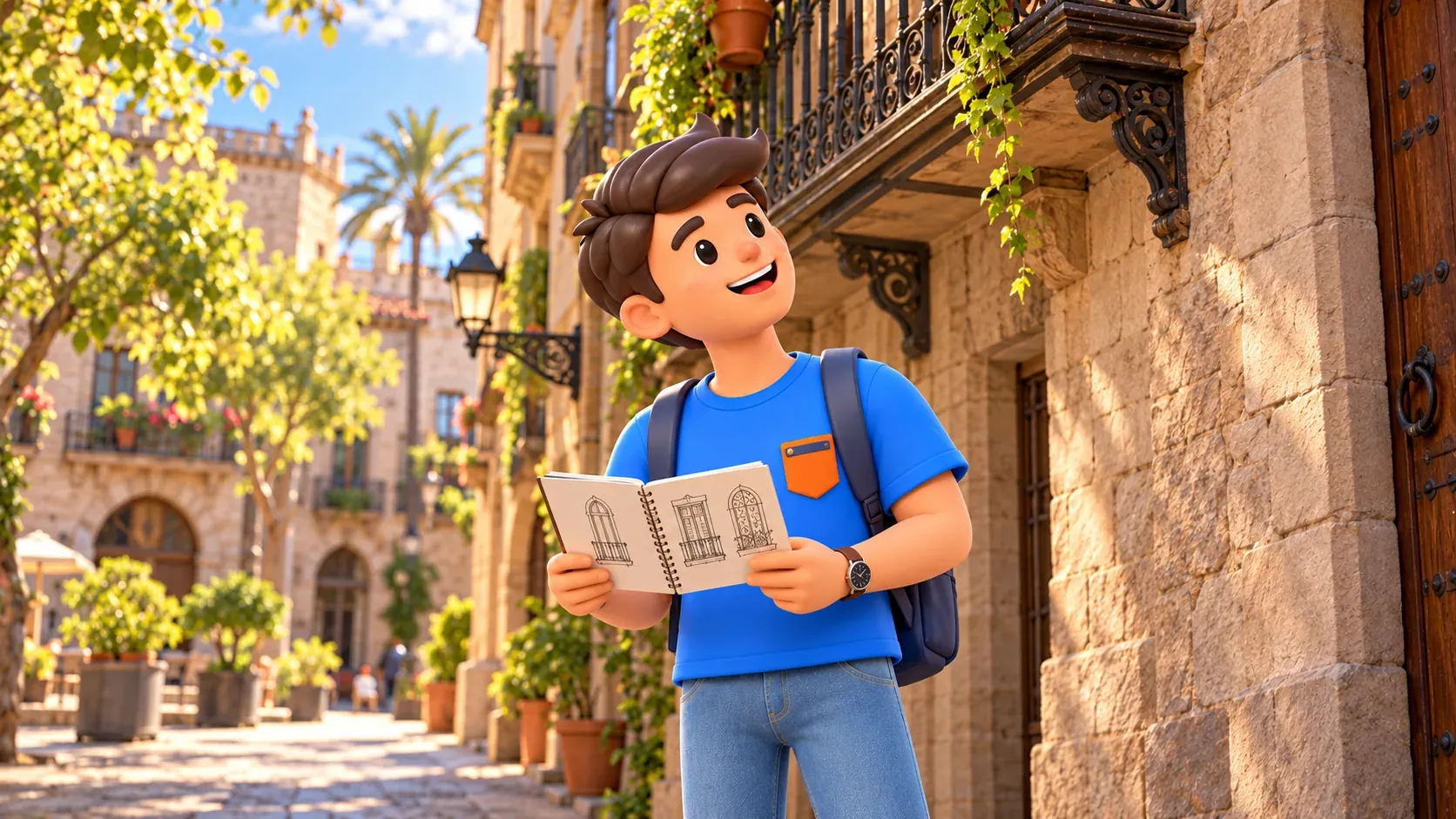
Day two: one substantial Gaudí experience and the Eixample
Choose the Sagrada Família or a Gaudí house as the day’s main event. For the basilica, begin with a confirmed entry time. Tickets are purchased online for a particular hour, and arriving late can prevent admission. Normal Sunday tourist opening begins at 10:30. Follow your date and reservation instructions, since special events can change access.
Allow approximately ninety minutes for a visit without the towers, plus a buffer before entry. Make that longer if you want detailed explanations. Space, columns and light inside demand different attention from an exterior photograph. Avoid hurrying simply to fit another house into the day: you have already decided which experience matters most.
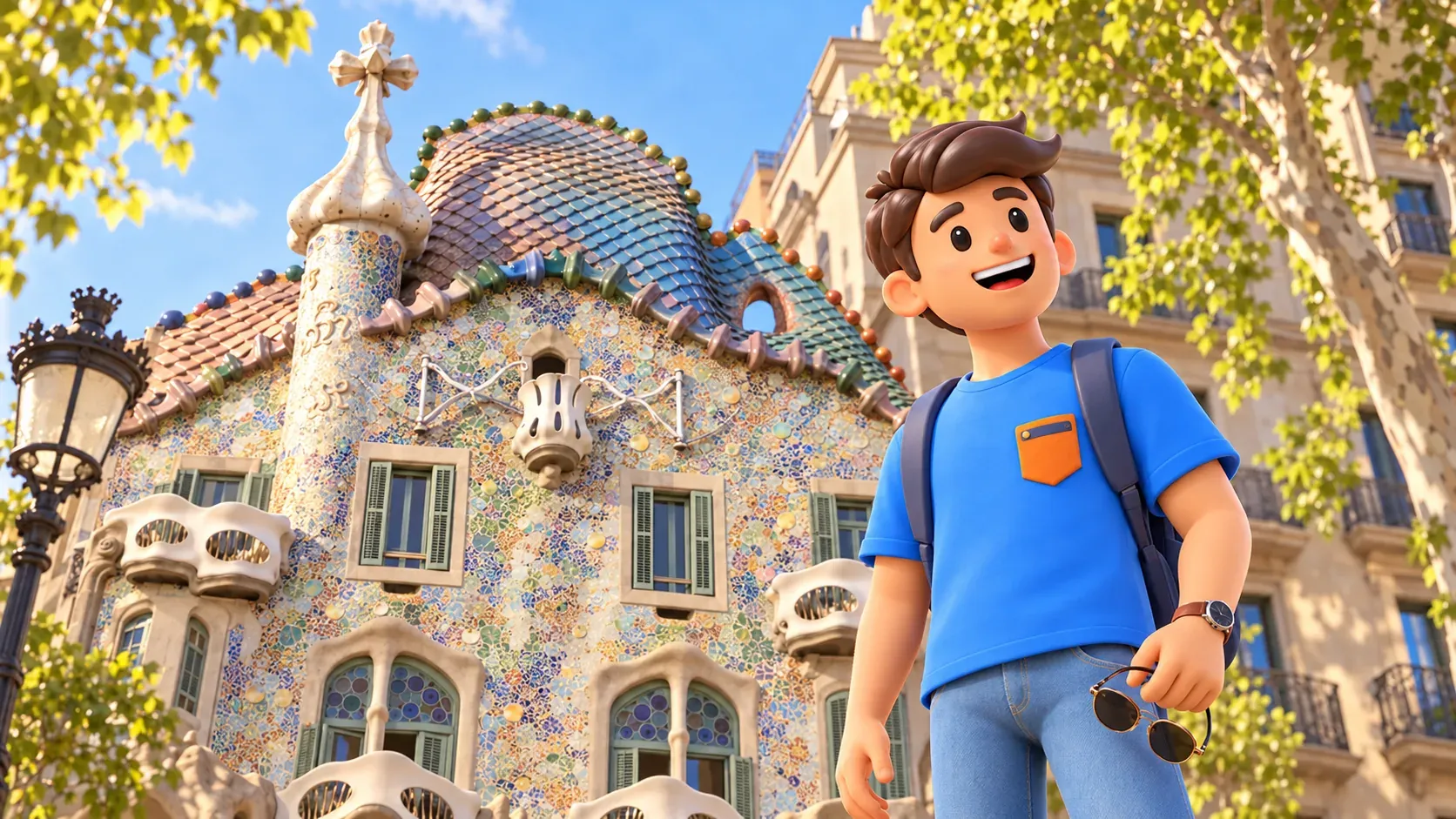
Afterwards, L2 can take you to Passeig de Gràcia. Budget about half an hour for the connection between areas, including approaches and waiting. On the avenue, compare Casa Batlló with neighbouring Casa Amatller and Casa Lleó Morera, then walk towards Casa Milà. This sequence moves from the lower part of the avenue upwards, without requiring a return to the same starting point.
Casa Batlló gained its distinctive appearance through Gaudí’s renovation of 1904–1906. Casa Milà was created between 1906 and 1912 and presents a different treatment of stone surfaces. That contrast is more useful on an introductory walk than memorising every owner’s biography. Look at windows, balconies and silhouettes; save each building’s full story for a dedicated visit.
If you choose a house interior, begin there and give the basilica an exterior block or a separate time on another date. If Park Güell matters more than the houses, use part of the architecture day for it instead of a long avenue walk. The ticket, approach to your entrance and grounds need their own allowance. The park is not between Casa Batlló and Casa Milà.
Sant Pau can be a short exterior extension from the Sagrada Família along Avinguda Gaudí if you have not chosen the park. Going inside its pavilions becomes another substantial visit, not a time-free attachment. For this relaxed version, choose one additional direction. Leave the evening for dinner or a walk in the area where the day actually finishes.
Day three: Montjuïc, one museum and green space
Begin around Plaça d’Espanya and make your way uphill towards the Palau Nacional. The geography differs from the old town: gradients, stairs and your chosen approach matter. If lengthy uphill walking does not suit you, plan a transport connection in advance. Do not assume a fully step-free route simply because individual sections have assisted ways to climb.
The Palau Nacional was built for the 1929 International Exposition and now houses the Museu Nacional d’Art de Catalunya, or MNAC. Its large silhouette and the space in front provide a clear beginning. Seeing the palace outside and exploring its collection are different experiences. Decide what you want before entering, rather than discovering that only a few minutes remain for the art you came to see.
Choose MNAC for a broad introduction to Catalan art. Allow approximately two hours for a selected portion, not an undertaking to see everything. The museum normally closes on Mondays except public holidays; regular Sunday and public-holiday closing is 15:00. Do not leave the visit to an undefined late afternoon. Check your calendar and move this whole day when necessary.
If Joan Miró’s work attracts you more, choose the Fundació Joan Miró instead of a lengthy MNAC visit. Avoid automatically combining both museums. They require different kinds of attention, with a journey between them. In this version, the Palau Nacional remains an exterior landmark and most of the day belongs to your selected museum and the walk. Confirm a suitable foundation visit before fixing the programme.
Have lunch after the main visit, without turning the meal into another rigid appointment. Afterwards, choose Jardins de Laribal and neighbouring green spaces, continuing towards the Miró foundation area. Allow roughly ninety minutes for paths, pauses and connections. That estimate does not include exploring the exhibitions of a second museum, even when its entrance appears close on the map.
The Teatre Grec and its surroundings recall this area’s exhibition history: the theatre was created in connection with the 1929 exposition. Looking around the area and attending a particular performance are different plans. Do not assume open access to the seating without checking arrangements. If an entrance is closed, follow accessible public paths or streets instead of trying to get behind a barrier.
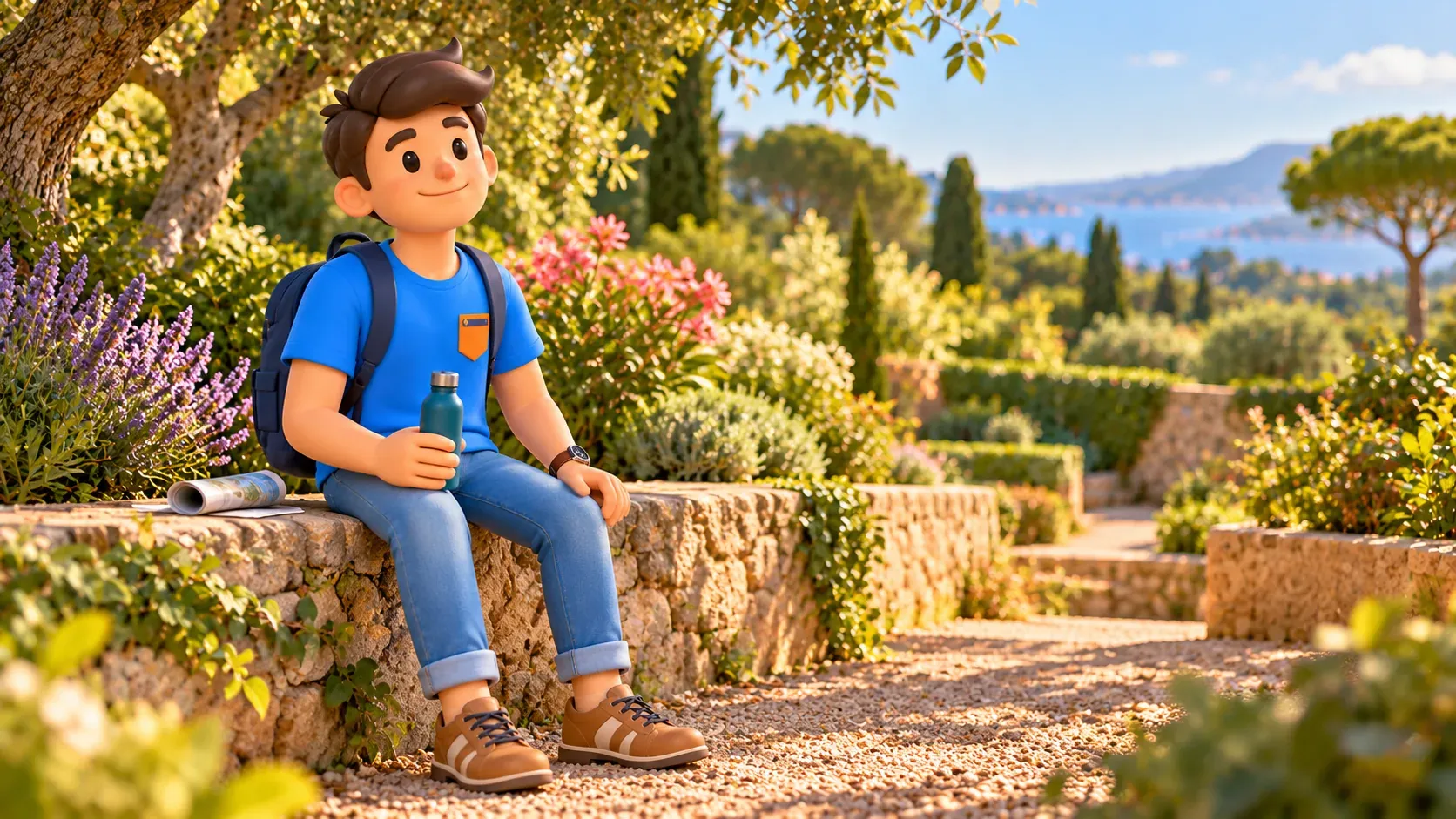
Finish Montjuïc with time in reserve
The basic day ends around the Miró foundation, followed by your chosen public-transport connection or a walk down if that level of exertion suits you. Find the stop and direction before you feel exhausted. Montjuïc Castle, the Olympic ensemble and the botanical garden are separate extensions. Choose one instead of a long museum visit or part of the gardens rather than treating them all as compulsory.
The cable car is also a separate decision, not an assumed component of every journey up the hill. Your selected transport has its own tickets and conditions. This itinerary does not depend on a fountain show: being near a fountain does not establish that a water or light performance is running. Keep the evening independent of an unconfirmed event.
For the whole stay, let RoadMe develop a personal three-day route plan, arranging the experiences that interest you around your dates and pace. It is a convenient way to turn ideas into your own trip; download the city beforehand while online to use its maps and navigation offline.
Adjust the weather, calendar and departure day together
Swap whole days when museum calendars or available reservations require it. Keeping neighbourhood blocks together works better than repeatedly inserting a distant attraction into a different walk. In rain, retain your chosen interior and shorten the gardens. In heat, add longer breaks and reduce exposed sections. Neither change creates an obligation to catch up with everything late at night.
Before departure, determine when you need to collect your luggage, then work backwards through the remaining hours. Give the final day a programme with an easily removed extension. Admission, meals and transport remain separate expenses even when several stops are exterior views. Three days let you recognise the Barcelona that interests you most, which is exactly why some time should remain uncommitted.


