
Austrian Verona: how military buildings became part of everyday city life
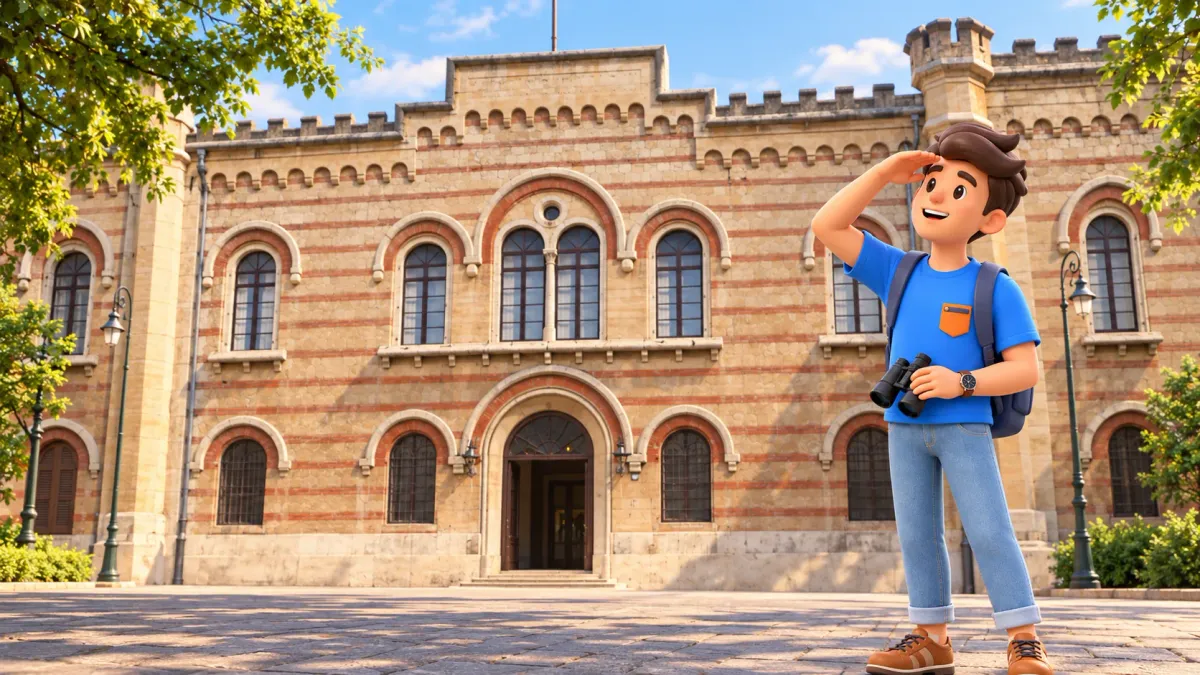
It is easy to become absorbed in Roman and medieval Verona, then walk past large nineteenth-century buildings as though they were simply more old castles. The Austrian period left much more than fortifications. An army needed bread, stores, workshops and accommodation: a whole infrastructure of everyday work.
Some of those places now have different lives. Santa Marta serves university life, parts of the Arsenal have public uses, and San Pietro draws visitors for views over the city. Consider them through a change of purpose: what remains legible in architecture after its original task has gone?
Begin with the work a building once supported
RoadMe makes it much easier to turn an interest in Verona’s less familiar layers into a personalised route or a plan for the whole trip. Choose architecture, history and a suitable pace to connect these places with your other experiences and time to rest.
Austrian Verona is primarily a nineteenth-century story. The city became an important element of the regional military system associated with Peschiera, Mantua and Legnago. You do not need every campaign or the plan of every fort for a first encounter. Ask what practical work each complex made possible.
Barracks accommodated people; a provisioning establishment supplied food; an arsenal brought storage and technical tasks together. Those distinctions reveal more than a general impression of a fortress. A military system depended on production and organisation as well as its walls.
Arches and battlements do not automatically make a building medieval. Nineteenth-century designers also drew on earlier architectural forms. Establish age and purpose before interpreting the details. A similar silhouette does not make the Arsenal a contemporary of Castelvecchio.
Keep the past separate from present arrangements, too. A building’s transition to civilian use does not mean every door is open to tourists. A working university, a continuing urban redevelopment and an outside view of former barracks offer different kinds of encounter.
Santa Marta: from supplying bread to supporting learning
Santa Marta in Veronetta was built in 1863–1865 as a provisioning complex for the Austrian army. The word Provianda helps explain its purpose. This was not simply accommodation for soldiers: grain was stored and processed, bread and hardtack produced, and supplies organised.
That changes how you see the scale. Long façades, repeated openings and large volumes relate to organised work. This was neither a country palace nor a romantic castle. Imagine a sequence of tasks, from storage and processing to production and dispatch, without inventing an exact historical use for every room.
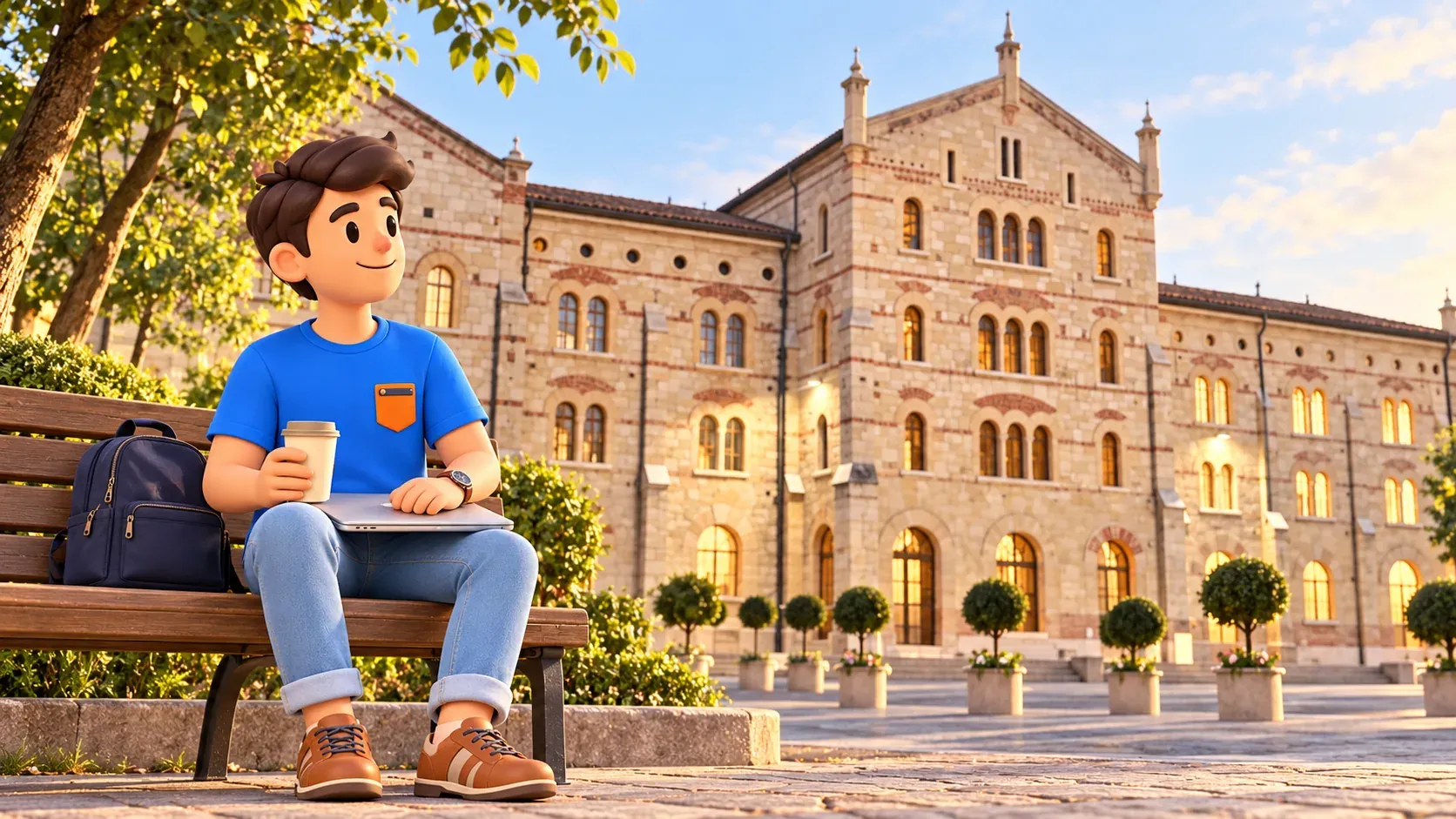
After restoration, the complex became university space with classrooms, workplaces and a library. The shift is particularly striking. A place that once met the material needs of an army now supports learning and research. The historical structure continues to work rather than merely supplying a picturesque background.
Outside, compare the length of the façade with its repeated openings. Inside, if the relevant area is available to visitors, consider the relationship between existing structures and modern arrangements. Glass partitions or new connections need not automatically be read as damage to history. A new purpose also needs light, circulation and equipment.
Read the campus as a working place, not an empty monument
Santa Marta has another present-day layer: works belonging to the university’s contemporary art museum. Part of the collection is distributed through the campus. This differs from a museum separated from the building’s daily use. Art meets an environment of study and work.
Such a visit suits someone interested in what a place does now as well as what it once did. A historical building does not need to recover its first function completely to remain valuable. A new community of users can help make the continued care of a large complex meaningful.
Respect the working university. An open passage does not authorise entering every classroom, office or reading room. Follow the available visitor route and local instructions. Looking at architecture should fit alongside teaching and work rather than interrupting them.
The collection’s operator lists free access during university office opening hours: at preparation, Monday–Friday, 8 am–7 pm, and Saturday, 8 am–1 pm. Academic calendars and specific events can create exceptions. Check a guided session separately; guidance is not automatically included whenever the building is open.
The Arsenal is a complex, not a single room for weapons
The Austrian Arsenal lies on another side of the centre, near Ponte Scaligero and Borgo Trento. Built in 1854–1861, it was an organised group of buildings with courtyards, routes and different practical functions. Its interest extends beyond one impressive entrance.
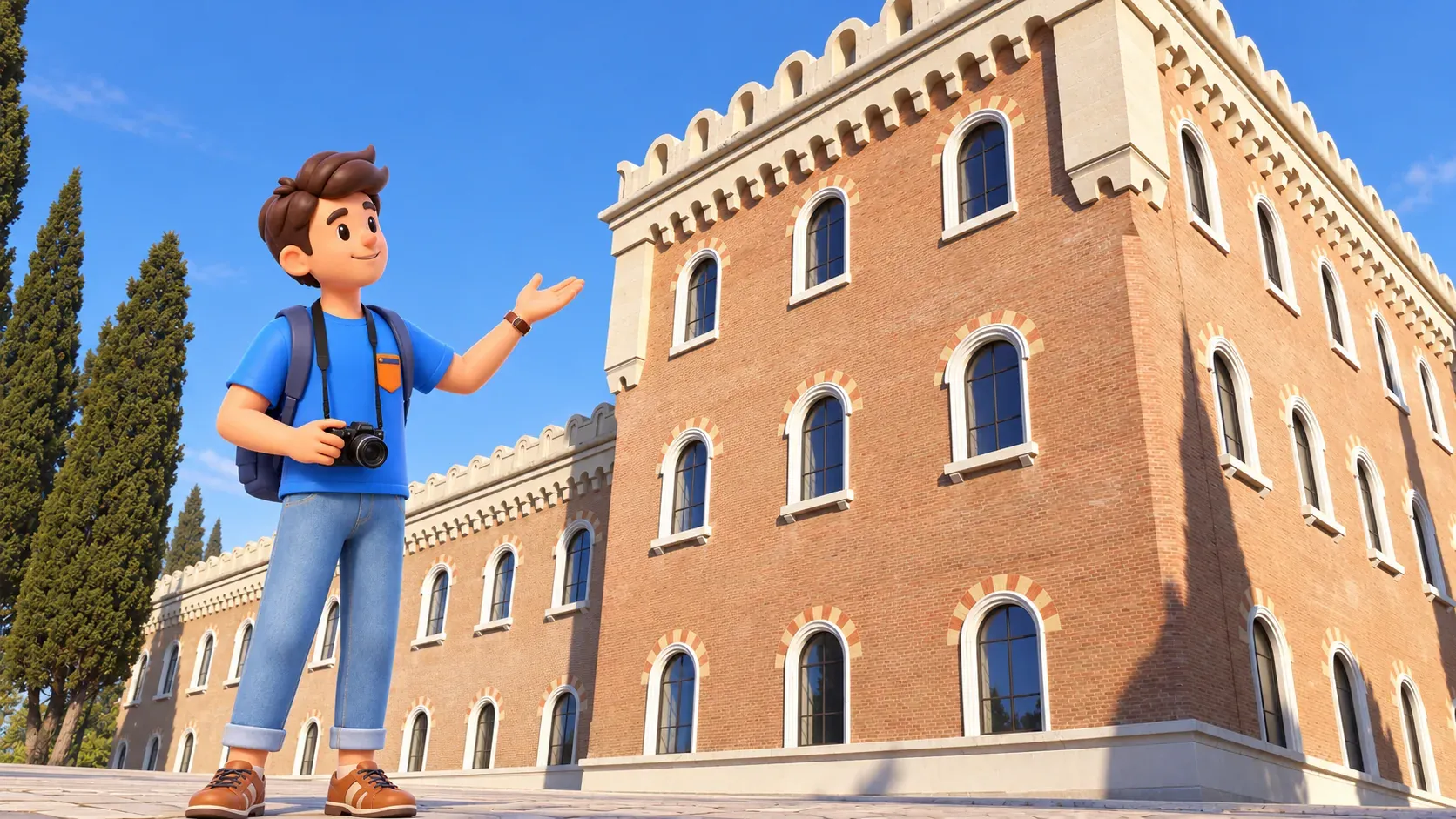
Begin with scale and order. The length of the buildings, repeated windows and relationships between blocks help explain the place. Decorative forms may suggest an older fortress, but the tasks belong to a substantial nineteenth-century military infrastructure.
Parts of the area acquired public uses and green space. That does not make the complex’s new life a completed conversion of every building into a freely accessible museum. Restoration and changes of use proceed in stages, and a real walk depends on the passages available at the time.
This is an interesting urban story in its own right. A city does not always receive a finished new district in one moment. Between a formerly enclosed system and a public role lies a long process of decisions, works and temporary boundaries. You can examine the architecture without expecting every courtyard to be open.
Allow for present works around the Arsenal
A municipal notice dated 25 September 2026 reports district-heating works around Piazza Arsenale continuing until the end of the year. They affect specific circulation areas and part of the cycle path beside Lungadige Cangrande. The notice does not establish that the entire park is closed or the exterior cannot be seen.
Follow local signs and use permitted pedestrian passages. An old photograph of an open courtyard cannot confirm current access. Equally, visible works do not make the whole surrounding district inaccessible. Restrictions apply to particular areas and need to be read at that scale.
To connect the Arsenal with its neighbourhood, use our walk from Ponte Scaligero to the Arsenal and Borgo Trento. It provides a separate district block. Santa Marta, across the centre, should not be added as though it were the next building along.
San Pietro: former barracks and a different view of Verona
The building on San Pietro hill is also easy to read too quickly. “Castle” in the name and a crenellated outline encourage a medieval picture. The prominent brick volume you see today, however, is associated with nineteenth-century Austrian barracks on a site with a much longer history.
Distinguish the hill, the present building and the panoramic terrace. One place brings together several historical layers and different activities. A view over Verona does not prove there is an open museum inside, and a ticket for the ascent does not become admission to the former barracks.
An exterior look is enough to recognise this Austrian layer. Notice repeated windows, the substantial rectangular volume and its position above the slope. Then turn towards the city. The former military building’s setting can change how you understand the panorama itself.
Climbing, descending and any wait for the funicular require their own allowance. Do not append the hill to two other complexes just because all three share an era. A theme connects the story; it does not shorten the distances you need to travel.
Choose one area for a first encounter
RoadMe can help work out a personalised plan for the whole trip, connecting architecture, museums and walking around your interests. The app makes it more convenient to turn this theme into a manageable route with a suitable sequence and time to rest.
If a historical building’s new life interests you most, begin with Santa Marta. For a selected encounter, allow 20–30 minutes for the exterior, 30–45 minutes for an available part of the art display, a 25–35-minute pause and 15–20 minutes of flexibility. Together, that makes roughly 90–130 minutes on site, excluding travel from your accommodation, returning and any admission wait.
This is a planning suggestion for one small block, not a promise to explore the whole campus. If the collection is unavailable, an exterior look remains possible where permitted, but is not a complete substitute for the interior experience. Shorten the visit or choose another date according to what matters to you.
For the surrounding area, use our Veronetta walk from Porta Vescovo to Santa Marta. It gives the building an urban context. Add separate time for streets and a break rather than transferring a short museum allowance to an entire neighbourhood.
If you are already beside Castelvecchio, the Arsenal and its quarter may be the more convenient choice. If a panorama is your priority, set aside a separate San Pietro block. These alternatives share a subject, but do not form one tiny walk without connecting journeys and an ascent.
Three architectural observations need no specialist knowledge
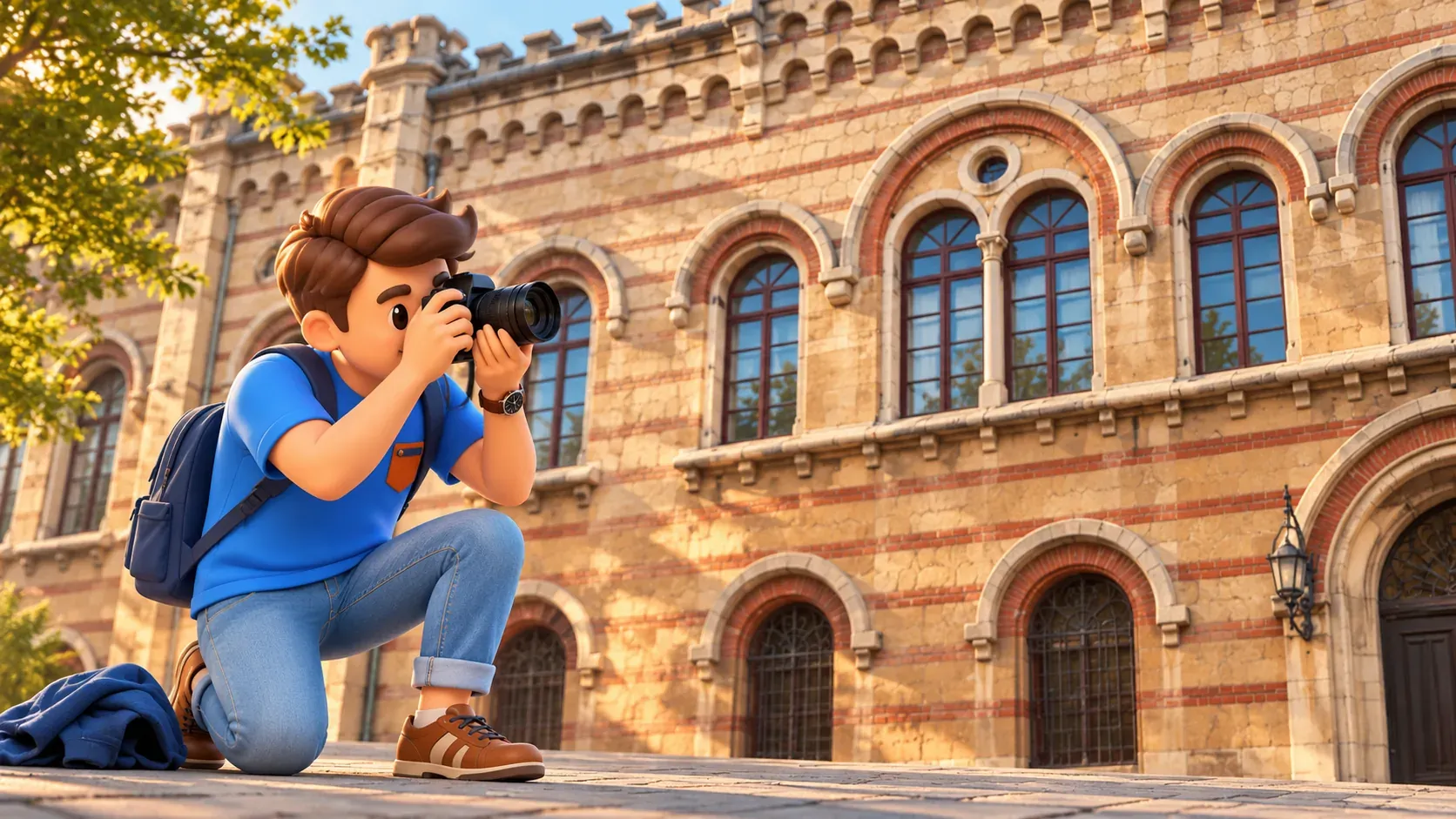
Compare repeated windows, the size of passages and the relationship between a building and the space around it. What seems designed for large numbers of people or regular work? Where does architecture enclose an area, and where does a present use connect it with the city?
Not every detail can be confidently explained from the street. A blocked opening was not necessarily a cart entrance, and identical windows do not identify the rooms behind them. Keep your questions and use verified information as support. An enjoyable walk does not require invented answers to everything.
The complexes become memorable through their original tasks: provisioning, storage and accommodation. Their present lives suggest another set of ideas: learning, public space and panoramic looking. Together, those connections make the nineteenth century a readable part of Verona rather than a gap between better-known periods.
Take away a question about old buildings and new purposes
Austrian heritage is not limited to military equipment or a list of defensive structures. These buildings show how large organised systems shape a city, then acquire different purposes themselves. A classroom building or public passage can be as revealing as an impressive tower.
Afterwards, try asking any old building one question: what did it enable people to do before, and what does it enable now? In Verona, that opens a layer of contemporary life inside historical architecture without requiring a complete tour of every fortress in a single day.


