
Amsterdamse Bos in half a day: a gentle walk with time to return
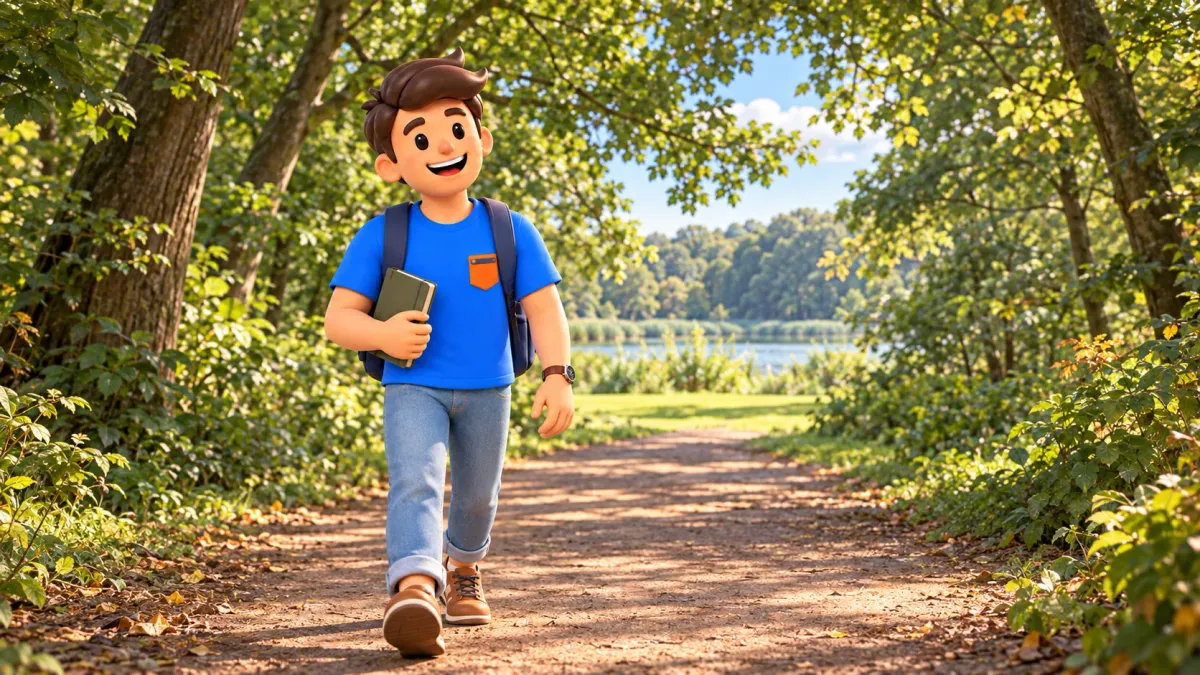
A half day in Amsterdamse Bos need not become a countryside expedition. For a first visit, choose the northern entrance, a short walk beside the Bosbaan rowing basin and a return along the same path. The change of scale is the attraction: after narrow streets and museum rooms, there is long water, tree canopy and open space. You need not seek every well-known corner of the forest. Two hours there can include walking, stopping and noticing another side of your trip. Returning to Amsterdam belongs in the plan from the beginning, rather than becoming a problem once everyone is tired.
Our four-hour example runs from 10:00 to 14:00, conditional on each actual journey between your city address and the northern starting point fitting within an hour. Include waiting, transfers and the final walk. The forest block itself is 11:00–13:00. If transport takes longer, extend the outing or choose a nearer city park. This is not a promise of one-hour access from every hotel. A proper lunch afterwards is additional; the forest includes a brief rest with water and a snack you bring. A distant farm, boat trip or complete circuit of the basin is outside this programme.
Who this half day suits
Choose the forest for a few hours of movement without successive admission tickets or another facade to identify at every turn. Look at light, water and greenery, talk or simply walk. It can provide a different rhythm after a day of concentrated cultural visits. If you have only two hours from door to door, however, spending much of that travelling makes little sense. Our Museumplein to Vondelpark walk offers a city alternative. Count that walk separately from a preceding museum visit and your journey home; a nearby green space still needs its own time.
Try RoadMe for a complete personal route or trip plan based on your interests and pace. The app makes it much more convenient to combine nature, museums and rest in a programme shaped around your days away.
Agree what a satisfying outing means before leaving. Perhaps it is walking beside water, finding somewhere to pause and returning without a race. Reaching the far end of the basin is unnecessary. If a particular farm, seasonal blossom or long trail matters, choose a different programme with its own travel and duration. A modest walk remains worthwhile without demonstrating that you covered the whole Amsterdamse Bos. It also leaves permission to finish while companions still enjoy being outside. Let one shared interest guide the morning, rather than collecting every attraction mentioned in a general guide.
Start at the northern entrance and Boswinkel
Use De Boswinkel visitor centre, Bosbaanweg 5, as the starting reference, near the northern entrance from Amstelveenseweg and Van Nijenrodeweg. Do not travel automatically to any address labelled Amsterdamse Bos. The forest has several entrances; Nieuwe Meerlaan 3 is the administration office, not this route’s start. Search public transport for the northern entrance or Boswinkel and inspect the last walking section. A similarly named stop elsewhere around a large green area can change the outing considerably. Choosing the right entrance matters more than reaching a general map pin somewhere in the forest.
At the time of checking, Boswinkel opens Wednesday to Sunday, 10:00–17:00. The forest itself is free to enter; transport, food and separate activities are not included in that statement. Visitor-centre hours should not be treated as the whole forest’s opening times, or as proof that every facility operates continuously. If open, use the beginning to consult local information about paths. If closed, a walk on permitted public paths need not depend on entering the building. Plan any essential toilet or assistance requirement separately: access to indoor facilities depends on their actual operation, not simply their presence near the gate.
Four hours including the return
Allow 10:00–11:00 for travel from your chosen city address to Boswinkel. From 11:00 to 11:20, orient yourself, read current signs and locate a permitted pedestrian path along Bosbaan’s southern bank. From 11:20 to 12:00, walk west from the eastern end at a comfortable pace. At noon, stop progressing outwards and allow until 12:20 for a rest. Then return along the same route to the start by 13:00. Keep 13:00–14:00 as a separate hour for the journey back to your city address. Confirm that both travel legs genuinely fit before adopting these clock times.
The total is 60 + 20 + 40 + 20 + 40 + 60 minutes. Those two forest hours include orientation and rest, not uninterrupted walking. No complete Bosbaan circuit is promised: time determines your turn, not a compulsory distant bridge. We do not present an unmeasured distance as a recorded track; your permitted section and pace determine it. Turn earlier if necessary and preserve energy for returning. If outward travel exceeds its allowance, move the overall finish or consciously shorten the walk. There is little value in hurrying through fatigue to defend an illustrative timetable.
Water and woodland without a compulsory circuit
Bosbaan shows why this forest landscape is more than trees. The long waterline creates a different horizon and changes your sense of distance. Notice how open views meet denser groups of crowns, how reflections respond to light and where water movement becomes visible. These are observation suggestions, not a guaranteed programme of birds or rowing practice at a particular minute. For photographs, stop where others can pass. A few considered images are enough. There is no need to leave a permitted path for overgrown water margins or enter sporting facilities in pursuit of another angle.
For a first outing, returning along the same bank keeps the ending understandable. Familiar views change in reverse: light arrives differently and individual trees form another frame. That is a reason to look again, rather than a failure to complete a loop. Follow current pedestrian signs at junctions; horse tracks and closed service areas are not shortcuts. If a barrier blocks the way, shorten the walk rather than force a line imagined beforehand. Its purpose is time among greenery, not completing a circuit or visiting every symbol printed on an old map. The return can be part of the experience.
A little history changes the view
Amsterdamse Bos was created as a public landscape rather than surviving as untouched wilderness between urban neighbourhoods. Cornelis van Eesteren and Jakoba Mulder contributed to its design; work during the 1930s was connected with employment relief in the economic crisis. That context changes an ordinary walk. Space for leisure resulted from decisions, labour and long development. You need not memorise every date to appreciate the idea: a city trip can include somewhere whose main attraction is an open view and the opportunity to spend time differently from the dense historic canal district.
The English landscape approach values natural-looking curves, groups of trees and unfolding views. Look for those relationships: dense and open, shade and brightness, a nearby branch against distant water. This is an invitation to observe a designed landscape, not a compulsory lesson in species identification. Do not collect plants or mushrooms; the forest’s rules prohibit picking them. A photograph from an allowed path or a few words in a notebook can preserve the impression without removing anything. One noticed relationship between canopy and water may stay longer than a list of names forgotten on the journey back.
Pack for a simple break
Comfortable footwear, water, a small snack and clothing suited to the forecast are enough for this short outing. Green surroundings do not guarantee dry surfaces after rain or shelter from wind beside open water. Keep a light rain layer available, but choose another day if conditions make the visit unappealing. There is no need to prove endurance. Do not base the timetable on a compulsory café stop at an exact minute. Our twenty-minute pause allows a simple rest, rather than ordering a substantial meal, waiting for preparation and paying. Select a suitable stopping place without blocking other path users.

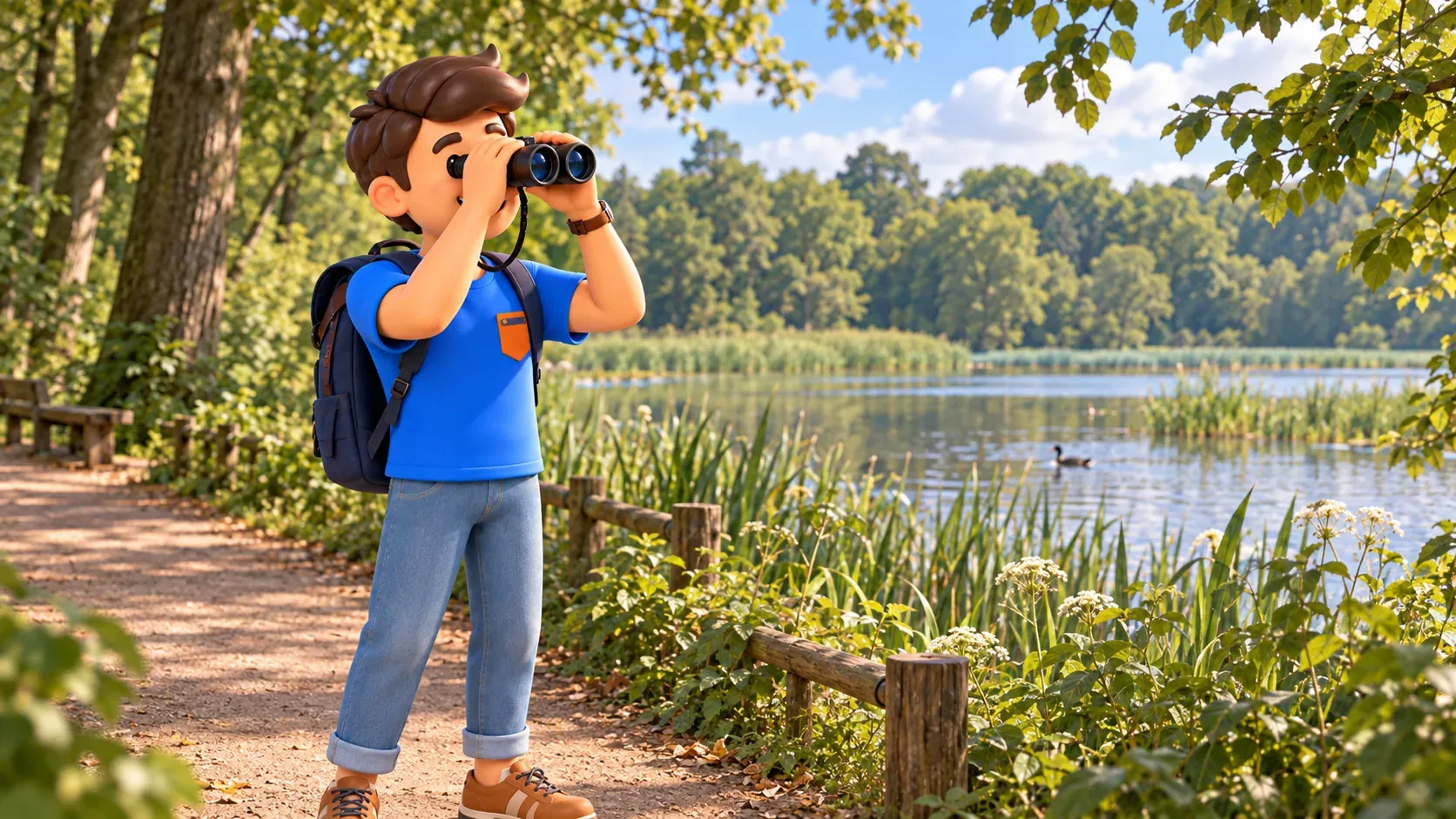
Binoculars can make quiet observation from the path enjoyable, but are not essential equipment. Avoid promising children an encounter with a particular animal. Suggest noticing leaf shapes still on trees, a cloud reflected in water or a sound usually lost among traffic. These are optional observations, not an official activity programme. Carry your belongings and waste out or use an appropriate bin. Do not feed wildlife or approach it for pictures. Bosbaan is not a place for independent swimming: attractive water illustrations do not mean entering it is permitted. Shoreline, air and unhurried time provide enough for this visit.
Paths, works and individual access needs
The forest authority warns that maintenance can leave some walking routes partly or entirely inaccessible. Boswinkel’s entrance space has also been undergoing renewal. A notice that work resumed in September 2026 does not prove the final layout will be ready on every later date. Read current notices before travelling and signs and barriers on arrival. An older general map explains geography without confirming that a bridge or passage is open today. Our outing does not require distant areas. If the chosen bank is awkward to reach, reduce the programme rather than seeking a way through woodland, a service area or horse track.
Many forest paths have asphalt or other firm surfaces, but that does not certify this entire walk as step-free. For wheelchair use or individual mobility needs, confirm the actual route, surface and operating facilities beforehand. Good access to a visitor centre does not establish identical conditions throughout a large forest. Treat forty minutes as an allowance, not a walking standard you must meet. At a slower pace, choose a shorter section, turn sooner and retain time for transport. That preserves the outing’s purpose: some greenery and water with a manageable return, rather than adapting personal needs to someone else’s long sporting circuit.
Leave room for the rest of Amsterdam
Check both journeys in a current planner; the forest authority directs public-transport visitors to the national 9292 service. Check the return to the address you actually need, as well as arrival at the northern entrance. Avoid copying bus numbers from old guides or counting only the journey between stops. The one-hour allowance per leg is a condition to verify for your date, not a measured universal transfer. Leave additional margin before an important later booking. A half day outdoors is more enjoyable when the remaining programme does not require rushing straight from transport to a timed museum entrance.

RoadMe makes planning the whole trip more convenient and effective by shaping a personal programme around your interests, pace and available days. Try the app to give a forest walk, city neighbourhoods and cultural visits suitable places in your journey.
After returning, allow time to eat and decide whether another outing appeals. The forest need not introduce a compulsory evening marathon. For a different green theme, consider our Plantage and Hortus plan on a separate day; the botanical garden has its own admission conditions. Today’s result can remain simple: notice a designed landscape, walk a modest section beside water and return with energy. That is enough for a first encounter with Amsterdamse Bos. More distant trails can wait for a deliberate choice when you have time to give them, including the journey home.


