
After the museum: a two-hour walk from Museumplein to Vondelpark
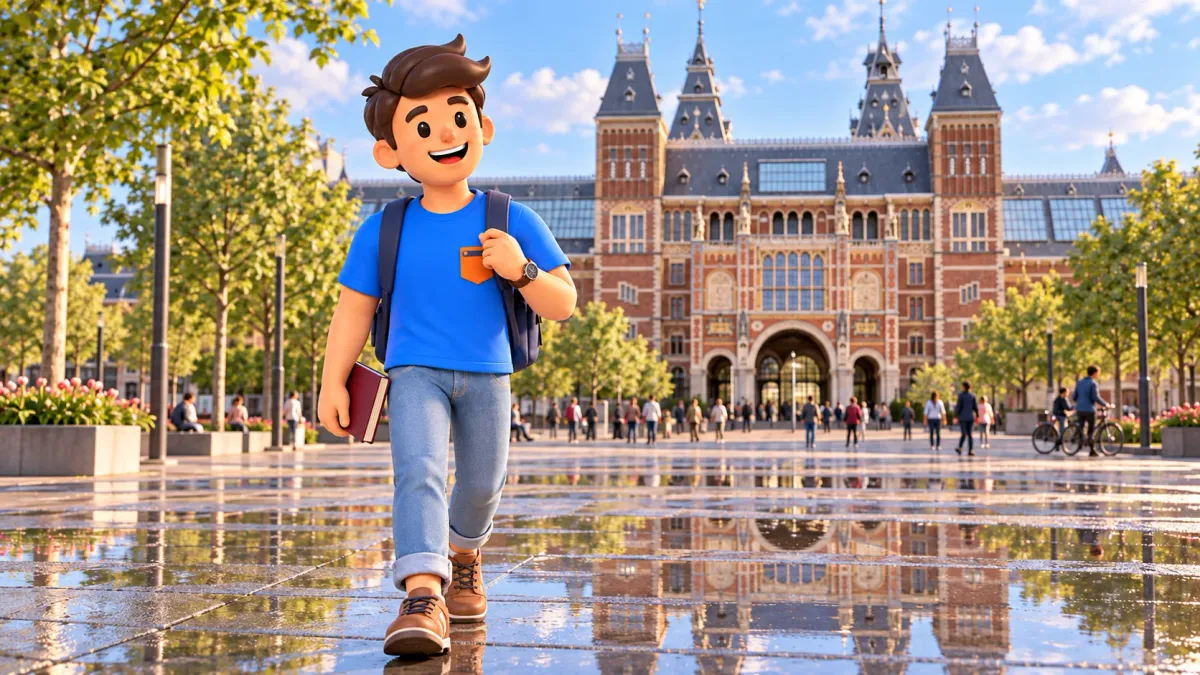
After several hours among paintings and museum rooms, Amsterdam can be especially rewarding outdoors. You do not have to move straight into another collection. From Museumplein, a short walk leads to Vondelpark, where trees, water and everyday movement give your impressions a different setting. This does not mean leaving art behind. Sometimes a remembered painting becomes clearer once you are away from the gallery. A change of pace lets one experience settle rather than covering it immediately with dozens of new images and another demanding visit.
Allow about two hours after your chosen museum, for example from 14:00 to 16:00. Spend twenty minutes on Museumplein and another twenty reaching Vondelpark's main eastern entrance by Stadhouderskade. Keep forty minutes for paths in the eastern part, twenty-five for a proper pause and fifteen to return to the same entrance. The exhibition, a full lunch and onward travel are additional. Think of this as a comfortable continuation of a museum day, with a clear structure and room to adjust how far you walk.
Start when your museum visit ends
Begin when you have actually finished the museum, rather than hurrying to match the example clock times. If you need lunch or a longer rest first, take it. The outdoor block can move earlier or later while there is enough daylight. An interesting exhibition should not be cut short merely to meet our suggested 14:00 start. These times explain the order and balance of the walk, not an appointment. One visitor may prefer gentle movement, while another will value more time sitting beside the water.
Try RoadMe for a fully developed personal trip plan shaped around your interests and pace. The app makes it much easier to connect a museum, a suitable walk and proper rest into a day that works for you.
Agree on a comfortable level of activity before setting out. There is no need to cross all of Vondelpark or reach its far end to complete this plan. The main version stays in the eastern section and returns to a familiar entrance. Comfortable shoes, water and the chance to sit matter more than adding extra sights. After rain, choose suitable paths and account for wet surfaces. A popular city park cannot promise a dry lawn or an empty bench at every moment, so keep some flexibility about the exact stopping place.
Twenty minutes on Museumplein
Museumplein is where a museum visit becomes part of the surrounding city. Step back to see buildings at a distance and notice people using the square for reasons unrelated to exhibitions. Choose an available public part of the space instead of crossing it automatically by the shortest line. If you have just left a museum, look back at its façade. The gallery experience and the building's public image can feel surprisingly different: you carry individual works outside, then see the institution as one element in a wider neighbourhood.
There is history behind this proximity. Vondelpark opened in 1865, while the Rijksmuseum welcomed the public to its new building in 1885. Large cultural institutions helped reshape this part of Amsterdam in the late nineteenth century. The connection between museums and greenery is therefore more than a convenient line on a modern visitor map. It reflects an expanding idea of urban leisure, bringing art, walking, music and public space into neighbouring settings. That brief context is enough here; the walk does not require a detailed chronology of every museum building.
The square continues to change. The municipality's improvement programme includes planting and public-space work, so follow current signs and available routes. Do not rely on an entirely empty lawn or an unchanged view across every part of Museumplein. Seasonal activities are not permanent features either. If a section is fenced off, use the permitted route around it. Twenty minutes can still be worthwhile without the perfect wide photograph. The purpose is to notice the space between buildings and begin moving from gallery concentration into the ordinary rhythm of the city.

From the square to the eastern park entrance
Allow around twenty minutes for the connection. Follow public streets towards P. C. Hooftstraat and Vondelpark's main eastern entrance on the Stadhouderskade side. Check a current pedestrian map from your actual position on Museumplein. Museum corridors and gardens with separate entry arrangements are not needed for this route. The aim is to reach an identifiable entrance that will also be your finish. Once inside, that familiar reference makes it easier to choose a short branch of the path without repeatedly worrying about how to find your way back.
The scale changes as the broad square gives way to streets and then greenery. Shopfronts and residential façades establish a closer rhythm than the large museum buildings. You can observe that change without stopping in shops. If you do want to browse or have coffee here, add time or deliberately shorten the later walking section. A useful itinerary makes these decisions clearer. It should not require you to retain every planned activity after each unexpected interest, even when the remaining time no longer supports the original version of the day.
Why Vondelpark feels natural
Inside, keep about forty minutes for eastern paths, trees and water, moving gently towards the open-air theatre area if it suits you. There is no need to collect every bridge or sculpture. Notice first how the path changes your way of looking. After the museum square's long façades, the route bends; trees frame a new view, water appears and disappears, and the next turn changes the apparent distance. The interest lies in this gradual sequence rather than an expectation that each opening must reveal another famous landmark.
The Zochers designed the park in the landscape tradition. Ponds, lawns, groups of trees and winding paths create its apparently informal character. This is a deliberately composed place, even when it helps you switch attention towards natural forms. Look at a group of trees framing a view or a bend redirecting your gaze. That small exercise follows naturally after a gallery: composition continues, now outside a picture frame. No specialist knowledge of garden design is required to notice how a path and a view work together.
The name connects the park with poet and playwright Joost van den Vondel, whose statue was installed here in 1867. It explains why the green space carries a person's name rather than that of a river or neighbourhood. You do not have to locate the statue at all costs if a quiet path interests you more. Simply knowing the connection adds another layer to the setting. The park has its own cultural history and everyday purpose; it is a destination in its own right, as well as a useful pause after a museum.
Carry one museum impression outside
Try a simple exercise. Choose one work you remember and name a quality that stayed with you: colour, light, movement or a sense of space. Then look for a related feeling in the park. There is no need to find an exact match or prove the association correct. The point is to retain your own impression and place it in another context. With a companion, exchange two brief observations and let the conversation continue naturally. This becomes a personal extension of the visit without another ticket or a long explanation.
You might also prefer a few minutes without discussing anything. Watch reflections, branches or the movement of people along the paths. Choose routes intended for walking and account for runners, cyclists and other visitors. Stop to one side for photographs, leaving the way clear. You do not need to approach or feed wildlife to make the park interesting. A short period of attention can offer more than constantly relocating for another picture. The useful change is from a dense exhibition towards simpler observation, at a pace that feels comfortable after the morning.
The open-air theatre is a seasonal possibility
If your path passes Vondelpark Openluchttheater, it introduces another form of culture within the park. Its programme normally runs on weekends from May to September across several genres. This is not a promise of a performance on any chosen day. In October, do not build the walk around an assumed show. Outside the programme, follow the current conditions for access to the venue itself. Our standard route remains complete without entering the theatre. It is a possible observation along the way rather than a compulsory stop with a booked admission time.
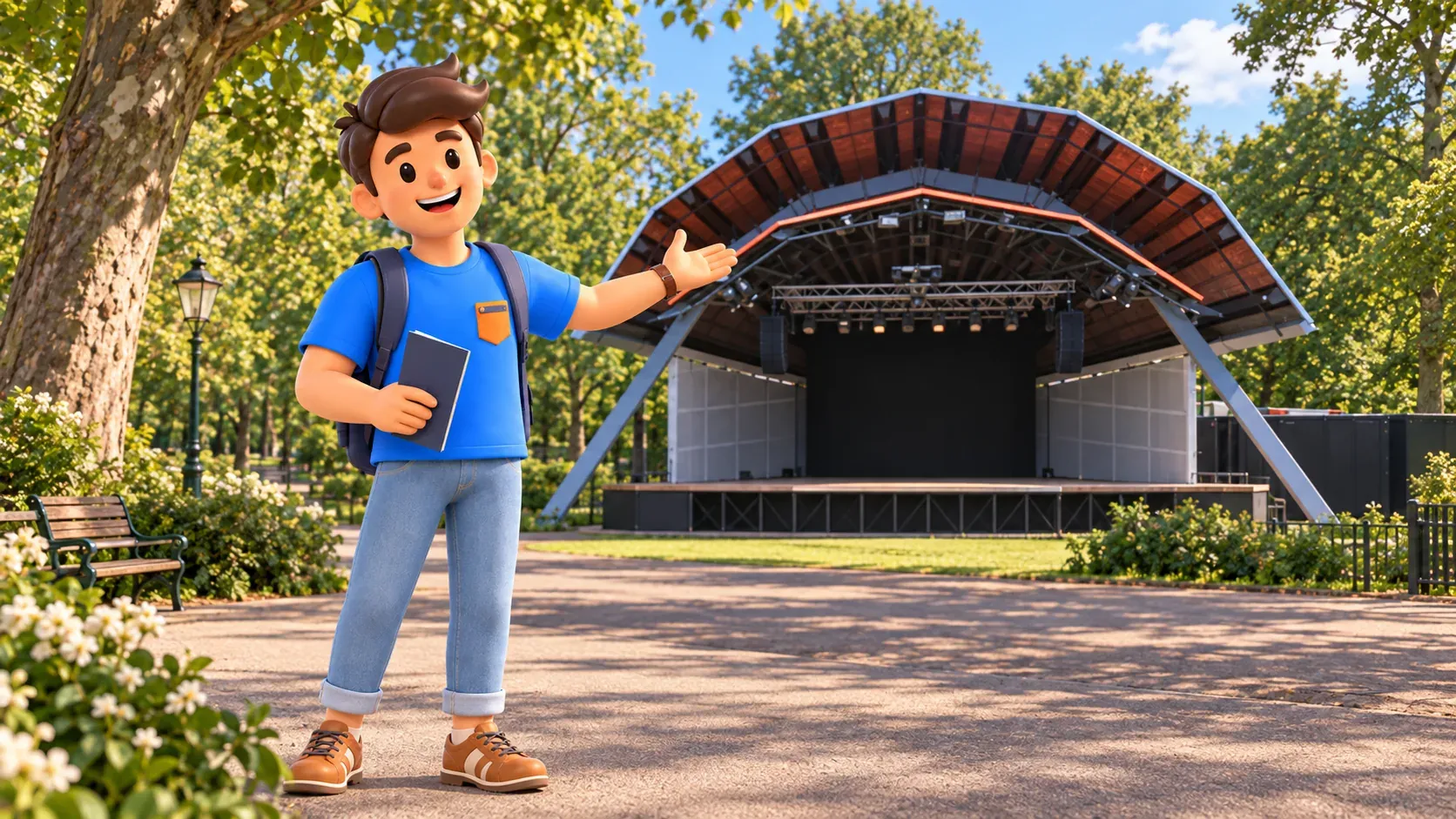
Performances have free entry and the organisers welcome voluntary donations. Reserving a seat, however, is a separate paid option: free admission does not mean every seat can be guaranteed in advance without payment. If a performance genuinely suits your date and interests, check its specific programme and give it additional time. A whole show does not belong automatically inside our forty-minute park section. You can end the afternoon with a performance, but the finish time will change. Decide consciously if onward travel or another appointment depends on the original schedule.
Twenty-five minutes of actual rest
After walking, keep around twenty-five minutes for a pause in the eastern park. Choose according to conditions: a suitable bench, an area where resting is permitted or a café with available service. No particular business or seat is guaranteed. The break need not become a search for the most famous table. An ordinary bench may preserve the lightness of the afternoon better. In wet weather, choose somewhere dry and comfortable. If you want a full lunch, allow longer; this short break does not guarantee a complete restaurant meal and service within the allotted time.

Use the pause to decide the next step rather than scheduling every minute of the evening. You have already had a museum visit and a walk, so assess your energy calmly. Someone may want more neighbourhood time, another to return to the accommodation and another to read. In a group, listen before adding another visit. Around major museums, it is easy to confuse a building's proximity with a readiness to go inside. An appealing second museum deserves its own adequate time, perhaps on another day of the trip.
With RoadMe, planning the whole trip around your interests becomes much more convenient and effective. Try a personal plan in the app to balance substantial museum days with walks and rest at a pace that suits you.
Return to the familiar entrance
Leave around fifteen minutes to return to the main eastern entrance by Stadhouderskade. If you have wandered farther, extend that allowance rather than trying to recover the time by hurrying. The standard programme ends at about 16:00 beside a clear city connection; plan onward travel separately. Reaching Amstelveenseweg at the opposite end is not necessary for a worthwhile visit. A smaller section seen attentively serves this afternoon's purpose better than a large circuit completed only because turning back would feel like leaving something unfinished.
For another day combining greenery and architecture, consider our Westerpark and Het Schip itinerary. Today's aim is simpler: connect art with public space and give your impressions time. Museumplein sets cultural buildings within their neighbourhood; Vondelpark offers a designed landscape shared with everyday life. A short connection between the two is enough to change the way you look. That makes a complete and useful continuation of a museum day, while leaving some energy and curiosity for the rest of your time in Amsterdam.


