
Zurich with Children: Choose a One-Day Family Plan
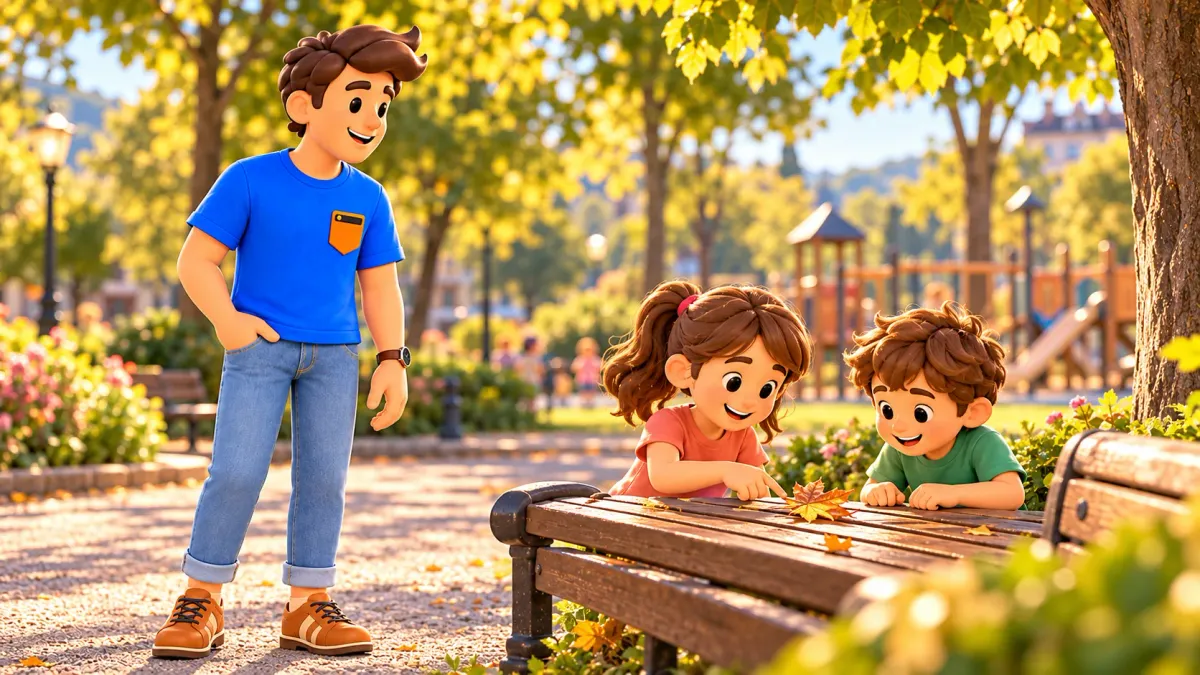
A family day in Zurich works best when it begins with one main activity. Start with what actually interests the child today and how long everyone wants to be out, rather than a rigid age table or a count of famous sights. For a single day, choose between the zoo, a compact central museum plan and a lakeside outing with plenty of space for play.
These are three independent programmes, not three consecutive parts of one itinerary. Each leaves time for food, toilets, travel and the point when everyone has had enough stimulation. There is no promise that one attraction will delight every child of a particular age. Instead, the choices below offer clear reasons, practical limits and ways to shorten the day while preserving its purpose.
Choose the interest and the available energy first
RoadMe helps you prepare a personalised plan for the whole trip around interests and pace. For a family day, choose one main activity and leave uncommitted time for meals, play and rest.
Ask whether the child would prefer watching living animals, examining skeletons and museum objects, or moving around outdoors. Offer a younger traveller two concrete choices rather than an extensive catalogue. Adults can simultaneously consider weather, sleep, remaining budget and the journey back. Wanting to see a famous place should not obscure the fact that a different pace suits the family better today.
With children of different ages, look for shared interest rather than averaging their ages. One may need a short explanation while another wants independent looking. Agree beforehand where a pause will happen and what can be skipped. With two adults, briefly dividing within one understandable space can sometimes help, followed by a clear meeting point. The younger child need not complete a longer route for the older one's sake.
A useful outline gives the morning to the main activity, treats lunch separately and keeps the afternoon free of a rigid reservation. A zoo day may occupy much of the available daylight, a museum plan several relaxed hours, and an outdoor day only as long as conditions remain comfortable. All timings below are editorial planning allowances rather than measured family visiting standards.
Option one: animals as the day's main event
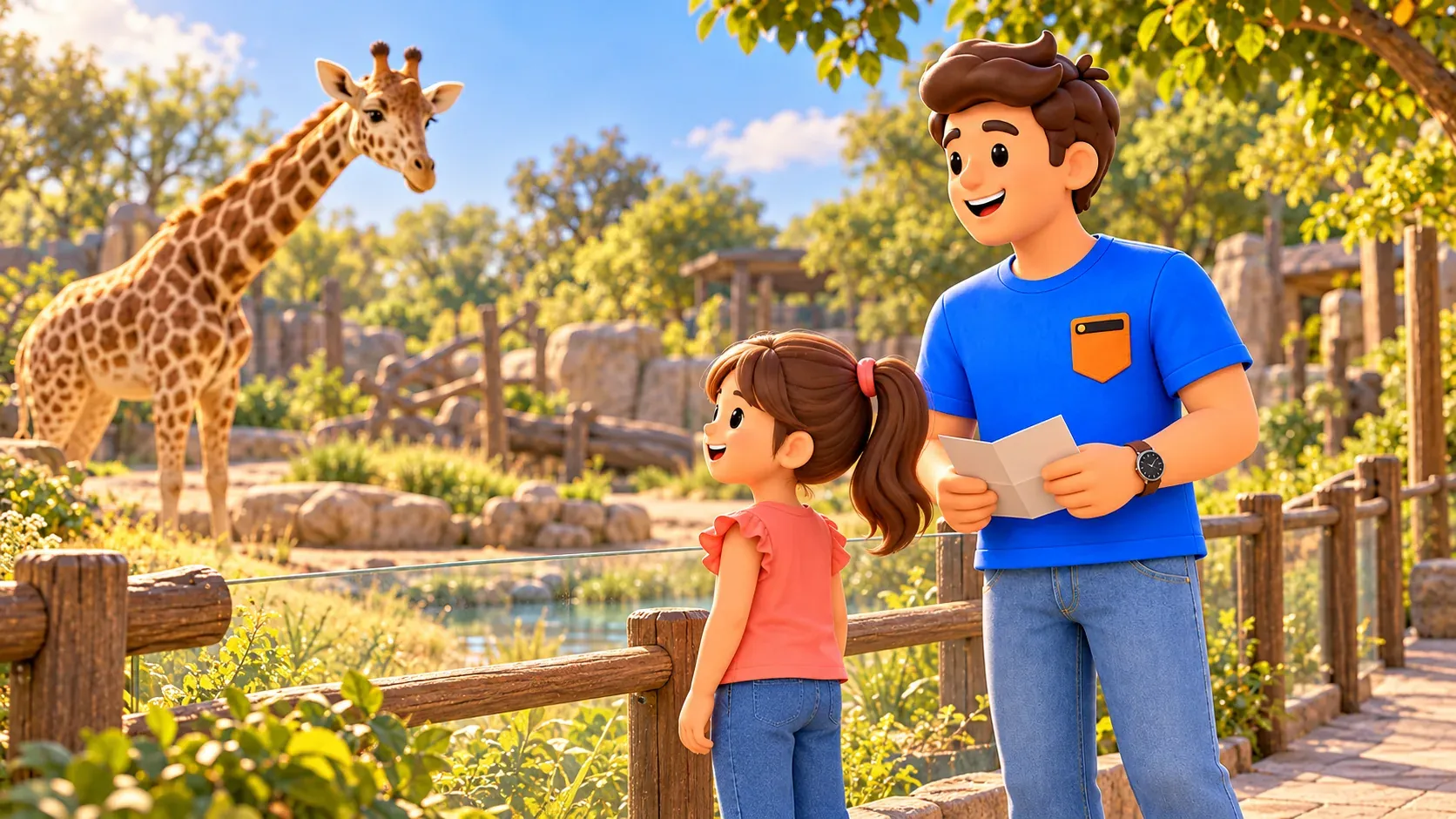
Choose Zoo Zürich if the child enjoys observing living animals and the family is ready for walking between areas of a large site. This is a separate outing to Zürichberg. Do not schedule an obligatory major museum or distant excursion afterwards. If the day ends with an early dinner and a return to your accommodation, the experience can still feel complete.
The zoo opens daily: March to October, 09:00–18:00; November to February, 09:00–17:00. Masoala opens at 10:00 and closes according to the relevant seasonal schedule. Particular dates, including 24 December, have exceptions. Check before buying and do not treat an early entrance time as a promise that every interior is immediately available. Decide on priorities with the current visitor information.
From Bahnhofplatz/HB, the usual connection is tram 6 to the Zoo terminus; check your actual journey in the current timetable. On arrival, use the current plan to choose two or three areas, a food stop and an exit route. Building work changes parts of the site, so an old route picture is not a substitute. Walking between habitats consumes energy even when the distance seems modest to an adult.
Animal observation cannot be guaranteed minute by minute. An animal may be resting or outside the visible part of a habitat. Choose a second interest rather than promising a particular scene. For a presentation or feeding, check the programme for your date, not a timetable copied from someone's report. Between observations, leave time to sit, drink and talk about what you have seen.
The zoo is not a completely covered answer to every kind of weather. Interior habitats still require outdoor transfers, so consider clothing and forecast. Admission is paid, with age bands and family offers checked separately. Compare the total for your actual family before buying several discount products. A child transport fare and the zoo's age threshold for free admission are different rules.
Option two: a museum discovery without a full-day commitment
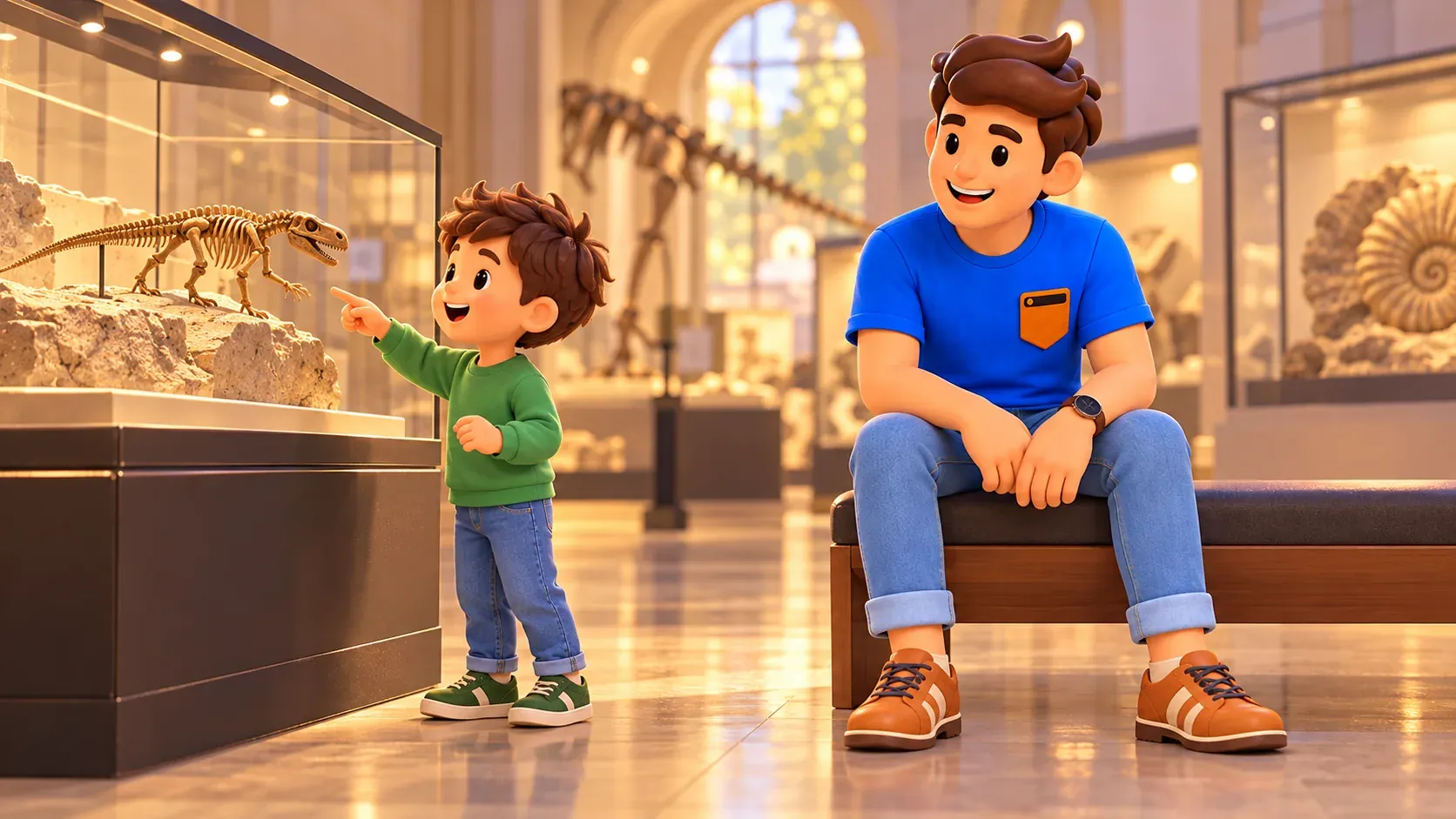
For a child interested in animals, fossils and the natural world, the Naturhistorisches Museum der Universität Zürich at Karl-Schmid-Strasse 4 is a useful anchor. In 2024, the university brought together its anthropology, botany, palaeontology and zoology museum disciplines. Expect collections and explanations rather than another zoo with living animals. That distinction can help a child choose the experience they actually want.
Admission is free. Regular opening is Tuesday to Sunday, 10:00–17:00, with Monday closed; check the holiday calendar separately. Thursday evening from 17:30 to 20:00 is for adults only and does not provide a family backup session. Children under twelve must be accompanied by an adult. Groups require advance online registration, so a large organised visit needs different preparation from an ordinary family outing.
Allow roughly an hour to ninety minutes for selected galleries, without trying to see everything. Suggest finding one especially unusual skeleton or comparing two animal adaptations. Read a label when it helps answer a question that has arisen. If the child spends a long time with one object, interest is already happening: there is no need immediately to move them towards the next case.
Afterwards, plan food separately and decide between a short nearby walk and transport back to the centre. The university district is above the river, so do not assume every approach is level or without stairs. The museum states wheelchair accessibility, but check the particular connection from your stop and the conditions your family requires. The building's accessibility does not automatically describe the entire street journey.
If stories, dressing up and journeys into the past appeal more, choose the Landesmuseum's family exhibition beside HB instead. It introduces history through play. Confirm the chosen section and the language of activities before visiting. Access with your own stroller there depends on exhibitions and visitor numbers; a rule from another institution should not be transferred automatically. Choose this as an alternative rather than an extra compulsory museum.
Do not add both simply because they lie in the central area. Select one and leave before curiosity becomes exhaustion. The adult reading and explaining needs a pause too. Remaining time can belong to ordinary play, a relaxed meal or a straightforward journey on familiar transport. It need not be filled with another ticketed doorway to make the afternoon count as travel.
Option three: lake, walking and space to play
In suitable weather, begin on the Bellevue side and follow the waterfront towards Zürichhorn and Blatterwiese. This suits a family seeking outdoor time and a flexible rhythm rather than a long interior visit. Completing the entire distance is unnecessary: travel closer to the park, spend most of the outing there and finish without repeating the whole walk back. Check a convenient return connection beforehand.
Zürichhorn has a large public playground and the green space of Blatterwiese. Play can be the main stop, with lake views accompanying it. A child need not first complete an adult photography programme. Divide the time so that play and food remain unhurried, without turning every move to another bench into a disagreement about the schedule. Adults can appreciate the setting while children pursue a different interest.
A lakeside outing does not automatically include swimming. That needs a separately chosen bathing facility, seasonal conditions and continuous adult attention; it is a different programme. For an ordinary park visit, use suitable paths and remain aware of nearby water. A playground neither replaces supervision nor guarantees every element is suitable for every age. Make decisions according to the actual conditions on site.
The park is free, while transport, food and additional admissions form separate costs. Think ahead about a picnic, choosing a permitted place and clearing up afterwards. Shorten outdoor time with rain, cold wind or strong heat. This option works through its easy stopping points, rather than a promise to remain beside the lake all day in any weather. The simplest version needs little beyond one enjoyable play session.
Check strollers, tickets and meals as separate needs
On ZVV transport, children under six travel free; ages six to under sixteen use the reduced fare until the day before their sixteenth birthday. Free travel for an older child with a parent needs a separate valid entitlement, such as a Junior Travelcard, and a valid ticket for the accompanying adult. Simply travelling together does not make every child's public-transport journey free.
Compare fares using the actual route rather than the number of planned sights. The return journey, ages, passes already held and relevant zones matter. Do not buy a city package just because its description mentions families. A compact day with a free museum or park can produce a different calculation from several paid visits. Check exact current amounts before departure instead of treating a generic saving as guaranteed.
A stroller needs the complete journey checked: platform exit, boarding, approach to the entrance and internal restrictions. A general accessibility label cannot replace those details. Think about food before everyone becomes very hungry; venues may have queues, a limited menu and specific rules about children's meals. Carrying an appropriate snack does not mean food is permitted in every exhibition room.
Before the main activity, identify toilets and agree where to meet if adults briefly separate. These are ordinary parts of a comfortable day rather than another sightseeing task. Easily reached weather-appropriate spare clothing and the child's familiar essentials may be more useful than buying many things just in case. Leave adults enough free hands for boarding, road crossings and helping with belongings.
Know when to shorten the programme
Use RoadMe to distribute the whole trip around interests and pace, leaving different days for animals, museums and walking. Families can preserve enjoyment when every day need not contain all their favourite activities at once.
Choose an understandable finish before setting out: after the main exhibition, lunch or playground time. If tiredness comes earlier, shorten the itinerary without inventing a compulsory replacement. Buying admission does not create an obligation to use every opening minute. Sometimes leaving after one successful observation is better than spending the next hour looking for a promised perfect moment that may never arrive.
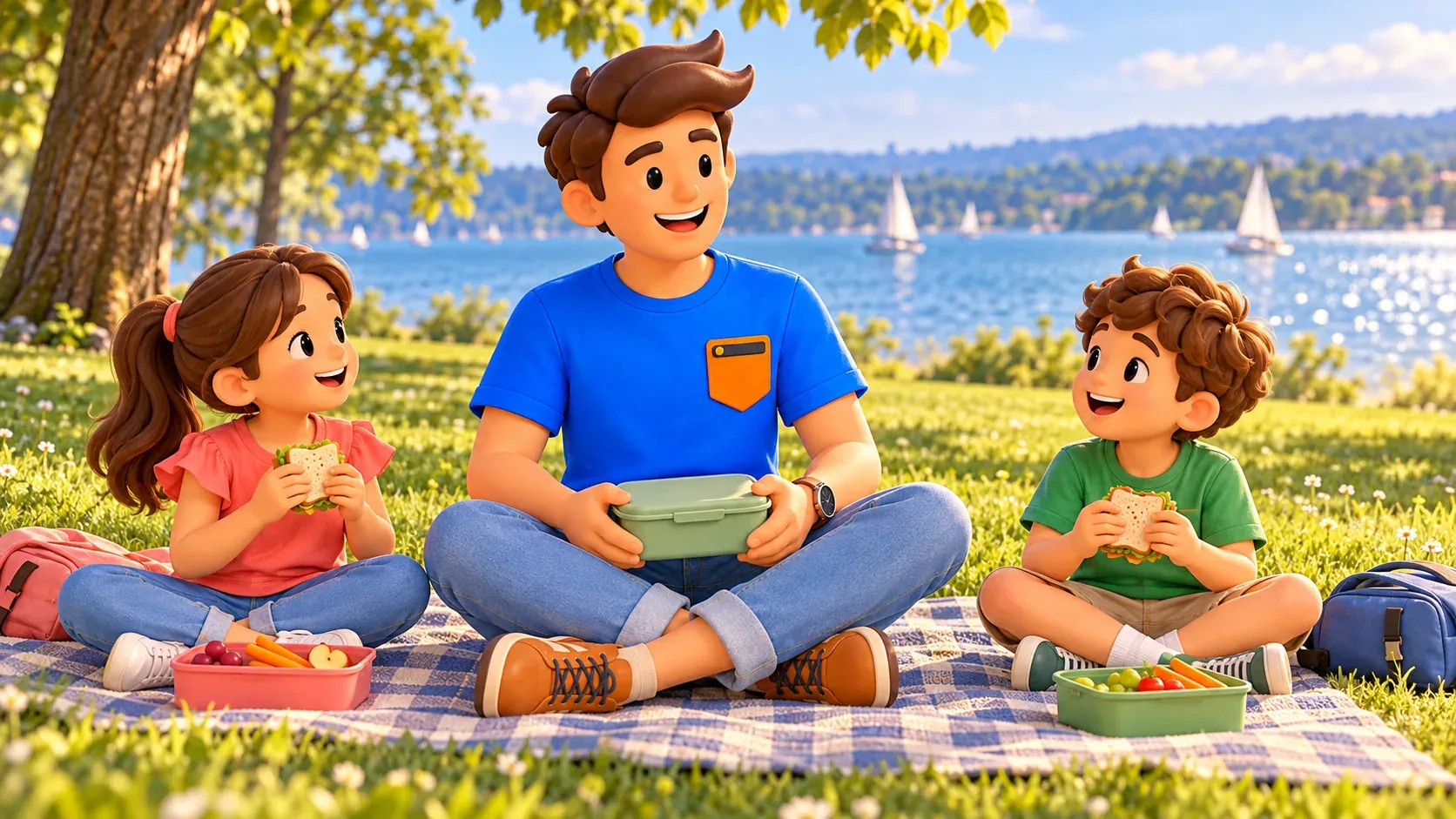
The zoo suits a dedicated day of observation, a museum a more compact discovery, and the lakeside park free movement in appropriate weather. Choosing one is enough. A good family experience of Zurich is remembered through an activity that could be shared and the energy remaining afterwards, rather than the number of marks on a sightseeing checklist.


