
Around the Old Botanical Garden: A Green Pause in Central Zurich
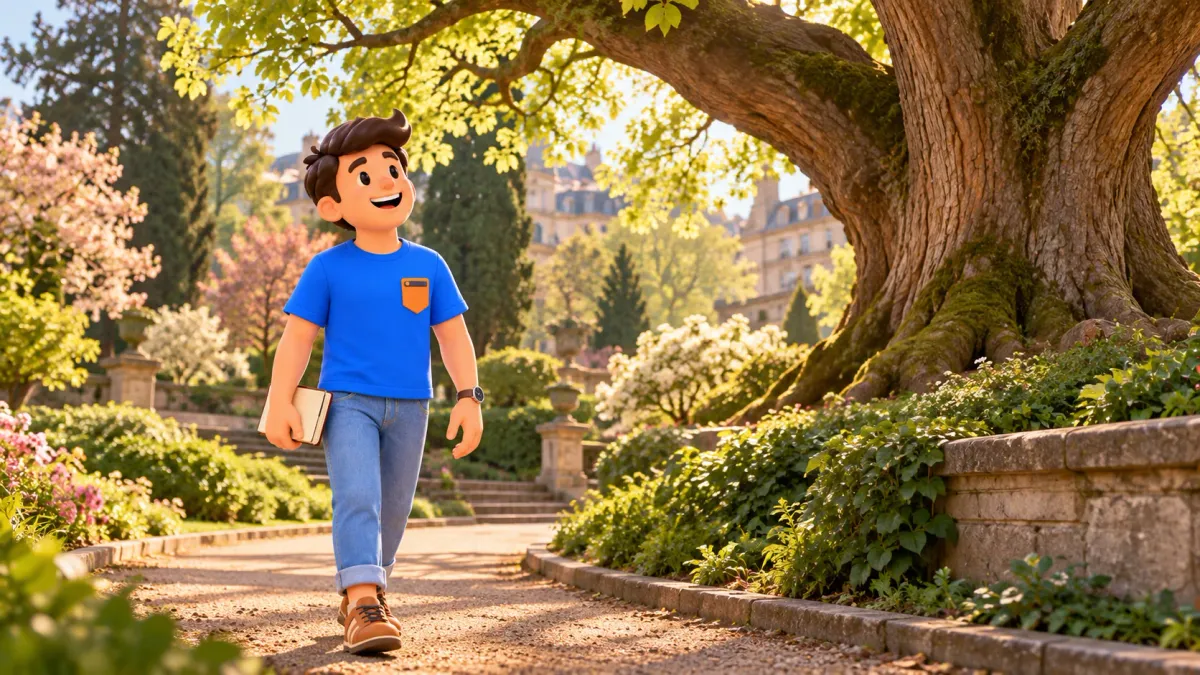
Zurich’s Old Botanical Garden works best as a deliberate pause, not as a hurried extra between two bookings. Its trees, small changes of level and historical traces offer a different kind of attention from the busy streets around it. You do not have to recognise a long list of plants to enjoy the place; it is enough to notice how a compact green space changes the rhythm of the centre.
This outing uses the garden as its main destination, with an optional short section beside the Schanzengraben afterwards. Allow roughly one to two hours including a real pause, an editorial estimate rather than a measured route time. A museum visit, an event or a longer waterside walk belongs to a separate decision. The route remains complete if you simply visit the garden and return to the surrounding streets.
Choose the old garden and the right address
Use Alter Botanischer Garten, Pelikanstrasse 40, as your destination. It is distinct from the university’s newer Botanical Garden on Zollikerstrasse with its tropical houses. A search result headed only “Botanical Garden Zurich” can send you to a different part of the city. Confirm the address before planning transport or arranging to meet someone, especially if you have only a short gap in the day.
A clear sequence is arrival from the public street, a first look at the trees and paths, a visit to the higher part if comfortable, then a quiet pause. Afterwards decide whether to add the Schanzengraben. Do not assume every boundary of the garden has a gate or that the most direct line on a map is an open entrance. Follow the actual signs and permitted paths.
For a green pause that fits your own day, try a personal route in RoadMe. The app takes your interests and pace into account, so you can leave room for trees, a short historical walk or simply time to sit.
Check the current gate notice when choosing a late visit. The garden has seasonal access arrangements, and different online pages may not agree on their transition dates. Do not treat it as an unrestricted shortcut after dark. Arriving with some margin is more useful than organising the whole pause around an assumed last entry.
Let the first trees set a slower pace
On entering, resist the urge to identify the next exit immediately. Look at the scale of an established trunk, the spread of its branches and the way the path moves around it. A mature tree does more than occupy a spot on a planting plan: it changes shade, sightlines and the amount of city you notice beyond the garden.
Choose a safe place where you are not blocking the path and compare two views from the same position. One might be towards planting and a quieter edge; the other may reveal buildings and the surrounding streets. That contrast is part of the garden’s interest. It does not need to feel remote to provide a break from the centre, and nearby urban sounds do not make the visit unsuccessful.
For photographs, vary the distance instead of repeatedly making the same wide picture. A trunk detail, the relationship between a path and a planted edge, and one broader view can tell a more coherent story. Do not step into beds for a cleaner angle or move backwards while looking only at a screen. The best pause is one in which you can stand comfortably and keep the route usable for others.
Understand why the garden rises above its surroundings
The garden was established in 1837 on the former “zur Katz” defensive site. This short history makes the changes of level meaningful: the ground was not simply an empty plot waiting for trees. It belonged to the city’s defensive landscape before acquiring a botanical and public role. You can keep that transformation in mind without needing a complete chronology of Zurich’s fortifications.
As you move towards the higher part, notice how the relationship with the neighbouring streets changes. Views open and close, edges become more apparent and the terrain starts to explain the name of a former strongpoint. Follow the permitted paths rather than searching for an imaginary exact outline of the old military works. The present garden is a later landscape, not an untouched defensive structure.
This is a useful place to distinguish layers of history. An older ground form, nineteenth-century botanical use and later ways of remembering science do not all belong to the same moment. If a story seems especially appealing, ask what period it actually concerns. That habit prevents the garden from becoming a single picturesque but misleading label such as “medieval garden”.
The Gessner garden is a way into the history of plants
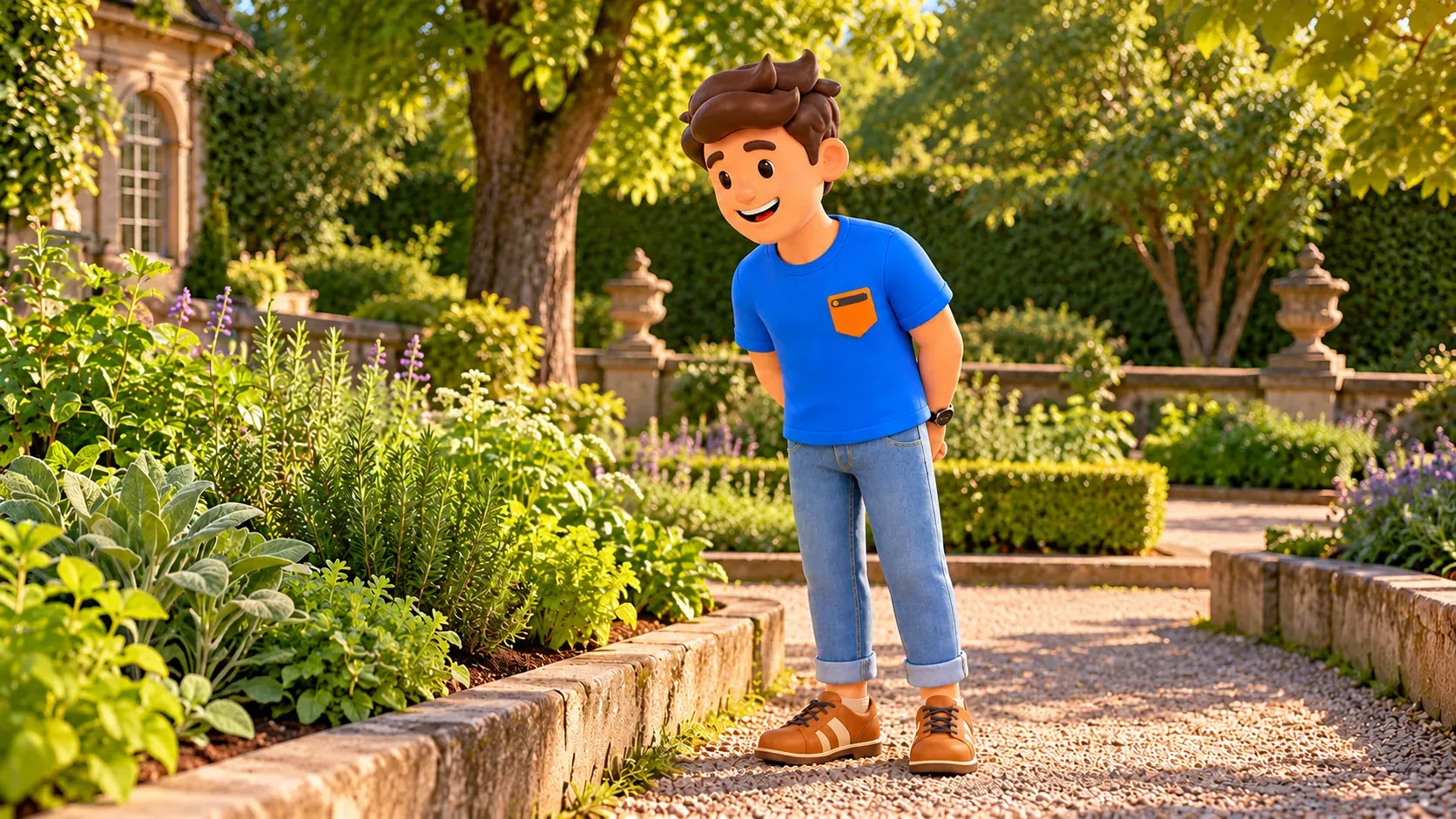
The herb garden in the higher part honours Zurich naturalist Conrad Gessner and introduces historical knowledge about useful plants. Treat it as a place for reading and comparison rather than as a collection to handle. Follow the planting labels and current on-site explanations; do not expect every plant to look equally conspicuous in every season.
Look at differences of form, growth and arrangement from the path. If the historical use of a plant interests you, keep that separate from an assumption about present-day suitability or safety. The display concerns a history of knowledge, not personal treatment advice. Do not harvest, taste or pick a specimen to make the subject more memorable. Leaving the collection intact is also the simplest way to respect other visitors.
The name Gessner should not make you assume that every bed survives unchanged from his lifetime. A commemorative garden and an original sixteenth-century plot are different things. Here, the helpful question is how later visitors are invited to think about earlier plant knowledge. You can explore that through a few careful observations instead of reading every label as if it were an examination.
Look at the Palm House from the outside first
The historical Palm House adds an architectural contrast to the trees and beds. Begin by looking at the relationship between its light structure and the surrounding garden, without assuming the doors will be open. Its present use and events have their own arrangements. This is not the tropical-house visit offered at the newer Botanical Garden, and a closed pavilion does not remove the value of the outdoor walk.
Notice how a small building becomes a landmark in a compact landscape. You can observe proportions, transparency and the transition from path to entrance from permitted public areas. There is no need to imagine the inside or promise a permanent display. If a concert, exhibition or other activity interests you, check its actual date and access separately instead of treating it as something included in ordinary garden entry.
Photographing a building at the edge of a path can be awkward when several people stop together. Let others pass and take a position away from the door. If the light or activity makes your preferred picture impractical, choose a detail or a different relationship with the trees. A simple image can convey the character without pretending to document every part of the building.

Make sitting part of the itinerary
Find an available permitted place to rest and let it be a proper stop. A green pause does not require continuous activity. You can notice light moving across leaves, the difference between close and distant sounds, or simply the change after walking through busy streets. No particular bench is guaranteed, and sharing a small garden means accepting that the quietest spot may already be occupied.
If travelling together, this is a good moment to discuss what each person wants from the next part of the day. One may need food, another a shorter walk, another time for a museum. Those differences are easier to accommodate before setting off along another route. Check any café or restaurant separately rather than assuming a garden visit includes a convenient on-site service.
To keep the rest of the day at a comfortable pace, you can adjust the stops in a personal plan in RoadMe. Keep the places that match your interests and preserve the pause instead of filling every free interval with another attraction.
With children, choose a modest observation such as comparing leaf shapes or finding a change in shade. This is a garden setting rather than an invitation to run through planted areas. Keep the activity brief enough that the pause stays restful for everyone, and follow the site’s visitor rules rather than borrowing the expectations of a large playground.
Add the Schanzengraben only if it suits your return
After the garden, an optional short walk beside the Schanzengraben can extend the change of pace. Use a signed public exit and a recognised access to the waterside path. Do not search for a shortcut over the garden boundary or assume the lower promenade connects directly with every gate. The distinction between street level and water level matters more than the apparent closeness on a flat map.
Once on the promenade, choose a short section that leaves a clear way back to your next destination. You do not need to follow the water all the way to the lake. Its changing direction and lower position create a different experience from the Limmat’s open river views. Look at the relationship between retaining edges, planting and the narrow passage instead of expecting a broad waterfront panorama.
Steps, narrow places and current access conditions make this extension a separate choice for pushchairs or reduced mobility. The garden pause can remain worthwhile without it. If the approach is unsuitable, keep to the public street network rather than insisting on a continuous waterside route. This article does not provide a certified step-free circuit or a live closure check.

Choose the season without promising a particular display
In spring and summer, attention may fall on growth, shade and the length of time you want to stay outside. In autumn, changing leaves can give the same paths a different character. In colder months, structure and bark may be more interesting than expecting flowers. None of those observations requires a promise that a particular plant will be at its best on your visit.
Rain can make paths and edges less comfortable; choose shoes with dependable grip and shorten the circuit if needed. In wind, follow any safety restrictions and avoid treating the most dramatic tree view as an obligation. The garden is an outdoor space within a working city, so maintenance and temporary limits are normal possibilities. Adapt to actual conditions rather than comparing the day with an ideal photograph.
Before returning to the streets, choose a clear end: leave the garden, complete your short waterside section or move to a separately planned indoor visit. A successful green pause does not have to become a full sightseeing day. Its value may be that you leave with steadier attention, a small piece of history and enough energy to enjoy what comes next.


