
Zurich for Free: A Day of Views, Parks and Old Streets
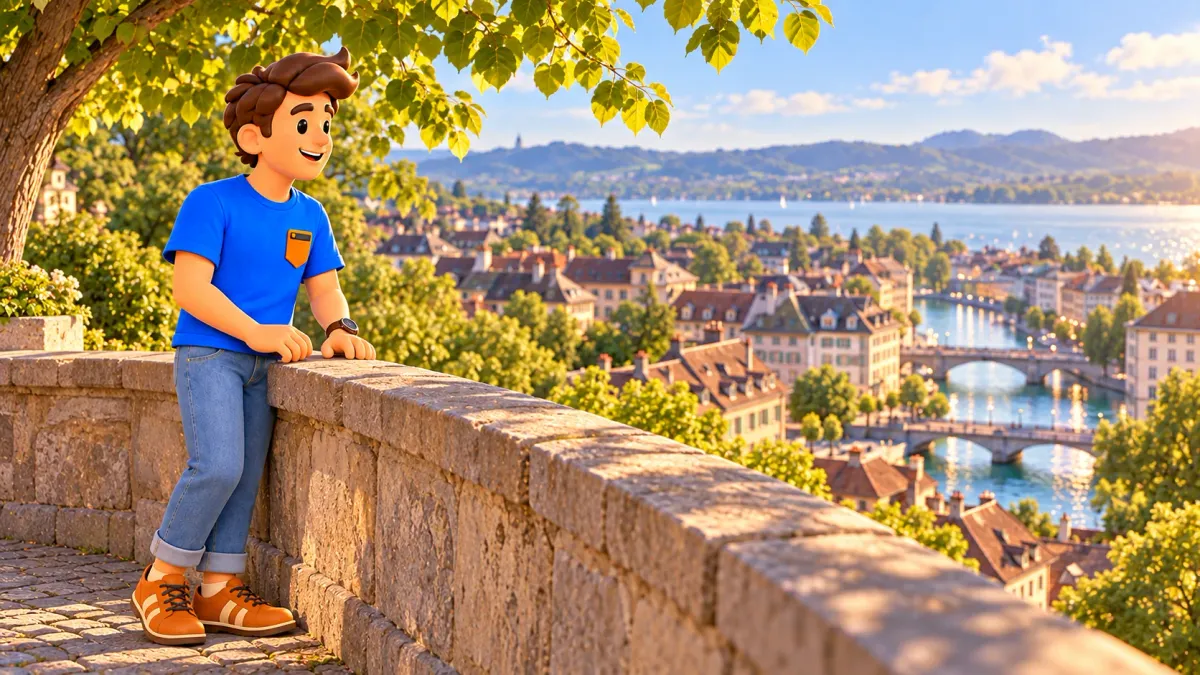
A worthwhile day in Zurich does not require a museum ticket or a paid tower climb. Public squares, old streets and parks reveal several different sides of the city: a river view, dense central streets, quiet greenery beside Schanzengraben and an open lakeshore. The idea is not to chase discounts, but to enjoy an independent walk with a clear start and an unhurried ending.
Begin at Zürich HB, continue to Lindenhof, then through the St. Peterhofstatt and Münsterhof area to the Old Botanical Garden. After a break, reach Bürkliplatz and follow General-Guisan-Quai to the Arboretum. Main stops require no admission ticket. Food, travel to the start and the journey back are separate costs. Allow roughly four to six hours with rest: an editorial guide rather than a measured duration for every walking pace.
What a free-admission day means
RoadMe helps you prepare a personalised plan for the whole trip around interests and pace. For a day without paid admissions, select several public spaces and leave time to look at each properly.
This programme needs no compulsory entry tickets or tourist pass. It does not promise zero spending throughout the day: accommodation transfers, lunch and additional visits remain your choices. Account separately for any transport ticket already held. An included benefit in a purchased package and admission without buying anything are different arrangements. Distinguishing them makes the budget easier to understand before setting out.
Bring comfortable footwear, weather-appropriate clothing and water. Choose a modest meal or a picnic in a permitted place in advance if useful. Saving money need not become a competition against personal comfort. Sitting on a public bench and looking at the city is a valid activity without a compulsory coffee purchase. A café, if wanted, can simply be a separate break.
The itinerary offers an independent daytime introduction but is not confirmed as entirely step-free. Lindenhof approaches involve slopes, and old-town connections can contain steps or uneven surfaces. Select an appropriate approach beforehand or omit the hill if necessary. Free admission says nothing about ease of access. Weather, fatigue and your comfortable pace still determine what makes a good day.
From the main station to Lindenhof
Begin at Zürich HB, continue towards Bahnhofstrasse and then Rennweg for a Lindenhof approach. Use designated pedestrian crossings around the station. There is no need to spend long at shop windows: notice the transition from a broad shopping street to tighter old-town connections. The ascent becomes part of a change in scale rather than an interruption between two compulsory photographs.
Lindenhof occupies a hill with views towards the right bank of the Limmat, the old town and university buildings. Stop without a ticket and compare the water line with dense houses. Do not promise yourself a complete circular view of Zurich or Alps in every weather. Its interest is a particular urban perspective, observed slowly from the ordinary surface of the square.
The hill belongs to the settlement's early history, the Roman period and later royal presence. For this walk, understanding several historical layers beneath a public space is enough. Do not look for entry to the closed archaeological Lindenhof-Keller: the open square and underground room have different arrangements. This free day does not depend on access to the cellar or on a scheduled guided visit.
Look broadly first, then select one fragment: the river line, roofs or contrast between trees and façades. After a photograph, put the phone away for a little longer. Events and visitors mean quiet is not guaranteed. Choose a permitted position without obstructing others and shorten the pause if the next, less busy part of the walk would suit you better.

Old streets and Münsterhof without compulsory interiors
Descend by an appropriate route into the Rennweg area and continue towards St. Peterhofstatt. Look at spaces between buildings: a turning passage, differences in height and a small square before another street. Entering every doorway or reading every plaque is unnecessary. A detail noticed independently often holds attention better than continuously changing named attractions. Let the street itself provide some of the day's interest.
Continue to Münsterhof on the western side of the centre. Its 2015–2016 renewal removed the former parking function. Notice how buildings shape its edges and how scale changes after narrow streets. It is a stop in its own right, not merely waiting for the next church interior. The square's arrangement can be appreciated without buying admission anywhere.
Church interiors, stained glass and towers are not included in this free plan. Each has its own opening, services, restrictions and possible charge. Check a particular interior before adding it and adjust the time. A building standing on a public square does not make every doorway freely accessible. The independent walk remains worthwhile without those additions or a promise of seeing a famous window up close.
No Rathausbrücke crossing is required. Replacement work is underway there in 2026, so use actually open street connections and signs. Do not repeat an old diagram through a closed area to save a few minutes. A clear diversion serves an unhurried walk better than repeatedly comparing the real city with photographs from before construction began.
The Old Botanical Garden: change from streets to greenery
From Münsterhof, pass through the Paradeplatz area towards Talacker and Pelikanstrasse, using the Old Botanical Garden address, Pelikanstrasse 40. This is the central garden beside Schanzengraben, not the university's newer botanical garden at Zollikerstrasse 107. The two locations are easy to confuse during a quick search. This itinerary needs the old garden, which continues as a public park.
Admission is free, but the garden has gate-opening hours. Check the current schedule for the old site specifically. Outdoor and tropical-house hours at the newer garden should not automatically be transferred here. Visit in daylight and keep the option to continue if a temporary restriction applies. A closed gate does not require finding an unofficial entrance or changing the whole trip.
Inside, pause away from façades and traffic. Notice crown shapes, different leaves and how greenery separates the space from surrounding streets. There is no need to pretend you have left the city: botanical heritage beside a dense centre is the interesting relationship. Do not pick plants or cross planting beds as a shortcut to an exit or photograph.
Sit if a suitable place is available. The park need not become another rare-species checklist before lunch. One attentive observation of a tree or path arrangement is enough. With a child, explain the difference between ordinary garden relaxation and active play on a dedicated playground. Botanical planting is not intended for climbing and collecting, even when admission costs nothing.

Lunch and the connection to the lake
Give food separate time after the garden. Choose a previously bought meal and a permitted resting place, or a venue within your own budget. A nearby restaurant guarantees neither a free table nor a low price. A simple meal does not diminish this walk, and a café stop does not change the fact that main places require no admission ticket.
Then continue towards Talstrasse and Bürkliplatz on open streets and designated crossings. Descending to every path beside Schanzengraben is unnecessary: particular approaches can include stairs. An ordinary street connection preserves the itinerary's purpose. At the waterfront, finish crossing the transport area before selecting a stopping place, rather than taking photographs in the middle of circulation.
At Bürkliplatz, notice the change from small squares and garden greenery to a wider expanse of water. Boarding a boat is not required to count the lake as seen. A cruise is a separate paid choice or a benefit included in a particular purchased product. Even a short shore view can become a distinct experience without hurrying towards an obligatory departure.
General-Guisan-Quai and the Arboretum
Follow the western waterfront through General-Guisan-Quai to the Arboretum. This is a park ending rather than a long circuit of the lake. Choose a comfortable distance and preserve time to return. Compare the promenade's straighter line with the freer arrangement of green space. Ordinary pedestrian positions are enough for photographs; no approach to the water's edge or occupation of a whole passage is needed.
The Arboretum opened in 1887 as part of Zurich's quays. Trees were grouped according to geographical, systematic and historical principles, bringing a scientific collection into a landscape park. This idea reveals more than simply an attractive lawn. Notice tree groups and contrasting crowns without trying to identify every species from memory. The park continues to be renewed while belonging to everyday public recreation.
Choose an available permitted place at a comfortable distance from water. End with reading, conversation or quiet observation of the shore. Fine weather can bring many visitors, so solitude is not promised. Swimming does not automatically belong to a park programme and requires a separate assessment of conditions. If weather changes, finish earlier: free admission creates no obligation to remain outside for the remaining hours.
Change the day without losing control of the budget
Use RoadMe to distribute the whole trip around interests and pace, leaving different days for parks, museums and paid visits. A free-admission walk can be a complete day rather than a gap between ticket purchases.
With heavy rain, replace the main programme instead of trying to complete every outdoor space. The free Naturhistorisches Museum UZH, for example, follows its own calendar. It is another district and another daily structure, not a guaranteed covered connection along this route. Check date, access and approach before switching. A place appearing on a free-attractions list need not admit everyone to every section daily.
Do not automatically add Uetliberg transport, a Polybahn ride or a tourist cruise as supposedly free extensions. Access to public space and the transport fare are separate. An appropriate pass already held can change your calculation without making the service free for every reader. This walking plan needs none of those additions to remain complete.
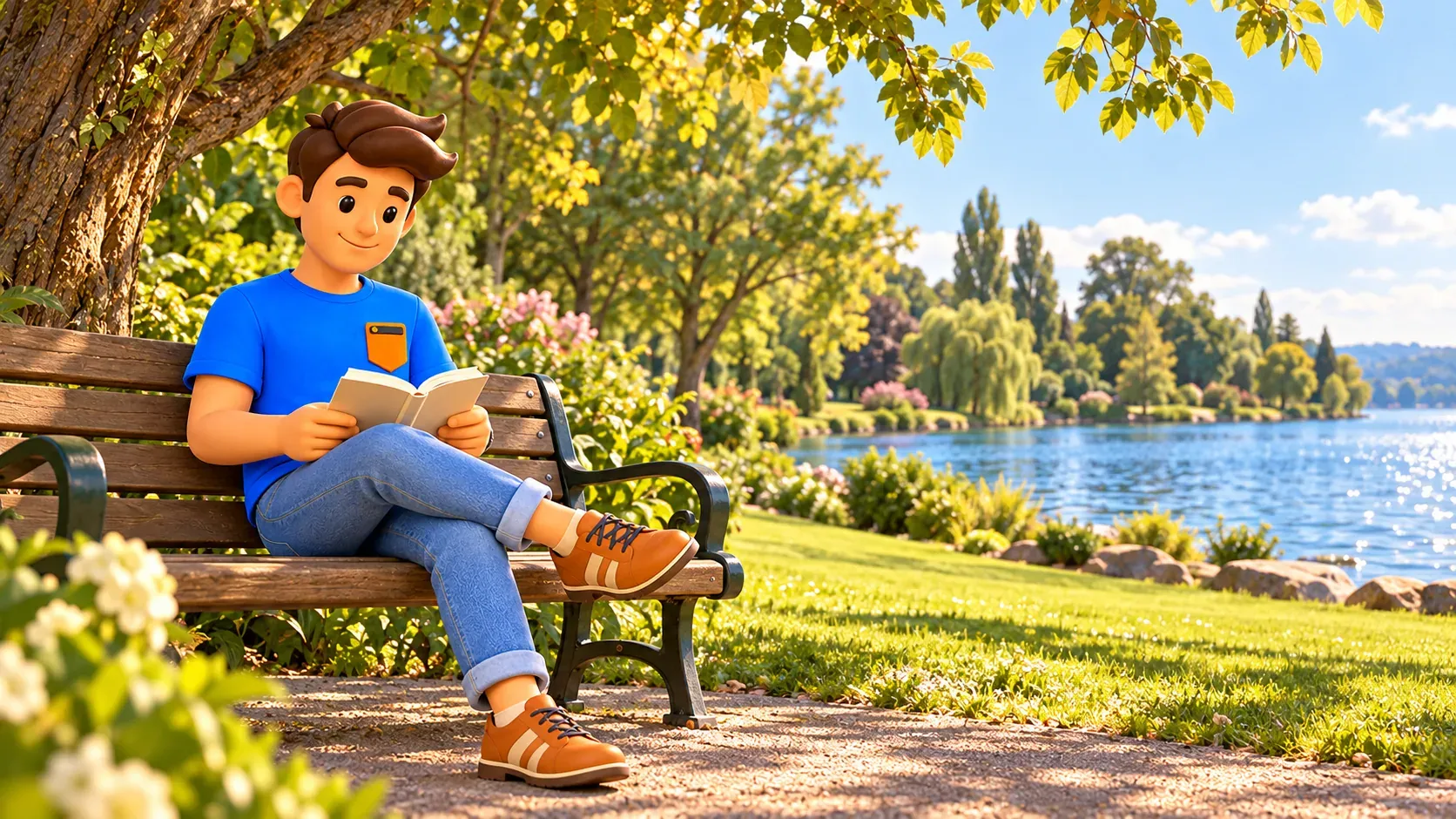
For a shorter day, retain Lindenhof, old streets and Münsterhof, or begin directly at the lake and spend time in the Arboretum. Success is several different city spaces observed without haste: a view, changing street scale, greenery and water. That is enough for a Zurich day that requires no compulsory admission purchase.


