
Yedikule and Samatya: A Half-Day Walk by Istanbul’s Old Walls
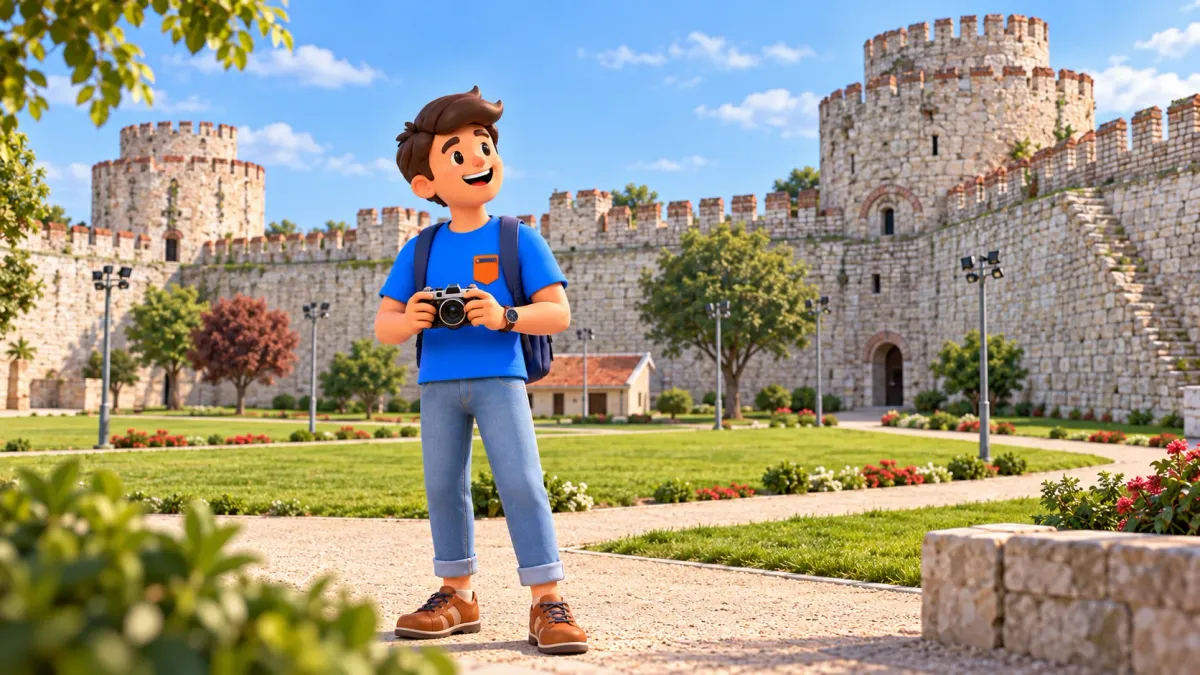
Yedikule and Samatya offer an Istanbul outing with a satisfying change of scale. Begin with a fortress, then move into streets where a doorway, a shop window or a table gradually becomes more interesting than another monumental view. The point is to connect one substantial historic landmark with an unhurried neighbourhood walk. Give this southwestern part of the historical peninsula its own space in your trip and the afternoon acquires a clear identity.
Allow around four hours after arriving in Yedikule for the exterior-led version: a fortress introduction, the direction of Studios Monastery, Samatya's streets and a long lunch or coffee. If entering the fortress is your priority, plan a fuller half-day and confirm arrangements first. All timings below are editorial allowances rather than measured journey times. Travel from your accommodation, transport waits and substantial interior visits are additional.
A simple sequence: fortress, neighbourhood, lunch
Start at Yedikule, continue through public streets towards Studios Monastery, also known as İmrahor, and carry on towards Samatya's square. Finish after eating, choosing a suitable approach to Kocamustafapaşa station or other transport. This creates a readable story: a large fortification, a trace of monastic history, everyday streets and a proper pause. You can enjoy the sequence without collecting a long list of extra landmarks along the way.
Turning this idea into a complete personal trip is much more convenient in RoadMe, which develops an itinerary around your interests, available days and comfortable pace. Choose whether history, neighbourhood walks or food matters most, and give Samatya a place that fits your own Istanbul.
Allow thirty to forty minutes for an exterior introduction to Yedikule, twenty-five to thirty-five for the walk towards İmrahor with stops, and fifteen to twenty for an available external view of the monastic monument. Give Samatya's streets forty to fifty minutes and lunch about an hour. The remaining allowance covers orientation and the transport approach. Treat these as adjustable blocks: a pleasant conversation can deserve more time than another photograph.
Beginning with the fortress makes sense while attention and energy are fresh. Leave the second part for streets and food. If a reserved fortress visit dictates a different time, build the day around that appointment. Move lunch or shorten the free wandering rather than trying to fit every original block into the same four hours. One clear decision is more useful than a timetable that grows increasingly difficult to follow.
Yedikule: start by understanding its scale
The Ottoman fortress was created under Mehmed II in the fifteenth century behind the Byzantine Golden Gate. Its name refers to seven towers, and it later served as a prison. These few facts give the stop its context: a city boundary links different periods. You do not need a detailed succession of rulers to appreciate how a substantial defensive place can carry changing purposes through time.
Begin far enough away to read the outline of the visible section. Look at how a tower connects to a wall and how small an opening appears against the surrounding masonry. Then approach along a permitted route and choose one detail. Moving between an overall impression and a fragment makes the scale understandable. It also keeps the stop interesting for someone who enjoys places visually without wanting a long historical explanation.
A simple photography exercise works well here: one broad composition, one vertical detail and one image that communicates human scale. A high viewpoint is optional. Looking upwards from the ground already conveys the fortress's weight, and a thoughtful frame often tells more than a large collection of nearly identical photographs.
Entering is a separate choice. Check the organiser's current visiting arrangements, including the session, any reservation requirement, price and accessible sections. If this is the day's main interest, add roughly an hour to ninety minutes as a planning allowance for a visit. Follow the actual permitted route inside. The external introduction remains a worthwhile beginning when entry does not suit your timing or preferred level of physical effort.
Walk towards İmrahor and change your focus
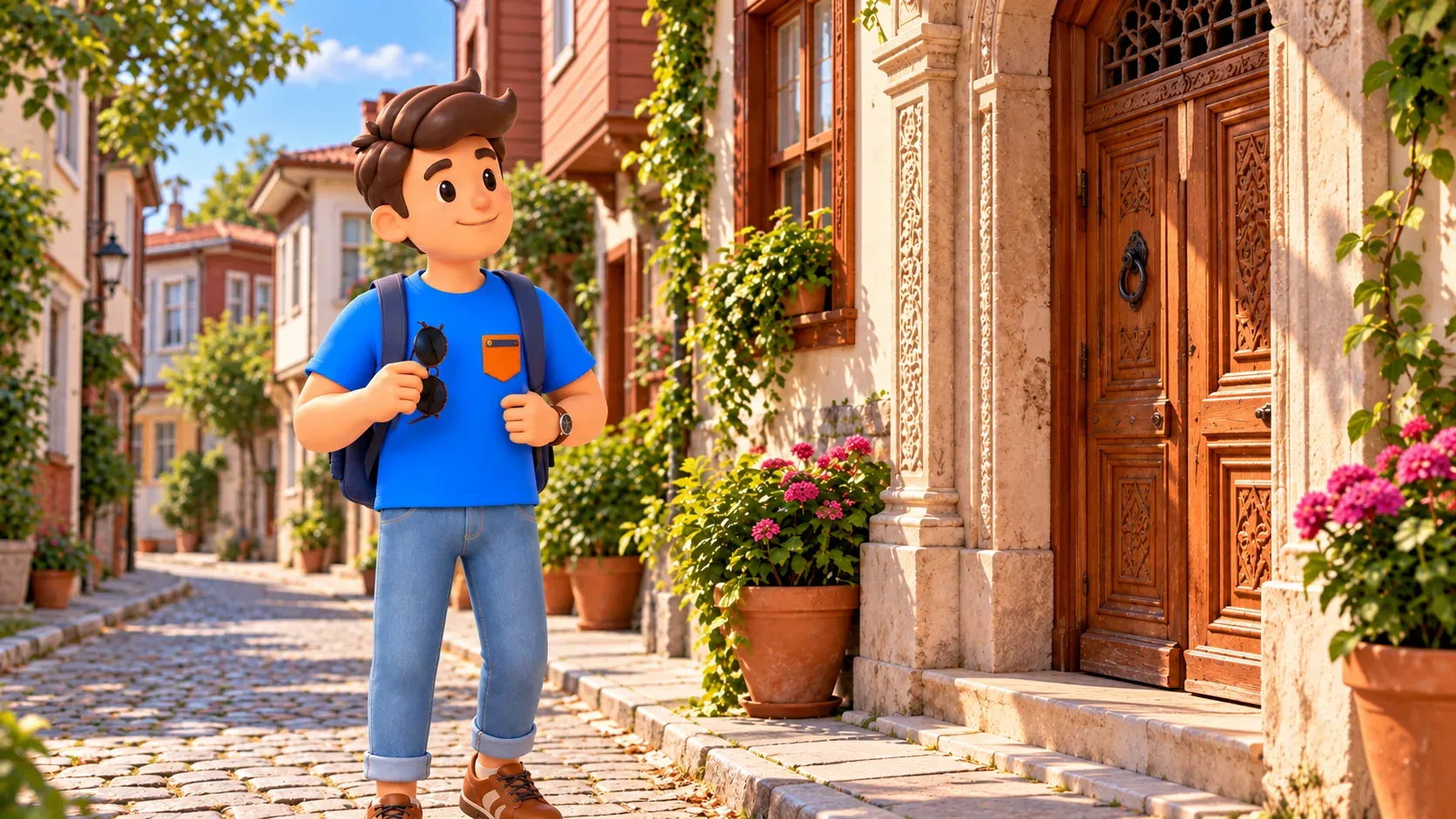
Head towards Samatya through understandable public streets, using Studios Monastery / İmrahor as the intermediate reference. The transition matters in its own right. After the fortress, bring your attention closer: doorways, facade materials and the shape of a small junction offer a different kind of interest. You can enjoy the change without identifying every building or assuming each older-looking surface belongs to the same period as the walls.
Choose a small theme for this section. Compare entrances, notice combinations of wood and stone, or look at how a shop meets the pavement. Two or three examples are enough. In a group, this creates something to discuss besides the distance to the next stop. People can share a favourite detail, then move on together. The street becomes part of the experience without turning into a demanding architectural survey.
Leave space for an ordinary practical pause. Buy water, adjust the contents of your bag or check the next direction before reaching the monument. If a small shop attracts you, count the visit as neighbourhood time. There is little reason to repay ten enjoyable minutes with a hurried march afterwards. Unless you have made a reservation, the square does not require your arrival at an exact minute.
Studios Monastery: a short stop with another historical layer
The site is known both as Studios Monastery and as İmrahor Mosque. A Byzantine monastery and its later conversion to a mosque explain the different names. For this walk, that relationship is the useful starting point. It places a further layer between the fortress and the surrounding residential streets, while leaving detailed religious and architectural history for a more focused visit if the subject catches your interest.
Plan around an introduction from accessible public space outside. The monument's condition and visiting arrangements can change, so the day should not depend on entering the ruins. If the view is limited, acknowledge the site and continue. A short stop can still make sense when it explains what once occupied this part of the neighbourhood. Its value is not measured only by the number of rooms or surfaces you can examine closely.
Try one question: what makes an old structure distinguishable in a modern street? Look at the height of a surviving wall, an opening or materials that differ from neighbouring buildings. Avoid assigning precise dates to individual stones without an explanation on site. A first encounter only needs a useful contrast. Keeping a question for later reading can be more rewarding than trying to settle every uncertainty during the walk itself.

Give Samatya's streets time to work
The direction towards Samatya's square holds the route together, but this part allows more freedom. Slow down between stops and choose somewhere pleasant to linger. A window, a short side street or the search for a comfortable table can become the memorable part. You are looking for a neighbourhood experience, so the walk benefits from a little attention that is not attached to a named attraction.
Take one small detour with an obvious return to the main direction. That gives you a chance to explore without spending an hour hunting for a perfect street. With different interests in the group, agree on a short photography pause followed by something everyone enjoys. Camera enthusiasts get their moment, and companions can look forward to lunch instead of waiting indefinitely beside another person's doorway or parked vehicle.
The area's cultural layers may encourage curiosity about religious buildings, but there is no need to enter every courtyard. If a church interests you, first see whether visitors are admitted. Keep the approach quiet and ask before photographing people. An exterior introduction can be enough, particularly when the day's main theme is walking and food. Respectful observation gives a place room to continue its ordinary life around you.
For children, offer a single task: find three window shapes, or choose the piece of masonry that seems most impressive. Adults often benefit from the same principle of one clear focus. Shorten transitions and pause more frequently if necessary. A relaxed shared experience is easier to remember than a list of names reached with increasing fatigue. There is plenty of room to shape the afternoon around the people actually taking it.
Make lunch part of the outing
Leave a substantial pause in Samatya. Decide whether you want a snack and coffee or a longer sit-down meal, then choose somewhere that suits the time you intend to spend. Look at the menu and prices before ordering. At a fish restaurant, ask whether the amount is for a portion, a weight or a whole fish, and what accompanies it. A short conversation at the beginning makes the meal easier to enjoy.
You do not need a large spread to make the lunch feel worthwhile. A few meze, a main course or a simple light meal can all fit the day. Discuss portion sizes and everyone's preferences first. For dietary restrictions, ask about the actual ingredients: a familiar dish name does not guarantee the absence of dairy, nuts, fish or another ingredient that matters to you. Choose for the people at the table, rather than an imagined checklist.
Over the meal, compare what stayed with you most: the fortress, the monastic trace or the neighbourhood streets. That answer helps choose another day. Someone drawn to the walls may enjoy a different section of the historic boundary. If smaller streets are the attraction, leave a separate outing for Fener and Balat. Today's satisfying finish can remain a table and a conversation instead of another major programme.

Finish comfortably and fit the walk into your trip
Before leaving, take a few minutes to gather your things and choose the next step. If everyone is content, the route is complete. If you want more, choose a short nearby stroll instead of automatically crossing the city for a new museum. Samatya keeps its own identity when the end is allowed to feel settled.
Choose transport from your actual location. Yedikule and Kocamustafapaşa are useful station names on the Sirkeci–Kazlıçeşme line, shown as T6. Check the current direction and the station entrance that suits your approach. The journey home depends on where you are staying. A familiar interchange name alone does not tell you how long the remaining transfer or walk to your accommodation will take.
In hot weather, shorten the exposed fortress introduction and preserve an indoor rest; in rain, reduce optional street loops. Food-focused visitors can start later and keep the fortress external. History enthusiasts can give it the main free block instead. For another day, the walk around Chora, Tekfur and Edirnekapı offers a different view of the city's historic boundary and deserves its own time.
Using the whole personal plan is more convenient in RoadMe, where your interests, chosen places and days form a coherent trip itinerary that stays easy to consult. Download Istanbul beforehand while connected to the internet to use maps and navigation offline afterwards.
The pleasure of this outing lies in its rhythm: a large historic beginning, a smaller monastic reference and time to sit in a neighbourhood. Keep that progression and several hours become a distinct memory of Istanbul. You can leave with a clear sense of the places you encountered, with enough energy for the rest of the trip and curiosity about what you might explore next.


