
Why Chicago has so many museums of different cultures
Chicago’s cultural museums are not simply smaller versions of its large downtown institutions. Many ask a different starting question: how can a community collect, interpret and share its own experience? The answer may involve art, family papers, memories of migration, neighbourhood life or work made by artists today. Together, these institutions offer several ways to understand the same city.
The National Museum of Mexican Art, Swedish American Museum, Ukrainian National Museum, Chinese American Museum of Chicago and National Museum of Puerto Rican Arts and Culture make useful examples. Their histories and missions differ. Reading them together suggests why cultural memory takes many institutional forms, rather than fitting neatly into one museum that tells every story from the same position.
Begin with who is telling the story
A museum does more than hold objects. It chooses what to collect, how to describe it and which questions to bring forward. Community institutions make that work especially visible because they often connect collection-building with people who recognise the material through family or local experience. The result is not a single universal voice, but another perspective within the city’s historical conversation.
Build your personal Chicago trip with RoadMe around your dates, interests and preferred pace. Choose cultural stories that matter to you within the whole journey, with time for galleries, neighbourhoods and travel.
The Chicago Cultural Alliance connects cultural heritage institutions and emphasises communities’ own voices and collaboration. That provides a useful frame for reading the museums here. It does not mean they form one centrally programmed attraction. Each has its own collection, history and choices, and no single visit can stand in for every person associated with a cultural identity.
This article considers why such institutions matter, rather than ranking cultures or prescribing a circuit through all five museums. The examples are spread across different parts of Chicago. Select a question that interests you and a visit that fits your day. Understanding the overall idea does not require collecting every museum entrance as proof that you have experienced the whole city.
Art can give a community room to speak for itself
The National Museum of Mexican Art grew from an initiative by educators in 1982 and opened to the public in 1987. Distinguishing the founding from the opening makes its development clearer. Its mission centres Mexican art and culture across the border, offering a voice shaped from within the community rather than treating that culture only as a subject selected by others.
The important distinction is not simply between a large and small collection. It is between different positions from which an artistic story can be told. A work may belong to a local conversation, a wider artistic tradition and an individual artist’s practice at once. A visitor can look for those relationships without assuming that every work delivers the same message.
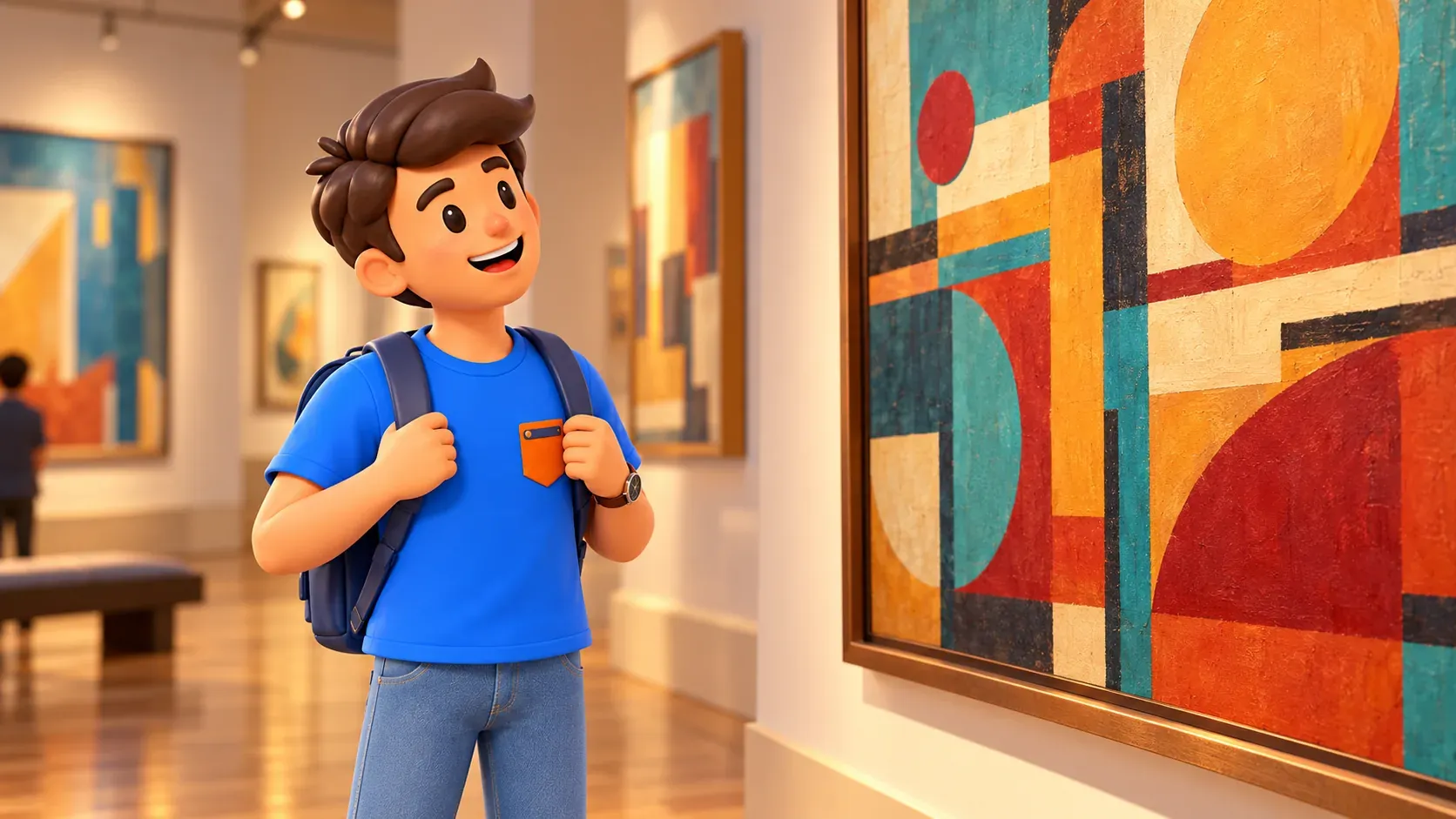
Do not reduce a cultural art museum to a display of traditional craft or annual celebration. Contemporary practice can be part of cultural continuity too. Read the artist’s name, the date and the museum’s explanation before assigning a work a representative meaning. An individual work need not summarise an entire country, and the person who made it need not speak for every member of a community.
For your own observation, choose one work that holds your attention. Notice what first attracted you, then read its context and look again. The second encounter may change the first impression. This simple process makes room for the museum’s voice and the artist’s particular decisions, rather than relying only on what you expected a cultural museum to contain.
Migration stories connect objects with lives
The Swedish American Museum in Andersonville interprets the immigrant experience and contemporary Swedish American culture through collections, arts and education. Its connection with a neighbourhood adds another scale to the story. A museum can discuss a wider movement while also relating it to the ways people settled, worked and built institutions in a specific part of Chicago.
That is not a claim that every present resident of Andersonville has the same ancestry or that a neighbourhood remains unchanged. Heritage is one layer in a living place. Reading it well means noticing continuity alongside later arrivals and different uses. A cultural association can remain meaningful without turning the whole area into a fixed historical scene.
An ordinary object becomes useful when its context is clear. Instead of asking only whether it is rare or beautiful, ask whose experience it records and how the museum established that link. This is a way of reading an exhibition, not a promise that one particular object will be on display. Collections and presentations change, and the relevant question can travel with you.
For children and adults alike, the value of a migration story may lie in recognising decisions rather than memorising a list of dates. What was kept, what was adapted and how was a connection maintained across generations? Let the particular exhibition supply its evidence. Do not assume that every family followed the same journey or reached the same conclusion.
Archives preserve material that can otherwise become scattered
The Ukrainian National Museum, founded in 1952 by displaced scholars and supporters, brings archives into the discussion alongside art and cultural heritage. Its history shows a purpose of maintaining continuity in a new setting. An institution can gather material that might otherwise remain dispersed among households, organisations and personal collections, making it possible to study relationships across individual lives.
This archival role differs from presenting a single grand object in a gallery. A photograph or document may matter because of the information it connects, not because it was created as a work of art. Yet a museum’s archives and its publicly displayed selection are not the same thing. A collection existing in the building does not guarantee unrestricted visitor access to every item.
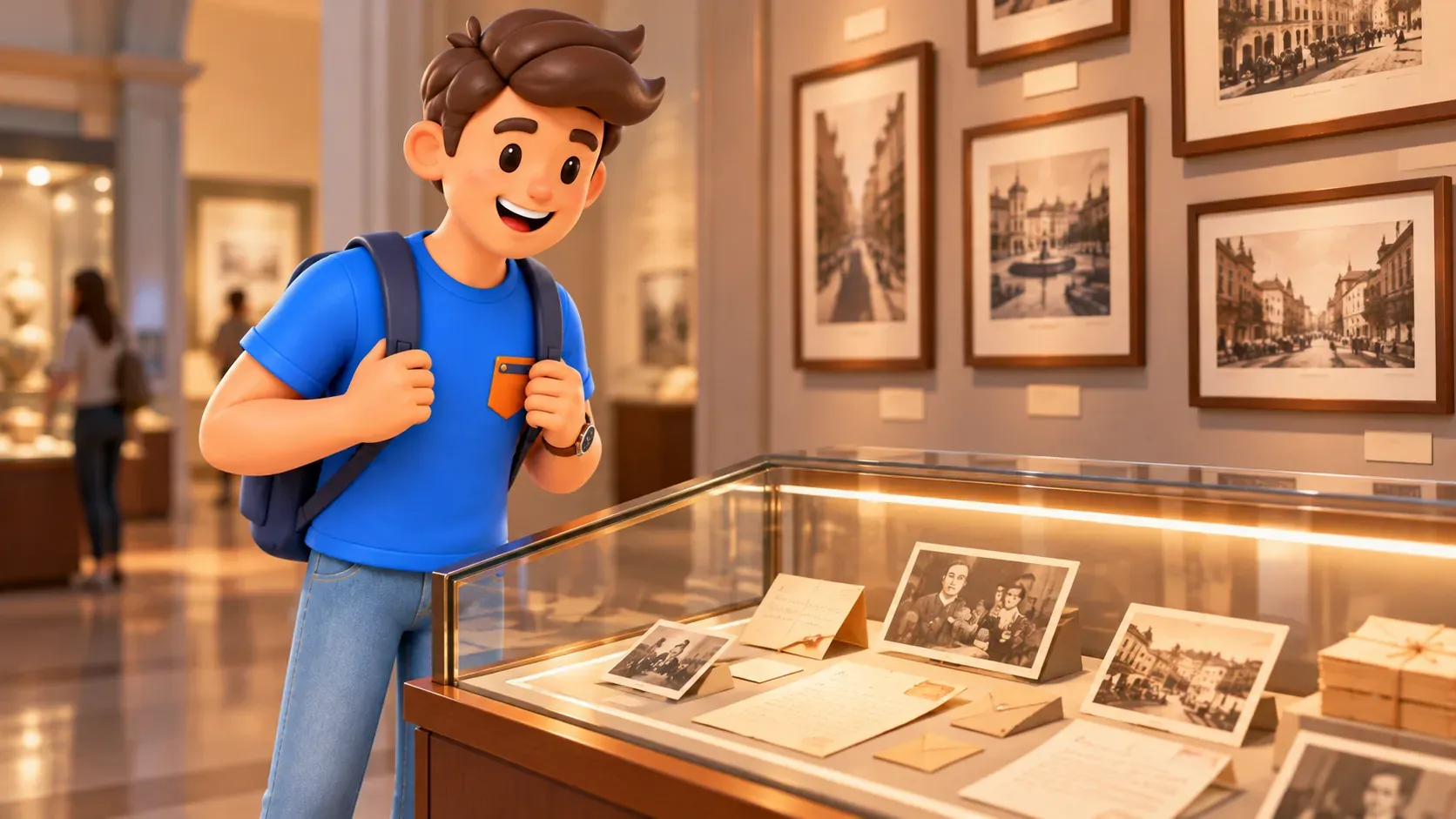
Ask how a displayed item is identified: a person, a place, a date, a donor or a context. Those connections help it become evidence rather than merely an evocative old thing. Where an exhibition leaves a question open, allow it to remain open. Filling a gap with an imagined family story can feel satisfying while making the history less accurate.
The museum is not interchangeable with every institution bearing a similar cultural name. Confirm the institution you intend to visit and its current program. A historical museum, an archive and a contemporary art organisation can overlap in interests without offering the same experience. Choosing carefully is more useful than assuming a national adjective describes an identical kind of collection everywhere.
Regional stories can reach beyond the familiar neighbourhood image
The Chinese American Museum of Chicago focuses on Chinese American experience in the Midwest, not only a general introduction to China. Its collections and interpretation connect generations, work, family and cultural change. That regional emphasis matters. It places people within Chicago and the surrounding region, rather than presenting their history as something that belongs entirely elsewhere.
A Chinatown visit can therefore involve more than a meal or an exterior photograph. A museum can add questions about how lives developed here and how different generations understood their connections. It does not make the neighbourhood a single uniform community. Nor should a temporary exhibition be treated as the complete story of everyone whose experience might fall under the museum’s broad subject.
At this museum, as at any research collection, arrangements for researchers can differ from ordinary gallery admission. Do not interpret an archive appointment policy as a general visiting timetable, or assume a gallery ticket opens all stored material. Decide whether you want an exhibition visit or a research enquiry, then use information appropriate to that purpose.
One useful question across the museums is the difference between a place of origin and a life lived in Chicago. The two can be connected without being identical. A family document, a contemporary artwork and a neighbourhood history may reveal different aspects of that relation. The visitor’s task is to listen to the specific account rather than fit it to a ready-made stereotype.
Living art keeps heritage in the present
The National Museum of Puerto Rican Arts and Culture was founded in 2000 with community involvement and occupies the historic Humboldt Park stables. Its emphasis on arts and cultural programs connects heritage with continuing production. The building’s reuse adds another layer: a place with an earlier urban function now supports a different kind of public cultural life.
Its subject also reminds us not to give every community the same migration narrative. Puerto Rican movement and identity do not fit a blanket description of foreign immigration to the United States. Distinct legal and historical contexts matter. The broader lesson is to let each museum explain its own subject rather than force five different histories into one formula.

A changing exhibition program means that cultural continuity can include new artists, questions and forms. Do not expect every visit to reproduce an old photograph of the galleries. The fact that a museum preserves heritage does not require it to preserve one permanent interpretation forever. Look at what is actually being presented for your dates.
Use RoadMe to shape the whole personal trip around the art, histories and neighbourhood experiences you enjoy. Choose visits that fit your days and pace, leaving room to absorb what you see.
Choose a conversation, not a collection of cultural labels
Across these examples, several reasons for having many museums become clearer: people want to preserve material, educate another generation, make artistic space and take part in telling their own story. This is a reading of the institutions’ different missions, not a claim that every museum was founded for an identical reason. Their differences are part of the explanation.
Before visiting, check the institution’s own calendar, admission arrangements and current exhibitions. Workshops, archive access and special events may have separate conditions. Choose one or two questions to carry through the visit, then leave time for a pause. The musical addresses in Chicago’s blues and house history offer another way to connect culture with place. Here, the city becomes more understandable through several voices, each with its own evidence and perspective.


