
Wetlands Park: A Quiet Nature Morning in Las Vegas
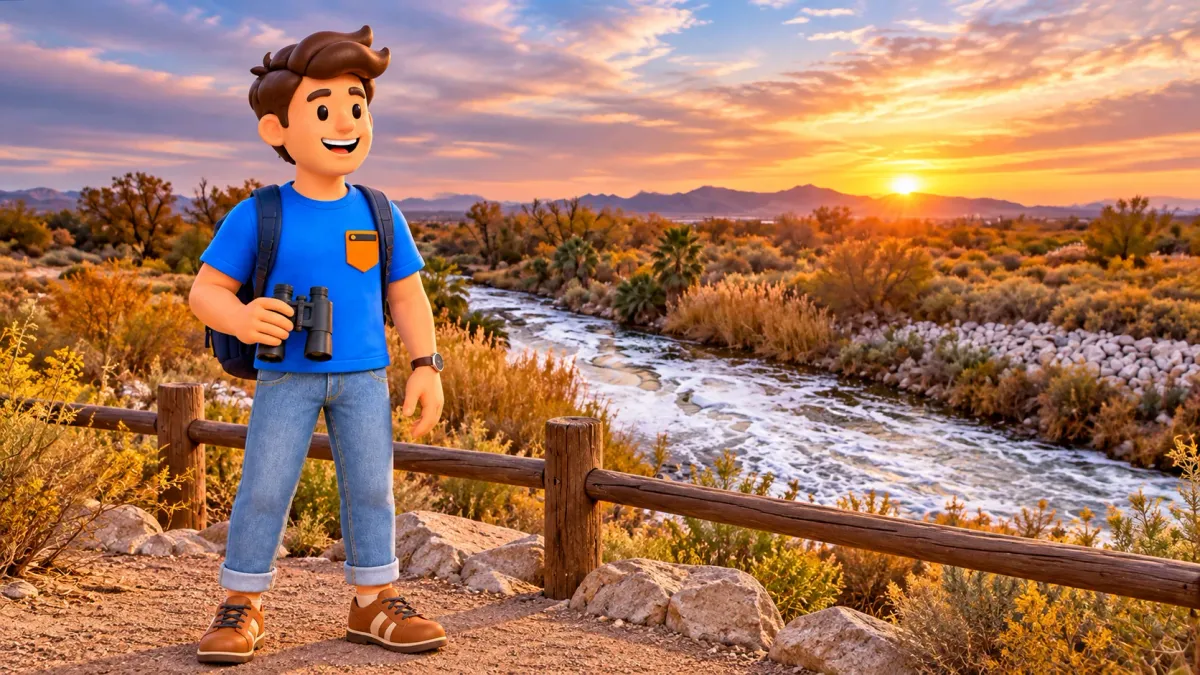
Clark County Wetlands Park offers a different kind of Las Vegas morning: trees, reeds, water and the possibility of watching wildlife at a quieter pace. It is a separate outing to the eastern side of the valley, rather than an extra stop reached by walking along the Strip.
For a first visit, keep the plan modest. Use the Nature Center as your arrival point, choose a short section of the Nature Preserve that is open that day, then return for the exhibits and a break. The aim is to notice a few habitats, not to cover the park’s entire trail network.
A manageable morning in the wetlands
Allow roughly two to three hours on site, excluding the journey from your accommodation and back. Within that, a selective 45–75-minute outdoor walk, around 30–45 minutes in the Exhibit Gallery and some pause time make a useful starting framework. These are editorial planning estimates, not measured route times.
RoadMe makes it much easier to build a personal trip around your interests, available time and preferred pace. Let the app work out the wider Las Vegas plan so a quiet nature morning fits comfortably among your other visits.
The park trails normally open daily from dawn to dusk, while the Nature Center’s published schedule is Tuesday through Sunday, 9 a.m. to 3 p.m. If the indoor visit matters, choose a day when it is operating and allow time after opening. Monday can work for an outdoor-only visit when conditions permit, but it is not the same combined outing.
A very early arrival may mean walking before the center opens. That can suit a cooler morning, provided you have checked current notices and know your return route. If you prefer to ask staff about the day’s accessible section first, arrive during center hours and keep the outdoor part shorter if it is warm.
Ordinary park and Nature Center visits are free. Separate events or programs can have their own conditions, so do not assume that every advertised activity is included without booking. This plan is for an independent visit, not a promise of a guided walk.
Choose the Nature Center as the destination
Navigate specifically to Wetlands Park Nature Center at 7050 Wetlands Park Lane. The park is large and has several trailheads; a general pin for “Wetlands Park” may direct you to a different part of the landscape. Beginning beside the center keeps the indoor and outdoor portions connected.
Plan your arrival and departure before leaving the tourist center. A journey time depends on where you are staying, traffic and your chosen transport, so leave room for the actual trip rather than treating the park as a short extension of a boulevard walk. If someone is collecting you, agree on the precise pick-up location.
At the arrival area, check the current map and notices. Choose a short walk with a clear way back to the same starting area. If a particular access need affects your plans, ask about the actual route surface and any current diversions. The existence of paved paths does not establish that every section suits every visitor under all conditions.
Current trail conditions matter more than a fixed circuit
As checked in October 2026, the park reports pond maintenance from September 2026 through February 2027, with temporary closures of some Nature Preserve trails. Construction also affects the western side of the preserve and Wetlands Park Lane, with work expected to continue through 2027. The notice for the Mesquite Way restroom lists it as closed.
These conditions favor a flexible short visit. Follow closure signs and choose an open alternative with staff guidance when available. Do not step around a barrier because an older photograph or map shows a path continuing. If the convenient section is unavailable, shorten the walk and give the center more time.
The Wetlands Loop Trail does not currently form a complete circuit. Its name should not persuade you to commit to a long loop for this first visit. A short out-and-back or another confirmed open section returning to your arrival area is a more practical choice.
Check the park’s latest notices and weather before setting off. This article does not certify that an individual trail, bridge or viewpoint will be open on your visit date. During unsuitable heat, storms or park restrictions, postpone the outdoor section rather than trying to complete a plan because it was written down.
On the trail: look at habitats, not a list of species
The Nature Preserve is the protected heart of the wider park. Its paths pass through different combinations of trees, waterside vegetation and drier ground. For a short walk, choose one open area where you can pause, listen and compare what changes as you move between shade and more exposed space.
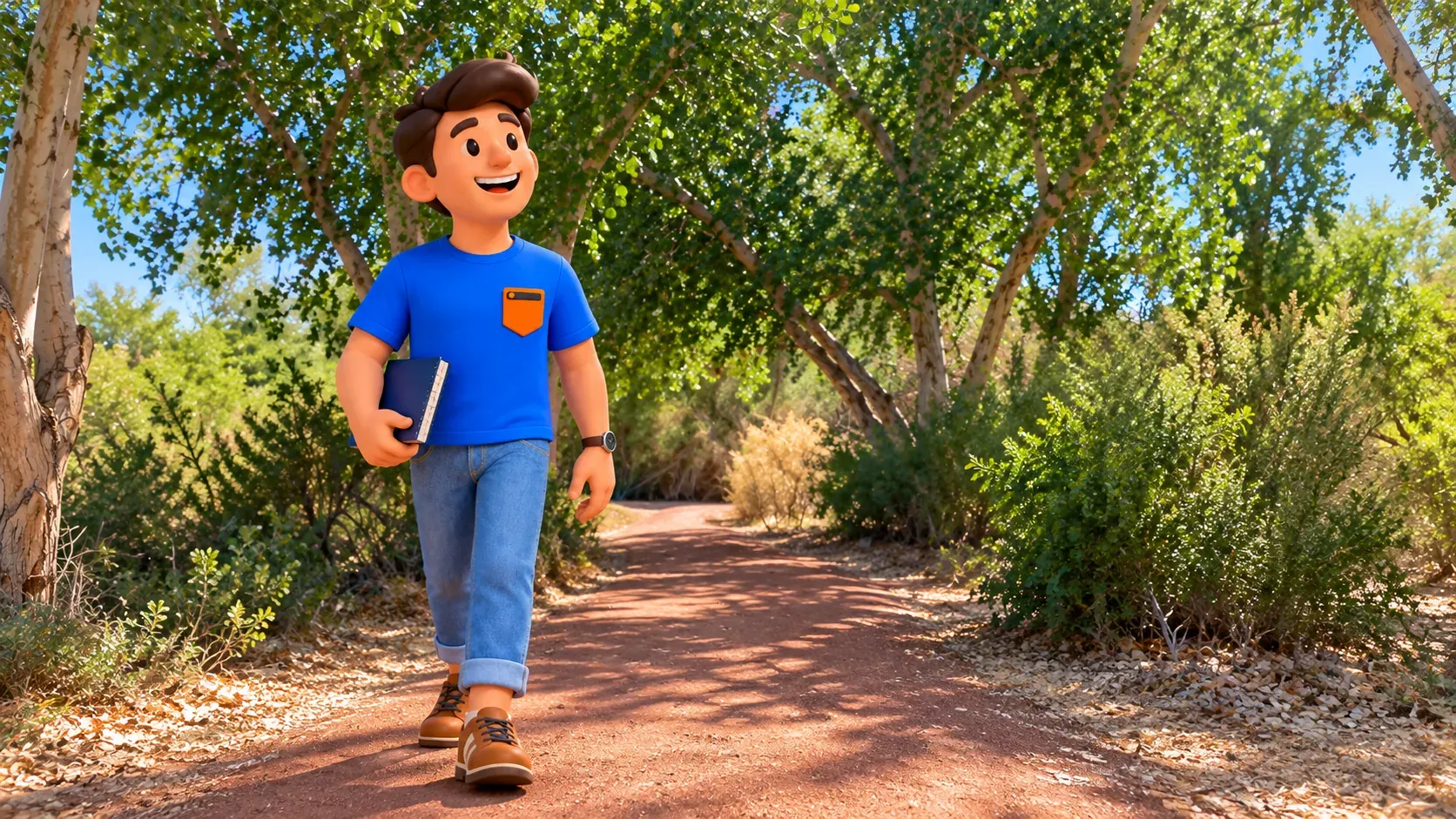
You do not need to identify every bird. Start with a movement in the reeds, a call from a tree or the difference between a swimming bird and one standing by the water. Binoculars can help you observe from a distance, but a successful visit does not depend on owning equipment or spotting a rare animal.
Stay on established open paths and keep wildlife wild. Do not feed, approach or try to make animals move for a photograph. The park protects habitat rather than providing a staged animal encounter, and any sightings depend on season, weather and chance.
The Nature Preserve is for pedestrians: dogs and bicycles are not permitted inside it. Other parts of the wider park have different designated uses, but they are not interchangeable with this walking plan. If you are traveling with a dog or bicycle, choose an appropriate permitted area instead of assuming the same route applies.
Keep food for a designated picnic location. A pleasant shaded spot beside a pond is not automatically a place to spread out lunch. Leaving the habitats undisturbed is part of what makes this visit worthwhile for the next person as well as for wildlife.
Why there is water in this desert landscape
The wetlands are closely tied to the Las Vegas Wash, which carries water through the valley toward Lake Mead. The landscape is shaped by reclaimed water, stormwater, urban runoff and shallow groundwater. It is a meeting of urban water systems and habitat restoration, not an untouched spring landscape hidden behind the city.
That context makes the visit more interesting. Water supports vegetation, and vegetation creates shelter and feeding opportunities for wildlife. Looking at those connections can explain more than simply calling the park a green escape from the desert.
The park’s development has its roots in a 1991 bond measure, and the Nature Center opened in 2013. A little history helps place the trails within an ongoing effort to conserve, restore and explain the valley’s resources. The current maintenance work is another reminder that this landscape needs active care.
Water is for observation, not recreation in the ponds or channels. Swimming, wading, boating and fishing are prohibited. Enjoy the contrast between water and desert from the path without entering the water or moving closer across sensitive banks.
Return to the Nature Center
Finish the outdoor portion while you still have energy to enjoy the center. The Exhibit Gallery uses displays, habitat scenes and activities to explain the park’s wildlife and environment. After walking, choose the parts that connect with something you noticed outside rather than trying to read everything.
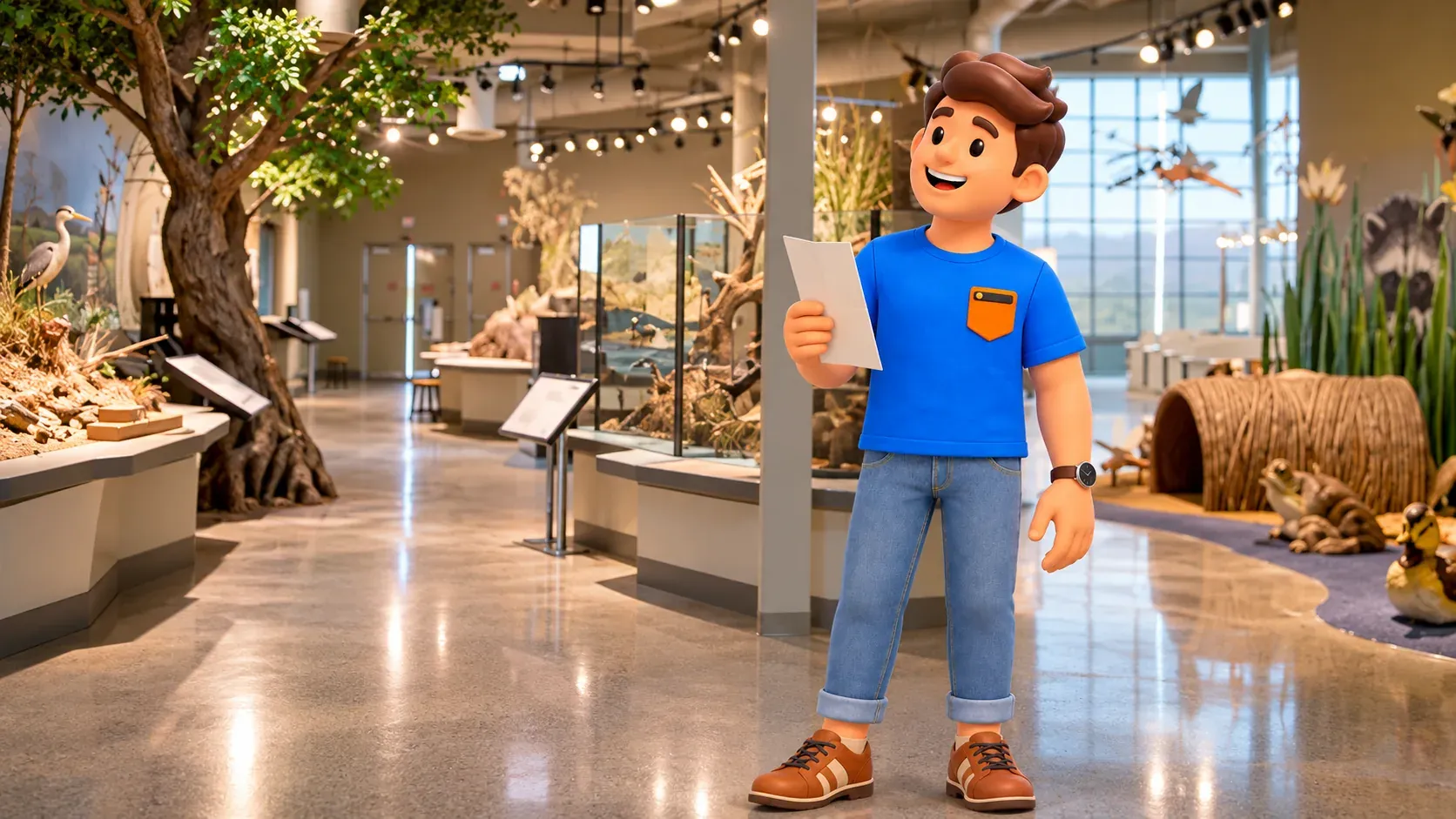
A gallery visit can turn a small observation into a better question: what did the plants provide, why was water moving there, or how did an animal use its surroundings? That link between the path and the exhibits is the main value of combining the two parts.
If you are visiting with children or companions who prefer a shorter walk, make the gallery a substantial part of the morning. Agree on one thing to look for outdoors and return before the visit becomes tiring. No particular animal sighting or interactive display should be treated as guaranteed.
When open and available, the Lizard Lounge provides an indoor place for a picnic. Bring a simple packed meal if that suits your day and follow the room’s current arrangements. It is a picnic room, not a promise of a full-service restaurant, and cooking is not permitted.

Keep the outing comfortable
RoadMe can prepare a personalized route or whole trip around your interests, time and pace, making a separate nature outing much more convenient to organize. Use the app to give the wetlands enough room in your schedule without overloading the rest of the day.
Carry water, wear suitable walking shoes and bring sun protection. Trees and water do not remove desert heat, and shade varies along the paths. Check the forecast and park warnings before leaving; trails and access roads can flood during storms. Choose comfort over distance.
Keep the return plan simple. You do not need a second trailhead, a long circuit or another nature reserve to justify the journey. A short open path, a few quiet observations and time in the center can make a complete morning.
The illustrations accompanying this article interpret the landscape and visitor experience. They are not maps, documentary evidence of current trail access or a guarantee of a particular view. On the day, follow the actual route information and conditions at the park.
Leave with one detail that changed your picture of Las Vegas: the movement of reeds, a bird seen from a distance or the relationship between the city’s water and its habitats. A carefully paced first visit can be small and still feel like a worthwhile change of scene.


