Water in the Desert: Another Way to Understand Las Vegas
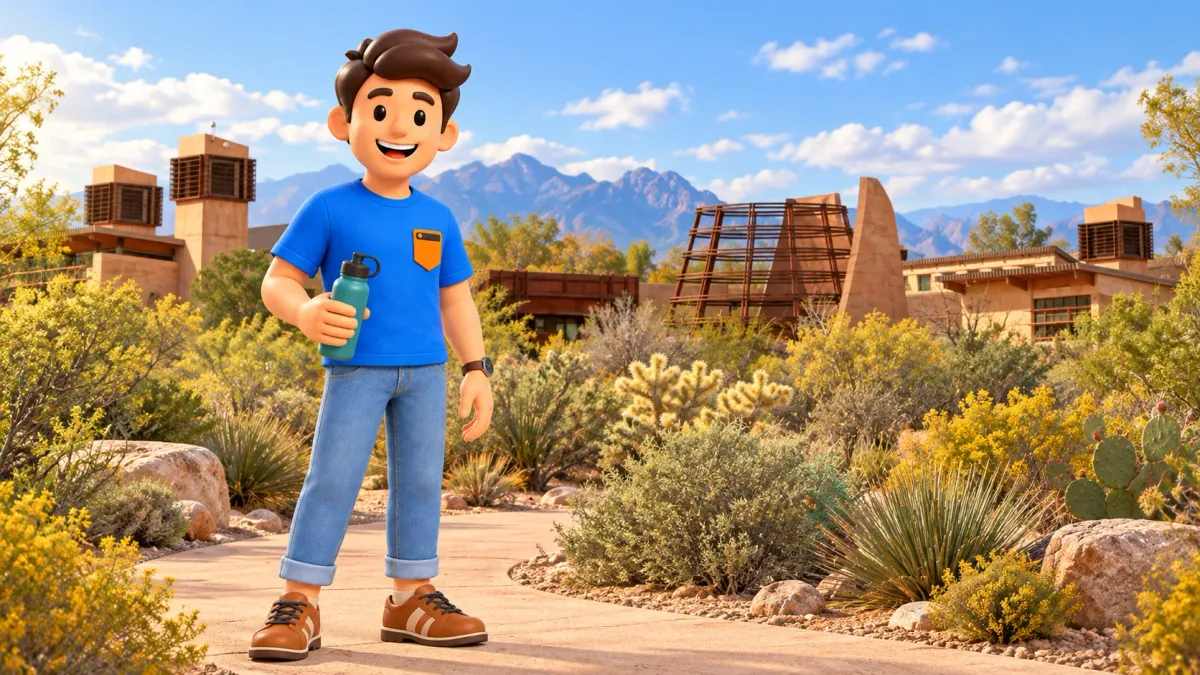
A green path, a working pumping station and a weathered wooden house reveal a side of Las Vegas that is easy to miss among the resort images. Water helps explain why people lived in this valley long before the modern city, how daily life works now and why a wetland can exist in a desert landscape.
Springs Preserve and Clark County Wetlands Park make those questions tangible. They are different settings with different stories. You can choose one for an outing, then let the theme change what you notice during the rest of your trip.
Follow a question rather than a line on a map
Three useful questions are where people found water, how a city delivers it, and what happens to flows leaving developed areas. Springs Preserve introduces the first two; Wetlands Park offers a place to think about the third while observing a living landscape.
RoadMe makes exploring an interest like this easier and more effective by developing a personal route or whole trip around your interests, available time and pace. Let the app shape a coherent plan so a museum, a garden and an outdoor visit fit the way you want to travel.
Do not count WaterWorks and DesertSol as two more distant attractions to reach after Springs Preserve. Both are exhibits within the Preserve. Wetlands Park is a separate outing on the eastern side of the valley, so this is a theme for choosing a visit rather than a short walking route between all the places.
You also do not need a specialist vocabulary to enjoy it. Start with something visible: shade, a pipe, a planted area, a bird at the edge of vegetation. Ask what has allowed it to be there. A simple observation can open a more interesting conversation than another list of city superlatives.
Springs Preserve: remember the water before the skyline
The old springs supported meadows and mesquite in a desert valley. The name Las Vegas refers to meadows, a useful reminder that water belongs near the beginning of the city’s story. This was not an empty setting waiting for hotels: Southern Paiute people have deep connections with the area, and Indigenous communities remain part of the present.
At Springs Preserve, approach history as a relationship between people and place. A spring can influence where people stay, travel and develop a settlement. The point is not to imagine an endlessly abundant oasis, but to notice how a limited resource can shape choices over time.
The present institution brings cultural interpretation, gardens and exhibits together. Its landscaping also gives you something to look at between indoor spaces. Notice the arrangement of plants, the exposed ground and the contrast between shade and open sky rather than expecting a lush lawn everywhere.
Keep historic springs and today’s metropolitan supply separate in your mind. The Las Vegas Valley Water District describes a present supply combining Colorado River water and groundwater. A place that explains early local water does not mean the whole modern city is supplied by springs beneath that visitor attraction.
This distinction makes the visit more valuable. The original landscape explains one stage in the story; modern infrastructure answers another question. The connection is human dependence on water, not an unchanged supply system stretching neatly from the past into the present.
WaterWorks: make the hidden system easier to imagine
WaterWorks is located inside the Charleston Heights Pumping Station, a working facility operated by the Las Vegas Valley Water District. The museum’s exhibits introduce how water moves from its source toward a tap. You are visiting an interpreted exhibition within working infrastructure, not receiving permission to wander through an unrestricted industrial site.
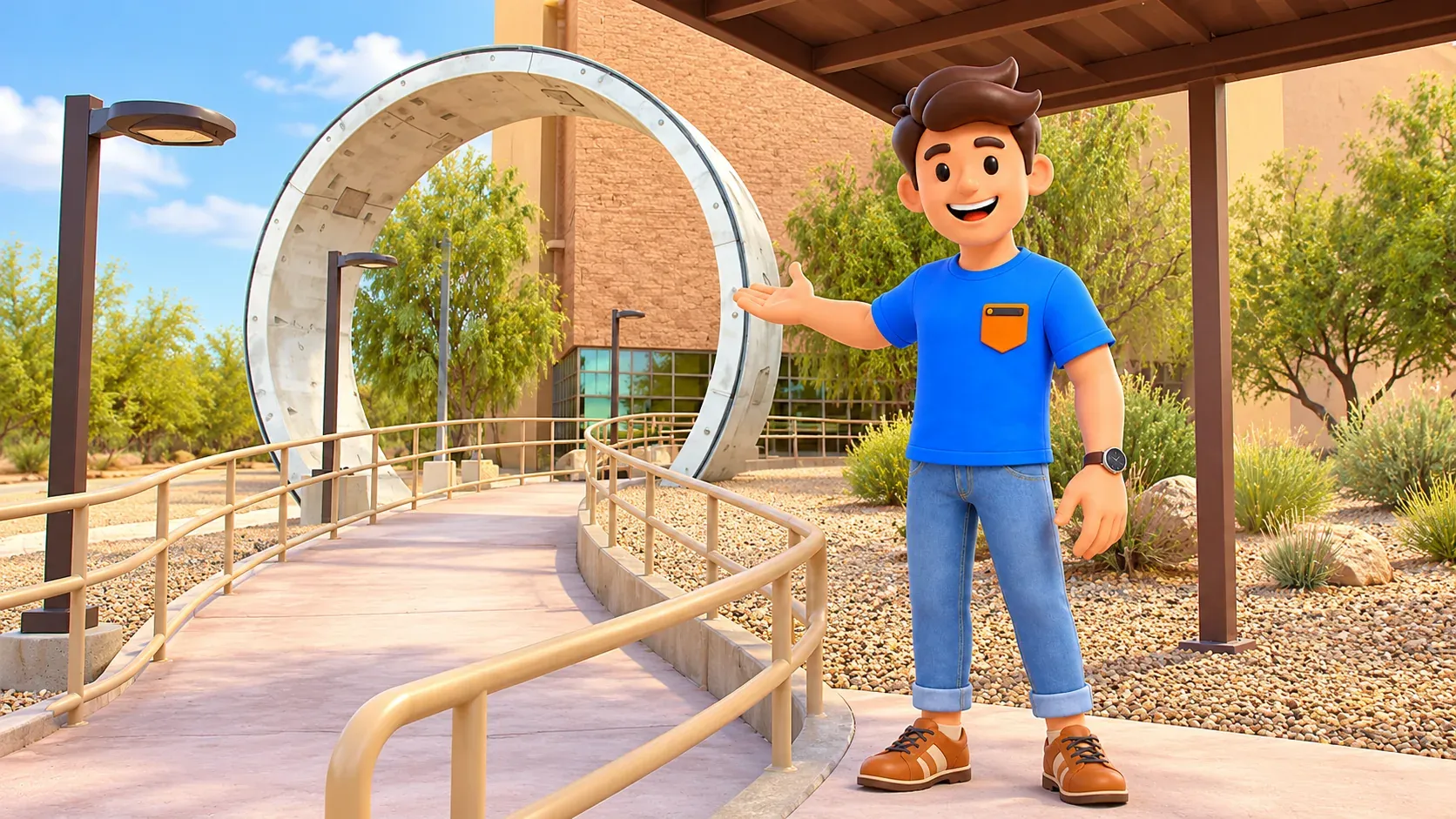
That setting changes the usual meaning of a museum stop. Instead of viewing water only as scenery, you can think about treatment, delivery and management. The infrastructure supports ordinary activities that visitors rarely photograph: washing hands, filling a glass or returning to a hotel room.
Choose one process to follow through the exhibits. You might ask how a source becomes usable supply, why contaminants matter or what moving water requires. You do not need to master every panel for the visit to leave a useful idea behind.
Families can make this a question game rather than a lesson to finish. Ask each person which part of the journey to a tap they had never considered. Someone may notice pipes, another testing, another the distance between a source and the place where water is used.
Do not turn a museum explanation into a claim that every part of the system is effortless, perfectly efficient or permanently secure. Understanding the work involved is a better result than leaving with an invented guarantee. Exhibition access also follows the Preserve’s current arrangements and any notices for the day.
DesertSol: a home makes resource choices visible
DesertSol, in the Botanical Garden, adds a domestic scale to the subject. The UNLV team created this solar-powered model home for the 2013 Solar Decathlon. It is now a permanent exhibit at Springs Preserve, making it possible to consider resource-conscious design through a recognizable everyday setting.
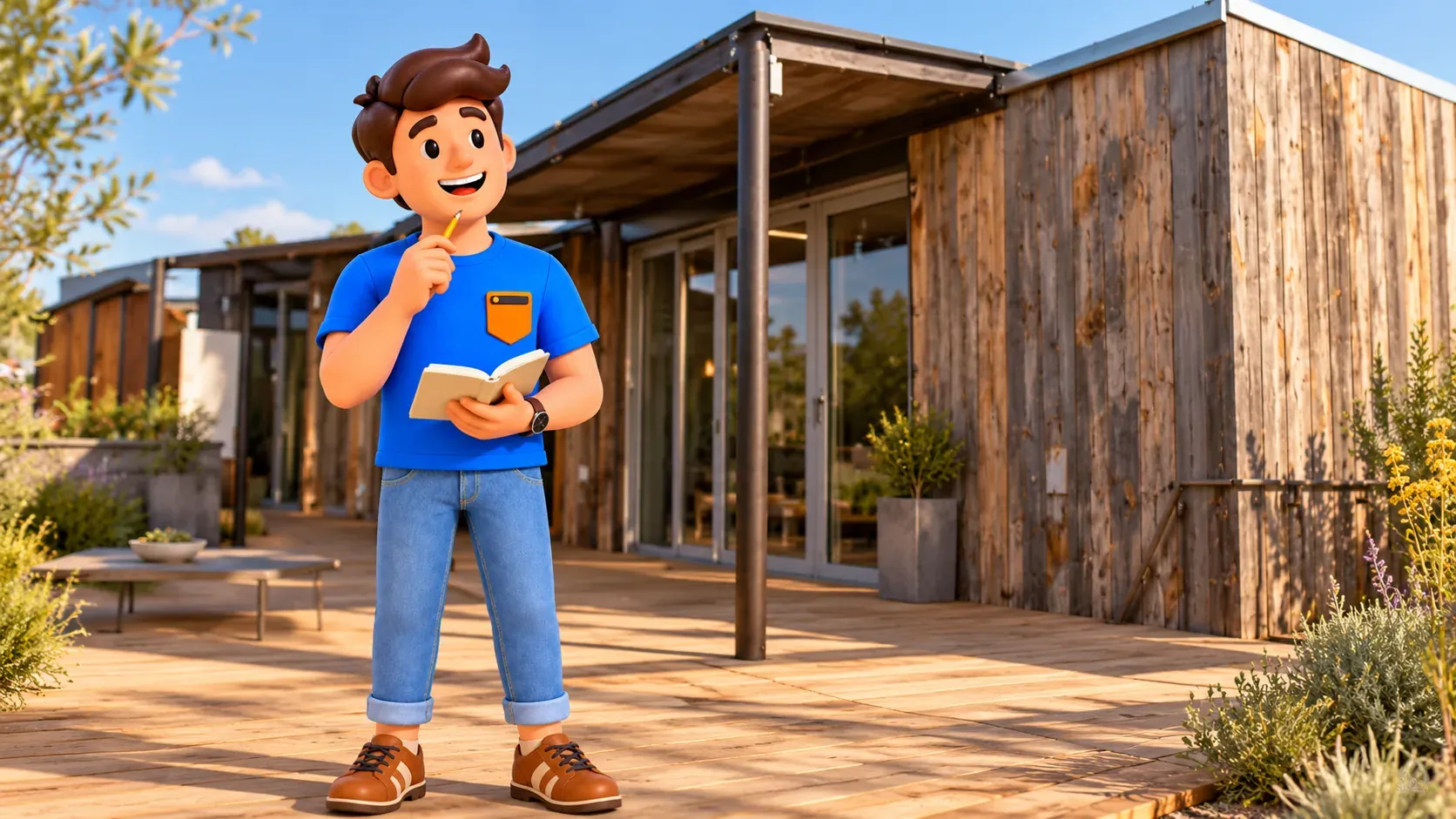
Its main emphasis includes energy and climate-responsive design, so do not present it as a museum devoted entirely to water. The connection is how decisions work together in a home. The official description includes low-flow fixtures as well as shading, window placement and solar power.
Look first at the exterior relationship between the deck, roof and openings. Where might the sun fall? What does shade change about an outdoor pause? These are questions to explore through the exhibit, not performance measurements you can calculate from a photograph.
The weathered wood and compact form also offer a different picture from the polished scale of a resort. A model home invites you to imagine use: opening a window, sitting outside or choosing a fixture. That human scale can make an abstract discussion of resources easier to grasp.
Do not assume that solar power means a house has no water demand, or that one efficient design solves the valley’s wider pressures. Energy and water are related concerns, but they are not interchangeable. The useful takeaway is to notice individual choices and ask what each one is intended to do.
Wetlands Park: a living landscape connected to the city
Clark County Wetlands Park introduces a greener, quieter view of the valley. Trees, wetland plants and wildlife can feel surprising after the Strip, but the Las Vegas Wash is connected to urban life rather than separated from it. Its flows include reclaimed water, urban runoff, shallow groundwater and stormwater, travelling onward toward Lake Mead.
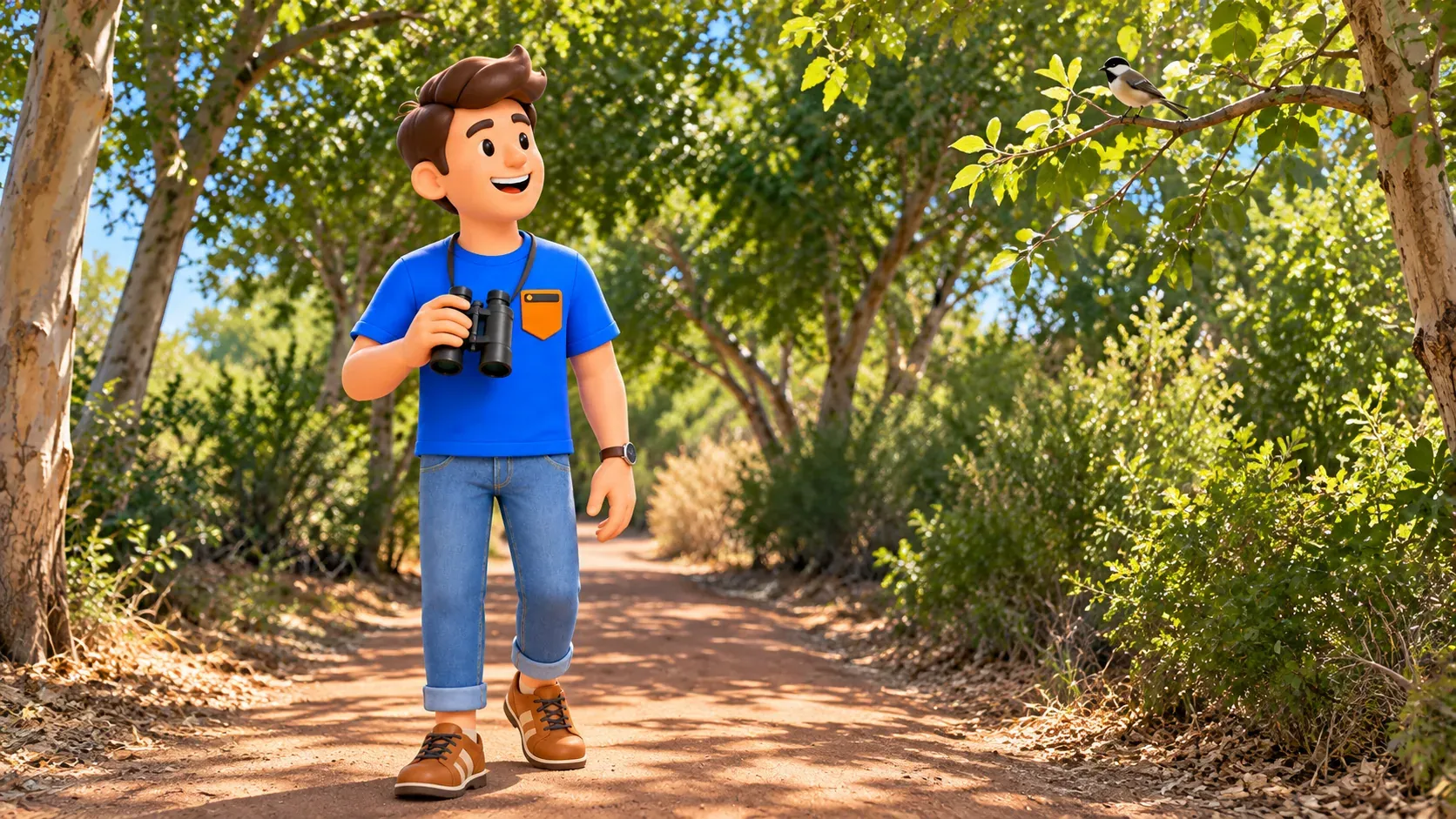
That is not the same story as the old springs. Nor is it a reason to dismiss the landscape as somehow unreal. The habitats are places where living things feed, shelter and move, even while the surrounding hydrology includes strong human influence.
Observe the transition between drier ground and denser vegetation. Listen before trying to identify every bird. A short pause can reveal movement you would miss if you treated the path only as exercise or a way to reach a predetermined photograph.
Wetlands can contribute to water-quality processes, but do not interpret that as permission to drink untreated water or as proof that every pollutant disappears. A planted channel, a treatment facility and a drinking-water tap have different roles. Keeping those differences clear makes the environmental story more interesting, not less.
Stay on open designated paths and give wildlife space. Choose your walk according to the current map and conditions rather than an old image. The illustration here is an artistic interpretation of the setting; it is not a navigation diagram or a promise of the same birds, shade or trail access.
Choose a visit that suits the day
For history and explanations with several exhibition options, make Springs Preserve your main visit. For observation and an outdoor change of pace, consider Wetlands Park. These are editorial starting points, not fixed-length programs, and you can leave space for the part that catches your attention.
As checked in October 2026, Springs Preserve normally opens Thursday through Monday, 9am–4pm, with last entry at 3pm. Wetlands Park’s trails normally open from dawn to dusk; its Nature Center follows a separate Tuesday–Sunday, 9am–3pm schedule. Special arrangements and closures can alter a plan.
Current Wetlands notices include pond maintenance from September 2026 through February 2027 with temporary trail closures, and construction affecting parts of the approach and western preserve through 2027. The Wetlands Loop Trail does not currently complete a full loop. Check the day’s map and signs rather than promising yourself a continuous circuit.
With RoadMe, it is more convenient to turn these ideas into a personalized trip that balances your interests, time and preferred rhythm. Let the app work out the overall plan so an environmental visit has enough room alongside food, rest and the other experiences you want.
Carry drinking water for an outdoor visit, account for the weather and treat shade as something to check rather than assume. In warm conditions, a shorter outing can still be rewarding. Understanding one relationship between water and the city matters more than completing every place in a theme.
Afterwards, even an ordinary tap, planted courtyard or patch of shade may look different. Las Vegas is a place of spectacular surfaces, but water encourages a deeper question: what does it take to make daily life possible here?