
Upper Georgetown in Half a Day: Gardens, Historic Houses and a Slower Walk

Upper Georgetown offers a quieter Washington afternoon, with historic estates, designed gardens and residential streets on the slopes above the Potomac. The most satisfying half day begins with a choice: give one major property enough attention, then use the surrounding neighbourhood and a public park to create a gentler finish.
Tudor Place, Dumbarton Oaks and Montrose Park provide the framework. They are nearby enough to belong to the same neighbourhood outing, but that does not make every house, museum and garden a single visit. Choose your main experience before arranging the walking connections, and keep the other estate as an optional introduction rather than a second obligation.
Choose one main garden or historic property
This route is designed for people who want time to look, not a competition between entrances. Tudor Place suits an interest in a historic home and its grounds. Dumbarton Oaks offers a different combination of designed landscape and specialist museum collections. Montrose Park supplies a public landscape pause that does not need to become another extensive visit.
RoadMe can build a complete personal itinerary around your interests, dates and preferred pace, helping a garden afternoon fit naturally into the wider trip. Use the app to organise a Washington stay that gives your chosen places enough time, with less planning scattered between separate lists.
Allow roughly four to five hours including local walking, one substantial visit and a real break. This is an editorial estimate, not a measured itinerary. Travel to upper Georgetown and a long restaurant meal can add more. The available opening windows should determine the order; the route should not force a visit into a time when the gate is closed.
If gardens are the priority, choose the season and the conditions you will actually encounter. A landscape can be interesting through structure, shade and changing levels even without peak flowers. Do not book an afternoon around an image of blossom from a different month. Weather also affects how much outdoor time will feel comfortable.
Begin with Tudor Place as a distinct historic estate
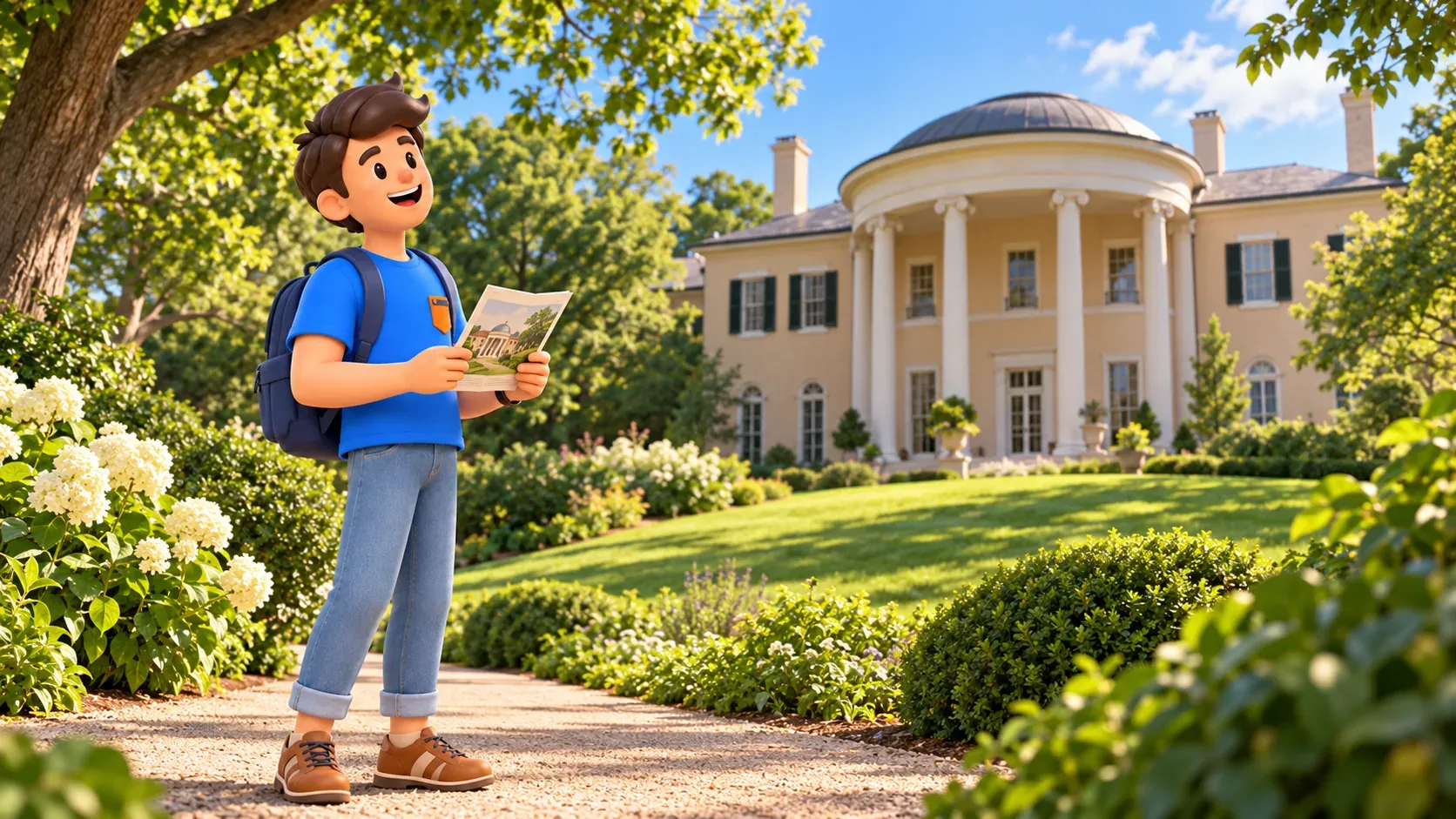
Tudor Place brings a historic family home and its grounds into a residential Georgetown setting. It offers a domestic scale of history quite different from the national buildings in central Washington. Think about the relationship between the house, the surrounding land and the neighbourhood beyond the boundary, rather than treating the building as an isolated façade.
The site also presents the history of people who lived and worked there, including enslaved people. That context matters when appreciating an elegant estate. A useful visit leaves space for the stories that explain how a household operated, alongside architecture and garden design. You do not need to know the entire family chronology before arriving.
The house and garden are different visitor experiences. House visits are guided; the garden can be visited independently under the site’s current arrangements. Choose the experience that matches your interests and allow for its entry process. Do not assume that reaching the property gives immediate access to a house tour.
Checked on 22 October 2026, Tudor Place states that it is closed to the public on Tuesdays from 6 October through the end of 2026, except for scheduled public programmes. Recheck the current calendar for your date. This temporary condition is a good reason to arrange the main visit before committing to the rest of the afternoon.
If Tudor Place is your main stop, start there and give it the best part of your attention. If you choose Dumbarton Oaks instead, the Tudor Place section may remain an exterior introduction from permitted public space. Do not enter closed grounds to preserve the order suggested in an article.
Give Dumbarton Oaks its own decision
Dumbarton Oaks combines a celebrated designed landscape with museum collections, but those are not interchangeable names for one unlimited attraction. The museum, the gardens and the nearby public park have different identities and access arrangements. Decide what you want to see and confirm the corresponding entrance and current visitor conditions.
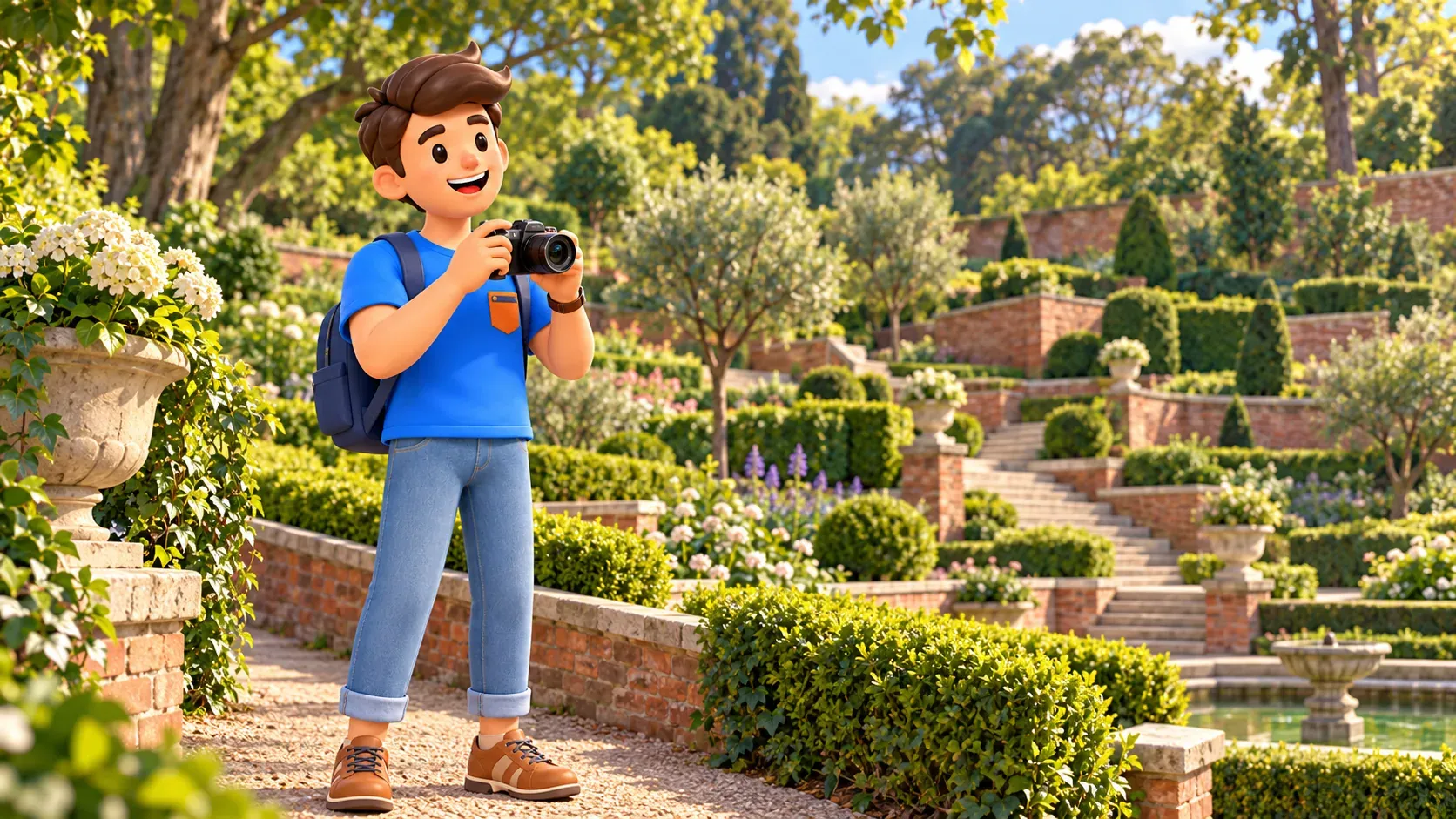
The gardens are associated with landscape designer Beatrix Farrand. Their value lies partly in the sequence of spaces and in the changing relationship between planting, boundaries and views. A garden visit rewards slow movement: notice how one area prepares the next, rather than using each terrace only as a photograph before moving on.
The museum’s Byzantine and Pre-Columbian collections offer another kind of concentration. If those subjects are your main interest, give the museum a defined block of time and reduce the outdoor programme accordingly. A specialist collection can be rewarding without attempting to absorb every room or every period represented in a single afternoon.
For the basic half day, choose the garden or a selective museum visit as your principal Dumbarton Oaks experience. Adding both may be possible on a suitable day, but it is a different time commitment, especially if Tudor Place is also part of the plan. Availability alone does not create the energy to appreciate everything.
Seasonal timetables and tickets can change, so this route does not attach fixed opening hours or a universal admission promise to the name. Check the relevant current visitor information. If your chosen area is unavailable, simplify the estate element and give more time to the public neighbourhood walk, rather than assuming access through another gate.
Let Montrose Park change the pace
After a focused estate or collection visit, Montrose Park offers a different task: being outdoors without needing to follow another interpretive programme. Use the park as a pause within the neighbourhood, following available public paths and allowing the group to decide whether to walk a little or sit for a while.
This change of pace helps distinguish the afternoon from a sequence of paid or scheduled visits. A garden designed as part of a historic estate and a public park may both be green spaces, but they ask different things of the visitor. Appreciate that difference rather than judging them as competing versions of the same attraction.
Choose a modest section that fits the weather and your remaining energy. There is no requirement to cover every path before leaving. Tree cover, ground conditions and seasonal changes affect the experience, and a pleasant stop in one available area may be enough. Do not assume facilities or seating will always be immediately available.
Oak Hill Cemetery is a possible separate addition for visitors interested in memorial landscapes and local history. It is an active place of remembrance, not simply an extension of a recreational park. Check its visitor arrangements, keep behaviour restrained and leave it out if there is no time to visit with appropriate attention.

Build the half day around attention and a break
A practical programme has three substantial parts: arrival and orientation, the main estate or collection, then a break and a lighter walk. Leave space between them. Queuing, locating the correct entrance, reading introductory material and getting comfortable in a new place are part of visiting, even though they rarely appear in a list of sights.
For a garden focused version, use your strongest outdoor period for the selected garden and keep the residential connections brief. For a history focused version, place the house tour or museum first and make Montrose Park the decompression afterwards. For a mixed group, agree on one shared priority before anyone makes reservations.
Planning in RoadMe makes it easier to turn those preferences into a complete trip rather than an overfilled afternoon. The app develops a personal itinerary around what interests you and the pace and dates you choose, helping your Washington days work together more comfortably.
A café stop should have real time assigned to it. If you want a seated lunch, acknowledge that it may occupy much of the middle of the day. If you only want a drink, keep the next visit flexible enough for a queue. No restaurant timing in this article is a promise of service speed or available tables.
When shortening the afternoon, remove an entire optional visit rather than stealing a few minutes from every part. One properly enjoyed garden and a relaxed park finish usually make a clearer memory than three places approached with an eye on the clock. A half day should feel complete at its own scale.
Agree on a natural finishing point while everyone is still comfortable. A return to a familiar street can be a better ending than another optional gate, particularly when the next part of the day involves public transport or an evening booking.
Prepare for upper Georgetown’s terrain
The neighbourhood is above the waterfront, and the walking links involve slopes and potentially uneven historic surfaces. Wear suitable footwear and consider how the ascent and descent affect your group. The phrase garden walk does not establish step free access, gentle gradients or accessible routes within each property.
Visitors with specific mobility needs should check the chosen property’s accessibility information and discuss arrangements before travelling. The most suitable entrance or experience may differ from the usual visitor route. Keeping one main visit allows more freedom to choose a comfortable connection and avoid unnecessary backtracking through the neighbourhood.
Carry what you need for the weather without treating the entire afternoon as an expedition. Water, sun protection or a light rain layer may matter more than an ambitious checklist. Photography rules vary between properties and may apply to organised shoots as well as professional work; respect current instructions and keep paths clear.
Finish before the final connection becomes a hurried descent to M Street. Lower Georgetown’s waterfront is a separate outing, not an automatic final chapter after several estates. For the broader choice between neighbourhood walks, central monuments and museum days, consult the guide to choosing a Washington route around your interests.


