
Meridian Hill Park in Ninety Minutes: Terraces, the Cascade and Public Art
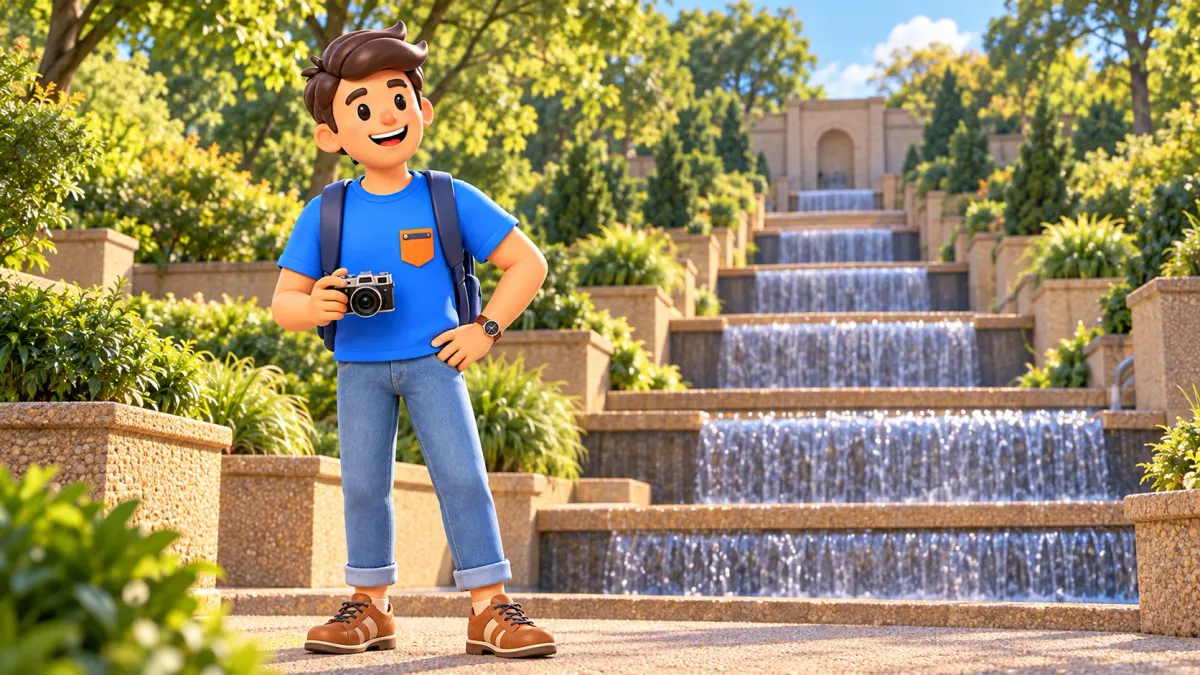
Meridian Hill Park offers a Washington pause built around terraces, formal landscape and public sculpture. In roughly ninety minutes, you can move from the lower plaza towards the cascade and selected upper paths, noticing how the park changes scale as it rises. It is a compact destination with enough variety to reward attention without becoming a full day of sightseeing.
Begin with the lower terrace and James Buchanan Memorial, continue towards the cascade and Joan of Arc statue, then use open upper paths for a selective look towards Dante and Serenity. The route follows the areas available on the day. Ninety minutes is an editorial estimate, not a timed circuit or a guarantee that every lawn and feature is accessible.
Choose a formal park walk with room to pause
The useful sequence moves from an arrival space to the park’s central level change and then a quieter upper section. That structure gives the visit more purpose than simply locating every statue. Let the landscape connect the individual works, and preserve time to look back through the park rather than always searching for the next named object.
RoadMe can build a complete personal itinerary around your interests, dates and preferred pace, giving a short park visit its natural place in your Washington stay. Planning in the app makes it easier to combine quiet outdoor time with the neighbourhoods, art and major sights you want to experience.
Current conditions matter. The National Park Service records the reopening of the cascade and lower reflecting pool on 14 May 2026, while maintenance and restoration can still affect individual areas. Do not rely on an old closure notice with an expired end date, but do not assume that reopening means every feature operates continuously either.
Use signed open paths and respect any fencing around grass or work areas. The route does not require stepping onto a lawn or crossing a closed terrace. Water may be off for seasonal or maintenance reasons, and a visit can remain worthwhile through the park’s form, materials and sculpture even without a flowing cascade.
Begin on the lower terrace
The lower part of the park provides an introduction to its designed character. Look at the relationship between paths, walls and the larger space before focusing on the memorial. This is a formal landscape, where boundaries and changes of level help organise how you move and what becomes visible next.
The James Buchanan Memorial offers a clear sculptural stop. Rather than beginning with a complete presidential biography, observe how the work occupies its setting. Compare the figure, base and surrounding landscape with the equestrian memorials you may have seen elsewhere in Washington. Different forms of public remembrance ask for different kinds of space.
Choose a comfortable permitted viewpoint and examine one detail after the general view. A brief shift from the whole composition to a closer element can make a short stop more rewarding. There is no need to read every line or photograph every side to gain a useful impression before continuing.
Notice the material of the surrounding landscape as well. Meridian Hill’s concrete surfaces were an important part of its design and construction. Texture, walls and steps contribute to the character as much as planting. Looking at these ordinary elements helps explain why the park can remain interesting outside a particular flowering season.
Visitors who need a suitable lower-level approach should consult the current National Park Service accessibility information. The lower plaza has a specifically described accessible route, but that should not be expanded into a claim that every upper connection or stair is equally accessible. Choose the part of the park that matches your needs.
Use the cascade to understand the park’s levels
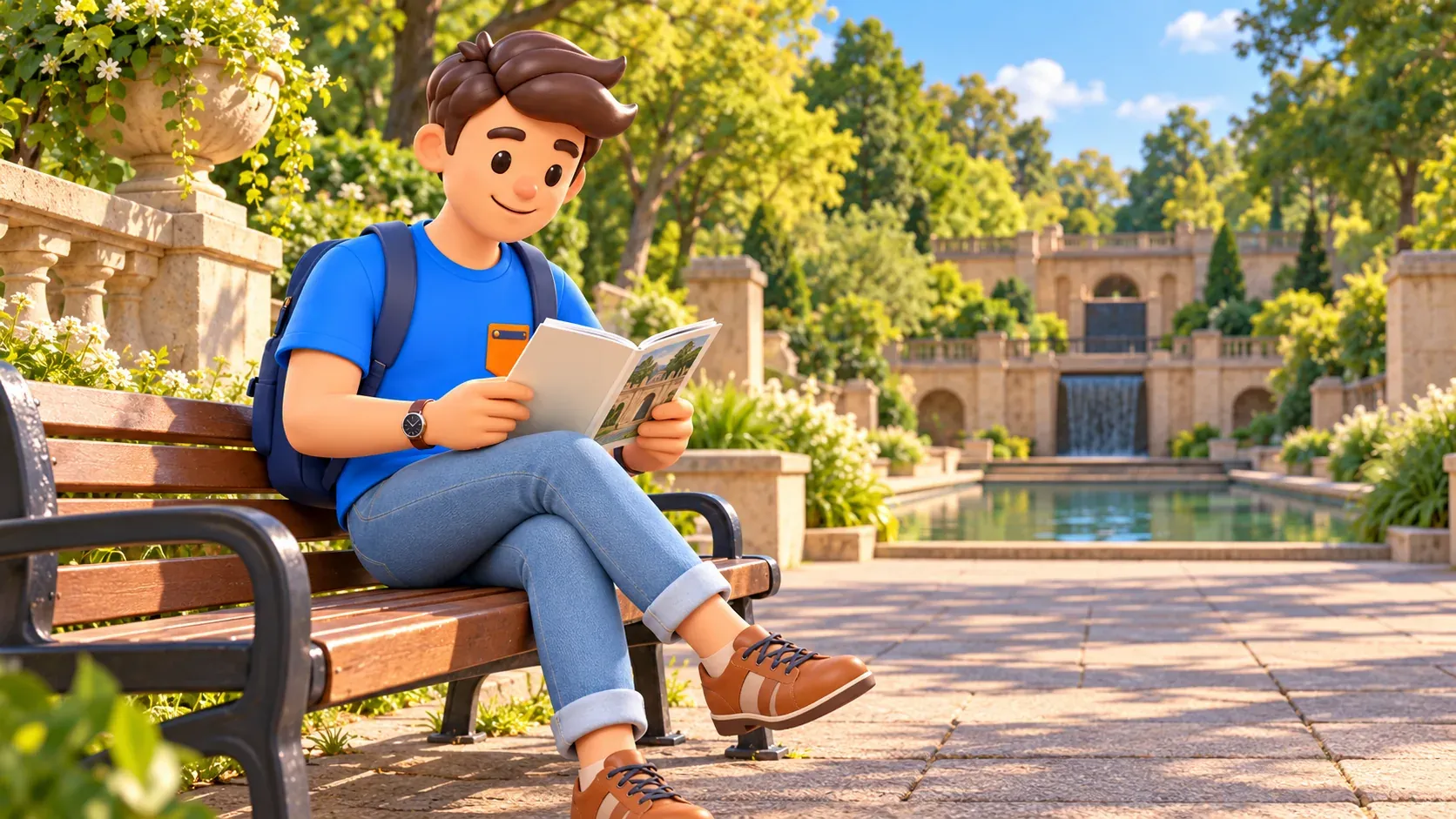
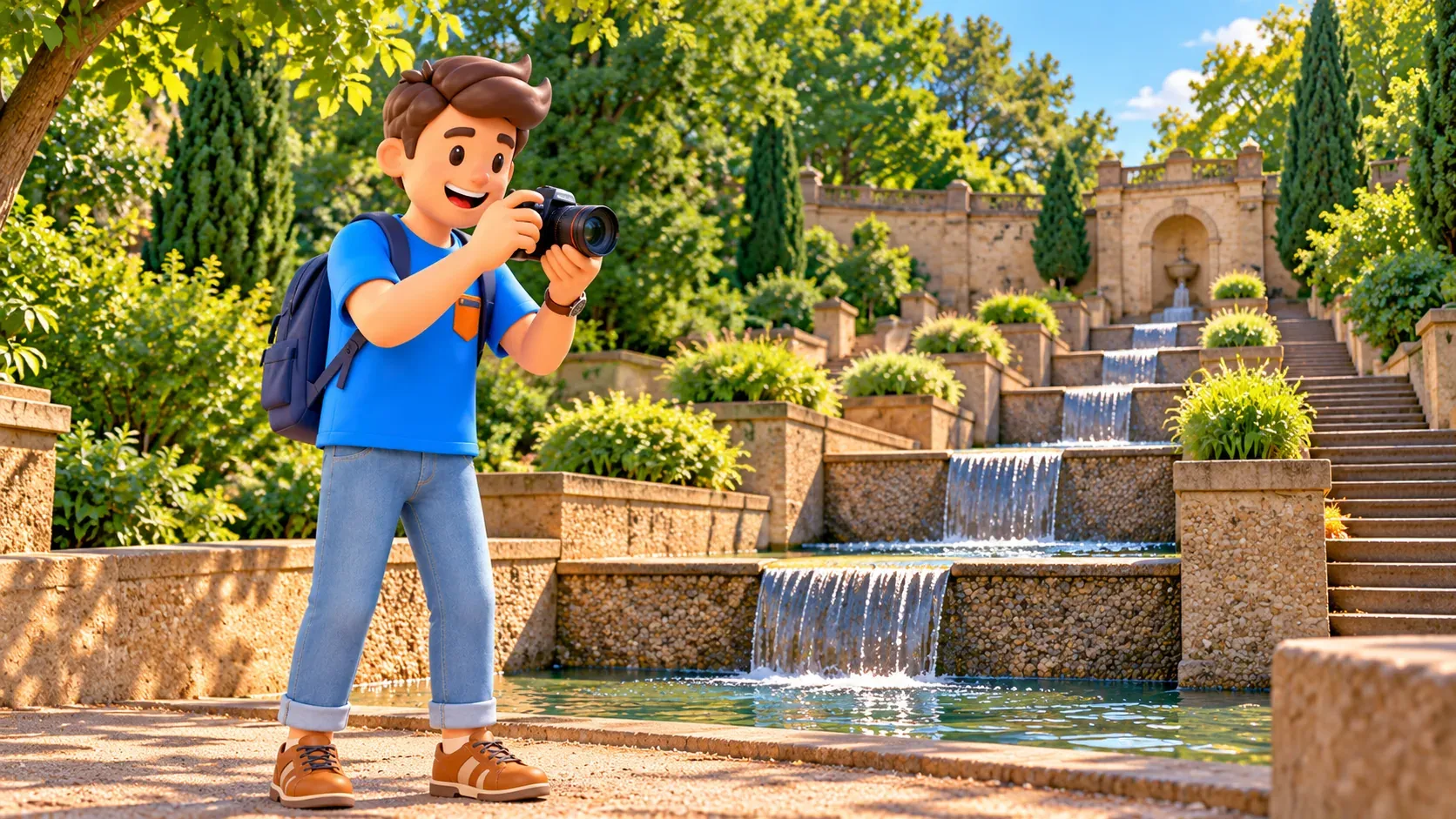
The cascade is an architectural landscape feature as well as a water display. Even when flow varies, its stepped composition helps explain the park’s rise from lower to upper space. Look along its axis and then from another open position to understand how the perspective changes with level and distance.
The park’s formal design drew on Italian garden ideas, developed through the work of landscape architects George Burnap and Horace Peaslee. That history is a useful light introduction rather than a requirement to compare the site with a specific European garden. The important point is how a terraced design creates a public landscape within Washington.
Take the available paths and stairs at a comfortable pace. A short visit should not become a race up the slope. Stop where there is room to let others pass and look back towards the part you have already seen. The return view often makes the formal organisation clearer than a constant forward movement.
The Joan of Arc statue provides another change in sculptural language. Its equestrian form contrasts with the seated Buchanan memorial below and with quieter works elsewhere in the park. Observe the relationship between figure and horse, then look at how the work is framed by the surrounding landscape rather than treating it as a detached object.
Water operation is not a condition of success. On a day when the cascade is off, the structure, planting and sculpture still provide the main sequence. Follow current signs around maintenance and do not enter a basin or restricted area for a photograph. A historic water feature is not a route or a recreational climbing space.
Choose a selective upper-path finish
Continue only on upper paths open to visitors, using the current signs to decide the exact route. Grass restoration or equipment can affect particular areas, and a path may remain available while a lawn beside it is fenced. The outing does not depend on general access to every upper panel or on finding an empty space for a picnic.
Dante and Serenity offer smaller, more focused stops after the central cascade. You do not need to approach both from every side. Choose an available public viewpoint and let each work contribute a different mood. A few quiet minutes looking at sculpture can be a fitting conclusion to a visit that began with a more formal presidential memorial.
With Dante, the name introduces literature into a park that also holds political and military figures. That variety is part of the appeal of public sculpture: a shared landscape can contain different kinds of cultural memory. A short park walk can recognise that range without attempting a full biography of every person represented.
Serenity suggests another way of ending the sequence, through a more reflective visual encounter. Look at the work in the actual setting and condition you find rather than relying on an idealised older photograph. Public art is exposed to time and maintenance, and the visit should remain attentive to the place as it exists now.
Leave time for a simple pause on an available permitted part of the route. The upper section is not only an opportunity to add more sculpture. It can also provide the slower moment that distinguishes a park visit from a street tour. If the group is tired, one final observation is enough before returning or leaving by your chosen connection.
Give ninety minutes a realistic shape
A practical version gives the lower terrace a short introduction, reserves the strongest attention for the cascade and level change, then ends with a selective upper-path section. Add a pause rather than another detour. The exact balance depends on access, weather and how long the group enjoys looking at the individual works.
If mobility or fatigue makes the ascent unsuitable, a lower-level visit can still be a valid outing. Do not treat the full sequence as a test of completion. The park’s design can be appreciated through selected views, and a shorter comfortable programme is better than reaching an upper feature at the cost of the group’s enjoyment.
Use RoadMe to turn those preferences into a personal programme for the whole trip, based on the interests, dates and pace you choose. The app makes it more convenient to organise Washington days where a short park walk, neighbourhood discovery and major visits complement one another.
A café or meal elsewhere can extend the afternoon, but it is not part of the ninety minute park allowance. Check the actual location and opening arrangements and leave time for the connection. Queues and service vary, so avoid attaching an immediate timed booking to the assumption that a drink will always be quick.
Do not promise yourself a particular event or atmosphere. The park has everyday users, and activity varies with the day and season. Appreciate what is present without treating people as part of a performance for visitors. Keep paths and seating considerate and follow current rules for the shared public space.
Prepare for terraces and changing conditions
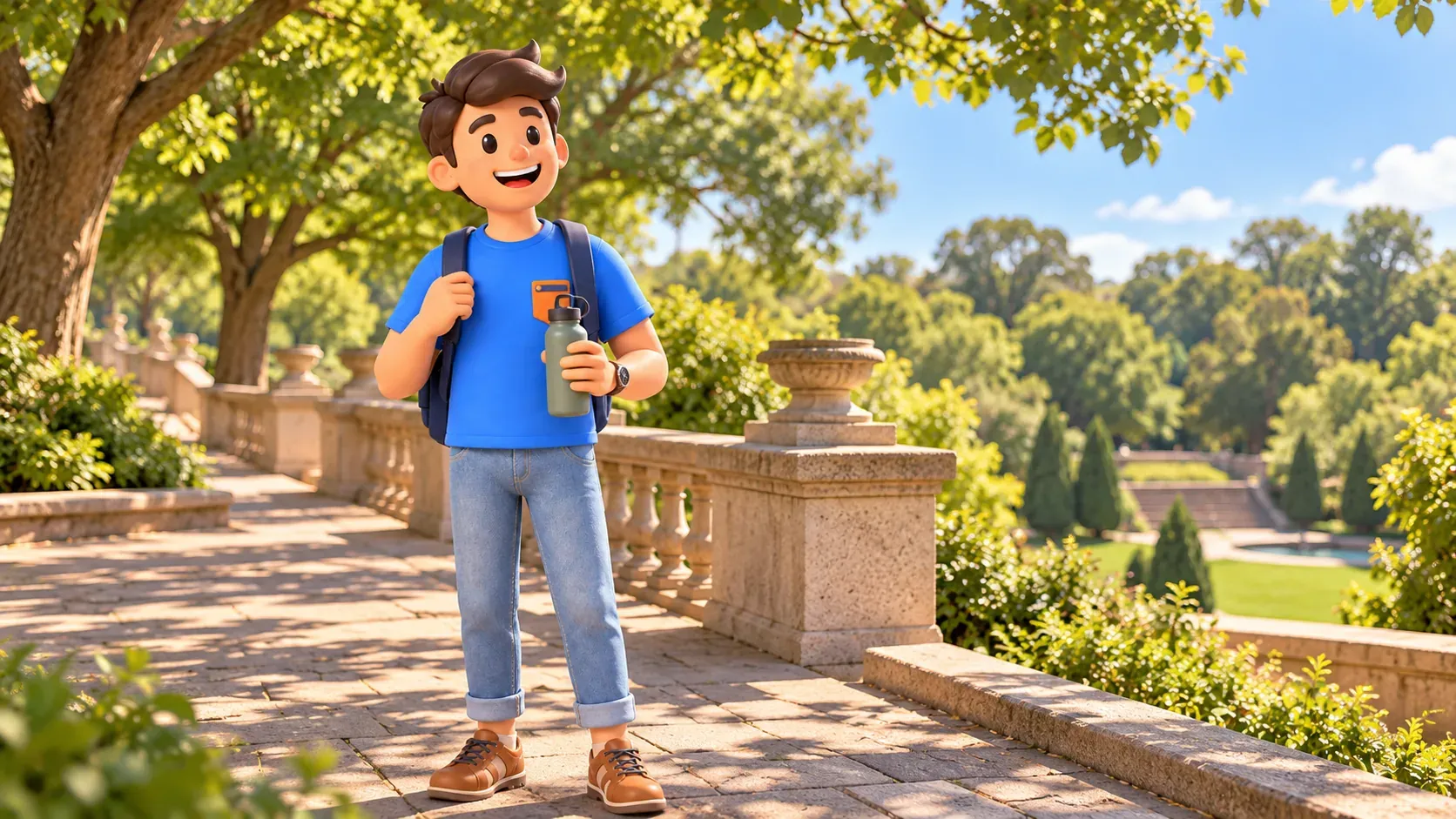
Wear footwear suitable for paths, steps and the weather. Wet surfaces or leaves can alter the effort and comfort of a short route. Carry water or an appropriate layer when needed, and check practical facilities locally rather than assuming toilets and available seats beside each sculpture or terrace.
Before leaving, compare the different kinds of attention the park offered: a memorial on the lower level, the architecture of the cascade and a quieter upper work. That relationship can make the visit memorable even if a path was closed or the water was off. Selection is part of the plan, not evidence that the outing was incomplete.
Finish with enough time for your onward connection. Meridian Hill adds a distinct Washington chapter through formal landscape, changes of level and varied public art. For the wider choice of neighbourhoods, museums and central landmarks, consult the guide to choosing a route around your interests.


