
Hillwood in Half a Day: A Historic Home, Decorative Art and Gardens
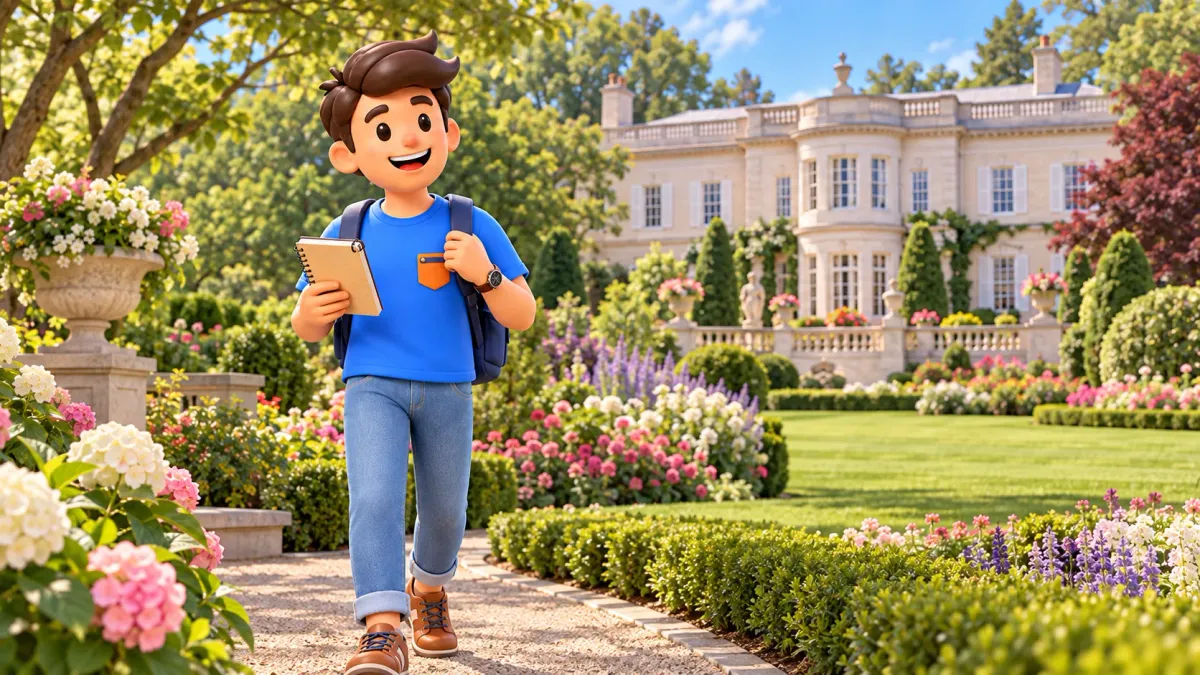
Hillwood offers a Washington half day in which a house, decorative art and gardens belong to one estate. That makes it a useful choice when you want depth without travelling between several institutions. Begin with the mansion and its setting, choose a focused collection visit, then let the gardens provide a slower second part.
Allow roughly three to four hours on the estate, including orientation and a pause, with travel added. This is an editorial estimate for a selective visit, not a promise to see every object and garden feature. The best programme gives the house and landscape a relationship rather than treating them as two complete attractions squeezed into the same short window.
Choose one estate with two kinds of attention
The mansion asks for close looking at rooms and objects; the gardens invite a broader awareness of space, planting and seasonal change. Decide which should receive the strongest attention. An art focused visitor can keep the landscape selective, while a garden focused visitor can choose a shorter interior introduction and preserve more outdoor time.
RoadMe can build a complete personal itinerary around your interests, dates and preferred pace, giving Hillwood the right place in your Washington stay. Planning the whole trip in the app makes it more convenient to balance decorative art, gardens and the other experiences you want without overfilling the day.
Check the current calendar before travelling. Hillwood lists Mondays as closed, together with national holidays and a period of several weeks in January. Consult the specific date rather than treating a general weekly pattern as a guarantee. Tours, exhibitions and facilities can also have arrangements that differ from simply entering the estate.
The local visit allowance does not include another nearby destination. Hillwood’s setting may make Rock Creek Park look like an obvious extra, but a separate woodland route requires its own access and time. Keep this half day centred on the estate unless you deliberately prepare a longer programme.
Begin with Marjorie Merriweather Post’s home
Marjorie Merriweather Post bought Hillwood in 1955 and intended her home to become a museum that would educate and inspire visitors. The estate opened as a public institution in 1977. That brief history explains why the visit combines a domestic setting, collected art and landscape rather than presenting a neutral sequence of museum galleries.
Look at the mansion from an available visitor position before entering. Its relationship with the grounds helps establish the whole experience: a house was the centre of an estate, not an isolated container for objects. You do not need a full architectural chronology to appreciate how the approach prepares the transition to interior rooms.
At arrival, use the current orientation information to choose a realistic programme. A film, map or conversation with visitor staff may help, but the point is to make a choice rather than add every available introductory activity. Identify the house experience you want and leave enough time for the garden section afterwards.
If you want a guided tour, ask about availability under the day’s arrangements. Hillwood currently describes mansion tours as offered on a first come, first served basis, with availability checked on site. Do not build an inflexible afternoon around a particular tour time unless you have confirmation of the appropriate booking or arrangement.
An independent visit can also be selective where permitted. Choose a small number of rooms and themes rather than reading every label at equal length. A house museum rewards attention to the relationships between objects and surroundings, so looking at fewer things more carefully can give a stronger impression than an exhaustive circuit.
Look at decorative art in its setting
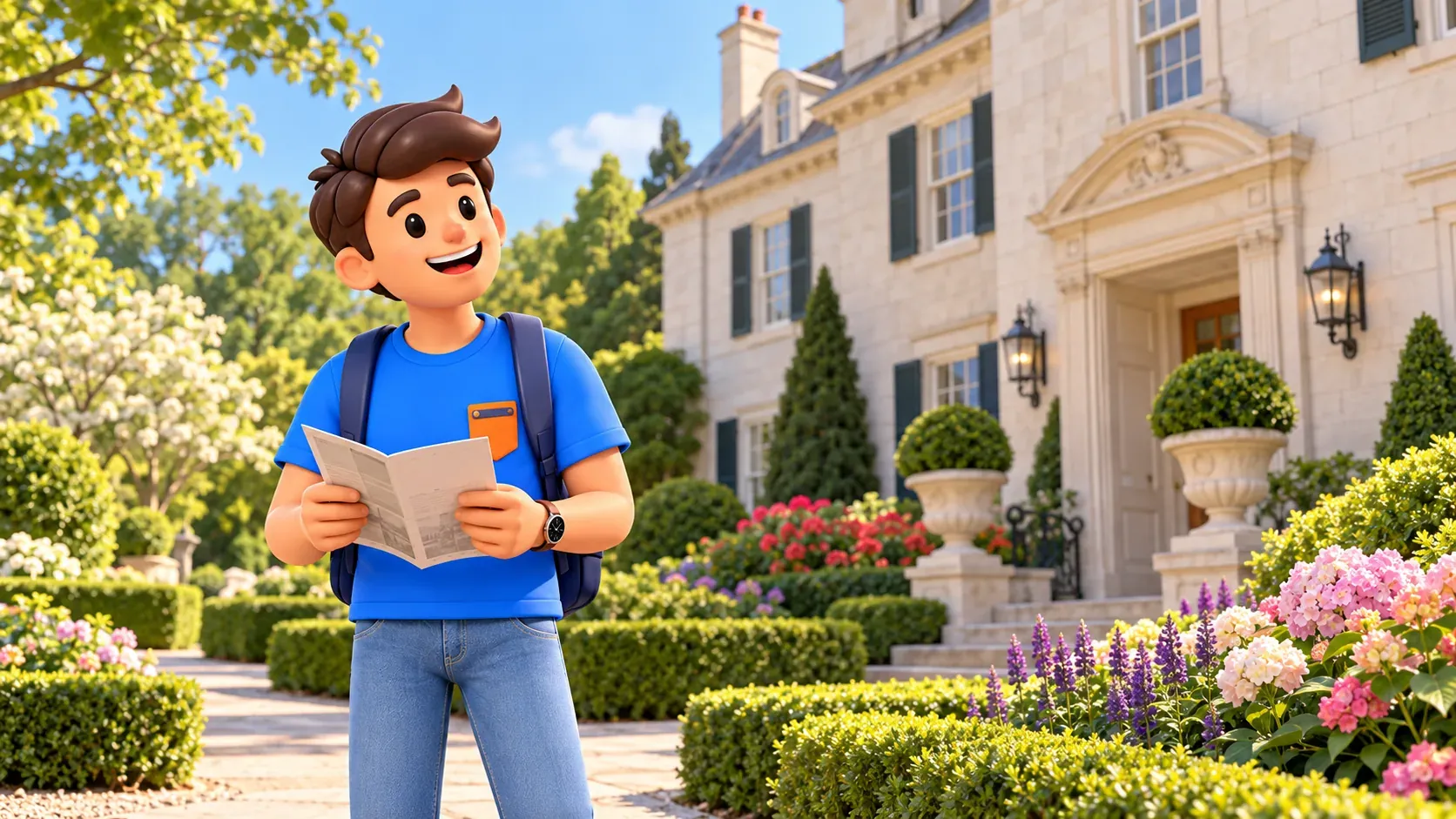
Hillwood is known for Russian imperial art and eighteenth century French decorative art. Those broad collection themes give a useful framework without requiring a list of every celebrated object. Begin by noticing how material, scale and placement affect a room, then choose one or two works that genuinely hold your attention.
Decorative art can be understood through use as well as visual appeal. A vessel, furnishing or table object may communicate ceremony, hospitality, taste or craftsmanship. Ask what the object was meant to do and how that differs from its role in a museum setting. The question helps connect an impressive collection with the human activities associated with a home.
Compare materials and techniques rather than searching only for the most famous name. Porcelain, metalwork, textiles and furniture create different kinds of surface and detail. The available interpretation can clarify what you are seeing. Read enough to return to the object with a better question, rather than allowing the label to replace looking.
The collection includes works associated with Fabergé, but this article does not promise that a particular egg or object is on view at every visit. Displays can change through exhibitions, conservation and other arrangements. If one specific work is the main reason for your journey, confirm its current display separately before travelling.
Keep the experience honest and personal. You do not need to admire every style equally or know the history of every dynasty to visit well. Choose a detail that changes your first impression and give it attention. That is a more useful goal for a half day than leaving with a long list of object names.
Follow photography and movement instructions inside. A historic room has different constraints from an open public square, and other visitors also need space to look. Avoid turning a doorway into a prolonged photo position or assuming that every visible room and object can be approached closely.
Let the gardens provide a different second half
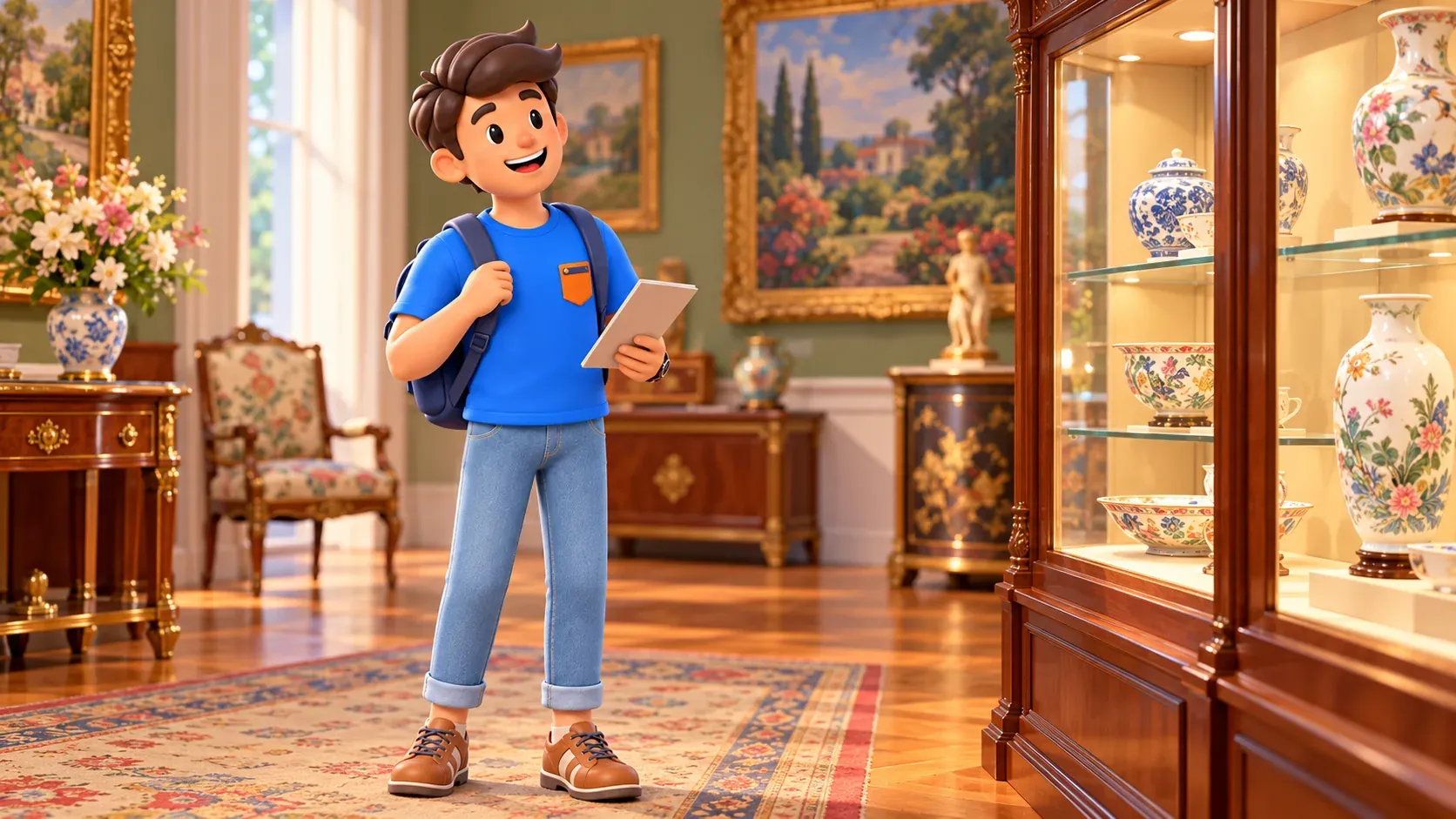
After the mansion, use the available gardens to change the scale of attention. Paths, boundaries, planting and views create a landscape rather than another group of cases to inspect. Choose a few areas that fit your interest and the season. You do not need to cover the entire estate to understand its variety.
The French parterre offers formal pattern and a relationship with the house’s decorative world. Look at the organisation of low planting and paths before concentrating on individual flowers. The composition can remain interesting when the exact seasonal planting differs from a photograph you have seen. A formal garden is more than its peak colour.
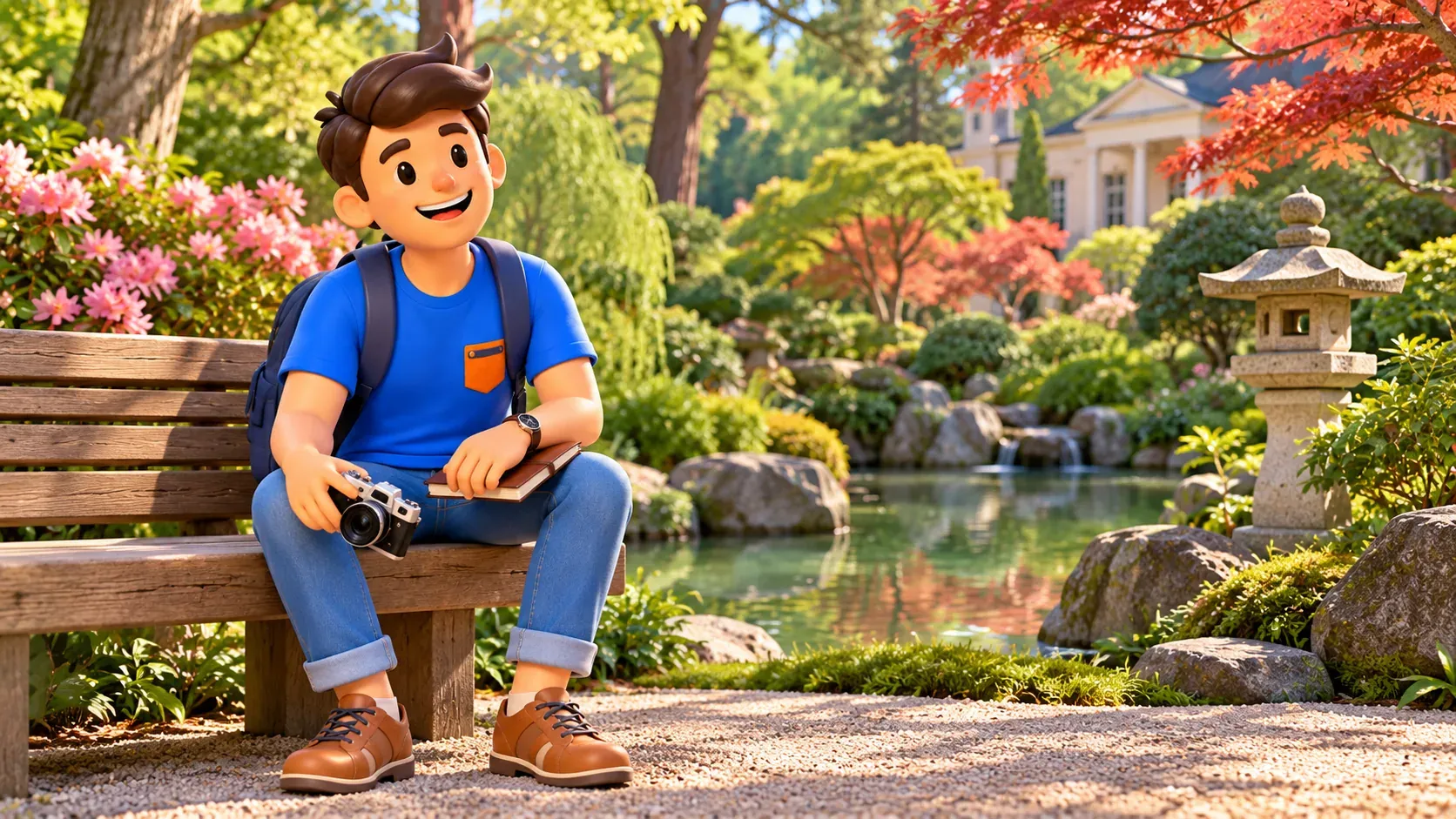
The Japanese-style garden offers a contrasting arrangement, combining different gardening traditions within the estate. Notice changes of level, planting and the way a path reveals the space gradually. Compare the experience with the parterre rather than expecting the same kind of symmetry or view. This contrast gives a selective garden visit enough substance without adding every possible area.
Seasonal garden tours may be available under their own current arrangements. Check on arrival if that is your priority, rather than assuming a guided experience accompanies every admission. A self directed garden section can still be worthwhile when it is permitted, and an unavailable tour need not turn the outdoor part into a disappointment.
Take a pause where it is comfortable and allowed. After close looking indoors, the most enjoyable moment may be a simple view of the house and planting together. Do not use every remaining minute to reach another feature. Leaving one section unexplored can preserve the unhurried character that made Hillwood attractive in the first place.
Build the half day around a meaningful break
A practical rhythm has an arrival and orientation, a focused mansion visit, then a break and selected gardens. The order can change according to weather or a confirmed tour, but the pause should not disappear. Looking at collections asks for attention even when the physical distance is modest, and a little rest helps the second part feel distinct.
A café visit depends on current opening and service arrangements. A drink and a seated lunch have different effects on the schedule. If food is important, give it a proper place and leave the next commitment flexible. Do not assume that being on one estate guarantees an immediate table or a fixed short service time.
Use RoadMe to turn those preferences into a personal programme for the complete trip, shaped around your interests and the dates and pace you choose. The app makes it easier to organise Washington days where a house and garden visit receives enough attention alongside museums, neighbourhoods and central sights.
For a mixed interest group, agree on one shared interior theme and one garden area. That creates a common experience without requiring everyone to sustain the same level of interest in every collection. If people explore independently, choose a clear meeting time and place that respects the estate’s current visitor arrangements.
When shortening the visit, remove an optional area rather than rushing every room and path. A mansion introduction and two well chosen garden experiences can feel more complete than an attempted tour of everything. The right measure is whether you had enough attention for what you chose, not whether you reached each label on the map.
Prepare for indoor and outdoor conditions
Wear suitable footwear and bring what the weather requires for the garden portion. Paths and changes of level may affect comfort. This article does not establish a surveyed step free route through every room and outdoor area. Visitors with specific mobility needs should consult the estate’s current accessibility information and discuss arrangements where necessary.
Check practical facilities and the departure connection before the final section. A comfortable half day includes the return journey as well as the last garden view. Leave time to collect belongings and orient towards your transport without hurrying. Hillwood is a separate destination, not an immediate extension of a central Mall walk.
Finish with one relationship to remember: a room and its objects, a house and its garden, or two contrasting landscape spaces. Hillwood adds a distinct Washington chapter through collecting and domestic landscape. For the wider choice of neighbourhoods, museum days and central landmarks, consult the guide to choosing a route around your interests.


