
Eastern Market to Lincoln Park: A Residential Capitol Hill Walk

Eastern Market and Lincoln Park offer a residential view of Capitol Hill beyond the immediate setting of the Capitol. The route connects a historic public market, ordinary streets of houses and a park containing two very different memorials. It suits a morning or afternoon when you want neighbourhood life and a little history without committing to another major indoor visit.
Begin around Eastern Market, walk through selected residential streets towards Lincoln Park and finish with its Emancipation and Mary McLeod Bethune memorials. Keep the basic version to roughly two to three hours, including a pause. This is an editorial estimate, not a measured route; market browsing, a full meal and travel to the neighbourhood can make the outing longer.
Choose the residential side of Capitol Hill
This walk has a different purpose from an architecture circuit around the Capitol, Supreme Court and Library of Congress. It looks east into the inhabited neighbourhood, with the market as a social and commercial focus and the park as a place for both everyday use and public remembrance. Keeping that distinction clear prevents an easy outing from becoming an oversized Hill checklist.
RoadMe can create a complete personal itinerary around your interests, dates and preferred pace, helping you choose which side of Washington to explore each day. Planning the trip in the app makes it more convenient to fit a relaxed neighbourhood walk alongside the monuments and museums you most want to see.
The sequence works without entering a museum. A market interior can enrich the start when it is open, but current trading arrangements matter. The route does not promise a particular stall, a full outdoor market or a special event every day. Choose the date according to the experience you want, rather than assuming all market activities happen continuously.
Identify the arrival and departure connections before setting off. Finishing in Lincoln Park may leave you in a different direction from the transport used at the start. Include that final link in your day and leave room for a comfortable return. Another timed visit immediately afterwards can undermine the relaxed character of the walk.
Begin at Eastern Market
Eastern Market was completed in 1873 and designed by architect Adolf Cluss. That brief historical frame helps explain why the building matters beyond its current stalls: it represents a long tradition of a public marketplace within the Capitol Hill neighbourhood. The architecture and the market function belong together in understanding the place.
Start with the building from outside. Notice how it meets the surrounding streets and how a market differs from a civic office or a private house. Entrances, circulation and the relationship between shoppers and vendors are part of its character. You do not need to know every architectural term to recognise a building organised around exchange.
If the market is open, browse without turning the stop into a race to taste everything. Choose what genuinely interests you and leave pathways available to shoppers. This is a working market, not simply a demonstration for visitors. Be considerate when taking photographs of stalls or people, and ask where appropriate before making someone the subject.
The current market website lists Mondays as closed. Check the latest arrangements for your date, including any separate outdoor activity you hope to see. A weekday interior and a busy weekend setting may produce different outings. If you visit on a closed day, treat the exterior as the beginning and give more attention to the streets and park.
Food is a choice, not an automatic time saving device. A small purchase may be quick, while waiting for a meal or finding somewhere comfortable to eat can take longer. Give the pause an honest allowance and do not rely on guaranteed seating. The market visit should support the neighbourhood walk rather than dictate a rushed finish.

Let the residential streets carry the middle section
Continue towards Lincoln Park through a modest selection of public residential streets. The exact connection can be adjusted to the group’s comfort and current pavement conditions. The purpose is to experience the change from a trading place to the rhythm of homes, not to find a named attraction on every block.
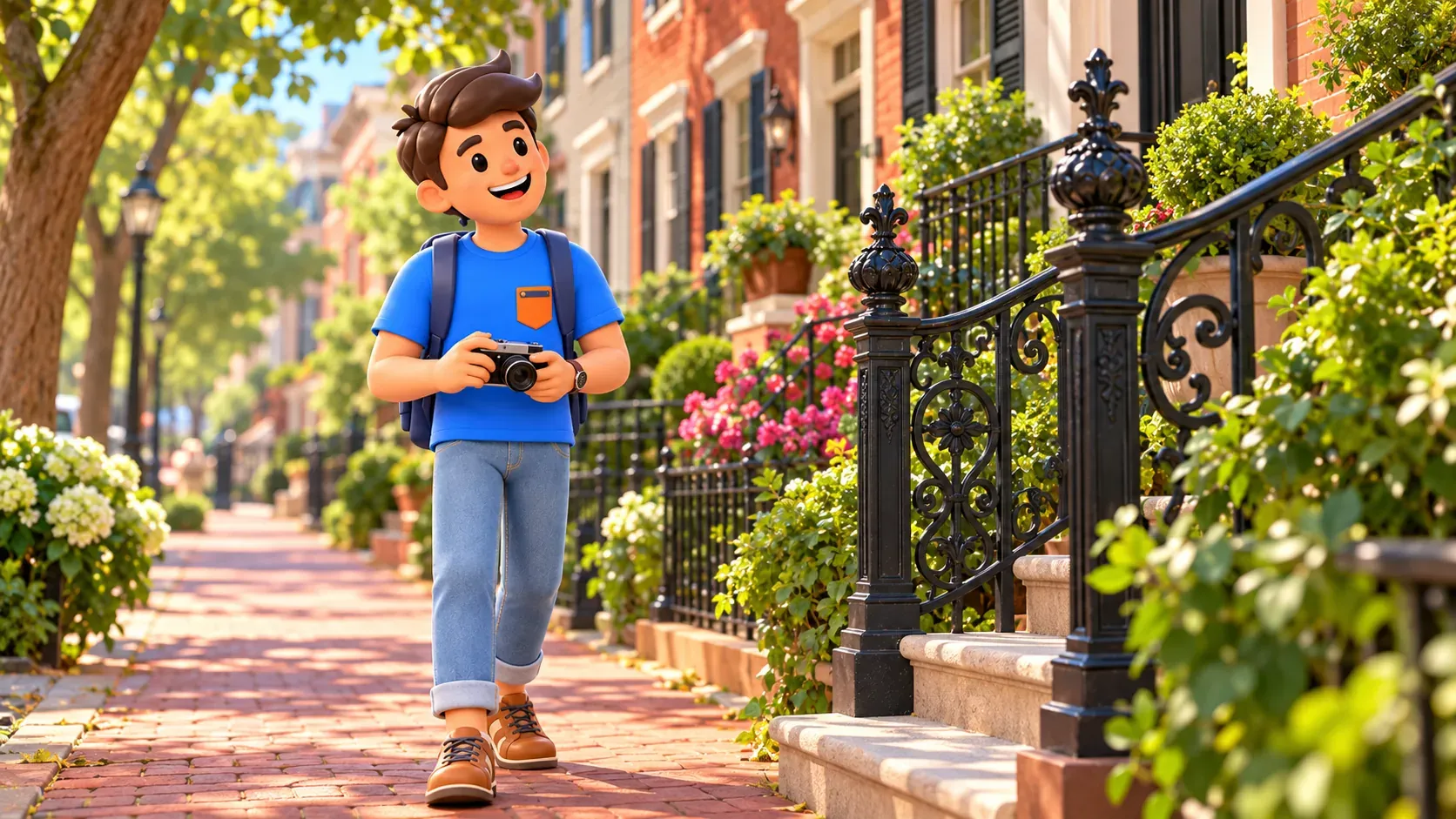
Look for differences in entrances, rooflines, brickwork and the distance between a house and the pavement. These small observations give a street its identity. Compare a few buildings together and notice where the pattern changes. A short, attentive section often communicates more than walking a much larger area while checking a list.
Capitol Hill is a living neighbourhood. Keep doorways and steps clear, remain in public space and avoid using private gardens as photographic foregrounds. A building’s age or beauty does not change its current role as a home. Watching from a respectful distance is enough to appreciate the architecture.
This part of the route is also where you can slow the group’s pace naturally. Agree on a short observation task: compare two doors, find a variation in window shape or decide where the street feels quietest. Different interests can share the experience without requiring a detailed architectural lecture at every corner.
Do not automatically turn west towards the Capitol because it is the district’s most famous name. That is a different route with its own crossings, institutions and time requirements. This outing remains focused on the market, the residential connections and Lincoln Park, giving the eastern neighbourhood a clear identity of its own.
Arrive at Lincoln Park as a public landscape
Lincoln Park gives the walk an open setting after the streets. It is a neighbourhood park as well as a place of commemoration, so allow its ordinary use to remain visible. People passing, resting or spending time outdoors belong to the scene. The monuments are important, but they do not make the entire park a static exhibition.
Begin by understanding the space before approaching individual memorials. Find an open public path, look across the park and choose a comfortable place to pause. The change of scale from house fronts to a larger landscape is part of the outing’s progression. It can be appreciated without walking every available path.
The Emancipation Memorial, also known as the Freedman’s Memorial or Emancipation Group, was dedicated in 1876 and created by Thomas Ball. Its composition places Abraham Lincoln beside a kneeling Black man. Looking carefully at that arrangement opens a question about how public art represents freedom and who is shown acting within the scene.
Keep the interpretation thoughtful and grounded in what is visible. A historic monument can express the choices and assumptions of its own period while prompting different responses from later viewers. You do not have to resolve every debate to visit attentively. Begin with the composition, read available context and recognise that memorials are representations, not complete historical accounts.
Compare the Mary McLeod Bethune Memorial
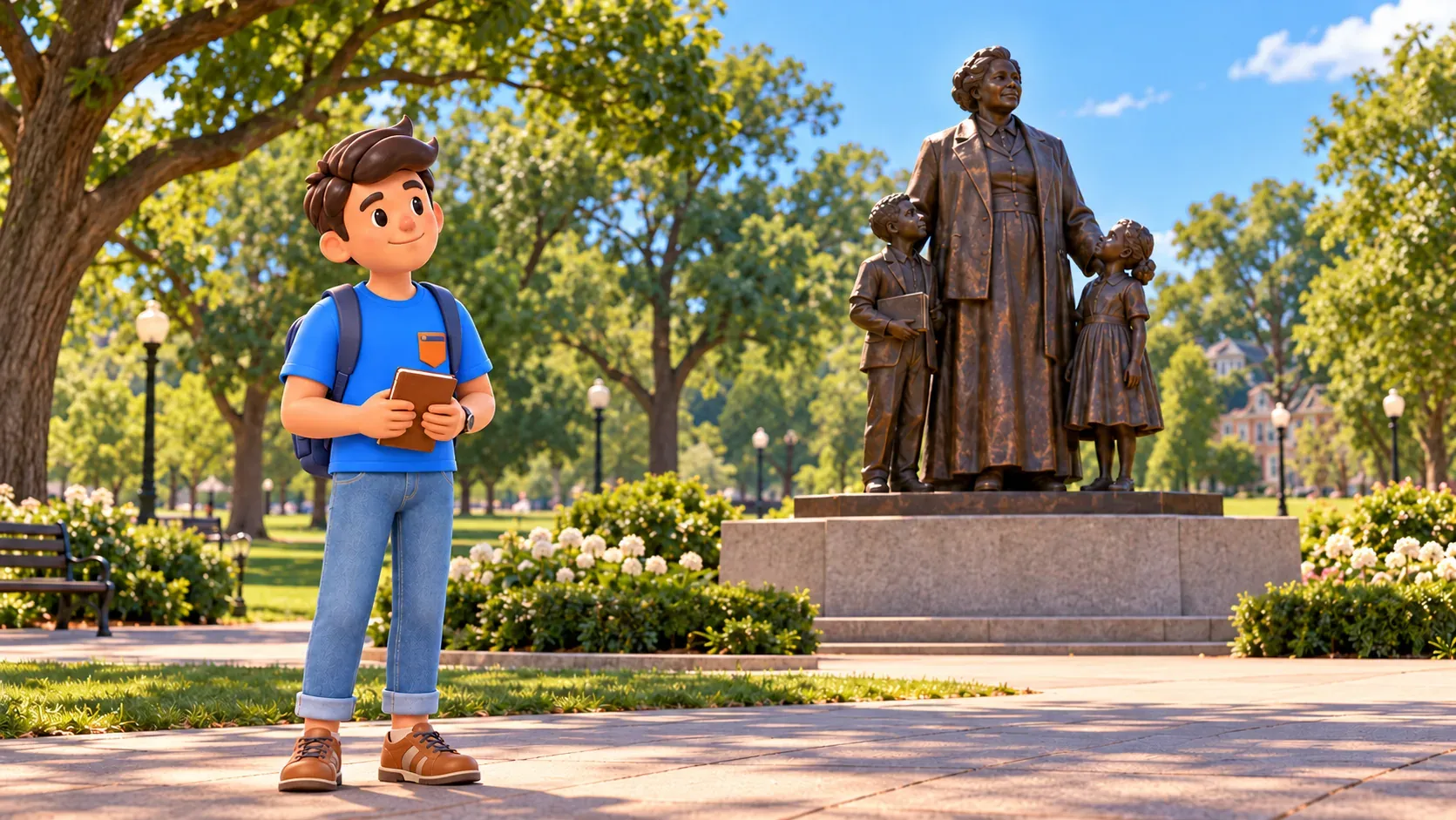
The Mary McLeod Bethune Memorial was dedicated in 1974 and created by Robert Berks. It presents the educator with children, introducing a different vocabulary of public remembrance. Education, the passing of knowledge and relationships between generations provide a useful contrast with the earlier monument’s composition.
View the two memorials as works made at different times and with different visual choices. Compare posture, group relationships and the way each work addresses the viewer. The exercise does not require deciding which is the only correct way to remember. It helps make the history of public representation visible within one park.
The Bethune memorial in Lincoln Park is not the Bethune Council House elsewhere in Washington. One is an outdoor commemorative work, the other a separate historic site with its own visitor arrangements. Keeping those identities clear prevents an apparently simple itinerary from becoming a confusing cross city transfer.
Leave a little quiet time after the comparison. A park stop can include reflection and ordinary rest without another planned activity. Avoid occupying the main viewing space for a prolonged photo session, and follow current signs if a path or area is temporarily unavailable. The route promises no event or uninterrupted access to every part of the park.
Keep the half day personal and comfortable
For a short version, give the market a brief introduction, take a direct but pleasant residential connection and preserve time for the two memorials. For a slower version, browse when trading is available, add a real food break and spend longer observing the streets. Neither version needs another major institution to feel complete.
Use RoadMe to turn that preference into a personal plan for the whole trip, shaped around your interests and the dates and pace you choose. The app makes it easier to organise Washington days that give neighbourhood discovery, food, museums and landmark visits a useful balance.
If the weather changes, adapt the outdoor portion and the break rather than assuming every building nearby provides shelter. Market opening conditions remain separate from the weather, and a café is a business with its own arrangements. Carry an appropriate layer, water or sun protection according to the day.
The route uses ordinary pavements and crossings and is not a surveyed step free itinerary. Choose the actual streets according to your needs and review any specific accessibility requirements before travelling. Seating and public toilets should be checked locally rather than assumed beside each stop. A comfortable plan includes those practical details without overloading the afternoon.
Finish with enough time for the next connection. Eastern Market and Lincoln Park form a coherent chapter of Washington through commerce, homes and public memory. For a wider choice of central sights, museum days and other neighbourhood walks, see the guide to choosing a Washington route around your interests.


