
Washington Civil Rights Day: Museum, Lincoln and King Memorials
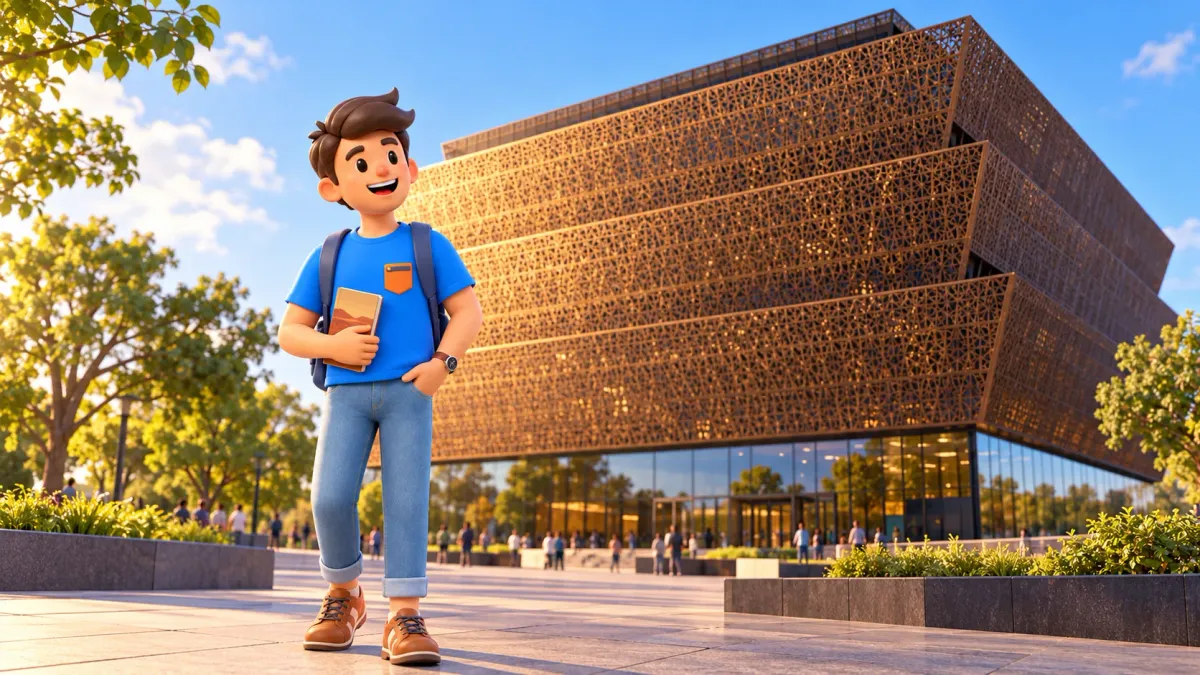
A Washington day exploring civil rights can bring together a substantial museum visit and two public places of remembrance. The National Museum of African American History and Culture, the Lincoln Memorial and the Martin Luther King, Jr. Memorial offer different ways to encounter history, freedom and individual experience. Their connection works best with time to think, rather than a tightly packed list of stops.
Begin with confirmed museum admission, take a proper break and continue to the memorials according to your energy and the conditions. Leave much of the day available. The depth of the museum visit, the emotional demands of the subject and the journeys between places determine the real duration. This is a substantial thematic day, not a short three stop stroll.
Secure the museum visit first
Ordinary visits to the National Museum of African American History and Culture require a free timed entry pass. It should not be presented as merely an optional recommendation. Some visitor categories have specific arrangements, but those exceptions should not be assumed to apply to every traveller. Start with the current rules for your own visit and date.
RoadMe can create a complete personal trip plan around your interests, dates and preferred pace, giving a demanding history day enough time and breathing room. Planning Washington in the app makes it more convenient to balance the museum, memorials and rest with the other experiences you want during your stay.
Choose an available date and entry window before fixing the outdoor part of the programme. Pass availability is limited, and admission procedures or waiting within the museum still need a margin. A timed pass does not mean that every gallery you wish to see becomes immediately available at that exact moment.
Check opening times for the date, including the different start on a normal Monday and any holiday arrangements. Older accounts of periods without advance passes should not be treated as a permanent rule. The museum visit is the anchor of this itinerary; the outdoor sequence is flexible enough to fit around a confirmed entry.
One museum can be the main event of the day
Do not plan to absorb every historical and cultural gallery before a hurried lunch. Choose a principal interest and allow time for orientation, reading and a pause. A focused visit does not diminish the subject. It can make connections more visible than moving through every floor while trying to keep to a short sightseeing schedule.
Discuss the depth of the visit with your companions beforehand. Difficult historical material asks for attention as well as physical stamina. People may want different amounts of detail or need a pause at different moments. A useful plan allows that without making anyone feel that leaving a gallery briefly means failing to complete the day.
Inside the museum: follow human stories
Before entering, notice the building and its position within central Washington. Then follow the current visitor arrangements for your admission. A long exterior circuit is unnecessary when the main interest is inside and entry is tied to a time.
Within the museum, a selective focus might follow a historical sequence, cultural life or particular human stories. This is a way of engaging more carefully, not a reason to simplify a complex subject. A smaller focus can give you time to read, look and connect several materials rather than rushing to reach the next floor.
Let objects and explanations work together. Not every individual item has to produce an immediate strong response. Sometimes the significance emerges through a sequence or through a relationship with the next piece of interpretation. If concentration starts to fade, take a break instead of continuing through habit and discovering later that little of the material remained clear.
Some historical subjects may be emotionally difficult. For a family visit, consider the age and needs of the participants before choosing the scale of the day. Several well explained stories and a calm discussion can be more useful than an uninterrupted lesson built from the largest possible quantity of material. The group does not need to experience every part identically.
Check the current rules for belongings, photography and admission. If you have a particular access requirement, establish the relevant arrangements beforehand.
Before leaving, choose one thought, question or human story that gave the visit a personal connection. You do not need to reach a final interpretation of the whole subject. A precise question worth returning to later can be a more honest and lasting outcome than a broad conclusion formed while moving towards the exit.

Put a real break between museum and memorials
Leave time for food, water and rest before continuing outdoors. The interval is not wasted space between attractions. It lets you change the kind of attention you are using. After substantial galleries, an open landscape can be experienced more clearly when you are not simply searching for the next address while tired and hungry.
This route does not depend on a particular café or a guaranteed quick lunch. Opening, queues and your preferences determine the choice. If you plan to eat inside the museum, check the current arrangements for that service rather than assuming they are identical to gallery access. Keep the break flexible enough to perform its purpose.
Afterwards, reassess the weather and the group’s energy. Continuing to both memorials is the complete version of the day, not an obligation under every condition. You can choose one outdoor stop or move both to another day. A museum visit that deserves longer attention can remain successful without immediately completing the entire proposed sequence.
The journey to the Lincoln Memorial needs real time. Walk by open public routes or choose a transport connection, counting waiting and the final approach. Avoid making every landmark on the way another full visit. The itinerary already has a strong theme, and too many additions can weaken the attention available for its final section.
A notice checked on 22 October 2026 closes the Reflecting Pool and the paths immediately beside it until 20 November. Follow signed open outer paths and diversions. This itinerary does not promise a water edge approach, a reflection view or access across a closed area. Current barriers determine the usable route, even when an older photograph suggests a straighter connection.
The Lincoln Memorial: a public setting for history
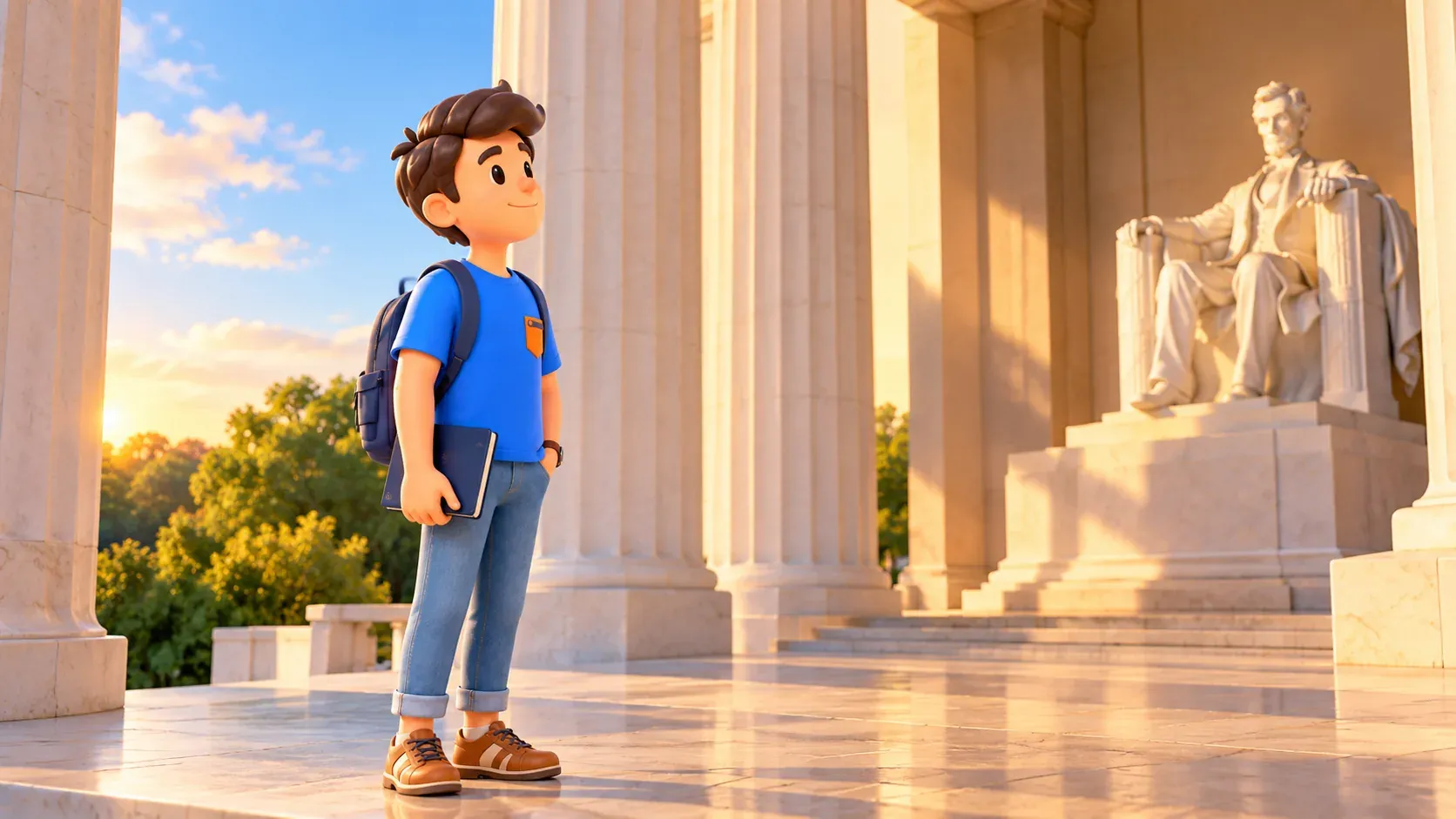
The Lincoln Memorial has a place in this day beyond presidential remembrance. Its steps became the setting for major public events, including the 1963 March on Washington and Martin Luther King, Jr.’s address. That connection helps explain why it belongs after the museum in a day concerned with civil rights and the forms of public memory.
First look at the architecture as a whole and notice the change from the museum setting. Here the story is expressed through scale, sculpture and text within a shared public space. You do not need to repeat the entire morning’s historical context at every column. Let the difference in form become part of the experience.
When access allows, consider the seated figure and choose a few available passages to read. One understood thought is more useful than rapidly covering every inscription for completeness. If concentration is already low, a shorter, quiet stop still has meaning. There is no requirement to turn each memorial into another long museum style block of explanation.
Do not assume an empty central staircase or a clear viewpoint simply because it appears in familiar images. Current movement arrangements and other visitors affect the approach. For particular mobility needs, check the available routes before arrival. A photograph of the front does not provide enough information to establish how everyone will enter or move through the site.
If the group wants to discuss the connection between places, stop somewhere suitable without blocking the flow. A short question may be enough: how does a museum tell a story differently from a memorial? That comparison keeps the day coherent without asking tired visitors to stand through another detailed lecture after several hours on their feet.
The King Memorial: another language of remembrance
Continue towards the Martin Luther King, Jr. Memorial using the open public routes and current visitor signs. This is a separate connection, not simply another part of the same platform. There is no need to add a full circuit of the Tidal Basin. The selected memorial stop is sufficient for the purpose of this day.
The arrangement offers a different image of remembrance from the classical Lincoln Memorial. Notice the relationship between the large stone forms and the figure, and how the approach organises movement through the space. An attentive overall view and a few selected details can provide a first introduction without requiring a complete explanation of every element.
King’s connection with the civil rights movement and nonviolent public action gives the visit its short historical frame. A travel day should not attempt to explain the whole movement through a single sculpture. The museum and memorial offer different levels of encounter, and their relationship is useful precisely because one does not replace the other.
The available inscriptions allow attention to move from the image towards ideas. Read selectively rather than using every phrase merely as a decorative background for a photograph. A few minutes with one passage can connect the final stop with a question that emerged in the morning, without requiring all three places to produce the same response.
Respect the personal reasons other people may have for being here. Avoid occupying a shared space for a long staged scene or disturbing someone who has stopped quietly. A simple photograph can preserve a memory without turning a place of remembrance into a private set.
After the final stop, leave room for a gentle ending rather than another large historical task. An available open public path, a suitable place to sit or a straightforward return can be enough. The point is to let the day settle, not to keep adding significant places until every remaining hour is filled.

Choose the version that fits your attention
The complete version combines the principal museum visit, a substantial break and both memorials. A shorter version retains the museum and one memorial. A deeper version gives the museum most of the day and moves the outdoor places to another time. Each is worthwhile when its actual scope is clear and the transfers remain realistic.
Avoid automatically adding another major museum. A shared subject does not guarantee enough attention for several detailed exhibitions in succession. Across a longer stay, distribute demanding histories and leave easier neighbourhood walks between them. In hot or wet conditions, reduce exposed journeys or use transport instead of insisting on completing the longest walking version.
Use RoadMe to organise the wider journey around your interests, dates and comfortable pace, with a complete personal plan that gives history, neighbourhoods and rest their own time. The app makes it easier to leave a demanding museum day enough space and choose a lighter continuation across the rest of your Washington stay.
Take away one observation from the museum and one from each memorial you visit. An object, a text and a sense of space do not have to become one simple answer. Complex history can leave questions worth revisiting after the journey. Finish with a margin for onward travel, food or quiet rest. For other ways to divide your stay, see our guide to choosing a Washington route around your interests.


