
Brookland in Half a Day: The Basilica and Franciscan Monastery Gardens
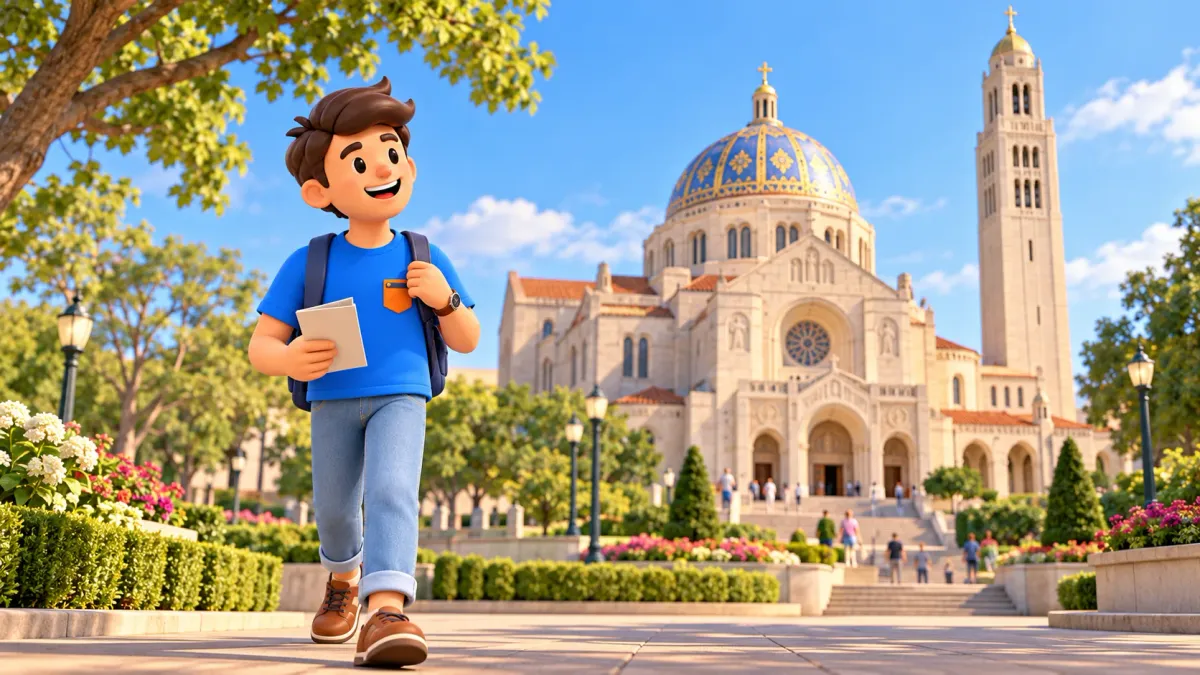
Brookland offers a Washington half day centred on religious architecture and a quieter garden setting. The Basilica of the National Shrine of the Immaculate Conception and the Franciscan Monastery of the Holy Land in America belong to the same broad part of the city, but they need a deliberate connection and enough time to be experienced as separate places.
Begin with the basilica, take a break and a suitable walking or transport connection, then continue to the monastery church exterior and its available gardens. Choose one substantial interior experience rather than trying to tour every religious institution nearby. Allow roughly four to five hours locally, with travel to Brookland added; this is an editorial estimate.
Choose two destinations with different roles
The basilica supplies the large architectural and artistic focus. The monastery provides a different setting, where the church and gardens create a slower second part. Giving each a clear role makes the half day more coherent than treating the district as a collection of interchangeable shrines. The connection between them also needs a real place in the programme.
RoadMe can build a complete personal itinerary around your interests, dates and preferred pace, helping you choose the right balance of architecture, sacred art and garden time. Planning your Washington stay in the app makes it more convenient to organise these destinations alongside the other experiences that matter to you.
Both places have religious functions. Visitor access, worship, organised groups and tours may follow different arrangements, and an open place of prayer does not imply that every visitor experience is available. Check the current guidance for the exact activity you want before setting the order and timing of the day.
The route is not a promise that all of Brookland can be covered on foot effortlessly. Decide whether the connection suits your group’s comfort, weather and mobility needs. Using an appropriate transfer between two main places can create a more enjoyable outing than spending energy on a link you never wanted to walk.
Begin with the basilica’s scale
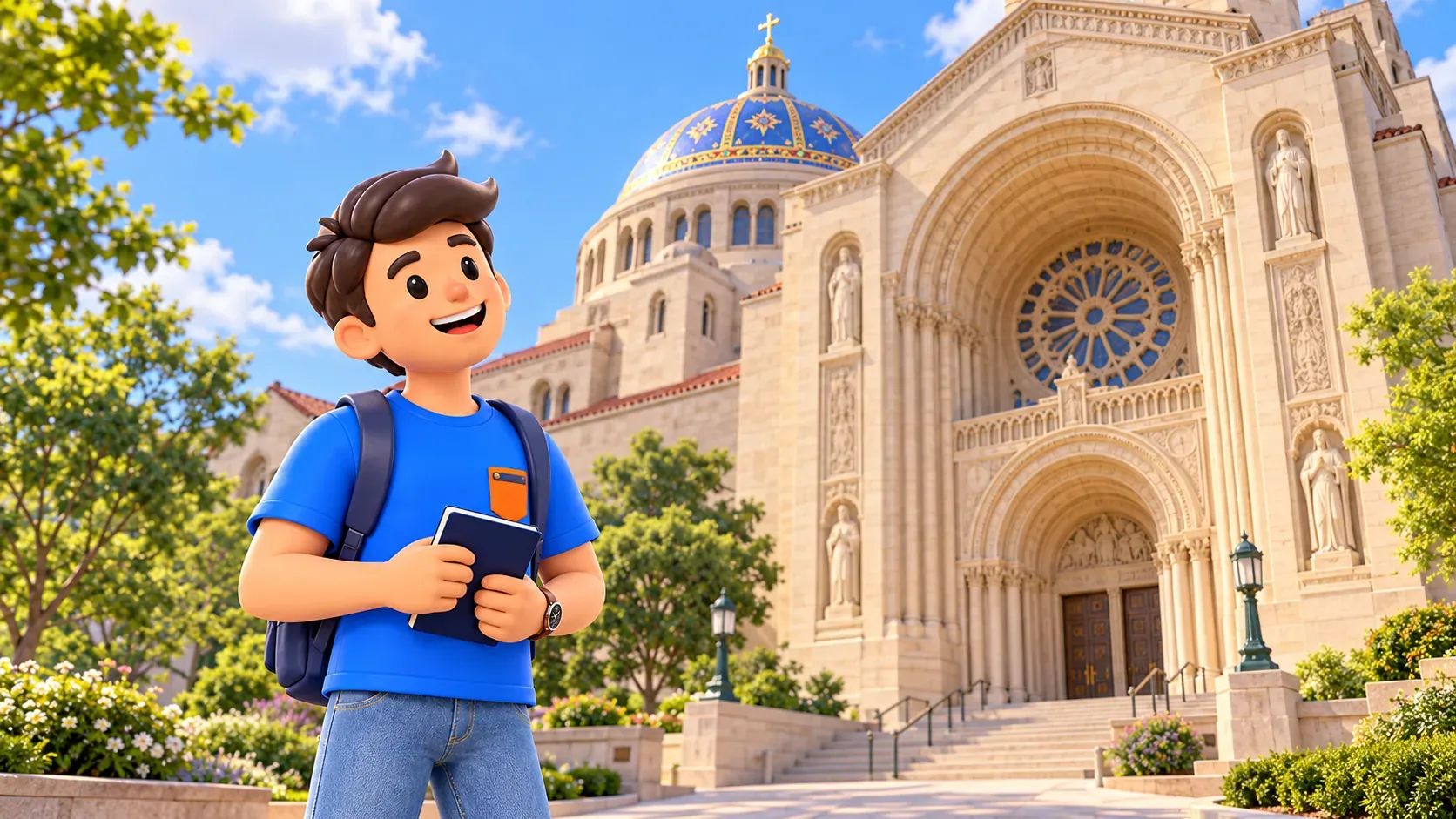
The Basilica of the National Shrine of the Immaculate Conception offers a different architectural vocabulary from Washington National Cathedral. Domes, the overall mass and the relationship between the building and its approach provide a useful starting point outdoors. Look at the whole before trying to identify individual chapels or artistic details.
The site combines a national religious role with spaces that invite more personal attention. If you enter when visitor access is available, choose a few features to look at carefully rather than approaching the building as a checklist of every chapel. A large interior can be appreciated through selected moments of attention.
Mosaics are an important part of the basilica’s artistic experience. Notice how an image works at different distances: colour and light may register first, while figures and details emerge closer up. You do not have to know every subject in advance. The available interpretation can help you return to a work with a more informed second look.
Guided tours have their own arrangements. The basilica’s current tour page states that reservations are required, and no guided tours are offered on Sundays. Check the actual availability for your date rather than assuming that arriving during a general opening period means joining a tour immediately.
If an organised tour is your priority, make that the anchor of the first part. If you prefer a selective independent visit under current conditions, allow time to orient and follow instructions. Neither choice guarantees access to every level or area during services and other activities. Respect worshippers and keep movement and conversation considerate.
Give the connection and a break enough space
After the basilica, take time to decide how the group is feeling before moving to the monastery. A large religious building can demand concentration even when the physical distance inside seems modest. A drink, snack or quiet pause helps distinguish the two destinations instead of allowing them to merge into one tiring sequence.
Choose a public walking route or an appropriate transport connection according to current conditions. Do not rely on the visual distance between two map markers as a full estimate. Crossings, the actual entrances and the group’s pace affect the link. This article does not establish a surveyed step free connection.
A full meal changes the plan more than a short pause. If lunch is central to your afternoon, give it a real block of time and shorten an optional visit. Queues, available tables and service vary. A religious institution’s visitor facilities should also be checked rather than assumed to provide food or seating whenever you arrive.
Keep the second destination’s access window in mind without turning the break into a countdown. If the remaining time is too short for a comfortable monastery visit, reduce the programme deliberately. A single well enjoyed main place is better than reaching a second gate with no attention left for what lies beyond it.
Approach the Franciscan Monastery as a separate place
The Franciscan Monastery of the Holy Land in America has its own purpose and visual identity. Its history includes representations of Holy Land shrines, offering a pilgrimage experience in Washington. That idea helps explain why architecture and landscape work together here rather than functioning simply as a church with decorative grounds.
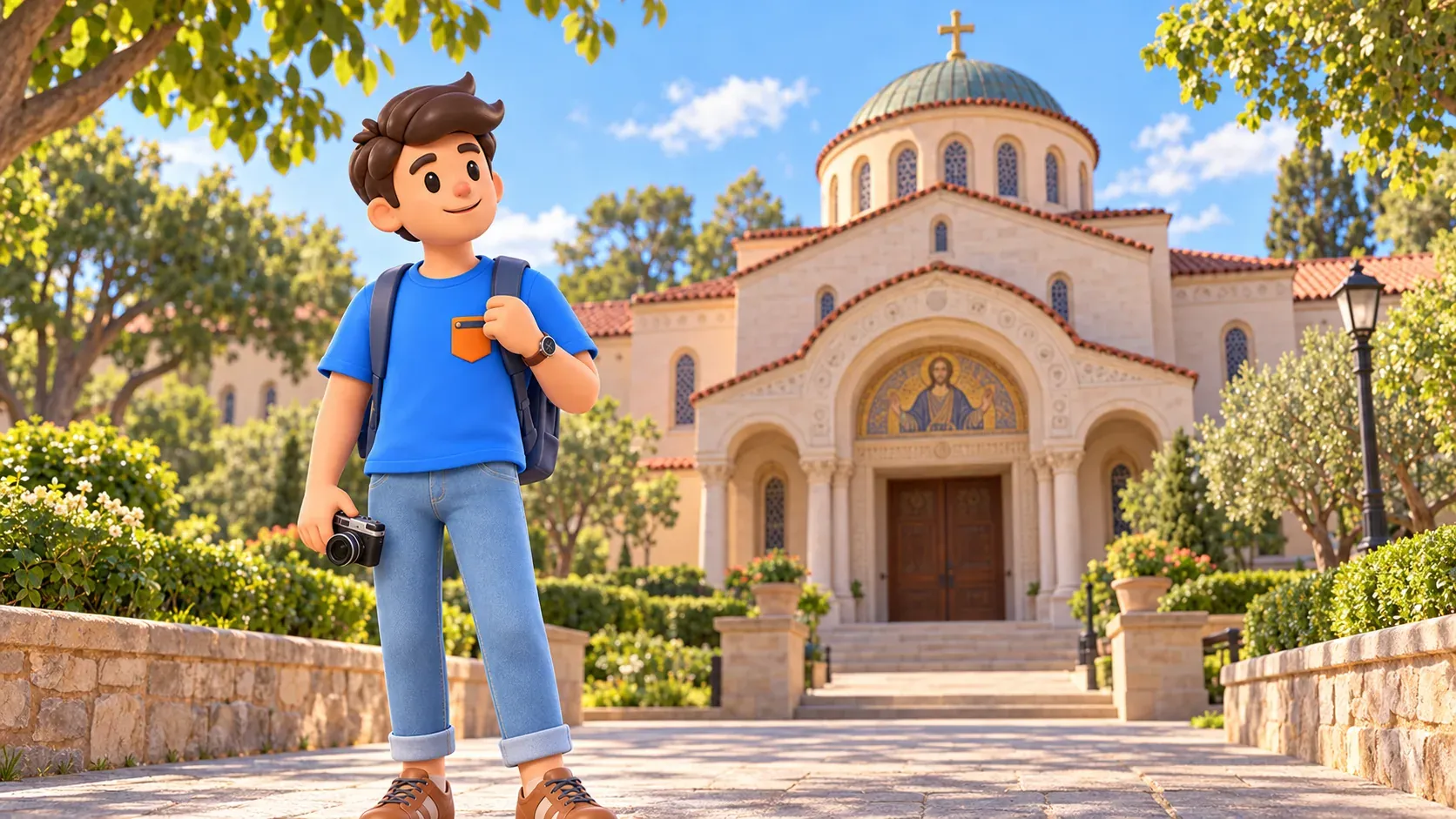
Begin with the memorial church exterior from permitted visitor space. Compare the overall form and setting with the basilica you saw earlier. The point is not to rank two religious buildings, but to notice how different scales and arrangements communicate different experiences. A small number of comparisons gives the afternoon a useful thread.
The basic second stop does not promise a full interior tour, catacomb visit or access to every religious space. Those experiences depend on current visitor arrangements and may require separate planning. If one of them is especially important to you, consider making the monastery the principal destination and reducing the basilica programme.
Keep entrances clear and follow instructions about photography and quiet. People may be visiting for prayer or reflection, not tourism. You can appreciate the architecture and history while respecting those uses. An attractive doorway or a visible passage does not establish that you may explore independently beyond the public visitor area.
Let the monastery gardens slow the afternoon
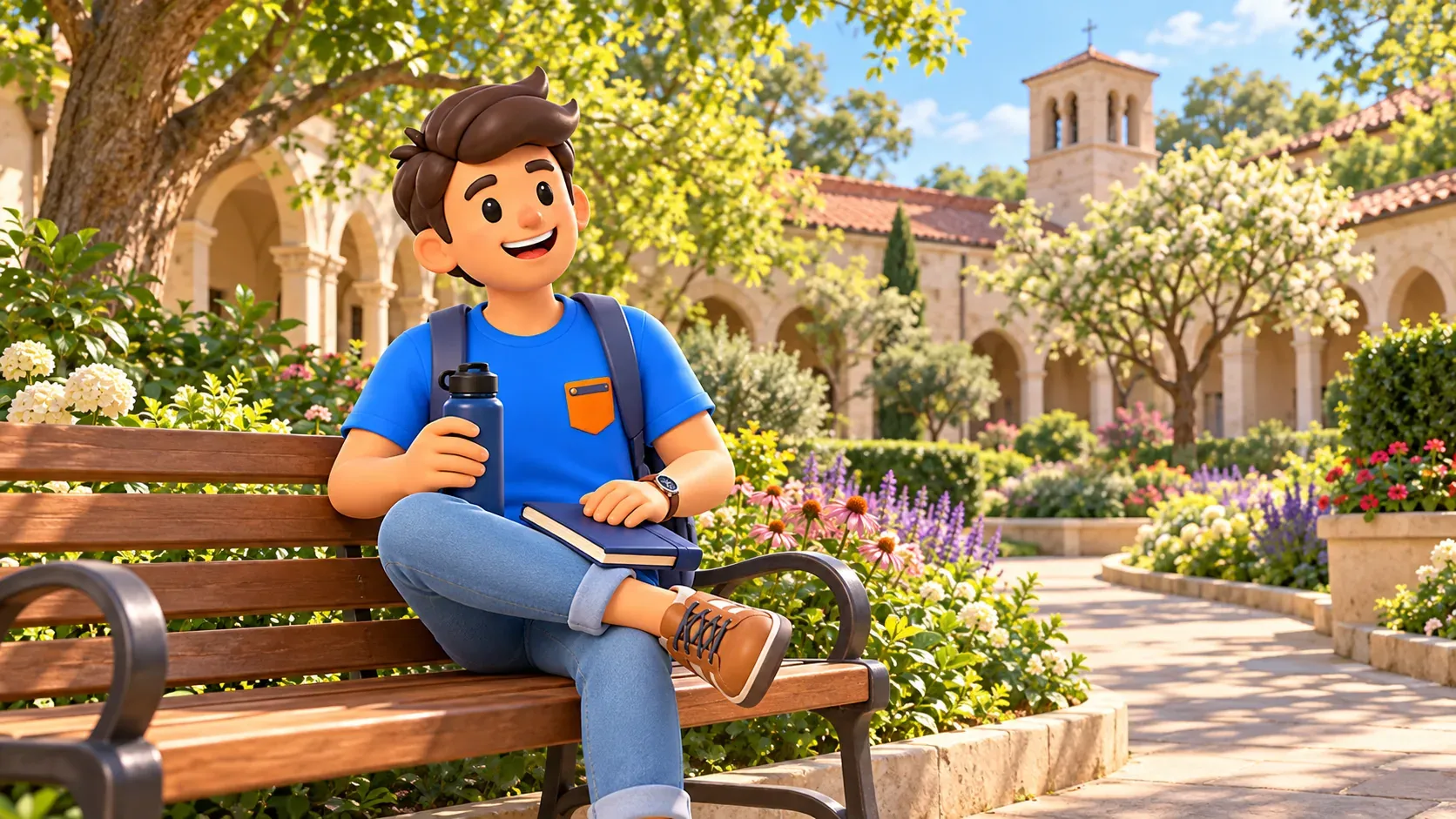
The gardens provide a different kind of attention after large buildings and their interiors. Follow available paths and observe how planting, religious features and changes of space relate to the church. A garden visit need not be an exhaustive circuit. Choose the portions that suit the time and the group’s comfort.
The monastery currently describes its gardens as open daily to the public, while guided garden tours follow a separate seasonal programme. Volunteer tours are listed on Saturdays from April through September. Do not confuse the guided season with the entire period in which a self directed garden visit may be possible.
Check the current arrangements for your date and follow temporary signs. Weather, maintenance or an event can affect a particular area even when the general garden is open. Seasonal photographs should not create an expectation of identical flowers throughout the year. Structure, greenery and the relationship between spaces can provide interest without peak bloom.
Some areas and paths may involve changes of level. The phrase garden visit does not guarantee a route suitable for every mobility need. Consult the specific accessibility information when required and choose a comfortable section. There is no obligation to reach every feature for the visit to feel complete.
Leave time simply to pause. The second half of the outing should feel different from the concentration of the basilica, especially if you have already taken a guided tour. Silence, observation and a comfortable stopping point can be the main experience, not empty minutes that need another interpretive activity.
Keep further shrines as alternatives
The Saint John Paul II National Shrine is a possible separate choice in the wider area, not an automatic third institution in this half day. If it is your priority, replace part of the programme and check its current visitor conditions. Adding another full visit silently would change both the time budget and the character of the outing.
Use RoadMe to turn those preferences into a personal plan for the complete trip, shaped around your interests and the dates and pace you choose. The app makes it easier to organise Washington days where sacred architecture, gardens and other discoveries have enough room to be enjoyed.
For a sacred art focus, give the chosen interior the strongest attention and keep the rest selective. For a calmer outdoor version, use exterior introductions and preserve more garden time when conditions allow. A mixed group can agree on one shared priority, then choose a pace that leaves space for people who prefer a shorter visit.
Bring what the weather requires and check practical facilities locally. Water, an appropriate layer and suitable shoes may matter more than an extensive list of religious buildings. Toilets, food and seating should not be assumed available in every part of each property. Respect any guidance about what may be carried into buildings.
Before adding anything else, ask which part the group would like to remember most: a mosaic, the scale of a building or a quiet garden view. That shared choice can shape the final pause and prevent the afternoon from expanding merely because another institution happens to be nearby.
Finish with a clear departure connection and enough margin to reach it comfortably. Brookland’s basilica and monastery can form a thoughtful Washington chapter through architecture, art and landscape. For the wider choice of neighbourhoods, museum days and central landmarks, consult the guide to choosing a route around your interests.


