
Back to Verona: Three Walks Beyond the Familiar Sights
Already know Verona's Arena, Piazza delle Erbe and Juliet's House? On a return visit, choose a smaller subject: the culture of handwritten books, an extraordinary use of wood in a neighborhood church, or fossils that take the story far beyond the age of the city. A fresh experience does not require a day trip or a supposedly secret doorway.
These three short itineraries are alternatives, each built around a different interest and one substantial visit. Pick one for a free morning or afternoon, allow time for a meal, and keep some room for a familiar place you would like to revisit. Trying to complete all three in a day would undo their main advantage: the chance to look more closely.
Choose a theme before choosing more sights
For books and manuscripts, stay in the northern part of the old town around the Chapter Library. For craftsmanship and garden design, cross into Veronetta and combine Santa Maria in Organo with Giardino Giusti. For a change from art collections, begin at the Natural History Museum in Palazzo Pompei and finish with a neighborhood walk beside the Adige.
For a return visit shaped around your own interests, try RoadMe: the app creates a personal trip plan using your dates, pace and budget. It is a convenient way to turn the things you care about into a coherent itinerary for the whole stay.
Each option has a clear starting area and an easy point at which to stop. The suggested durations are planning estimates, not measured walking times: travel from your accommodation, admission queues and additional visits need their own allowance. Check the calendar of the actual institution you want to enter; Verona's cultural places do not all share one closing day.
- Books and old-town streets: roughly two to three hours, from Piazza Duomo to Via Sottoriva.
- Wood, stone and greenery: roughly three to four hours, from Ponte Nuovo through Veronetta to Giardino Giusti.
- Natural history and the river: roughly two to three hours, from Palazzo Pompei across Ponte Navi to Filippini.
Books and manuscripts: Piazza Duomo to Via Sottoriva
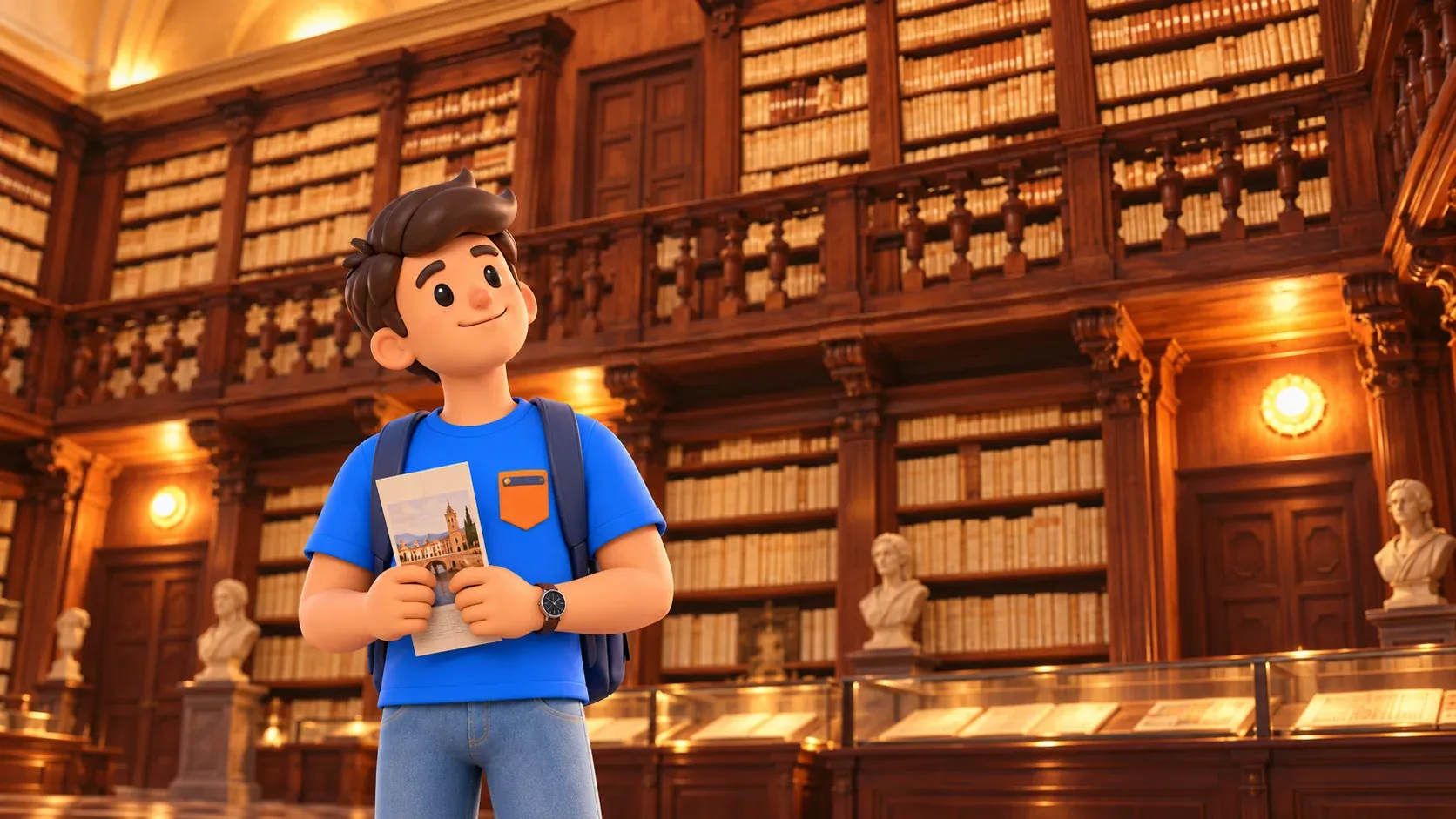
Begin at Biblioteca Capitolare, the Chapter Library beside Piazza Duomo. This is a rewarding change if your first visit left you with a memory of squares, shopfronts and imposing buildings. Here the subject is how knowledge was written, copied and preserved, and how the physical book became part of the city's cultural life.
The local scriptorium is documented as early as AD 517. The monumental hall visitors see today, however, should not be imagined as an untouched medieval room: it was rebuilt after the destruction of 1945. Separating the age of the collection from the age of its present setting makes the story more revealing, rather than less impressive.
Allow around 60–75 minutes for a self-guided museum visit. That is a suggested allowance, not the official duration of a guided tour. The visitor entrance is listed at Piazza Duomo, 19; the research reading room is a different service. Being a library visitor does not mean you can request unrestricted handling of the ancient manuscripts.
Ask what is on display for your dates rather than arriving with a checklist of every famous book in the collection. Guided visits have separate dates, languages and booking conditions. In the published 2026–2027 seasonal schedules, the museum route closes on Wednesdays, with additional temporary variations possible on other days. Check these before anchoring your morning around it.
Afterwards, give the square a little time and walk through the surrounding public streets towards Ponte Pietra, then head south along Via Sottoriva. You do not need to cross the bridge for this option. The pleasure is the gradual change between small spaces, river glimpses and arcaded streets, without adding another timed admission at every turn.
Budget roughly 30–40 minutes for the outdoor walking and looking, plus another 30–45 for a café break. Sottoriva is an attractive finish, but it is a working city street with hospitality businesses, not a guaranteed silent retreat. Enjoy its character without making the success of your walk depend on having it to yourself.
The nearby cathedral complex can become a separate visit if church architecture is your stronger interest. Its proximity does not make it part of the same ticket or timetable as the library. For the shorter books-focused outing, appreciating the square and exterior is enough; a full cathedral visit needs its own admission check and additional time.
Veronetta: look closely at wood, then step into a garden
For the second option, start at Ponte Nuovo and cross to Veronetta. Continue through the Isolo area towards Santa Maria in Organo. Rather than treating one bank as more authentic than the other, use the change of neighborhood to change your attention: this walk follows the ways wood, stone and living plants shape an experience of space.
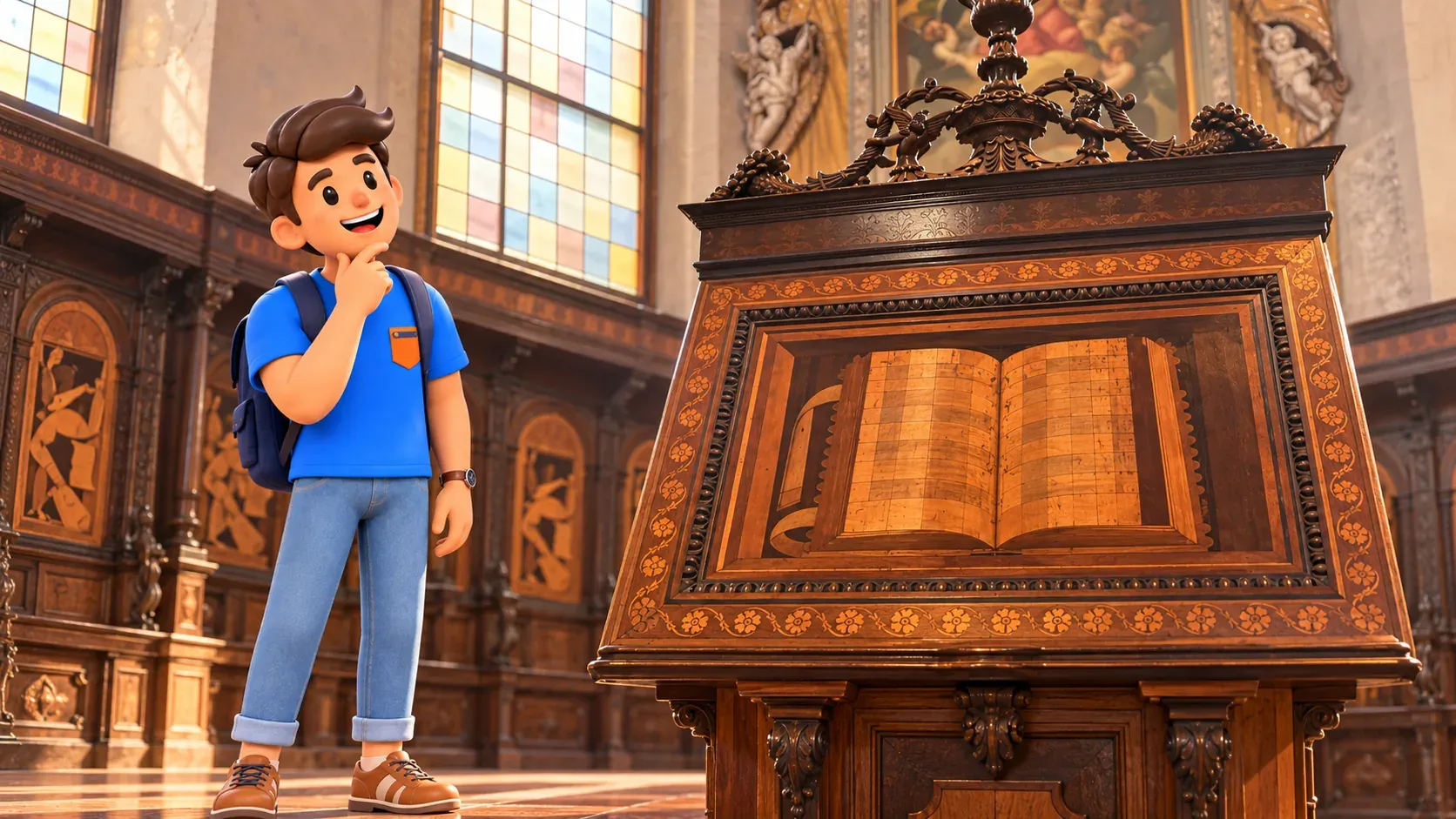
The church's particular attraction is the wooden inlay associated with Fra Giovanni da Verona. Images of objects and architecture create an illusion of depth, so a flat panel can seem like a recess or an extension of the room. You do not need specialist knowledge to enjoy the ingenuity of the perspective or the care involved in the material.
Allow around 30–45 minutes if the church is open for cultural visits. Access depends on the welcome provided by Verona Minor Hierusalem volunteers, religious services and seasonal interruptions. A church appearing on a map does not guarantee visitor access every day. Confirm the current arrangements and the accessible interior sections, especially if the inlay is the reason for coming.
If the opening does not suit your dates, keep the neighborhood walk and garden, and save the church for a confirmed opportunity. A return visit works well when it has this flexibility. There is little benefit in spending a large part of a short break waiting beside a closed door because an old travel article suggested walking straight in.
Continue via the street connection around Via Interrato dell'Acqua Morta and Via Carducci towards Giardino Giusti. Resist adding every church and viewpoint in Veronetta along the way. One thoughtful interior visit gives the garden room to feel different; several successive detours can leave it as the final task in an unnecessarily tiring afternoon.
Giardino Giusti brings together clipped geometry and a more wooded landscape. In the lower garden, low hedges establish clear patterns while cypresses give the view its strong verticals. Higher paths introduce slopes and a different atmosphere. This is designed nature, with planting used almost like an architectural material, rather than a simple break between buildings.
The grounds had an earlier connection with wool processing before their transformation into a formal garden and representative residence in the sixteenth century. That short piece of history changes how you look: the setting belongs to a city of production and changing uses as well as churches, palaces and military walls. You need not memorize a family chronology to appreciate that shift.
Leave about 60–90 minutes for the garden and a separate half-hour pause before or after it. Giusti has its own paid admission; it is not an unrestricted public park. Do not treat the whole visit as level walking: the upper section involves climbing, and visitors with mobility needs should check the route in advance. Allow around 40–50 minutes in total for outdoor walking between the start and the garden.
Natural history and Filippini: a different story beside the Adige
The third outing begins on the eastern bank at Palazzo Pompei, home to Verona's civic Natural History Museum. The name does not mean a journey to the archaeological site of Pompeii: you remain in the city, on Lungadige Porta Vittoria. The Renaissance palace designed by Michele Sanmicheli provides an unexpectedly grand setting for a scientific collection.
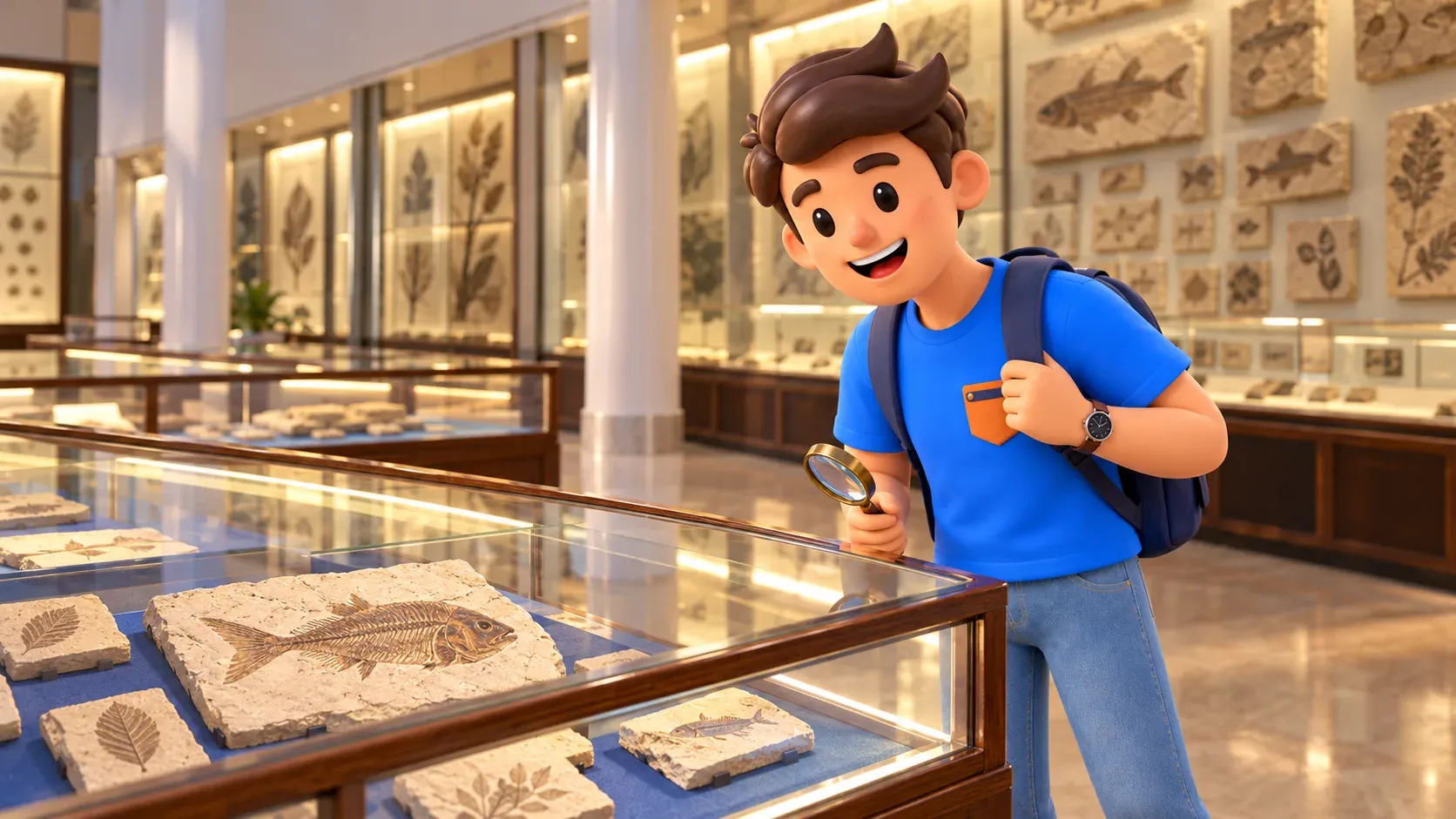
This option suits travelers who enjoy small details and questions about the natural world. Instead of another sequence of paintings, look for a change in timescale through fossils and geology. The museum's Bolca display introduces ancient warm seas and forms of life from roughly 50 million years ago, a striking shift from the centuries usually discussed on city walks.
Keep this city collection separate in your mind from a trip to Bolca itself outside Verona. For the museum here, set aside about 60–90 minutes and choose the sections that interest you. If a traveling companion is particularly absorbed by natural history, extend the museum time and shorten the outdoor walk, rather than hurrying them towards an arbitrary next stop.
There is a useful current limitation: at the check on 17 October 2026, the museum still lists the Verona Prehistory room as temporarily closed for refurbishment. This does not mean the entire museum is closed. Confirm the available sections before visiting; the regular closing day is Monday, although specifically announced holiday exceptions can apply.
Afterwards, cross Ponte Navi and take a short exterior look at San Fermo Maggiore before turning towards Via Filippini. Spend a few minutes noticing the outline and materials rather than automatically adding another interior. If you do want to enter the church, allow extra time and check its separate visitor arrangements.
Continue south through Filippini towards the public riverside pavement near Ponte Aleardi. You can finish on the western side of that bridge without crossing it just to draw a circle on the map. Budget around 35–45 minutes for this outdoor part and half an hour for a break. Stay on normal public paths: a riverside walk does not require descending to the water.
Make the choice work for your actual stay
With one free morning, choose the theme you most want and verify its main admission. With two days, you might combine the library outing with Veronetta, leaving an evening open. Even a longer return visit does not require all three options. A favorite square experienced at a different hour can matter more than another place added simply because it is new.
In RoadMe, you can build these interests into a personal day-by-day plan for the entire trip, with your preferred pace and budget guiding the program. Try setting your own priorities so museums, walks and breaks become an itinerary that is convenient to use while exploring.
Compare the character of visits as well as the distances between them. The library suits patient reading and looking, the garden depends on weather and willingness to walk, and the natural history collection offers a change of subject. When companions have different interests, agree on one substantial shared visit and keep the following part of the day less demanding.
Do not buy a city pass automatically because an article mentions alternative sights. Decide which paid places you will actually enter, then compare the current conditions. Included admission, a discount and a separate ticket are different things. This matters especially on a return visit, when you may deliberately skip many of the major museums and spend more time outdoors.
For a broader structure, see our three-day Verona itinerary with art and gardens. For just a few hours back in the city, keep one clear theme, enough spare time and permission to linger wherever your interest catches. That freedom is often what makes a second visit feel most personal.


