Tower of London or Westminster Abbey: Which Visit Should You Choose?

Choose the Tower of London if you want a fortress visit with different buildings, royal regalia and stories about power and imprisonment. Choose Westminster Abbey if Gothic architecture, coronations and the people commemorated within a working church matter more to you. Both reward attention, and neither needs to compete for the title of London’s compulsory first attraction. The better choice is the one you are willing to give a substantial part of your day.
As an editorial starting point, allow three to four hours inside the Tower, or ninety minutes to two hours for a selected Abbey visit. These are planning ranges, not fixed tour lengths. Arrival, security queues, leaving, meals and the journey from your accommodation need additional time. This comparison helps you choose one main visit; it does not promise a combined itinerary or replace the calendar and booking conditions for your date.
Choose the experience you want to remember
The Tower offers variety within a fortified site. You move between outdoor spaces and buildings, and can concentrate on the Crown Jewels, the White Tower or a historical theme rather than expecting every room to hold equal interest. The Abbey concentrates attention differently: the shape of the church, monuments, words and associations can matter as much as individual objects. A literary interest may be a better reason to visit than a general feeling that you should see something royal.
Try RoadMe to have the app develop a personal London plan around your interests, dates, budget and pace. It is much more convenient to fit one meaningful large visit into the whole trip, with time for other neighbourhoods, meals and rest, than to keep adding famous addresses to the same afternoon.
Think about your previous day as well as your favourite subject. After several indoor museums, the Tower’s changes of setting may appeal; after a long walking day, fewer separate buildings may sound attractive. Neither observation makes the Tower an effortless outdoor playground or the Abbey a guaranteed quiet refuge. Both can be crowded. Choose for the experience itself, then check whether its physical demands and current arrangements suit the people travelling with you.
The Tower: understand a fortress, not just a tower
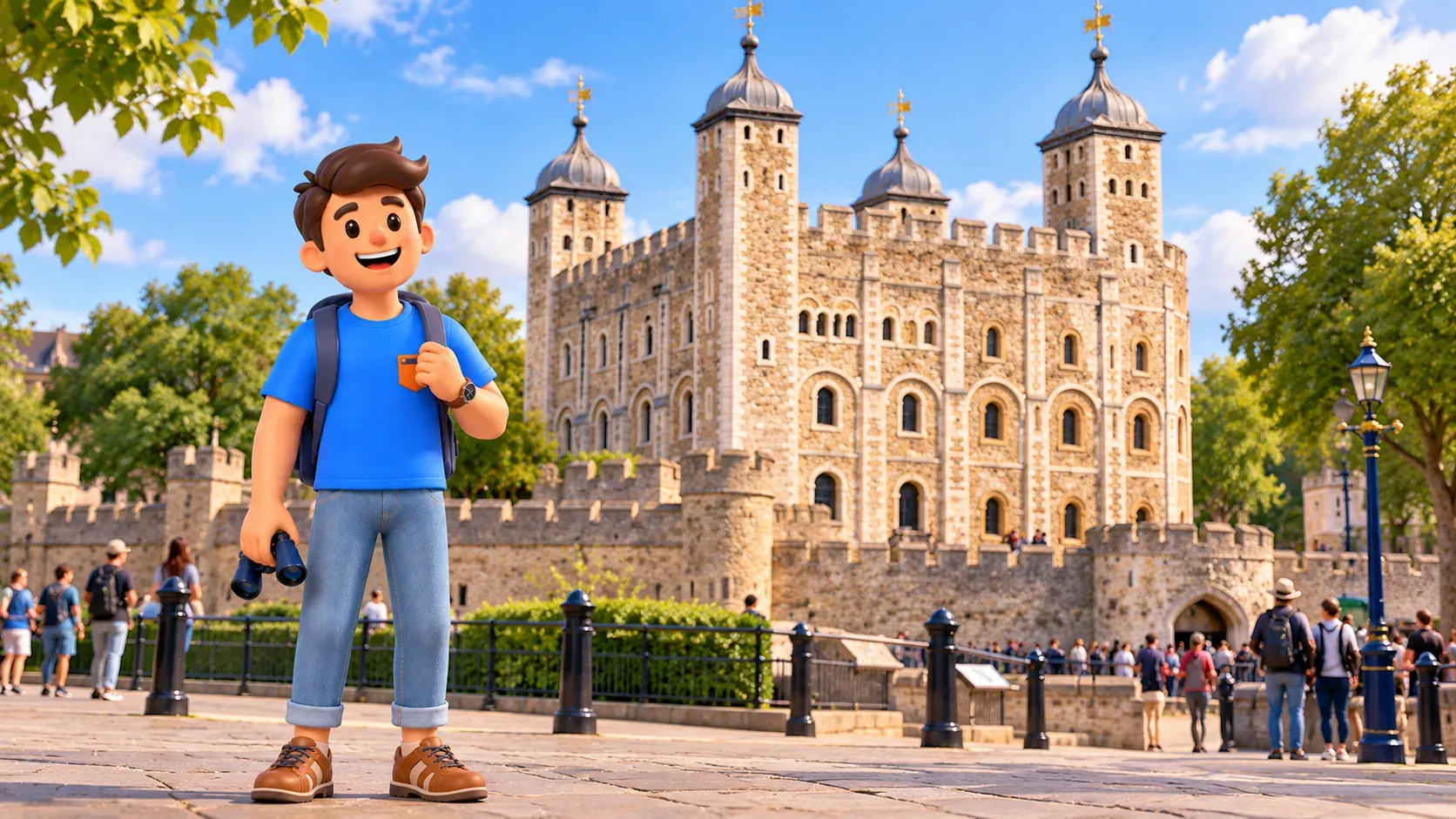
The Tower of London is a complex, not a single tall building to enter and leave. Its White Tower is a Norman keep, built in the late eleventh century in the aftermath of the conquest. The large stone structure helped express the new ruler’s authority over London. That context gives the architecture a purpose: walls and stairs become evidence of defence and control, rather than simply a backdrop for a photograph.
The fortress has also served as a palace, prison and setting for important institutions. You do not need a complete chronology to enjoy that mixture. Choose one thread, such as the contrast between royal residence and confinement, and let it guide what you notice. Read a few explanations carefully rather than treating each building as another box to tick. Leaving some rooms for another visit can make a first encounter more memorable.
Movement is part of the experience. There are exposed outdoor sections, uneven surfaces, narrow passages and stairs in parts of the historic site. Wear footwear that feels secure on worn ground and leave room in your schedule for a seated pause. A sunny photograph does not show what the same route feels like in rain. Check the available routes before booking if a particular tower, chapel or exhibition is the reason for your visit.
Crown Jewels and warders: check what the ticket means
Ordinary Tower admission includes the Crown Jewels and open public areas such as the White Tower. The Jewel House contains regalia still used for ceremonies, rather than a collection whose every piece is permanently detached from public life. Objects can be in use. Photography is not permitted inside the Jewel House, so approach it as something to look at directly. A camera-free encounter can be rewarding without trying to reproduce the display later.
A ticket does not mean an empty queue. Keep the Jewel House’s possible wait separate from the time you want to spend looking, especially if it is your main reason for coming. Arriving early can be a sensible choice, but it does not guarantee immediate entry. If a queue is longer than expected, reduce another part of the visit instead of spending the afternoon trying to recover a timetable that was too tight from the beginning.
Yeoman Warder tours are included in Tower admission, subject to availability. They are given in English, places cannot be reserved in advance, and weather or crowds can lead to adaptation or cancellation. Their stories include imprisonment and execution, which may be unsettling for younger children. The separately purchased audio guide is a different product. Choose the form of interpretation that suits your language and interests rather than assuming every kind of guided experience is included.
The Abbey: architecture with a continuing purpose
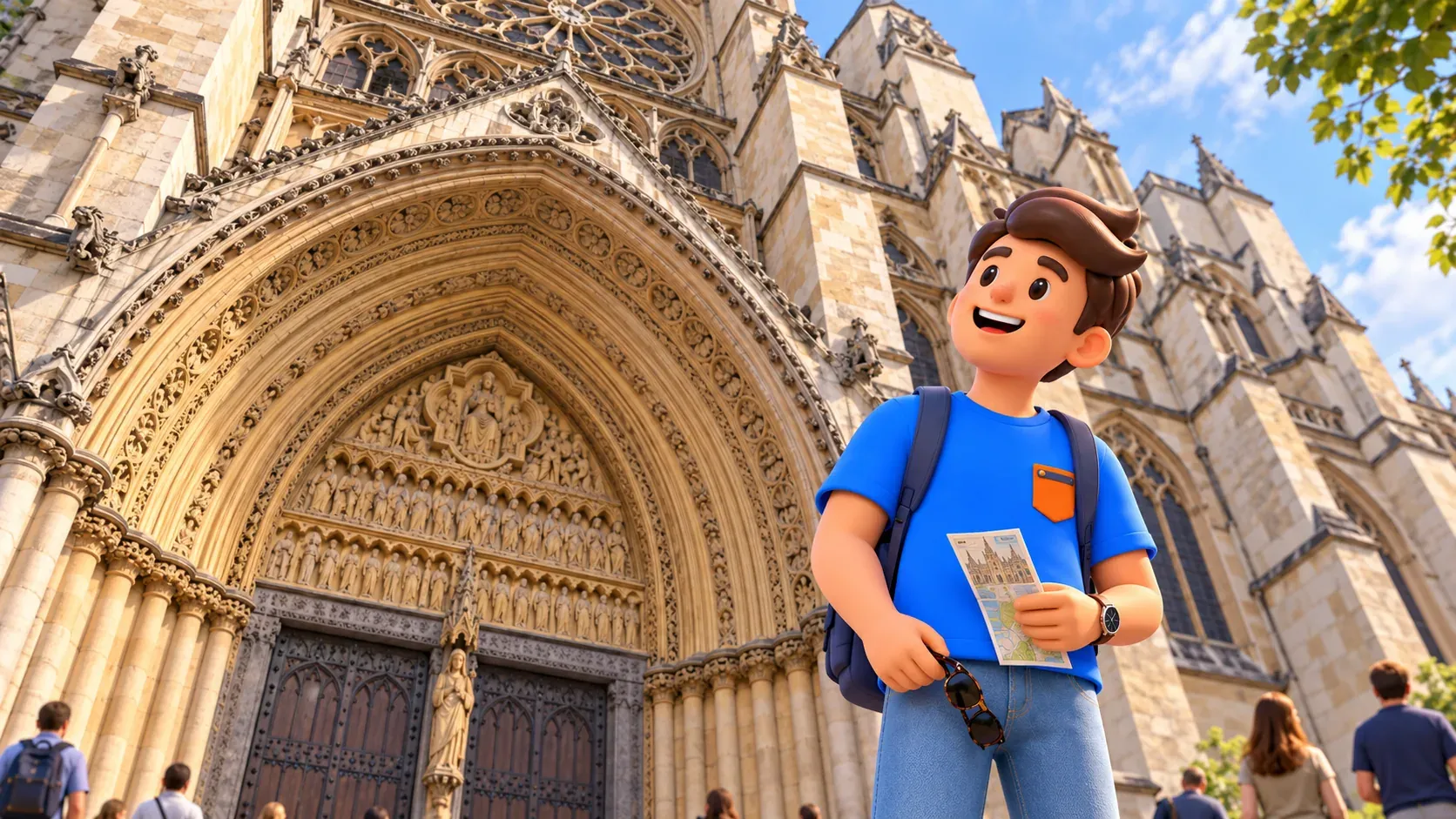
Westminster Abbey is a working church as well as a major historic attraction. Its Gothic rebuilding began under Henry III in 1245, while its coronation tradition reaches back to William the Conqueror in 1066. Those dates describe different parts of the story: the present Gothic church is not the unchanged building in which the Norman king was crowned. Looking at the architecture becomes richer when you recognise that the place has developed over centuries.
Choose the Abbey when you want to connect a space with ceremony or remembrance. The Coronation Chair is one focal point; the height and stonework of the church are another. You do not have to identify every monarch or architectural detail. Begin with something you can see, then use the interpretation to understand why it matters. A carefully chosen section can leave a stronger impression than a hurried search for every famous name.
Poets’ Corner is particularly meaningful for readers, but distinguish a burial from a memorial. The presence of a writer’s name does not mean that person is buried beneath it. Chaucer and Dickens are buried here; other writers are commemorated. This small distinction changes the visit from a hunt for supposed tombs into an exploration of how a country remembers its cultural life. Choose two names that mean something to you and give their stories time.
Ordinary entry, galleries and worship are different visits
A multimedia guide is included with ordinary Abbey admission and offers commentary in several languages, including English, Russian, French, German and Spanish. It can help you follow a selected theme without reading everything. Pause or shorten the commentary when you need to look rather than listen. A guided tour has its own arrangements; do not assume that buying general admission reserves a place on a particular tour or opens every chapel.
The Queen’s Diamond Jubilee Galleries require a separate timed ticket in addition to standard sightseeing admission. They are an optional extension with their own time requirement, not an automatic part of the ninety-minute-to-two-hour suggestion here. Decide whether you want them before shaping the rest of your day. Their elevated view and exhibits may be a reason for a longer Abbey visit, rather than something squeezed in just before another booking.
Attending a service is free, but it is attendance at worship, not a free substitute for the sightseeing route. Sundays are for services rather than ordinary tourist visits. If you want to join worship, follow its actual timetable and the church’s directions. If you want to explore monuments and interpretation, choose sightseeing admission on an available date. Expecting to wander through a service as though it were general museum opening will lead to a different experience from the one you intended.
Check the date before comparing the cost
Both ordinary sightseeing visits are paid, with different conditions for concessions and optional extras. Compare the tickets relevant to your actual party rather than old headline prices, and distinguish an optional donation from the admission amount. At the Tower, online advance booking and purchase at the ticket office are possible, subject to availability. At the Abbey, advance booking is strongly recommended for busy periods. A pass can introduce separate reservation requirements, so having one does not remove the need to check entry arrangements.
The date’s calendar takes priority over a general weekly pattern. At the check on 17 October 2026, the Abbey’s calendar showed general sightseeing closed that Saturday, despite the usual Saturday visiting hours on its general visitor page. That is a useful example of why “open Saturdays” is not enough. Likewise, the Tower’s opening time varies by day and season. Check the last admission as well as closing time; arriving just before the former does not leave a full visit.
Conservation can affect rooms and routes without closing an entire attraction. Read a notice’s end date before treating it as current: an earlier restriction on the Tower’s Middle Tower is not proof of an October closure. Outside areas also have conditions; Tower Wharf can close for events such as gun salutes. If your main attraction is unavailable, choose a different day or a separate outing rather than assuming the neighbouring exterior will always be an equivalent replacement.
Access and the shape of your half-day
Neither historic site has unrestricted step-free access throughout. The Tower’s Jewel House has level access, while the White Tower’s lift serves its basement gallery and shop, not its upper floors. Other historic towers and battlements involve stairs. Much of the Abbey’s ordinary self-guided route is step-free, but parts including the Lady Chapel and some tombs require steps. Contact the venue about the sections you want to see, and check your transport journey separately.
Keep luggage out of this plan. The Tower has no luggage storage and does not admit suitcases or rolling luggage; the Abbey restricts oversized bags and checks belongings at security. Small preparations matter when a long visit is involved: arrive with what you can comfortably carry, know where you will eat, and leave departure time beyond the time allocated to looking. At the Tower, leaving also ends the visit: re-entry is not allowed.
With RoadMe, turn that choice into a personal programme for the whole trip that is easier to prepare and use. Let the app work through your preferred interests and pace across the days, so one large historic visit can sit naturally beside other London experiences and time to recover.
Back at your accommodation, note two details you remember and one question to explore later. Use your own notebook or postcards: a small pause can preserve the experience without immediately filling the rest of the day with another museum. This is a private activity after the visit, outside its suggested duration.

If you want an outdoor outing on another occasion, our two-hour Westminster walk keeps the Abbey exterior separate from an indoor visit, while the Tower Bridge walk from both banks has its own timing. The bridge is a different attraction from the fortress. Neither walk is included in the visit lengths above. Choose one substantial encounter, allow its real arrival and departure time, and let what interests you determine the rest of the day.