
Half a Day in Ueno: One Museum and a Lighter Park Walk
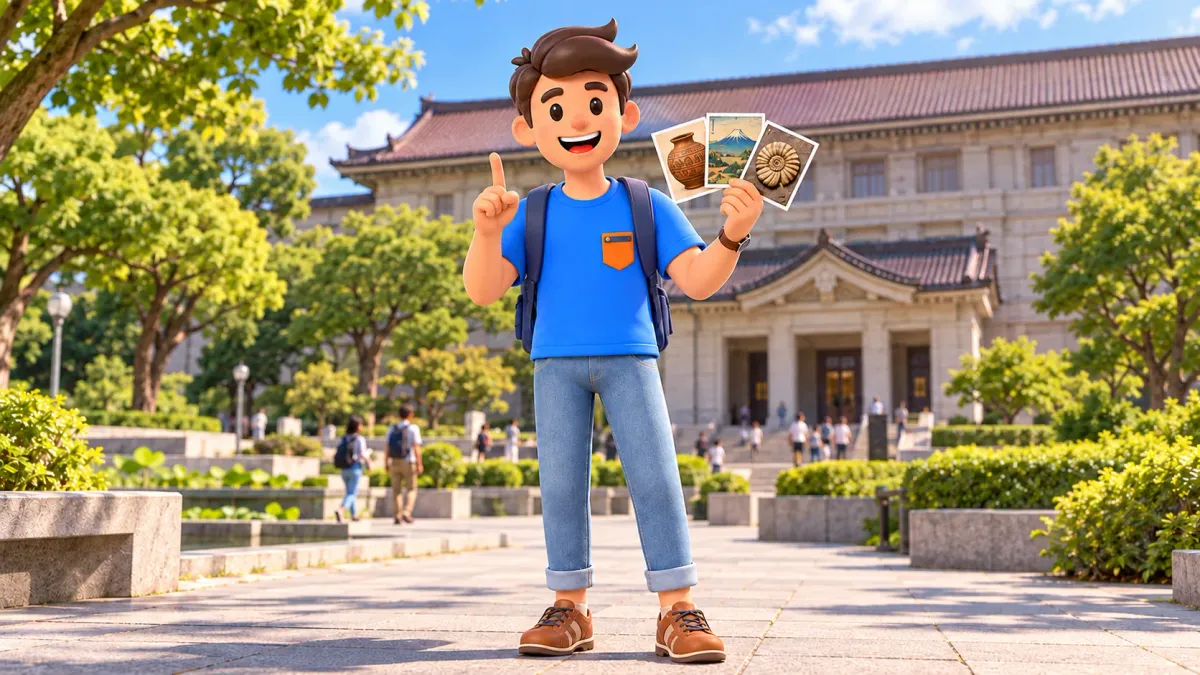
For half a day in Ueno, choose one museum and give it most of your attention, then eat and take a short walk in the park. The useful choice is between Japanese art at the Tokyo National Museum, Western painting and sculpture at the National Museum of Western Art, and nature and science at the National Museum of Nature and Science. These are alternatives, not three stops to complete before lunch.
This plan suits a morning or afternoon already available in Tokyo. Allow roughly four to five hours for the museum, a meal and a lighter outdoor ending, plus your journey to Ueno. The durations below are planning estimates. Your exhibition choice, entry conditions and energy matter more than following a timetable to the minute.
Choose the subject you want to spend time with
Start with a question: what would you enjoy learning about today? A first encounter with Japanese artistic traditions, time with paintings and sculpture, and an exploration of the natural world call for different kinds of attention. Choose the answer that interests you, then check the actual exhibition and calendar. Proximity alone is not a reason to enter another museum.
For a personal half-day that is much more convenient to use, build the plan in RoadMe: the app develops an itinerary around your dates, interests and preferred pace. Try it before setting out so the museum you actually want and a suitable park break fit naturally into your own Tokyo journey.
| Your priority | Choose one museum | Keep the visit focused |
|---|---|---|
| Japanese art and objects | Tokyo National Museum | One collection thread or exhibition |
| Western painting and sculpture | National Museum of Western Art | The collection or a chosen special exhibition |
| Nature and science | National Museum of Nature and Science | A few connected themes in available galleries |
Agree on the choice before arriving if you travel together. Someone who wants ceramics and someone who wants natural history may enjoy very different mornings. Pick a shared priority rather than giving each museum a hurried fragment. A return visit can hold the second interest; the first half-day does not need to solve every possible preference.
Build the half-day around admission, not the station
A useful working shape is about two and a half hours inside, roughly an hour for food and a pause, then a short park continuation. Add arrival and any entry waiting separately. A large exhibition may need longer, so reduce the outdoor part first. The purpose is to leave the museum while you can still remember what held your attention.
Check the chosen museum's date, gallery availability, last admission and ticket category before fixing the rest. Monday is normally a closure day for these museums, with holiday-related exceptions and other changes. A replacement museum next door may follow a similar calendar. Read the specific date instead of treating any weekday as an automatic solution.
For an afternoon visit, work backward from the museum's closing time and keep enough time for the actual exhibition. A late-entry opportunity does not necessarily leave room for a substantial visit. For a morning visit, have a breakfast plan so hunger does not decide the route after the first gallery. Meals belong in a cultural day too.
Japanese art: give the Tokyo National Museum one thread
Choose the Tokyo National Museum if you want the museum visit to deepen your understanding of Japanese art. Use the current displays to select a manageable thread, such as ceramics or sculpture, instead of interpreting a large campus as a requirement to enter every building. Your route through the collection can have a beginning and an ending without covering all periods.
The Honkan offers a framework for exploring Japanese artistic traditions. Pick a small number of displays that connect, read their explanations and compare what changes between objects. The useful outcome is a clearer idea of a material, purpose or visual language. You do not have to leave with a memorized chronology.
Gallery availability matters especially for late 2026. The museum announces room closures, and from December 22 to 25, 2026 only the Gallery of Horyuji Treasures and Kuroda Memorial Hall are scheduled to open. The whole museum closes December 26–31. Do not assign the usual broad collection plan to those dates; check the current room information before choosing this version.
Objects also rotate, so a famous work in the collection is not a guarantee of seeing it. If one object is the reason for your visit, confirm its actual display. Otherwise, let an available theme guide you. This keeps the plan useful when the museum's contents and visitor access differ from an older photograph or itinerary.
Western art: decide between the collection and an exhibition
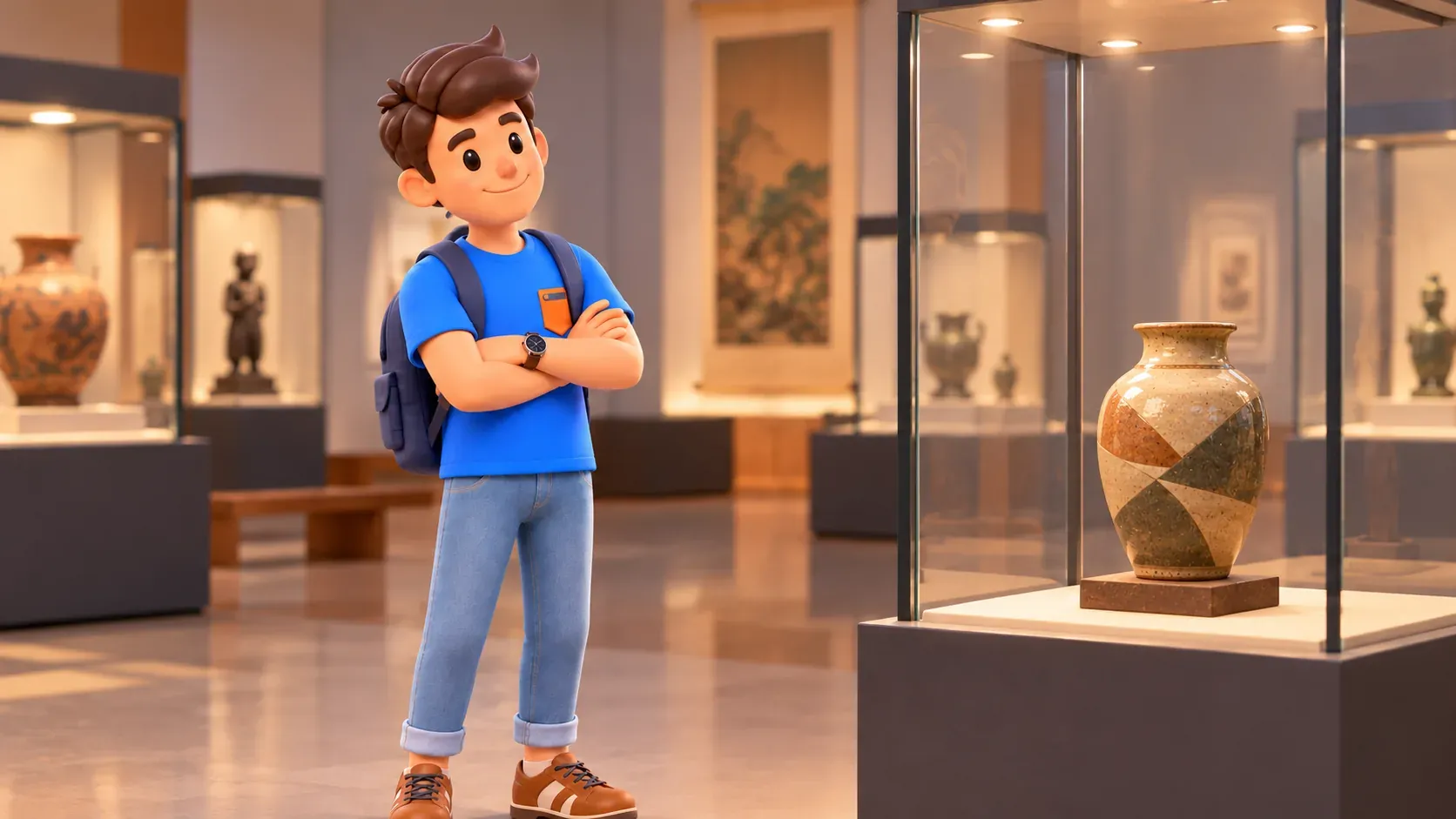
The National Museum of Western Art is the choice for Western painting and sculpture. Its main building was designed by Le Corbusier, adding an architectural reason to notice the setting. Still, choose the gallery experience first. Looking at a building outside and spending time with an exhibition are different uses of the half-day.
Decide whether the collection or a special exhibition interests you more. Read what your ticket includes rather than assuming every gallery follows the same admission arrangement. A recognizable artist's name is a starting point; the actual exhibition theme and your willingness to spend time with it are better reasons to commit the morning.
At the October 23, 2026 check, the museum announced closure of the permanent collection from January 12 through March 19, 2027 for maintenance. This is not automatically a closure of every exhibition. For a trip in that period, confirm the available program and choose it deliberately instead of arriving with a collection visit copied from another season.
Inside, give a few works enough time to become distinct. Look first, read the label, then look again. Comparing two works carefully can be more satisfying than photographing every room. If architecture interests you, leave a little attention for the building on arrival or departure while preserving the main gallery block.
Nature and science: follow curiosity through the open galleries
Choose the National Museum of Nature and Science if questions about life, environments and scientific discovery interest you most. The museum's Japan Gallery and Global Gallery give different frameworks for that curiosity. Start with one theme and a current floor plan, then select a limited continuation instead of trying to treat every level equally.
Check available areas before choosing a favorite topic. At the October 23, 2026 check, Global Gallery B3 had been closed for renovation since September 8, 2026, and part of the second floor was also unavailable. Older maps can therefore suggest a visit you cannot currently make. Do not make a closed floor the center of the plan.
For a shared visit, let each person choose a question rather than a long list of displays. What would you like to understand better when you leave? That approach gives children and adults a way to participate without promising that one museum suits every age or interest equally. Allow a pause when attention fades.
Any timed program, special exhibition or activity needs its own current conditions. A general museum plan is not a booking for one of those experiences. Keep the ordinary gallery visit workable on its own, and add a program only when you know it is available and fits the half-day.
Before entering, remove the small sources of friction
Check the real entrance and your station exit rather than navigating only to the middle of the park. Museum boundaries and public paths are different spaces. Leave a little arrival margin for finding the entrance and reading admission signs. This is more useful than planning a precise minute of entry from an approximate train arrival.
Travel light enough for a comfortable museum visit. At the Tokyo National Museum, suitcases are not allowed; arrange luggage storage separately. Do not assume another museum will accept the same bags or provide enough locker space. Check the selected venue's rules when you are carrying more than an everyday bag.
If you need a particular accessible entrance, seating arrangement or other support, confirm it with the chosen museum before building the route around it. Being close to a station does not establish the whole path's accessibility. Photography rules also depend on galleries and objects; follow the signs instead of treating all collection rooms alike.

After the museum, make lunch a real break
Leave a proper interval for a meal or a drink after the main visit. You may want to talk about one object or simply stop reading labels. Choose food according to your actual finish point and appetite. A celebrated address across the neighborhood is optional; a convenient meal can protect the calmer rhythm of the afternoon.
Do not make an indoor cafe an admission promise. Check its availability and conditions if it is important to the plan. You can also eat after leaving the museum. The important part is having a break before adding the outdoor walk, rather than turning lunch into something hurried between two more ticket counters.
Use the park as a lighter ending
After food, choose a short public park walk that fits your museum exit and intended departure. You do not need a full circuit to benefit from being outside. A few paths and a quiet pause can provide enough change after concentrated indoor looking. Keep the walk shorter in uncomfortable weather or when you have already had a long visit.
To make this museum-and-park combination work around your own interests, organize the wider day in RoadMe, where dates and preferred pace shape the personal itinerary. The app makes it much more convenient to give art, science, meals and rest the right amount of space in your trip.
Ueno Park's public space and its paid facilities have separate access conditions. A park walk is not admission to another attraction. Let that distinction keep the ending simple: you are changing the kind of attention the day asks for, not beginning a second major cultural visit because the entrance happens to be nearby.
Finish while the main visit is still clear
If rain makes the park unpleasant, shorten it and take a comfortable break instead. If the museum takes longer than expected, keep the meal and remove optional walking. If the chosen museum is closed, change the date or make a deliberate alternative choice after checking its calendar. The three museums are not interchangeable rooms of one institution.
End near a sensible return route and leave the rest of the day open enough to remain enjoyable. One well-chosen museum, a meal and a small amount of park time can make a complete Ueno half-day. Saving another collection for a future visit gives it the attention it deserves.


