
Five Days in Tokyo: Essential Sights and Room to Explore
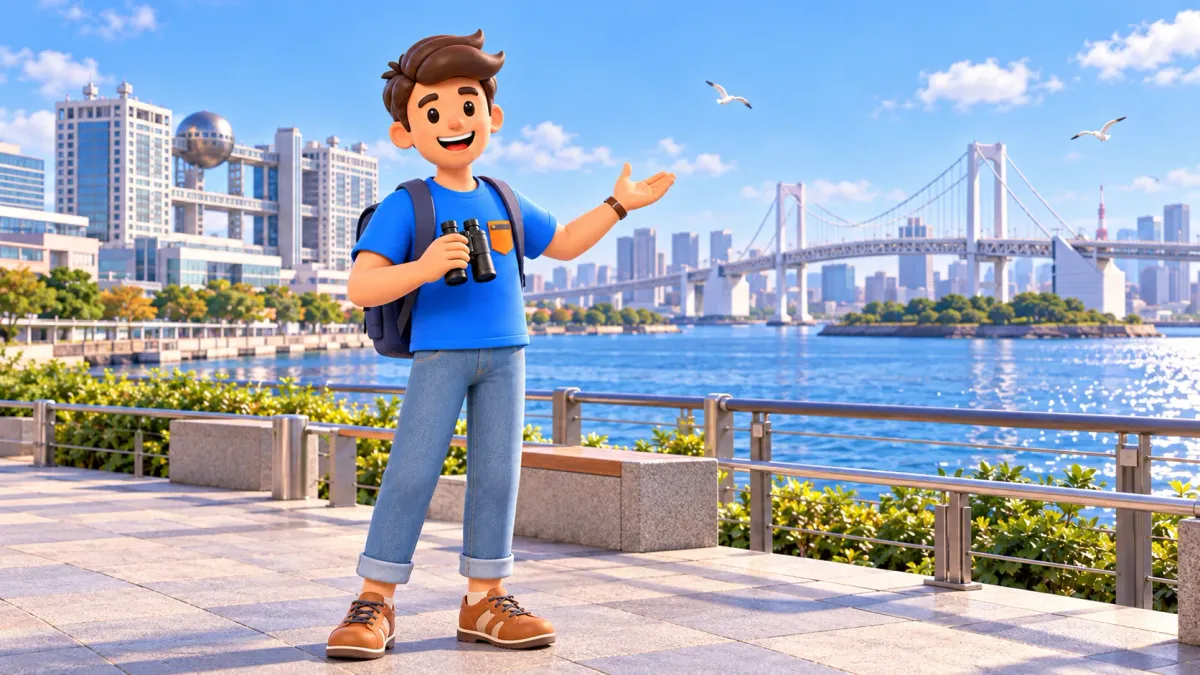
Five days in Tokyo let you combine the familiar city with two experiences that need more breathing room: a day by the bay and a day shaped by your own interests. Start with Asakusa, the western neighborhoods and a museum visit in Ueno, then choose how much of the remaining time belongs to gardens, contemporary art or unhurried discovery.
This plan is for five full days already in Tokyo. Arrival, departure and airport journeys need their own allowance. The sequence is adjustable: fix any dated visit first, then move the other days around it. The point of a longer stay is having time to notice the city, not simply stretching a shorter checklist across more mornings.
Give the five days different purposes
Use the first three days to establish contrasting experiences: the temple neighborhood of Asakusa, Meiji Jingu and Shibuya in the west, and the Tokyo National Museum in Ueno. The fourth day changes the scale at Odaiba; the fifth is a choice between a garden neighborhood and an art-focused visit. You do not have to fit both versions into the final day.
For a personal trip that is much easier to use, plan these five days in RoadMe: the app builds a day-by-day itinerary around your dates, interests, pace and budget. Try it before departure to give your particular mix of art, gardens and city life a practical place in the journey.
| Day | Main experience | Room to keep free |
|---|---|---|
| 1 | Asakusa and Sensoji | Lunch and a limited riverside walk |
| 2 | Meiji Jingu and Shibuya | A relaxed meal and the streets that interest you |
| 3 | Tokyo National Museum and Ueno | A shorter park continuation |
| 4 | Odaiba waterfront | A generous lunch and weather-dependent walking |
| 5 | Kiyosumi Garden or an art day in Roppongi | One neighborhood at your own pace |
Check the big calendar constraints before assigning weekday numbers. A museum closure matters more than following the order printed here. The same applies to a waterfront event or a garden restriction. The plan remains useful when its days move, provided you keep the geographically coherent blocks together.
Day 1: Asakusa without an afternoon race
Begin around Kaminarimon, continue toward Sensoji and allow time for the temple surroundings. Let the approach and the precinct form one visit. Their value is not limited to the moment in front of a recognizable gate: the change between shopping activity, worship and smaller surrounding streets gives the neighborhood its character.
Sensoji is a Buddhist temple, so treat it as an active religious setting. Keep entrances clear and follow local signs about photographs. Looking at how the space works is often more rewarding than trying to photograph every feature. Leave enough time for details you notice naturally rather than making an obligation out of each one.
After lunch, choose a modest riverside continuation if conditions suit. This is a chance to slow down after the busy approach, not the beginning of a second full itinerary. A tower visit or a cross-city evening can be arranged separately if it is a priority, but neither is needed for the first day to feel complete.
Keep the first evening fairly simple, particularly if your sleep is still adjusting. A meal near the accommodation can be a sensible ending. Five days make it possible to have a first encounter without spending the entire opening day proving how much ground you can cover.
Day 2: wooded paths and Shibuya streets
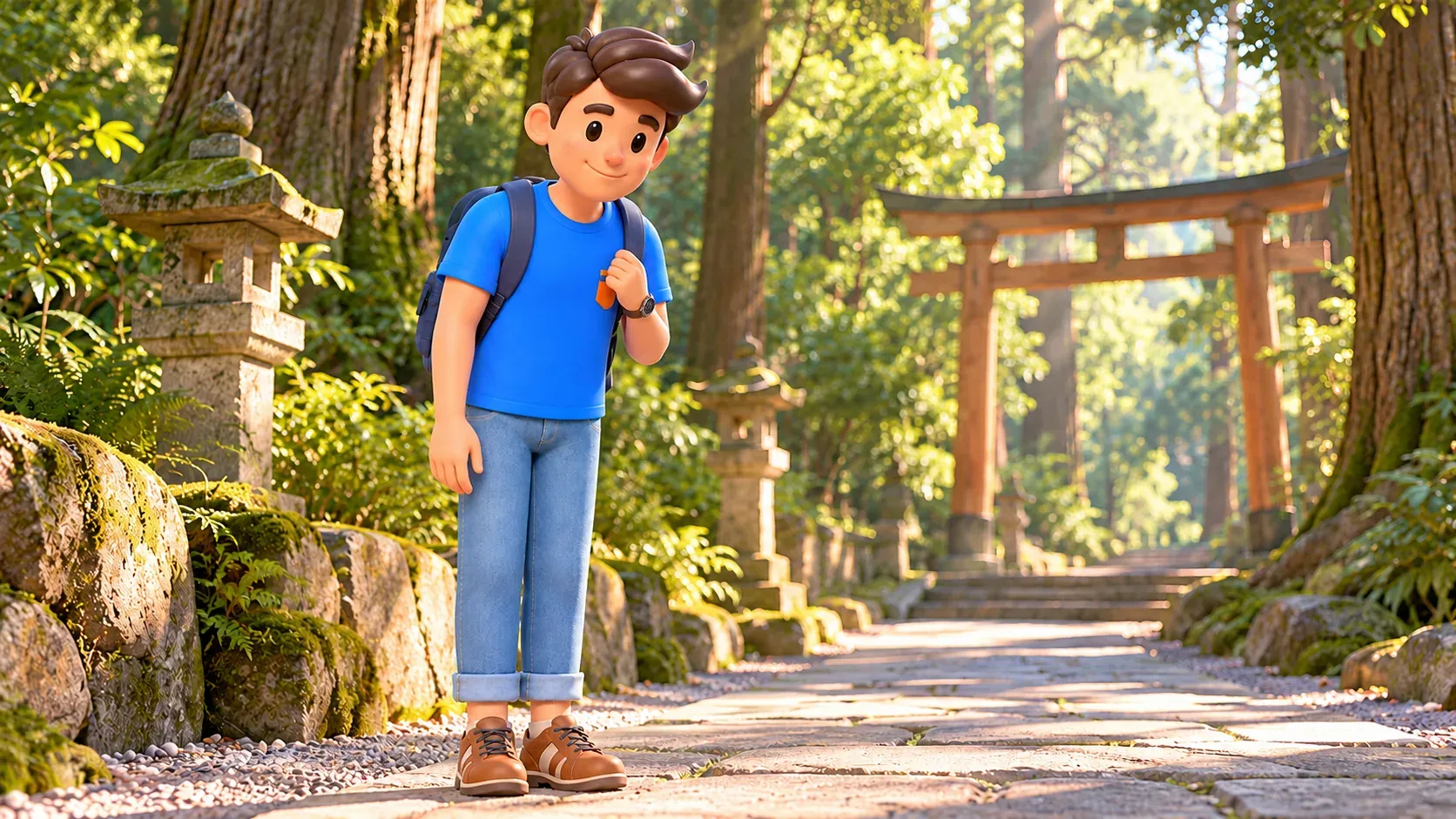
Put Meiji Jingu in the morning and choose an entrance that fits your starting point. Walk the wooded approach attentively before reaching the shrine buildings. The setting makes the transition into the visit meaningful, especially before the much busier urban environment planned for later.
The shrine dates from 1920, and its forest was deliberately planted. That short piece of context makes the trees more than a pleasant backdrop: the landscape itself is part of the story. Seasonal gate times still govern the visit, so check the month rather than assuming the shrine follows the neighborhood's evening rhythm.
After a proper lunch, continue toward Shibuya by a route suited to your position and energy. Use Hachiko and the crossing as orientation points, then let personal interests decide the rest: buildings, shops, food or simply a few streets observed without hurry. Shopping is optional; the area can be interesting without a long list of purchases.
Keep only one major extra here. If a high viewpoint is essential, check its own current booking and entry arrangements and give it a real block of time. Otherwise, dinner and an evening walk are enough. The next three days should still have room to surprise you.
Day 3: one museum, then a lighter Ueno afternoon
Give the Tokyo National Museum a substantial morning. Choose an exhibition or part of the collection before arriving, then use the current gallery information to make a manageable visit. Different areas can have different conditions, and individual objects rotate. A museum collection is not a promise that every famous work will be on view.
For an introductory visit, one thread can be enough: ceramics, sculpture or a broad look across periods. Pause at a few objects and read the information that explains them. Trying to remember every date is less useful than leaving with a clearer sense of one material, practice or visual tradition.
The museum normally closes on Mondays, with holiday-related changes and other exceptions. Set the actual date before fixing the order of the five days. A substantial museum visit also needs a meal afterward; do not immediately treat the afternoon as another available admission slot.
Ueno Park provides a lighter continuation. Select a limited walk or a place to pause, then finish while attention is still available. If museums are not a shared interest, discuss the cultural focus in advance and change this block deliberately. A longer trip should make personal choices easier, not make unwanted visits harder to avoid.
Day 4: a waterfront day in Odaiba
Use Odaiba to experience Tokyo at a different scale: wider views, waterfront space and more distance between individual destinations. Choose your arrival and return stations from the places you actually want to use. Two pins in the same bay area do not automatically make a short or pleasant walk between them.
The default here is a limited walk around Odaiba Marine Park, lunch and time looking across the water. Check the park's current notices: special events can restrict access, and this is not an unconditional daily promise. At the October 23, 2026 check, the operator listed a park closure for October 24, 2026. Choose another day if your dates coincide.
Plan the waterfront according to the conditions rather than a photograph of perfect weather. A shorter walk with a warm drink may be more enjoyable than following the entire shoreline in wind or rain. Keep the return connection straightforward and allow for the distance from your last viewpoint to the station.
Do not add Miraikan as an available indoor fallback during its refurbishment: the museum announces closure from October 1, 2026 through April 22, 2027. For a later trip, confirm reopening and the current program before building a visit into this day. An entry in a sightseeing list does not override the operating calendar.
If a future visit to Miraikan is confirmed, make it the main scheduled experience and shorten the waterfront walk. Science exhibits and a complete bay circuit can together turn a deliberately spacious day into another rush. Choose the experience you want most, then leave lunch and the journey home intact.
Day 5, garden version: Kiyosumi and its surroundings
Choose Kiyosumi Garden if you want the final day to feel quieter and more concentrated. Begin with the garden, then have lunch and explore a limited part of the surrounding neighborhood. This is an alternative to the Roppongi art day below, not its early-morning opening act.
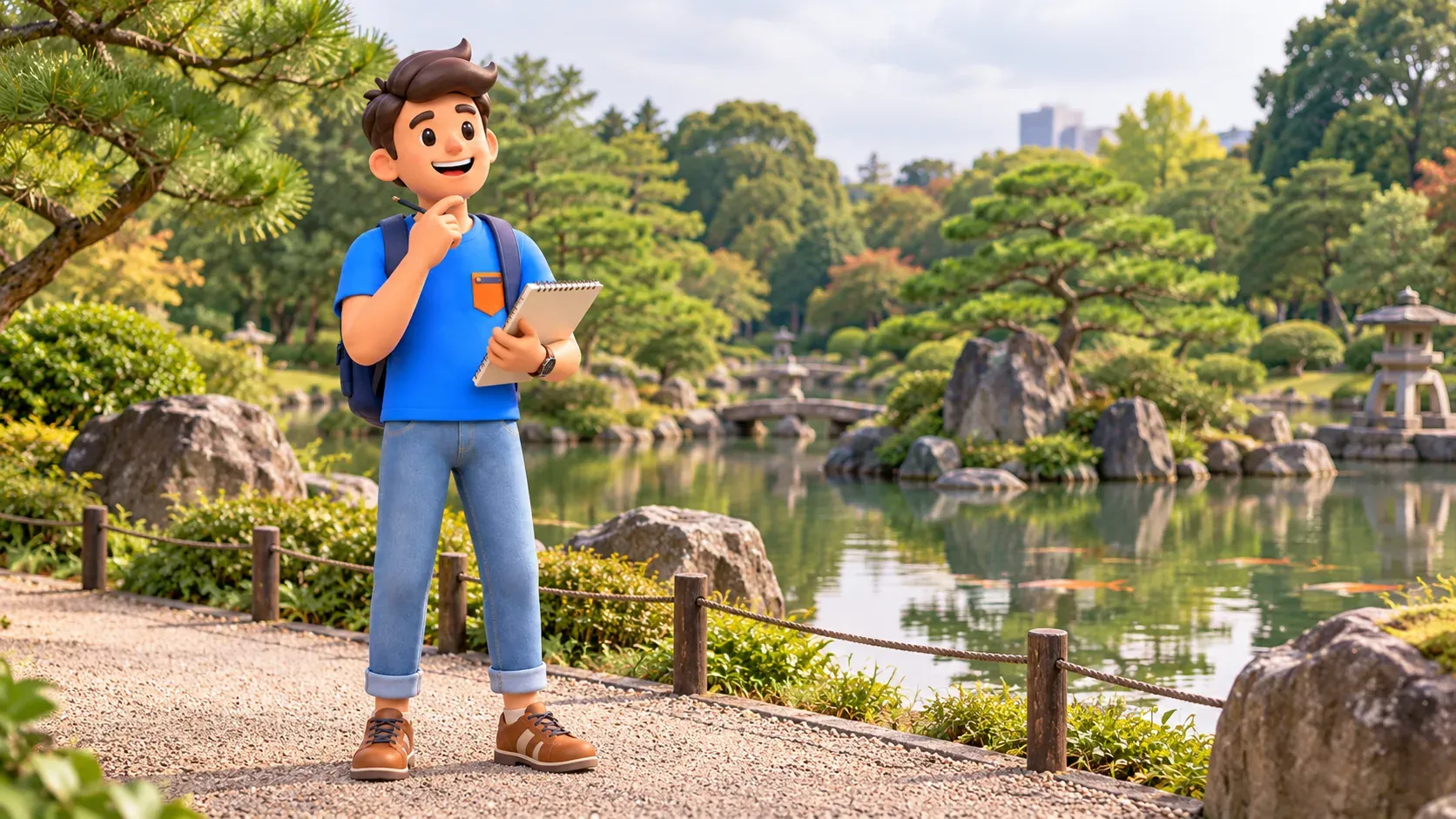
The garden is organized around water, stones and changing views. Its Meiji-era development is part of its character; noticing how one view becomes another gives a short walk a clear purpose. You do not need to identify every stone or plant to appreciate the deliberate composition.
Check entry and last-entry times before leaving, as the garden has its own gates and calendar. Do not confuse it with an unrestricted neighborhood park. Use a suitable path and follow any temporary closures rather than assuming every water-edge route is always available.
Afterward, leave space for one cafe or a few nearby streets that catch your attention. Avoid turning a quiet final day into a search for every celebrated address. Staying with one area lets you recognize small differences in buildings, shopfronts and everyday activity that can disappear in a sequence of transfers.
Day 5, art version: choose the exhibition before Roppongi
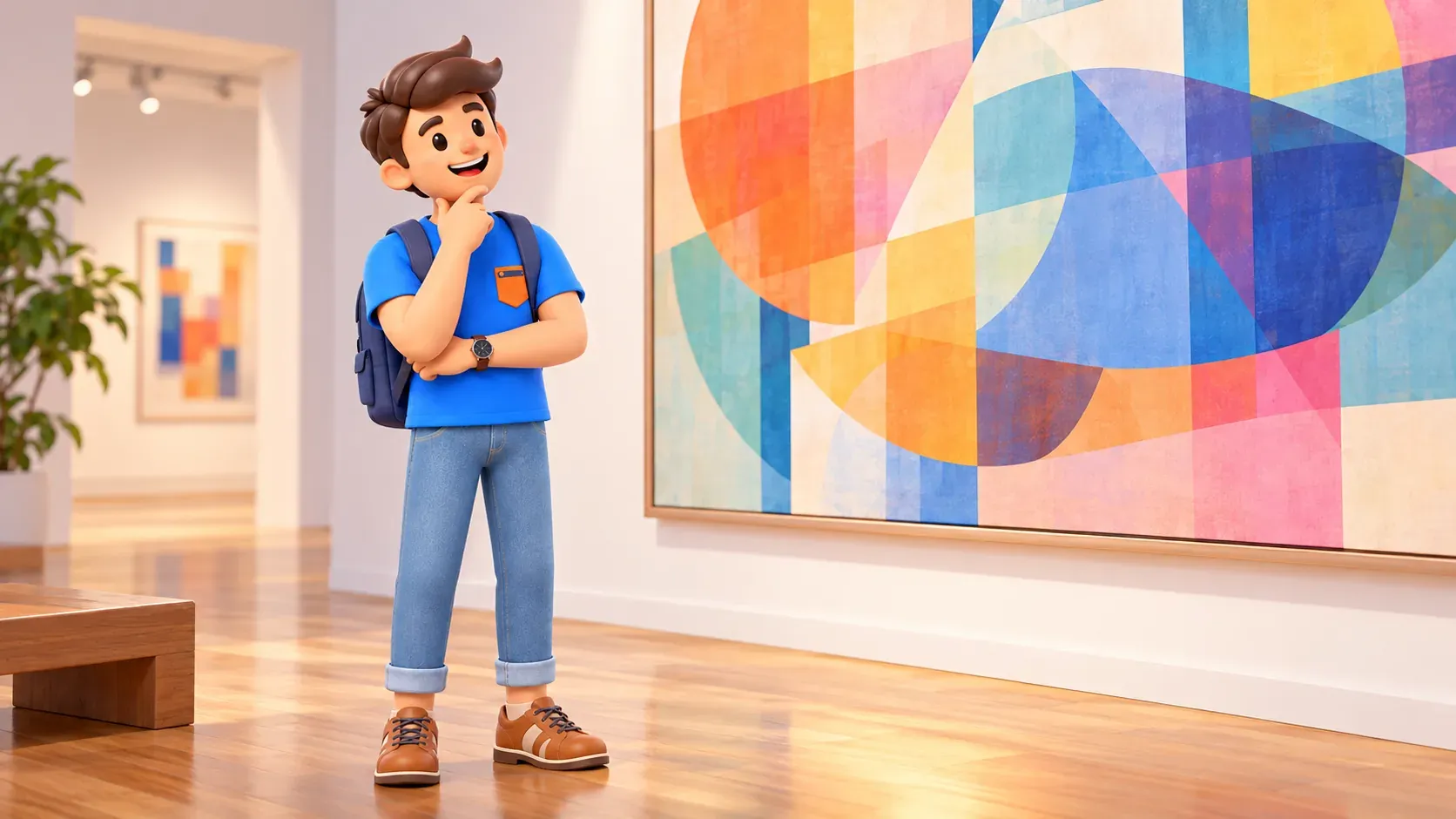
If contemporary art matters more to you, consider the Mori Art Museum in Roppongi instead. Start with the current exhibition, its dates and your interest in it. A museum's reputation is a useful starting point, but the program on your visit date should decide whether it earns the day's main block.
The museum closes between exhibitions. At the October 23, 2026 check, it was closed through October 30, with the next exhibition scheduled to start October 31. Confirm the current calendar for your own trip. Tokyo City View is a separate venue; do not assume a museum ticket or opening notice automatically covers the observation deck.
To turn these alternatives into a coherent personal holiday, build the trip in RoadMe, where your interests and preferred pace shape the plan for each day. The app makes it more convenient to organize a five-day journey around the experiences you actually want, rather than carrying several competing lists.
Keep the rest of this day local and modest. Lunch and a short walk around the area can give the exhibition time to settle. A garden on the other side of the city is not required to balance the cultural visit; the choice between these versions was already made for a reason.
Leave the trip usable until the final evening
Reserve some unscheduled time for a return visit, a slower meal or practical tasks before departure. If the fifth day also includes an airport journey, reduce it to one limited activity near a convenient return route. Five calendar dates and five full sightseeing days are different amounts of time.
Before setting out each morning, check the day's main access condition, the actual station exits and the route home. Keep meals in the plan and remove optional stops first if energy runs low. With fewer days available, start from the three-day Tokyo itinerary instead of compressing all five experiences into a shorter stay.


