Palais Rohan: which of its three museums should you choose first?
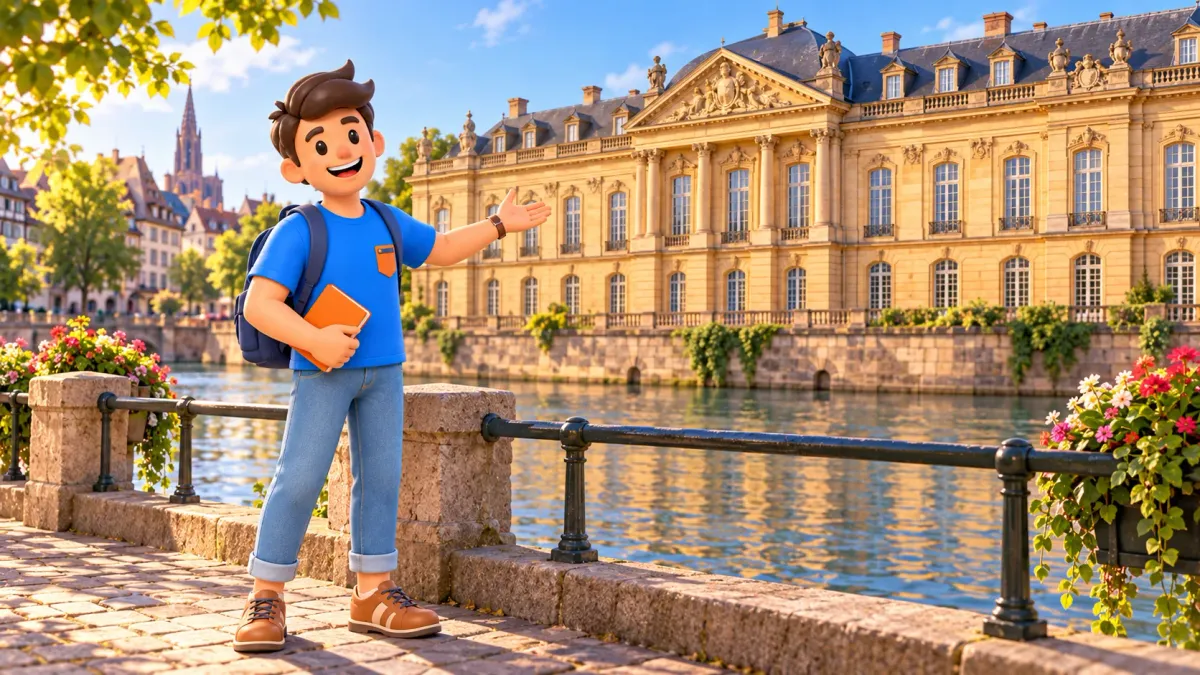
For a first visit to Palais Rohan, choose Decorative Arts for craftsmanship and the historic state apartments when those rooms are confirmed open, Fine Arts for European painting, or Archaeology for the oldest layers of Strasbourg and Alsace. The three collections share a palace but offer different experiences. One carefully chosen visit leaves time to understand the building outside and enjoy the nearby river.
A current restriction matters: from 21 September to 19 November 2026, the Decorative Arts Museum has only its specified communs circuit open. An ordinary visit to the historic state apartments cannot be assumed during this period. If those rooms are your main reason for coming, check the latest arrangements before deciding.
Choose the experience you want from the palace
The word “palace” can suggest one continuous tour through furnished rooms. At Rohan, begin with a more precise question. Do you want to understand an eighteenth-century residence and skilled craftsmanship, spend time with paintings, or explore the material evidence of much earlier lives? Each interest points towards a different museum.
Choose one main subject before looking at tickets. You will then know whether the available collection matches your expectations and how much attention to keep for it. Visiting all three is a separate, more demanding plan, particularly if you also want lunch, the cathedral or a long walk.
RoadMe makes it much easier to build a personal Strasbourg day around your interests, dates, pace and budget. Try choosing a focus such as painting or ancient history, and let the app work out a route that connects the museum with the rest of your trip.
| Your main interest | Consider |
|---|---|
| Historic apartments and applied craftsmanship | Decorative Arts, after checking which rooms are open |
| Portraits, landscapes, still lifes and painted light | Fine Arts |
| Prehistory, Roman Strasbourg and early medieval Alsace | Archaeology |
Give the palace a short introduction outside
Before entering, take a few minutes on Place du Château. Palais Rohan was built from 1732 to 1742 as a residence for Strasbourg’s prince-bishops. Robert de Cotte provided the design, while Joseph Massol directed construction. Its controlled architectural order offers a useful comparison with the Gothic cathedral nearby.
Notice the monumental entrance on the northern side, then the rhythm of the yellow-sandstone building. Later, a view from the public riverbank lets you appreciate the long, ordered façade beside the Ill. The palace changes character as you move around it: a ceremonial approach from the square and a broad horizontal presence along the water.
You do not need to memorise an architectural vocabulary. Compare the size of an opening, the repeated forms and the relationship between the building and the street. This gives the museum a setting before you encounter individual objects. Our walk around the cathedral quarter develops that outdoor context without requiring another interior visit.
Three collections, three ways to look
Decorative Arts: rooms, materials and skilled work
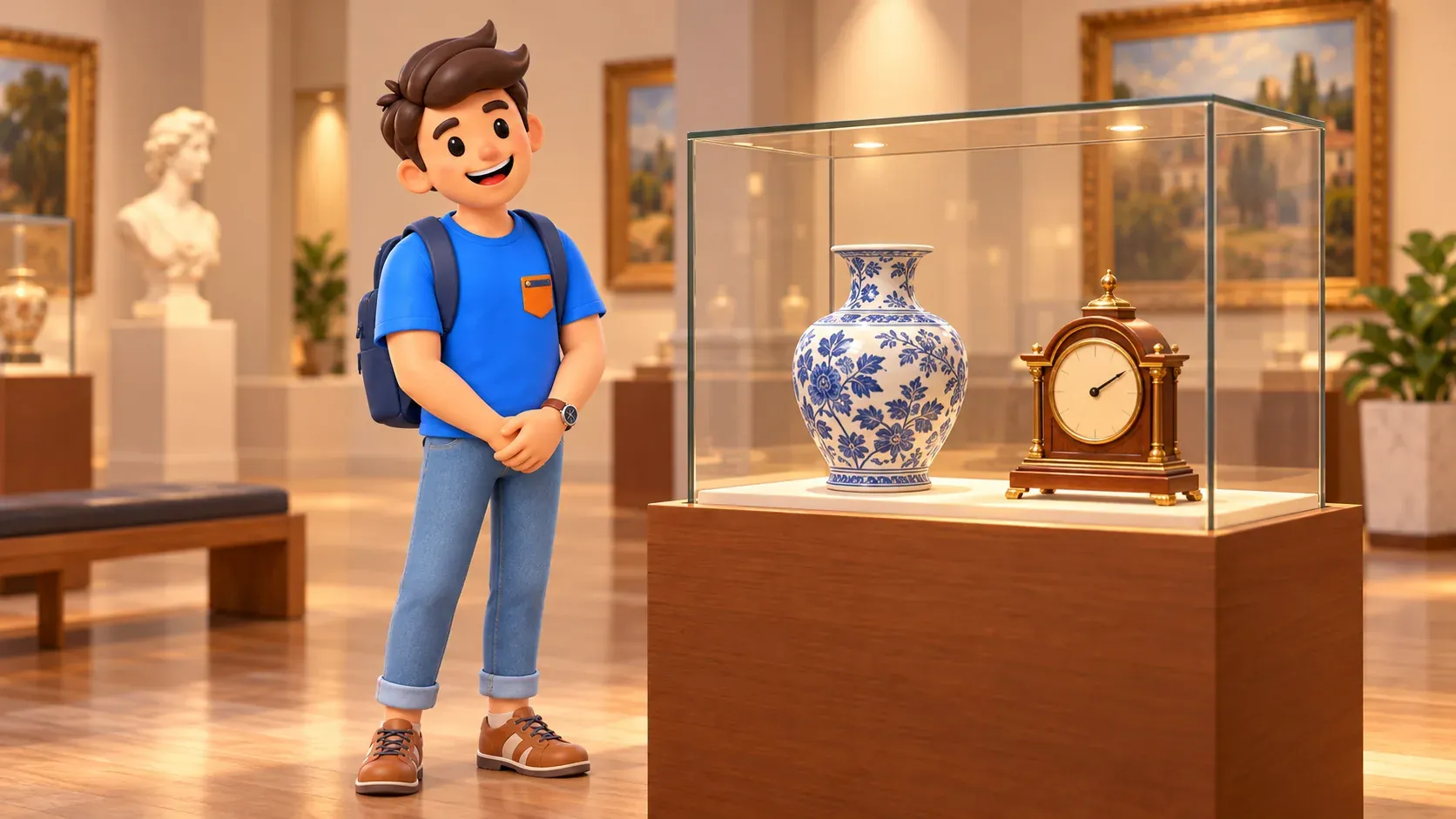
The Decorative Arts Museum brings together the palace’s historic state apartments and applied arts. Under normal arrangements, it is the choice to investigate the residence through interiors as well as furnishings and crafted objects. Ceramics, clocks and silverwork invite attention to material, function and the way an object was made.
Look for one relationship rather than a list of treasures: how a vessel’s shape serves its use, how decoration follows a surface, or how a clock combines mechanism and display. Such questions remain interesting even when you do not know a maker’s name. Craftsmanship can connect the grand residence to practical human work.
During the current partial closure, this choice needs a narrower expectation. The open circuit is limited to the specified communs, including silverwork, clocks, faience and the mezzanine, reached from the Haug staircase. That can still suit an interest in crafted objects. It does not provide the normal state-apartment experience; choose according to the parts actually available.
Fine Arts: time with paintings
The Fine Arts Museum occupies the palace’s first floor and presents European painting from its early history to 1870. Choose it for portraits, landscapes and still lifes, or for the chance to see how artists construct space and make light describe a face, fabric or familiar object.
For a focused visit, compare a few works that hold your attention. Where does the light come from? What brings a figure forward? How does the background change your impression of the subject? These questions are useful without prior specialist knowledge and can slow down a visit in a rewarding way.
The collection also reflects the city’s efforts to rebuild its holdings after serious losses. That history adds meaning beyond a sequence of famous names. Some upper galleries are closed, which does not mean the main museum is closed. Loans can also affect particular works: do not build the visit around a famous painting without confirming its presence.
Archaeology: the city before the palace
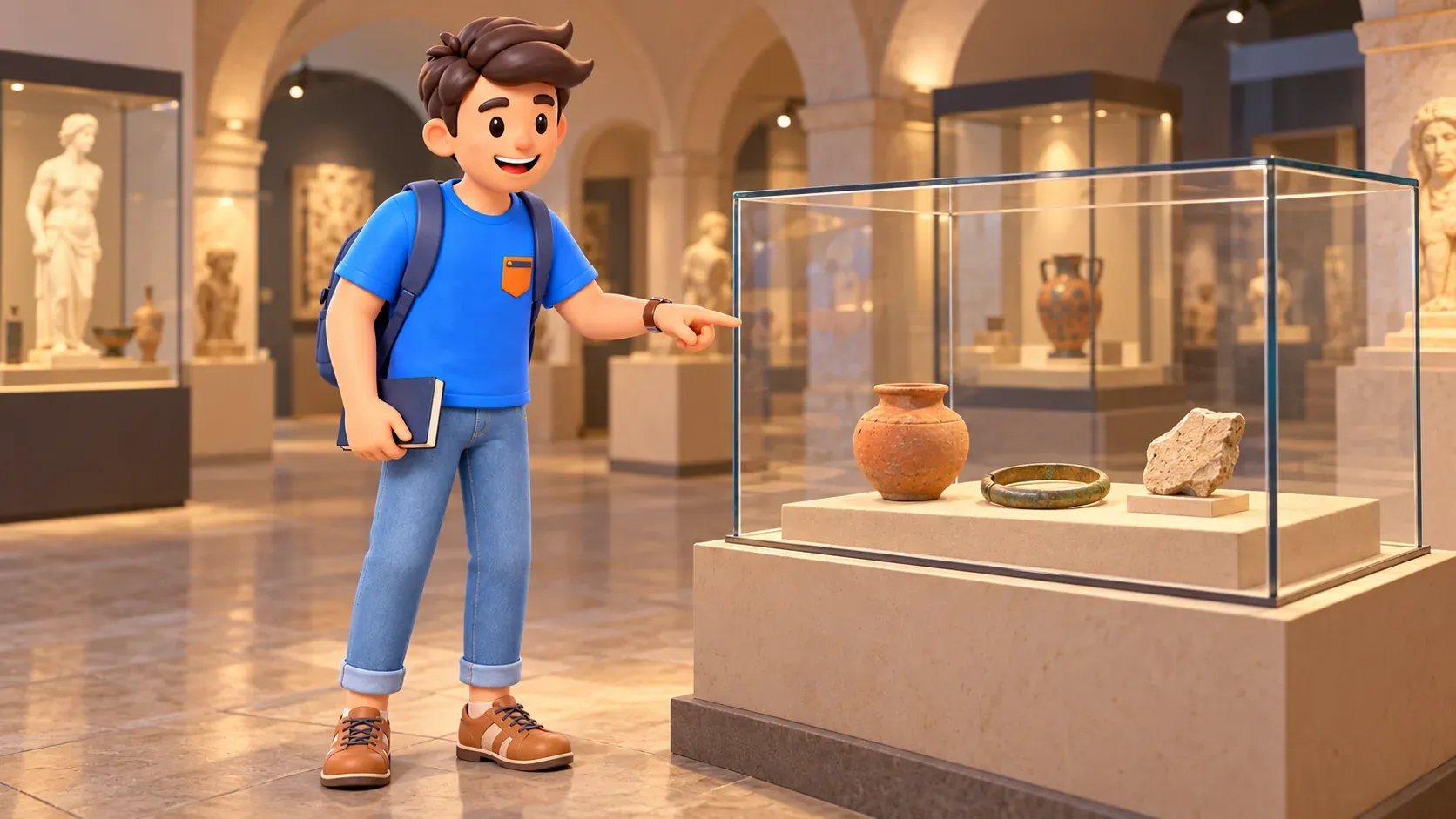
The Archaeological Museum occupies the basement and explores Alsace from prehistory to the first medieval centuries. It is a strong choice if you want to look beyond the familiar façades and consider the region’s much older human history, including Roman Strasbourg, known as Argentoratum.
Pottery, metal, glass and inscriptions can help reconstruct ordinary activities and larger changes. Consider the material, the traces of use and the context in which an object was found. A modest fragment can become informative when its relationship to a place or practice is explained.
The basement is the museum’s location, not a claim that every displayed find was excavated beneath Palais Rohan. The collection draws on the wider region’s archaeological evidence. Keep this distinction in mind as you move from an eighteenth-century building into much earlier history: the palace provides the setting, while the objects open another timescale.

Check rooms and calendar before committing
The partial Decorative Arts closure is particularly relevant for visits during the stated autumn 2026 interval. Only the specified remaining circuit is open. If you travel after the notice’s end date, check the updated room arrangements rather than assuming every apartment automatically reopens the following day.
The three Rohan museums normally close on Tuesdays. Weekday hours include a break from 13:00 to 14:00, so arriving shortly before lunch does not leave a full 90-minute visit. As one checked example, the calendar for Monday 26 October 2026 lists all three as open from 10:00 to 13:00 and 14:00 to 18:00. Holidays require a separate check; closures are announced for 1 and 11 November 2026.
Our Monday plan for Strasbourg gives that weekday a wider city context. For another date, verify your selected museum and the sections you want. If you need particular access arrangements, establish those separately for the actual circuit; sharing a palace address does not answer every access question.
Match the ticket to the visit you actually want
An individual museum ticket and the optional Palais Rohan pass are different choices. According to the current official information, the Rohan pass includes Fine Arts, Decorative Arts and Archaeology, plus Galerie Heitz. An ordinary ticket for one collection should not be treated as automatic admission to every neighbouring museum.
For one focused visit, begin with the appropriate entry for that museum. Consider the wider pass only if you genuinely plan to use its included collections and the current conditions fit your visit. More included places do not create more time, and a pass does not open rooms affected by a closure.
The operator currently directs visitors to museum counters for ticket purchases and states that online purchase and reservation are unavailable. Plan around those arrangements rather than an assumed online time slot. If a particular activity matters, check its own participation conditions; the existence of a museum ticket alone does not establish a reserved place.
A compact outing with one collection
A useful sequence begins on Place du Château with the palace exterior and northern entrance, continues into your chosen available museum, and finishes with a public riverside view. Use open public streets to reach a viewpoint across the Ill, for example via Pont du Corbeau. Enter a courtyard only if it is actually open; do not depend on a palace interior or terrace as a shortcut.
Allow roughly 35–50 minutes for the outdoor setting and short walking links, 60–90 minutes for a focused part of one museum, and 20–30 minutes for rest. Together, these editorial estimates suggest about two to three hours. They are unmeasured planning allowances, not a promise of a complete collection visit.
Ticket queues, entry procedures, a long meal and journeys to or from your accommodation are additional. Reading extensively or spending time in a temporary exhibition can also extend the visit. Keep a small goal in mind so you know where to linger: one room relationship, a comparison between paintings or one question about an ancient object.
Let the museum shape the rest of the day
After Decorative Arts, the palace exterior can make craftsmanship feel part of a larger architectural story. After Fine Arts, look for light and texture along the river. After Archaeology, consider how many layers of settlement lie behind today’s street scene. The same short walk can take on a different meaning after each collection.
RoadMe works out a complete personal route or trip plan around your interests and available time. The app makes it much more convenient to connect your chosen visit with suitable walks, other districts and rest across your days in Strasbourg.
If the three themes do not match your interests, our guide to choosing one Strasbourg museum offers alternatives. A palace address should serve your curiosity rather than decide the whole programme for you.
Leave with one clear discovery
For historic rooms, choose Decorative Arts when the relevant apartments are confirmed available. For painted images, choose Fine Arts. For ancient Alsace, choose Archaeology. Then give that choice enough attention, with a little time outside to understand the palace that brings the collections together.
A first visit can be complete as a personal experience without covering all three museums. One discovery about a material, an image or an earlier life is enough to make Palais Rohan part of your own understanding of Strasbourg.