
Space Moscow: the Cosmonautics Museum, Monument and Alley
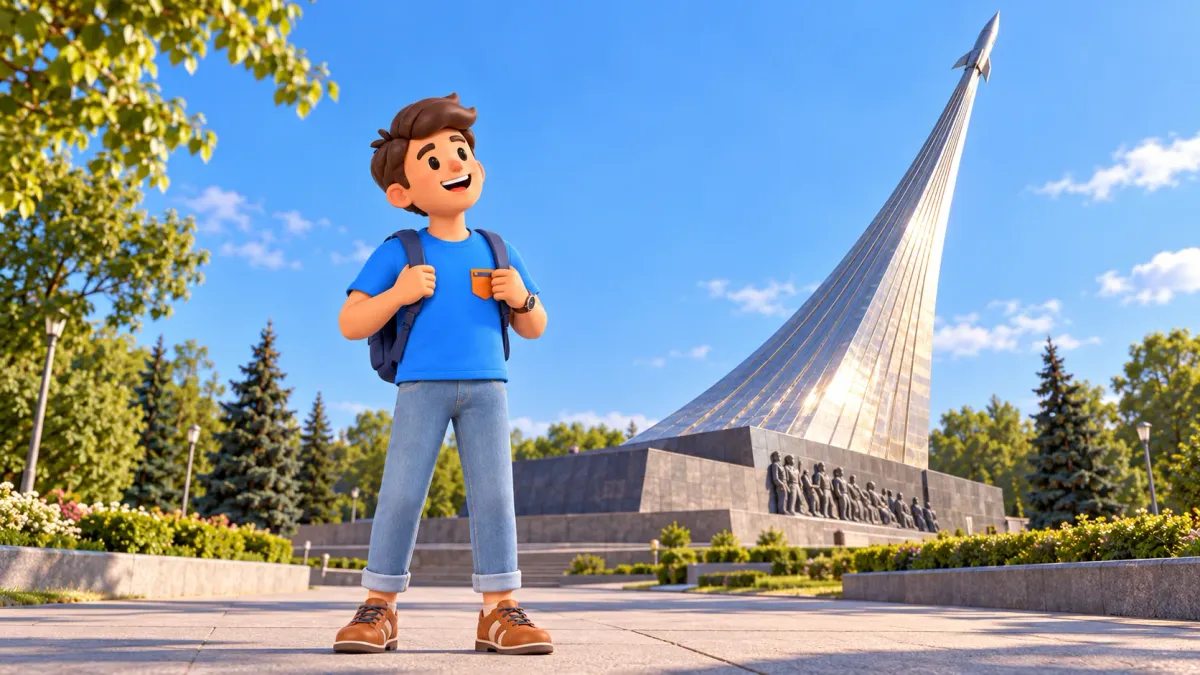
Space Moscow begins with a striking outdoor image: a silver rocket trail rising above the trees near VDNKh metro station. The Museum of Cosmonautics occupies the base of the monument, and Cosmonauts Alley brings the story back to individual people. Together, these places make a coherent outing about engineering, imagination and human effort without requiring a journey across the entire city.
Choose one substantial museum visit and add a short outdoor walk. The basic plan joins the Museum of Cosmonautics, the Monument to the Conquerors of Space and the neighbouring alley. VDNH’s Cosmos pavilion is an alternative major visit, rather than a compulsory second museum. A shared subject does not make the two institutions adjoining rooms.
Choose the main museum before filling the day
Allow roughly three to four hours for the museum below the monument and an unhurried outdoor continuation, including a pause. That is an editorial planning estimate, not a measured visiting time. People who read extensively may need longer. For an exterior introduction alone, allow around an hour, with additional time to reach the metro and continue your day.
Try RoadMe for a personal route or day-by-day trip plan shaped around your interests, dates and pace. Having museums, walks and rest arranged into a programme that suits you is much more convenient and efficient in Moscow than joining separate addresses while you are already exploring.
The Museum of Cosmonautics is at 111 Prospekt Mira. Pavilion 34 is inside the VDNH grounds, substantially farther from the metro and monument. Decide which interior matters most before choosing the outdoor component. Two substantial visits can be tiring even when their names share a subject; the second may receive much less attention than it deserves.
With companions, agree on a common priority. One person may enjoy technical explanations, another architecture, and a child a clear story. A single museum and a short walk give each preference room without making everyone complete the same long checklist. Include food and the return to transport within the time you actually have available.
The monument: follow the movement upwards
The Monument to the Conquerors of Space opened in 1964. Its expressive shape is a tall curving trail ending in a rocket, with polished titanium connecting the subject of technology to the actual surface. Light changes the impression. This brief historical context is enough for an initial encounter: look at material and direction rather than treating it only as a familiar photograph.
Approach along available public paths and choose a quiet position for an overall view. Look from a distance before coming nearer the base. The scale changes when people, trees and ordinary paths enter the composition. There is no single compulsory photograph; several permitted viewpoints reveal how the suggestion of movement works.
Notice the contrast between a shining upward form and its substantial base. The idea of flight is expressed through things firmly rooted on the ground. A picture can preserve the moment, but first follow the shape slowly with your own eyes. Weather and changing light may give a different impression from the sunny image that introduced you to it.
No climb or access to technical parts is included. You experience the exterior from ground level. Keep walking routes clear when taking photographs and follow current barriers rather than seeking a way behind them. The meaning of the ensemble does not require circling every piece of its base. A comfortable, legal approach is enough to make the encounter worthwhile.
The museum: carry one question into the galleries
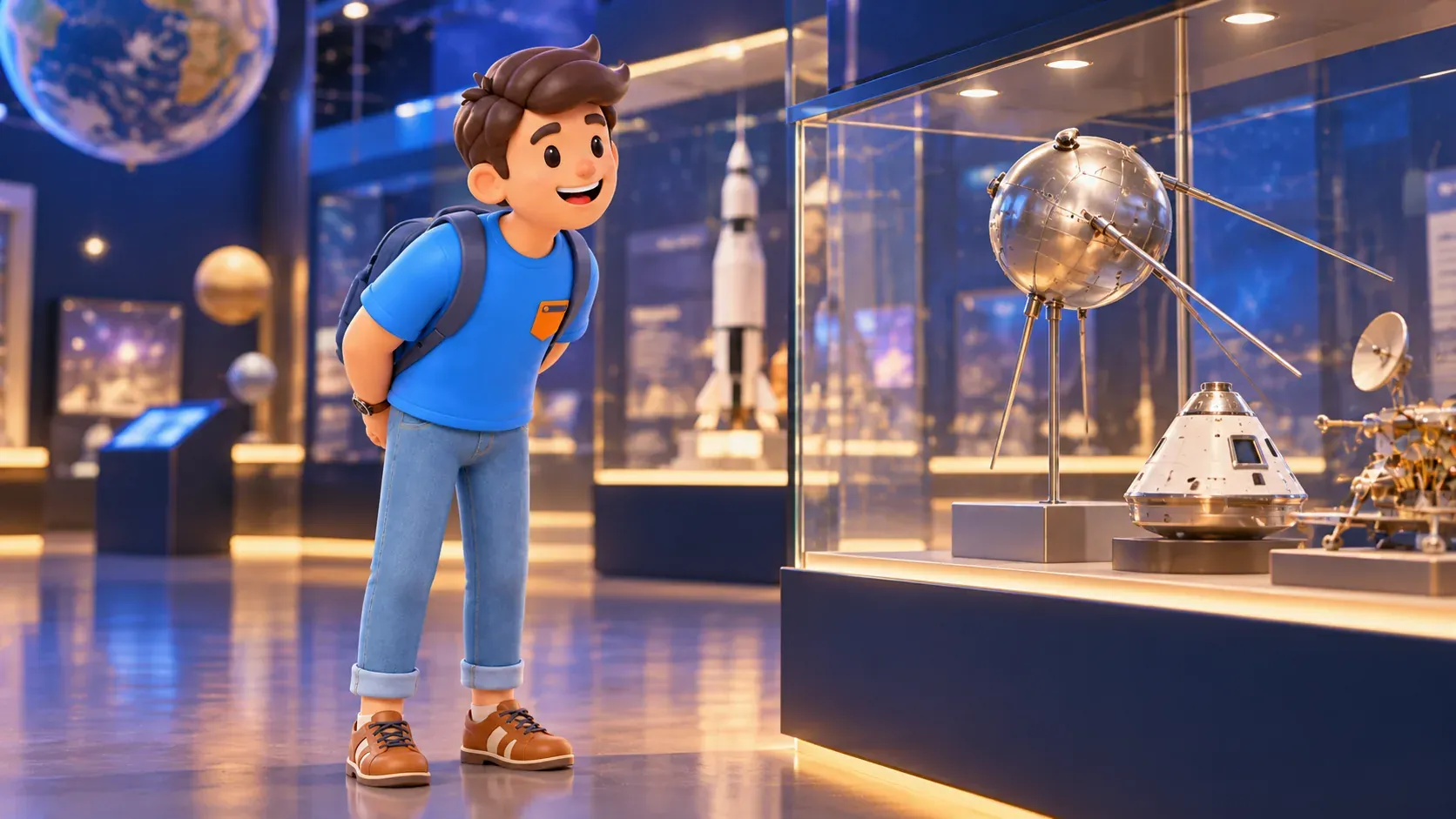
Choose a question that helps you navigate the spacecraft technology, models and human stories. How did people prepare to live away from Earth? How did engineers think about the shape and purpose of a spacecraft? How did a theoretical idea become practical work? These are ways to approach the available display, not promises that a particular temporary exhibit will be present.
Orient yourself in the galleries and select a few stops that speak to your question. Do not turn the visit into a search for every object mentioned in an old online list. Displays and access to individual sections can change. Current labels and the museum’s own plan are better guides than a photograph that persuaded you a particular object must be in a particular room.
Space technology offers more than unusual shapes. Consider the tasks behind a design: saving room, communicating, observing and sustaining a person in an unfamiliar environment. Extra time with one understandable object can be more rewarding than passing many without context. For deeper explanations, look for an available official tour and check its language and format before arranging the day around it.
With children, choose one simple question before entering: what might a person need far from home? Search for answers in the objects actually displayed and appropriate to the child’s interest. Do not promise a simulator, special game or permission to touch unless the current programme confirms it. When attention fades, completing a chosen section and taking a short walk can work better than insisting on every gallery.
The interior and the outdoor ensemble ask for different kinds of attention. You can begin with an overall exterior view, visit the museum, then continue through the alley. A timed booking should determine the order: leave a margin for the entrance rather than using it all on photographs beforehand. Additional viewpoints can wait until after the visit.

Cosmonauts Alley: return to the people
After the galleries, walk through the available part of Cosmonauts Alley. Here the space theme appears through monuments to people, including Sergei Korolev and Konstantin Tsiolkovsky. You do not need a test of every name. Select several encounters and consider the mixture of imagination, calculation and collaborative work behind a space programme.
Tsiolkovsky suggests the importance of theoretical thinking, while Korolev brings the practical design side into focus. Those short connections give the walk meaning without turning it into a complete set of biographies. Follow up particular stories if they interest you. On the spot, compare a figure’s pose, material and setting with the upward-reaching monument you saw earlier.
Choose the sequence according to the actual museum exit and open paths. There is little benefit in crossing the entire ensemble again merely to satisfy a list. The outdoor part can be a small concluding circuit or a passage towards suitable transport. A bench and several quiet minutes may be more useful than one final photograph taken only because a guide declared it necessary.
Do not confuse the monument to Korolev on the alley with the Memorial House Museum of Academician S. P. Korolev. The house is another location and a separate visit with its own schedule. It is outside this short itinerary. Finding the same name on pages belonging to one museum organisation does not establish a shared entrance or identical visiting hours.
The Cosmos pavilion: an alternative at a different scale
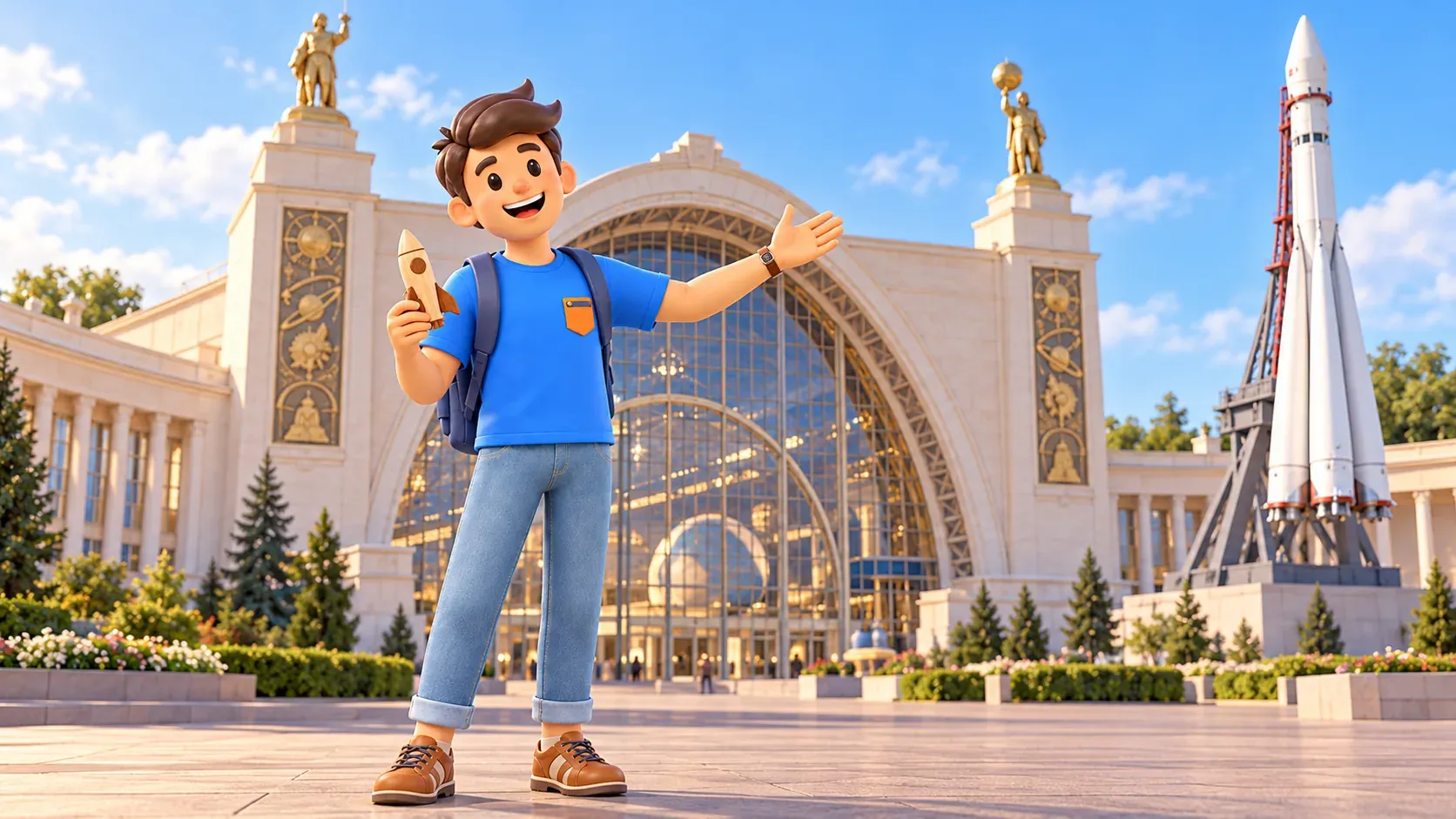
The Cosmonautics and Aviation Centre occupies Pavilion 34 at VDNH. It opened in the restored pavilion in 2018. Its large exhibition space and extensive glazing offer a different experience from the museum beneath the monument. It makes sense as the day’s main interior when you also want to experience the exhibition grounds themselves.
The pavilion stands farther inside VDNH, around Industry Square. A full-size Vostok rocket model stands in front. Treat it as a display object that conveys scale, not an operational launch installation or evidence of launches from this location. Reaching the pavilion involves a genuine walk through the grounds; describing everything as near VDNKh can conceal the difference between the metro exit and the deeper part of the complex.
For this version, choose the pavilion as your main indoor visit. Keep the monument and alley as a brief outdoor beginning, or return for them another day. Allow separately for the approach through VDNH, a meal and the journey back. Even if both museums are available, one attentive visit can be more satisfying than two completed through growing fatigue.
RoadMe makes these choices easier to use in a complete personal trip plan, combining your interest in science, architecture and walks with your dates and pace. Try it to spend your time in the city enjoying the experience rather than repeatedly deciding how two substantial museums might fit into one day.
Check the visit that you actually intend to make
Confirm the chosen institution’s schedule, ticket conditions and current notices about available galleries. The Museum of Cosmonautics and the centre at VDNH have separate visiting arrangements. A shared theme does not establish a combined ticket. Tours and special activities may require their own booking; an old account of free admission is not evidence of an enduring offer for every visitor.
Monday deserves particular attention: the Museum of Cosmonautics main website lists it as closed. Check holiday changes separately. If only the outdoor section is available on your date, reduce the scale of the outing honestly and choose a permitted walk. Do not replace a closed museum with an unverified promise that another space centre must be open.
Weather affects this exposed setting. Wind and cold may feel stronger than a sunny photograph suggests. Shorten the outdoor portion in rain, and allow water and rest in hot weather. For limited mobility, confirm the specific entrance, crossings, surfaces and rest opportunities you need. A short distance on a map does not demonstrate that every approach is convenient.
Keep one image to end with: the silver line of the monument, an engineering problem from the museum or a human figure along the alley. The connection between ideas, technology and people gives this part of Moscow its value. The pavilion, a detailed tour and further questions can belong to another day, leaving this outing with a clear scale and a proper ending.


