
South Street Seaport: Two Hours Around the Old Port

South Street Seaport reveals a New York shaped by the water: modest commercial buildings, old port streets, the masts of preserved ships and the Brooklyn Bridge across the East River view. Come for more than a bridge photograph. Within a small area, maritime trade, historic preservation and present-day city life become part of the same picture.
Allow roughly two hours for an introduction. Start around Fulton and Water Streets, continue toward the historic ships at Pier 16, and finish on an available public stretch of waterfront beside Pier 17. Museum admission, boarding a ship, a harbour sail and crossing to Brooklyn are separate additions. They do not fit invisibly into this short neighbourhood walk.
Choose the old port rather than all of Lower Manhattan
This outing suits an interest in historic streets and water without committing to a full sightseeing day. There is room to study buildings between short walks, then finish with a river view. The Financial District is nearby, but its towers can remain the backdrop. Wall Street, the September 11 memorial and other substantial visits need their own place in the day.
RoadMe makes it easier to build a personal route around your interests, from maritime history to old architecture or time beside the water. Try planning your trip in the app so the Seaport fits comfortably into a day you will enjoy.
The basic route is almost entirely outdoors. It remains worthwhile when the museum is closed, but depends on weather and public areas actually being open. Historic ships are viewed from permitted waterside positions; boarding is not promised. If the museum is your main interest, make that the principal visit and give the surrounding streets a smaller share of your time.
Do not expect an untouched nineteenth-century port. The neighbourhood has been preserved, altered and adapted, with contemporary businesses and venues contributing to its present character. Looking at the relationship between older façades and the modern waterfront is more useful than searching for a place without modern life. This is a working city district with a remembered past.
Give the two hours a simple structure
As an example, allow 25 minutes for Fulton Street and the historic façades, 15 for Water Street, ten for the waterside approach and crossings, 25 for looking at the ships from outside, 25 for the available waterfront, and ten for a calm finish. Keep another ten minutes spare. These are planning estimates rather than times measured on a field visit.
The walking itself is roughly a kilometre, depending on open paths and small detours. Begin near Fulton and Water Streets and finish by the water beside Pier 17. Allow separately for returning to the subway or a meeting point. Addresses close together still require time for a crossing, photographs and a pause rather than continuous movement.
Late morning or daytime works well for a first look: building materials are easier to see and the relationship between streets and piers is clearer. If the museum or Bowne & Co., Stationers matters to you, fit the walk around its calendar. An outdoor outing need not wait for every interior to open, but a public street and a ticketed ship are different spaces.
Conditions feel more exposed beside the river than among the buildings. Be willing to shorten the waterfront section in wind or rain. Cobblestones and older wooden pier surfaces make comfortable shoes useful. If you need a route without steps, check the specific approach beforehand. A historic district and its ships should not be treated as having identical accessibility throughout.
Fulton Street: read the buildings as part of a trading system
Begin with the exterior of Schermerhorn Row. Built in 1810–1812 as a commercial investment, these buildings could combine a storefront, an office and storage on upper floors. That arrangement made sense beside a port: goods had to be received, stored, recorded and sold. Architecture helped connect those tasks close to the water rather than separating them across the city.
Look at repeated windows, brickwork and the difference between the trading level and upper façades. Let your attention move beyond shop signs. A short pause is enough to feel a street scale unlike the surrounding business district. Choose one section and study it slowly rather than photographing every building and losing the sense of a connected group.
The buildings changed with their occupants and the area's economy. Present-day shopfronts do not remove their historical value; they show continued use. Some rooms belong to the museum, but that does not mean every floor is open to visitors. The outdoor route needs no interior passage. A closed doorway is a boundary to respect rather than a challenge to the itinerary.
A little history gives this stop context without turning it into a lecture. New York grew as a port city, and these commercial buildings connected the waterfront to business inside the blocks. As ships grew larger, the older piers could not meet every need and maritime activity shifted, including toward the Hudson. The surviving buildings speak about change as well as growth.

Water Street: a small pause before the open river
Give the neighbouring stretch of Water Street a little time before approaching the piers. It offers another look at the older buildings and a chance to decide whether a brief visit to Bowne & Co., Stationers appeals. The museum's shop and working letterpress preserve a tradition of printing. Paper, orders and skilled craft add another dimension to the port neighbourhood.
Published arrangements give Bowne & Co. free entry Wednesday–Sunday, 11am–5pm, without a museum General Admission ticket. That does not promise a hands-on printing session; workshops and special programmes have separate arrangements. If the shop is closed or busy, continue the outdoor walk. A 15-minute pause should not become a wait for an activity you have not planned.
Even without going inside, this section provides a useful transition from a compact historic block to the wider river. Compare the façades, stop somewhere permitted and put the phone away briefly. Then use the public crossing toward South Street. The road and FDR structure separate parts of the district from its piers, so reaching the water requires attention to real traffic.
Follow current signs and open routes. Barriers, maintenance and events may change an approach. This walk does not assume an uninterrupted promenade extending as far north or south as you might wish. If a section is unavailable, return to an accessible street and use a permitted approach while keeping the outing within the small Seaport area.
Pier 16: see the scale of a cargo sailing ship
The principal maritime pause is around Pier 16, where the museum preserves historic ships. Wavertree was built in Southampton in 1885 as a cargo sailing vessel and arrived in New York for museum preservation in 1970. For this walk, its scale is the key experience: hull, masts and rigging make the port's past visible alongside the older streets.
Look from an area open to the public without crossing barriers or assuming every gangway is available. A satisfying stop may involve only a few observations: the height of the masts, the space taken by the hull and how small a person looks beside it. This is a story of cargo work and distant trade, rather than a leisure yacht waiting for casual passengers.
RoadMe helps turn these interests into a personal walk or trip plan. In the app, it is more convenient to decide whether you want a light waterfront outing or more time devoted to maritime history and the museum.
A museum visit differs from an exterior look. General Admission is paid, with access to ships and rooms governed by the calendar, conditions and weather. Wind or other unfavourable conditions can restrict boarding. If going aboard matters, check requirements beforehand and extend the visit. Two hours for the neighbourhood are not a promise of enough time for the full museum campus.
At the time of checking, published museum hours are Wednesday–Sunday, 11am–5pm, with October's last entry at 4:30pm. Under the announced arrangements from November 1, Wednesday and Thursday require preregistration for 1–3pm or 3–5pm slots. Registration closes three days before the visit, and walk-up entry is unavailable on those days. Friday–Sunday allow walk-up tickets. Recheck the rules for your date.
Historic ships have steps, sloping gangways and other particular features. An accessible waterfront does not mean a ship can be entered without steps. With limited mobility or a stroller, ask about the individual vessel and approach. The exterior option lets you appreciate the hull and masts without making boarding a requirement of a meaningful Seaport visit.

Pier 17 and the bridge: finish on your own bank
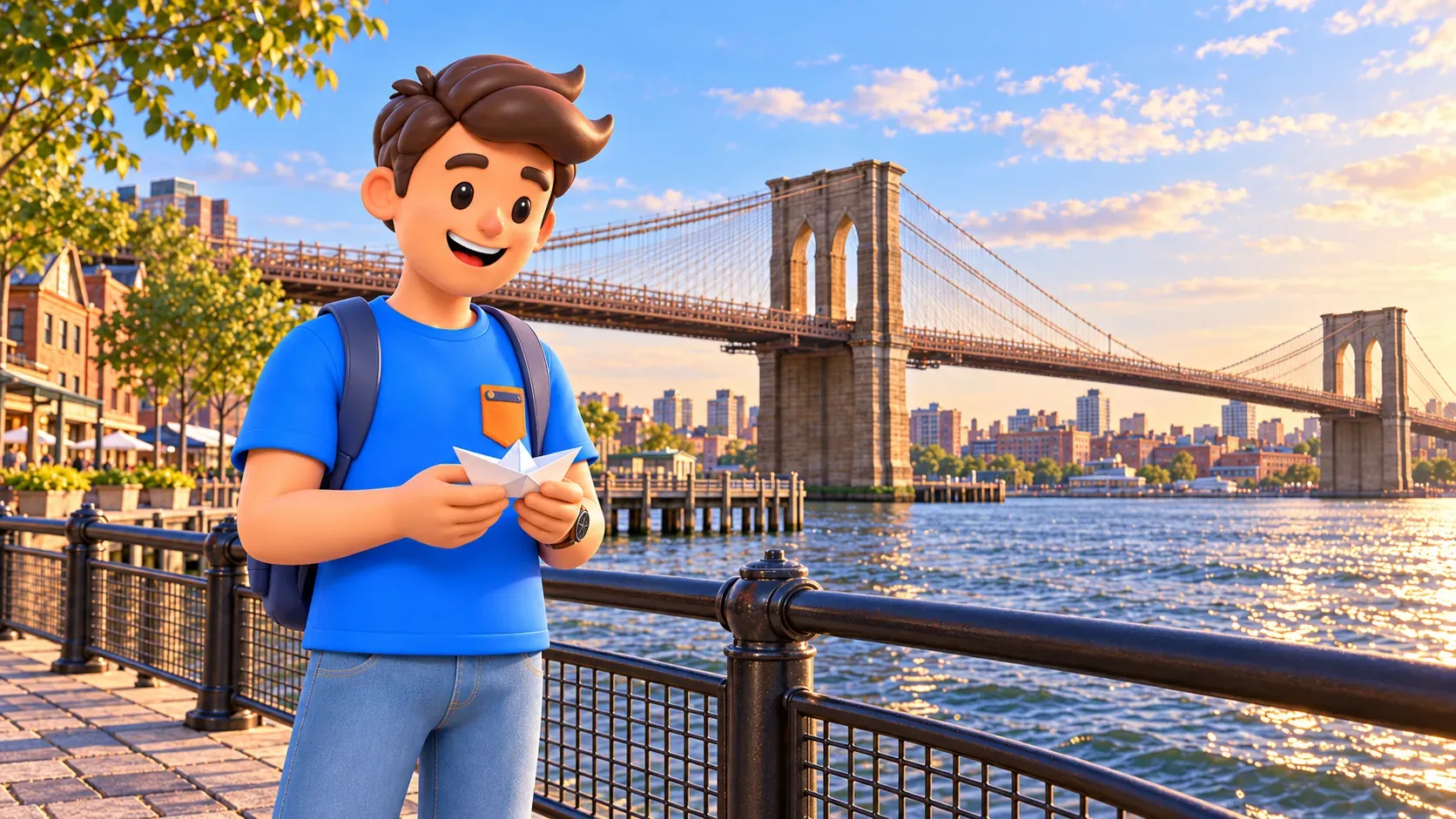
After the ships, continue to the public waterside areas available beside Pier 17. Maritime history meets contemporary leisure here: restaurants and events share the setting with a view of the Brooklyn Bridge. The basic plan stays at ground level where access is open. A rooftop, concert area or restaurant table is not promised as a free continuation.
Let the bridge be part of the view. It helps explain the river's width and the connection between its banks, but crossing is not necessary to complete the outing. The pedestrian approach to the bridge does not start directly at the museum pier. Reaching Brooklyn needs a separate time allowance and a different ending; this Seaport walk can comfortably finish in Manhattan.
Keep about 25 minutes for looking along the water and pausing where it is permitted. You do not need the exact angle from somebody else's photograph or a scene without other visitors. Notice how the rigging, modern pier and stone bridge towers occupy the same setting. That relationship remains interesting even if you have seen the bridge from Brooklyn before.
Put a full meal after the walk and choose somewhere actually operating that suits your taste. Older mentions of a market or food venue should not be assumed current. In this two-hour version, eating can remain a separate decision while spare minutes belong to the river. A restaurant queue then has less chance of setting the pace of the whole outing.
Know when to stay and when to finish
If the ships are what you enjoy, return to the museum plan and give it an additional block of time. If the buildings interest you more, stay among the streets and shorten the open waterfront. In wind or rain, choose an appealing interior with confirmed access rather than treating every pier as compulsory. The Seaport does not require the same programme from every visitor.
Conditions were checked on October 17, 2026. Recheck the museum calendar, ship access and events if they matter to you. Keep the route small, allow realistic crossings and leave room to stop: two hours can give the old port its own place in your experience of New York.


