
South Bronx itinerary: baseball, art and documentary photography
A South Bronx itinerary works best when you choose its main purpose first: baseball, contemporary art or documentary photography. Yankee Stadium, The Bronx Museum and the Bronx Documentary Center offer three distinct reasons to visit. Their calendars do not line up automatically, and their entrances mean different things. A stadium ticket, a museum exhibition and an open photography gallery each need their own check.
For a first visit, choose one main attraction and add one compatible stop. An art and photography afternoon can take roughly three and a half to four hours, excluding travel from your accommodation. A baseball day should revolve around the home game you have booked. Neither needs the zoo, botanical garden and a distant dinner added to feel complete: this is one part of a large borough.
Choose the experience before choosing the route
If the city's sporting life interests you, make a Yankees home game the occasion. If you prefer art as a way into urban experience, start at The Bronx Museum on Grand Concourse. Documentary photography enthusiasts should check the Bronx Documentary Center's programme in Melrose first. The strongest version of this day follows something you want to see, rather than three names you feel obliged to collect.
For a trip shaped around your own interests, try personal planning in RoadMe: the app makes it much more convenient to turn art, sport and neighbourhood walks into a coherent itinerary. Build a plan at your preferred pace, with room to enjoy the experiences that matter to you.
The key distinction is between a place existing and a visit being available. The museum can be open when the photography galleries are closed. The Yankees may be playing away. A stadium tour needs a confirmed available date, and a tour booking is not the same as a game ticket. Establish your main visit first, then arrange food and walking around it.
Saturday provides a useful example for combining the two cultural venues, provided the BDC has an active exhibition. On Thursdays and Fridays, its later opening calls for a later museum start. On Sunday, the museum may be open but the BDC galleries are normally closed. Treat that as a shorter art visit, rather than trying to preserve a two-gallery itinerary that the calendar cannot support.
Yankee Stadium: three different ways to visit
Yankee Stadium, by East 161st Street, is a substantial city landmark even for someone new to baseball. Its scale and the activity around a home game introduce the place of sport in everyday New York life. An exterior look, a guided tour and watching a game are nevertheless different experiences. Decide whether you want sporting atmosphere, a structured introduction to the venue, or simply a short stop outside.
For a game, check that the fixture is at Yankee Stadium, verify the start time and read the conditions attached to your ticket. Leave room for travel, entry checks and finding your seats. Avoid treating a game as a fixed one-hour appointment between museums. If baseball is the main reason for coming, one relaxed stop and a proper meal beforehand make a more sensible day.
A Classic Tour offers a shorter, guided stadium experience, advertised at about an hour. Purchase in advance online and allow for the requested arrival fifteen minutes before the start. Available dates, locations and tour routes can change or be cancelled. Do not assume a particular booking guarantees access to the field or batting practice. Choose from the actual programme available for your date, rather than a general stadium description.
The New York Yankees Museum is inside the stadium. Access is associated with a valid home-game ticket or an appropriate stadium tour; it is not a separate free museum you can enter from the street whenever you pass. Nor is it The Bronx Museum: one concerns a baseball team, the other contemporary art. Keeping those identities separate prevents an unexpectedly expensive or closed “museum stop”.
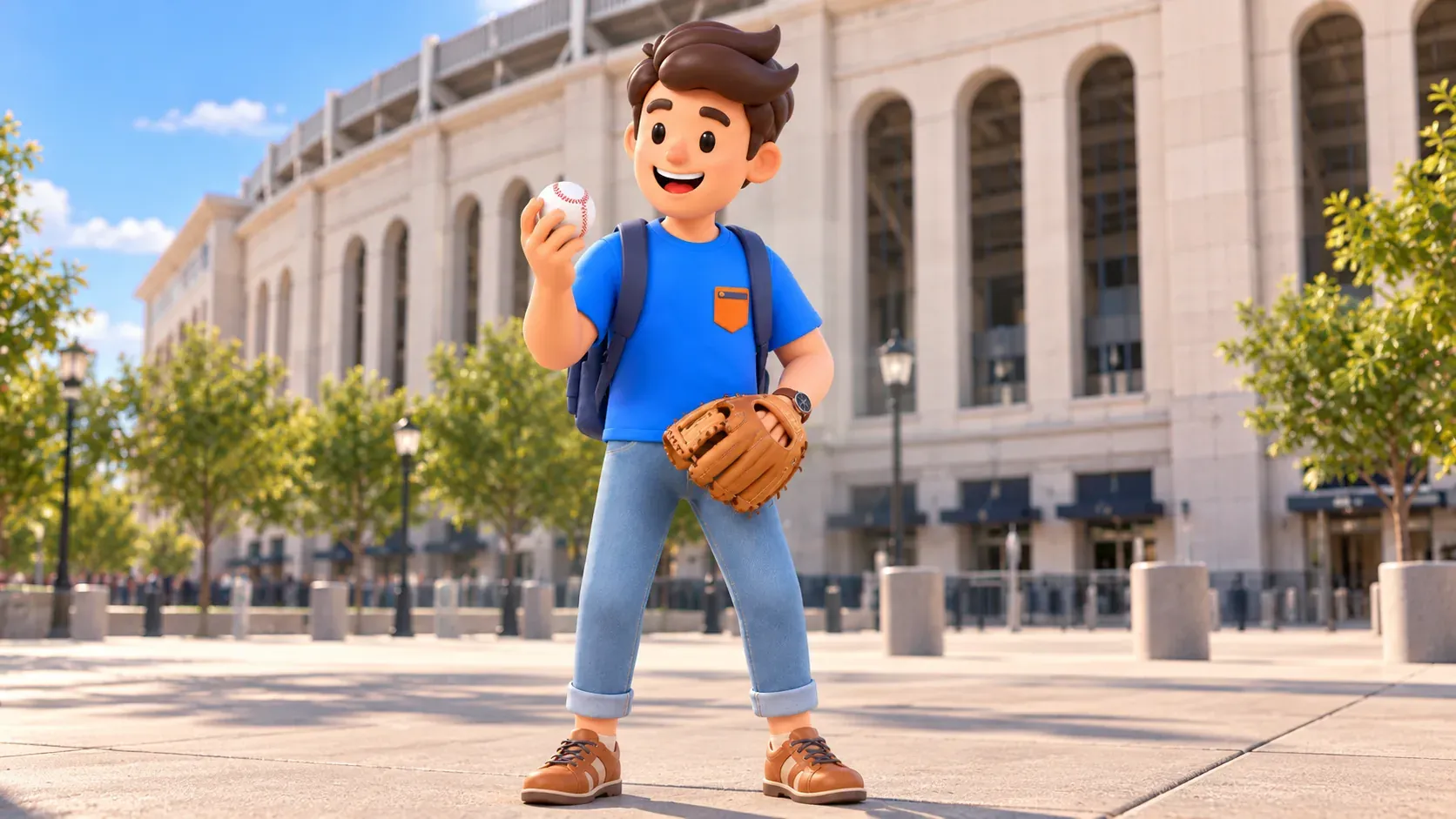
Without a ticket or a suitable tour, a look from public pavements is a perfectly reasonable alternative. Allow approximately fifteen to twenty minutes to walk between the stadium and the art museum, depending on the exit, crossings and your pace. This is additional time, not an indication that the buildings share an entrance. Crowds around a major event can make approaches slower.
The Bronx Museum: art with an urban perspective
Founded in 1971, The Bronx Museum connects contemporary art with urban experience and the borough's communities. A visit might prompt you to notice how an artist uses a familiar object, a remembered scene or a repeated visual form. This is not a chronological museum of everything that has happened in the Bronx. Choose a current exhibition that interests you and arrive ready to look closely.
As of October 2026, the South Wing is undergoing renovation while the North Wing remains open. Use the entrance on Grand Concourse towards East 166th Street. Do not navigate by an attractive rendering of the future corner entrance: an architectural image can look like a photograph of something already completed. The practical information is the current entrance arrangement, rather than a promised finished façade.
Regular opening is Wednesday to Sunday, 11am to 6pm, with free admission. Holiday closures and exhibition changeovers still apply, so check the date-specific programme as well as the weekly hours. Around seventy-five minutes is a useful allowance for a first visit. It is a planning estimate, not a guarantee that everyone will see the same amount of art in that time.
Rather than reading every label in a rush, choose several works and give each a little space. Notice your first response before reading the explanation, then see what changes. A repeated colour, an unexpected material or the relationship between two pieces can provide a useful thread. You do not need a background in art history to leave with one worthwhile observation.
There is currently no coat or bag check, and umbrellas and large items such as luggage are not allowed in the galleries. This makes the museum a poor place to insert into a journey with a suitcase. Public museum areas are wheelchair accessible, but that does not establish accessibility for the whole neighbourhood route. Eat outside the galleries and avoid touching artworks unless explicitly permitted.
Make the walk to Melrose part of the day
After the museum, allow about forty-five minutes for lunch outside. Choose somewhere that fits your dietary needs, the available menu and how comfortably you can sit. A cultural day does not need a famous restaurant at every interval. A straightforward meal and time to rest can be more useful than another destination that adds a queue and a detour.
The route then turns south towards Melrose. The museum and the BDC are roughly one and a half to two kilometres apart along city streets; allow around thirty to forty minutes with crossings. Those are estimates, not a measured walking track. Check the actual route from the entrance you use and follow public streets, rather than assuming a courtyard or private doorway offers a shortcut.
Pay attention to the scale of Grand Concourse, residential façades, local shops and the changing pace of the streets. Do not expect a continuous outdoor exhibition or a neighbourhood performing for visitors. People are working, shopping and going home. Ask before making a portrait, keep entrances clear and let ordinary street life remain ordinary, even when it is part of what interests you.
To fit this outing into a longer New York stay, try RoadMe for a personal day-by-day plan based on your dates, interests and pace. It is a more convenient way to make a museum afternoon, a sports day and time to rest work together across the trip.
The Bronx Documentary Center needs an active exhibition
The BDC is a nonprofit gallery and educational space for documentary photography, film and visual storytelling. A sequence of photographs rewards a different kind of attention from a single striking image. Consider who is pictured, who is telling the story, and what changes as you move through the series. Around forty-five to sixty minutes for one chosen exhibition is a reasonable starting allowance.
The Main Gallery is at 614 Courtlandt Avenue; the Annex is at 364 East 151st Street, directly across the street. These are two nearby spaces belonging to the same organisation. Check which one houses the exhibition you want. The photobook library and BDC Labs have separate arrangements: laboratory appointment hours do not mean that the public galleries are open.
At the time of checking, exhibition hours are Thursday and Friday, 3pm to 7pm, and Saturday, 1pm to 5pm. The galleries are closed Sunday through Wednesday. Crucially, they operate only during scheduled exhibitions, so a suitable weekday alone is insufficient. Admission is free. The programmes listed for October 2026 end on October 30; a later visit needs a fresh check of the exhibition calendar.
Access differs between spaces. The Main Gallery has a raised threshold, while the Annex has a level entrance through a garden path with loose gravel. The photobook library is upstairs without a lift. If steps or surface conditions affect your visit, contact the centre about the specific space beforehand. Free admission does not mean every part of the building offers the same physical access.
A workable Saturday, with shorter alternatives
With an active BDC exhibition confirmed, begin at The Bronx Museum at 11am and allow seventy-five minutes. Follow with a forty-five-minute lunch outside and a walk south of up to forty minutes. You will reach the photography galleries after their 1pm opening without needing to rush. An hour there and a little reserve bring the cultural outing to approximately four hours.
To include a brief stadium exterior stop first, arrive earlier and add roughly thirty to forty minutes for looking and walking. A tour inside requires a fresh calculation. A game deserves its own priority block rather than the entire cultural schedule squeezed around it. If one venue is closed, the remaining exhibition, lunch and a short walk can still justify the journey.
Before travelling, agree on the main interest with your companions. A photography enthusiast and an excited baseball fan may imagine very different days from the same three addresses. Choose a shared priority and keep the second idea optional. This simple conversation prevents the last available hour becoming a competition between incompatible plans, especially after an enjoyable lunch takes longer than expected.
Choose the return journey from where you actually finish. Third Avenue–149th Street and 149th Street–Grand Concourse are useful station references for the BDC; 161st Street–Yankee Stadium serves the stadium area. Check the operator's current service, station entrances and lift information before travelling. A station symbol on a map does not guarantee the train or accessible entrance you need at that hour.
Conditions were checked on October 17, 2026. Recheck the exhibition programme, current museum entrance and confirmed stadium arrangements for your visit. With one clear theme and realistic time around it, the South Bronx becomes a rewarding outing in its own right, with the streets between your main stops contributing to the day.


