
Sirkeci in Two Hours: Station, Post Office and Trading Streets
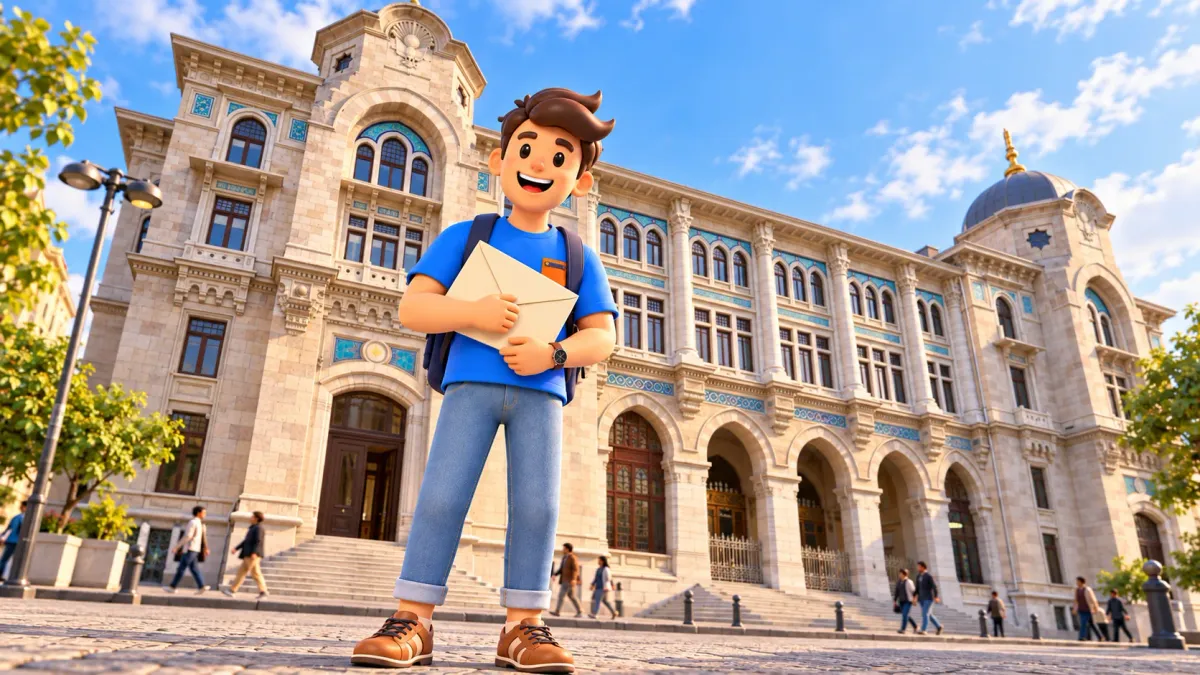
Sirkeci becomes more interesting when you see it as a neighbourhood through which Istanbul communicated with the wider world. Its historic station suggests journeys, the Grand Post Office brings letters and telegraphy into view, and shopping streets add everyday exchange. Two hours can connect these ideas: look at two buildings, walk between them and finish with a postcard or a short note about the city.
This is a compact street walk with exterior sightseeing at its core. Start outside the historic Sirkeci station building; travel from your accommodation and back is additional. The two-hour duration is a planning estimate, not a measured result. A museum visit, postal service or considered shopping needs extra time and a separate check of the relevant access or opening arrangements.
Give the walk one clear subject
The main subject is connection between people and cities. Station and post office therefore matter more than collecting attractions. Begin with the architecture of arrival, continue to the architecture of messages and notice present-day street life between them. This gives Sirkeci an identity beyond the space passed through between a tram stop, hotel and waterfront, without requiring an exhaustive guide to every building nearby.
Planning the whole walk or trip is much more convenient in RoadMe, which develops a personal itinerary around your interests, available days and pace. Choose transport history, urban architecture or unhurried exploring so Sirkeci fits your own Istanbul trip and works well with the experiences you have chosen elsewhere.
Allow approximately twenty-five minutes at the station, ten for the transition, twenty-five at the post office, twenty in shopping streets, thirty at a café and ten returning to a Sirkeci reference point. These are flexible editorial blocks. If a facade detail holds your attention, shorten window browsing while keeping the proper sitting break. The aim is a varied, comfortable visit with a recognisable ending.
A free interval between larger visits can work well, provided some attention remains. After hours inside museum galleries, even a handsome facade may start to feel like another task. Give Sirkeci its own two-hour space if urban life is what interests you. Before an actual train departure or another fixed connection, keep a separate margin for finding the correct entrance and boarding.
Historic Sirkeci station: the architecture of arrival
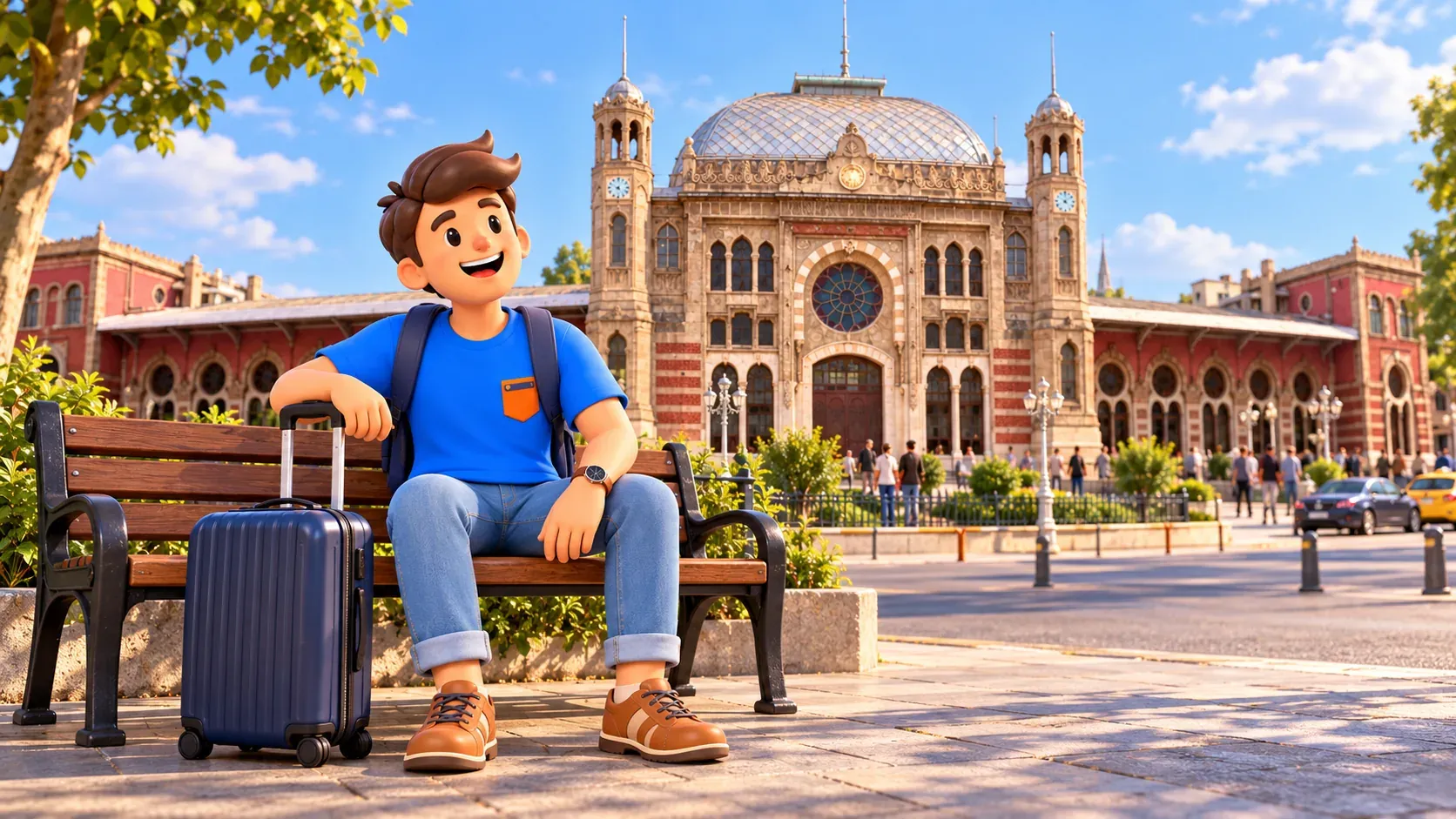
Begin at the historic Sirkeci Garı building. Its late-nineteenth-century setting is associated with long-distance railway travel and the history of the Orient Express. For this introduction, the idea of arriving in Istanbul is enough. You need not reconstruct every train route. Thinking about a long journey changes how you see a building that is otherwise easy to pass while heading somewhere else.
First find an available place where the facade becomes a whole. Look at the long, relatively low wings and more prominent central section. Then shift attention to round windows, arched openings and alternating colours. The building offers two scales: outline followed by detail. That order gives a short stop substance even without a guided interior visit or any access to railway platforms.
The historic building and entrances to current transport are different reference points. If arriving by Marmaray or another service, find the appropriate street exit and then orient yourself towards the old station. Save the start by name and a facade photograph. A station symbol on a map can indicate a transport entrance from which some street-level orientation is still necessary before the walk begins.
Observe from a suitable pavement area and leave other people room to move. Everyday life continues around the station. Compare the speed of your own arrival with the idea of travel taking hours or days: how does the meaning of a destination change? That is a prompt for your imagination. It need not become an invented story about an actual passenger or an encounter claimed by the writer.
Keep one photograph of the whole building and perhaps one detail. They will help distinguish station from post office afterwards. If a particular hall or museum interests you, check its arrangements separately. The two-hour core uses the exterior. An unexpectedly available interior can become another visit rather than quietly consuming the second half of a plan meant to include both buildings and a real rest.
Walk towards the post office through a working district
Continue along public streets towards Büyük Postane, the Grand Post Office. Look at the selected path and convenient crossings before starting. Allow about ten minutes so the transition from transport architecture to commerce has room to register. A clear short line provides freedom to observe. Trying to investigate every side street at once can replace that pleasure with repeated decisions about directions and extra stops.
Notice entrances, displays and the movement of small parcels if it appears along the way. Shopping streets connect things with people: somebody chooses, somebody wraps, somebody carries onwards. This present-day observation links the two historical stops without claiming that every current business has occupied its premises for a century. Old buildings and contemporary street life can complement one another while keeping their different times clear.
Choose a small personal subject, such as packaging, handwritten labels, a repeated colour or a method of displaying goods. An ordinary street becomes more interesting with a question in mind. In company, compare discoveries at the next stop. One person may notice architecture above the windows, another objects at eye level. Different observations add variety without expanding the number of required visits or the distance walked.
The Grand Post Office: messages in a monumental setting
Designed by Vedat Tek, the Grand Post Office opened in 1909 for the postal and telegraph administration. It is associated with the early First National architectural movement in Türkiye. That brief context is useful here: communication received an expressive public building. After the station, consider how different forms of connection could represent a city through architecture, alongside performing their practical everyday work.
Look first at the facade and then at its rhythm. Stone surfaces, arched windows and blue or turquoise decorative elements offer things to see without a long vocabulary lesson. Find a repeated feature and follow what changes near larger sections. This simple approach makes design visible even if the architect's name is new to you and learning an entire architectural movement is outside today's interests.
Now compare the post office with the station. Which feels more horizontal? Which gives stronger emphasis to individual sections? Where does a round window hold attention, and where does the eye follow a row of openings? There is no examination or single correct impression. Two nearby buildings make a good introduction to comparison because their human subject is understandable: people and messages moving through a city.
The exterior remains the base visit. If you want a postal service, a particular room or a museum display, check the actual arrangements for that function beforehand. Access to one part does not establish access to the whole building. For sending a letter abroad, ask the operator about the current service and tariff separately. Historical information about the building does not determine delivery times today.
Resist immediately adding another major attraction after the facade. A few quiet minutes help preserve the difference between the two stops and the subject connecting them. Architecture enthusiasts can extend the post office and reduce shop windows. Those more interested in atmosphere can choose a short look at details and continue. Both approaches retain the finished shape of this small neighbourhood walk.

Shopping streets with room simply to look
Give nearby public shopping streets about twenty minutes, choosing a manageable section with a clear return towards a known reference. The task is to see the district working. Look at goods, entrances and the spaces between them. Even without a purchase, the everyday scale of Sirkeci becomes clearer. The two large buildings are richer when seen alongside streets that people continue to use for ordinary reasons.
If an object interests you, ask what it is, how it is used and the price of the version under discussion. Conversation can be the memorable part. Remember the remaining walk and your bag's size. A convenient souvenir should leave room for an enjoyable break. Buying is optional: curiosity, a few questions and a polite thank-you can fully complete a small encounter with the commercial district.
Consider people and work when photographing. Asking is appropriate for a close image of a vendor or shop merchandise. Sometimes an architectural detail above a display conveys the impression while leaving movement uninterrupted. Choose images for your own account: a station detail, the postal facade, a small street scene. Three distinct observations can explain the walk better than many similar frames of one attractive opening.
This short section expands easily, so decide what signals its end. Finding one interesting object or reaching a chosen crossing might be enough before sitting down. A limit preserves variety: buildings, streets, then rest. If shopping becomes the main pleasure, enlarge its time consciously and postpone a larger idea elsewhere. That is more comfortable than expecting new interests to fit invisibly inside the same two hours.

A café and a postcard: make your own message
Leave roughly half an hour for a café conveniently nearby. Choose by available menu, current prices and a comfortable table, keeping the return towards Sirkeci in mind. Sitting down matters more than finding one supposedly essential business. Tea, coffee or a small snack gives impressions time to become words. The subject of communication can acquire a personal continuation without another exhibition or a new journey.
Write three sentences on a postcard or in your phone notes: what stayed with you at the station, which post office detail stood out and what surprised you in the street. Posting the card immediately is optional. Keep it as a record, or organise sending separately after checking the service. The point is to choose your own message about Istanbul within a relaxed finishing pause.
With children, turn observation into a simple game: find a round window, a blue pattern and something worth drawing. Adults can each choose one detail for the others to locate. A few minutes can hold the subject together without a long lecture. With different walking endurance, increase time at the table and shorten window browsing, preserving both architectural stops as the group's shared experience.
Return to Sirkeci and fit the walk into your trip
After the café, allow about ten minutes to return to your selected Sirkeci reference. The exact time depends on the table and streets chosen. Check your onward transport direction; travel to a hotel or another district is outside the estimate. If accessibility matters, inspect the actual pavements, crossings and entrances needed by your group. A short distance alone does not describe every section's ease.
Using the whole personal trip plan is more convenient in RoadMe, where interests, days and chosen places form a coherent itinerary that stays easy to consult. Download Istanbul beforehand with an internet connection to use maps and navigation offline afterwards.
Let this outing keep its subject of connection and exchange, with palaces, major bazaars and long waterfront walks given their own space elsewhere. Sirkeci can then become a story rather than a corridor: someone arrives, someone sends a message, someone chooses and passes on an object. Two buildings, a few streets and your own short note are enough to give that story a human scale.


