
Seosomun and old Seoul Station: an architecture walk
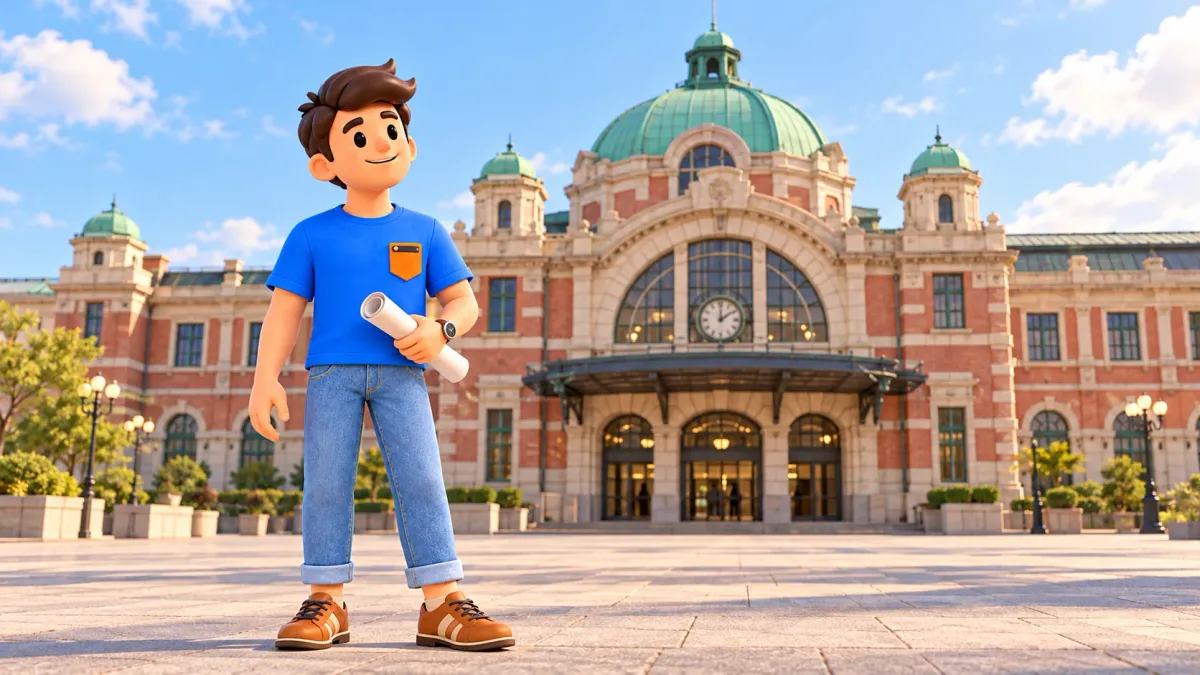
Allow three to four hours for Seosomun and old Seoul Station. Start at Chungjeongno on subway Line 2 or 5, visit the historical museum beneath Seosomun park, then follow public streets to Culture Station Seoul 284. Finish beside the working Seoul Station complex. Add travel from your accommodation separately, and choose the date using both venues’ calendars: a surviving historic building does not guarantee open exhibition rooms.
The pairing compares two architectural tasks. A contemporary underground museum creates a pause within the city; a former railway station presents a ceremonial façade to arriving passengers. Both concern Seoul’s history, but they tell different stories. At Seosomun, memory, social beliefs and natural light matter. At the station, travel, restoration and a new cultural use give the old spaces their present meaning.
Build a half-day around two buildings
Make Seosomun the main interpretive stop. After the underground galleries, emerge into the park and pause before walking towards the station. This order lets history settle before the scale changes. If Seoul 284 has an exhibition you particularly want to see, allow additional time and reduce other plans. Nearby museums do not all need to become part of this single outing.
Plan this day much more conveniently with RoadMe: the app develops a complete personal route or trip around your interests, dates and pace. Architecture, history, exhibitions and rest become a coherent programme that is easier and more effective to use during your stay.
| Part | Suggested allowance | Purpose |
|---|---|---|
| Approach to Seosomun | 20–30 minutes | Find the park and museum descent |
| Historical museum | 90–110 minutes | Site history and architecture of light |
| Street connection | 20–30 minutes | A change of urban scale |
| Seoul 284 | 45–60 minutes | Façade and available interior |
| Break and subway finish | 20–30 minutes | A comfortable conclusion |
These are editorial estimates rather than measured connections. The upper allowances run slightly beyond four hours, so choose your depth of viewing. A shorter version means selected museum themes and an architectural look at the station. A guided space tour, every interpretation panel and a substantial temporary exhibition need a larger allowance. Three hours is not a promise of detailed access to every room.
Find the correct Seosomun museum
Save 서소문성지 역사박물관 and 5 Chilpae-ro. From Chungjeongno Exit 4, follow the museum approach towards the historical park and its signed descent. Most spaces are underground. The green surface is not the whole exhibition, and entering the park does not by itself locate the visitor entrance. Consult the layout before choosing stairs or an available lift route to the relevant level.
This is different from Seoul Museum of Art’s Seosomun Main Branch, which has another address and collection. The stop here is the historical shrine museum beneath a park near the railway district. Romanisation and the shared word Seosomun can obscure that distinction. Keeping the exact Korean name helps preserve the intended geography and prevents arriving at a perfectly interesting but unintended institution elsewhere nearby.
Memory beyond the former city gate
The area’s name relates to Seoul’s former Small West Gate. The crossroads outside it connected trading movements, roads and state justice. Public executions occurred in a place where many people could witness them. Seosomun’s history therefore begins long before the contemporary museum and extends beyond its striking brick walls. Beneath today’s park is the memory of an active junction of ordinary movement, authority and urban society.
During nineteenth-century religious persecutions, Korean Catholics were executed here. The museum places that memory within late Joseon society: new ideas, social relationships and conflicts between belief and established order. For a general visit, connect a few dates with individual lives. You do not need prior knowledge of the church calendar or a particular religious affiliation to understand how a city preserves difficult historical experiences.
Choose one question for the historical rooms. How did knowledge circulate? Why did new beliefs provoke opposition? How did everyday life around the crossroads change? One question links documents together more usefully than trying to retain every name. Seosomun emerges through both personal stories and urban context. Its architecture supports that attention, without replacing the content or making the courtyard the only worthwhile destination.
Descent, brick and open sky
The museum opened in 2019, with its main programme below the historical park and open city space retained above. Descending changes perception as well as level: street noise recedes, brick surfaces gather the eye, and natural light becomes more noticeable. Watch how a passage compresses space before a courtyard opens it again. The contrast is understandable without specialist architectural language or a technical drawing.
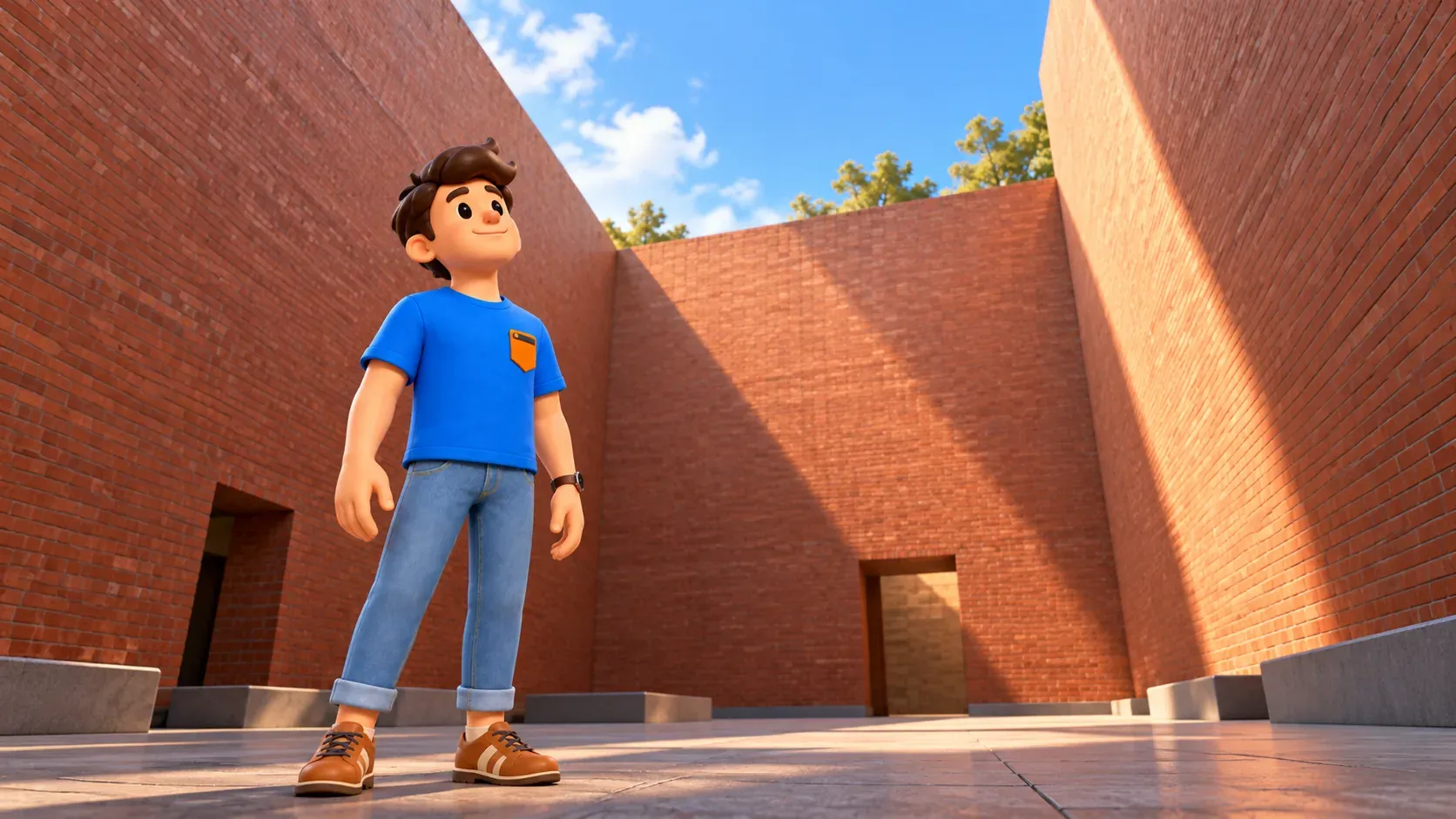
Sky Square opens from the third basement level towards the sky. Tall walls withhold the usual view of surrounding buildings and emphasise light from above. Notice the edge of a shadow and the direction of your gaze. The empty volume is part of the design. There need not be a single central object explaining the space; proportions and the open top already create a distinct experience.
Light takes different roles across the complex. Consolation Hall has its own memorial purpose and differs from the open courtyard. Do not treat every brick space as the same photographic setting. Compare movement, height, material and quiet, then return to the historical material. Architecture can help you read the museum more attentively rather than encourage a quick passage through the exhibition solely to reach a striking final image.
What to select with limited time
For around ninety minutes, choose the history of the site, one interpretive theme and an expressive courtyard space. Include movement between levels. A complete examination of the library, education areas and every temporary project lies outside this short stop. The number of rooms is not a list of compulsory visits. A clear question with a few meaningful answers gives a more satisfying sense of completion.
Personal photography is permitted with restrictions: no flash, tripods or selfie sticks, and observe current signs beside exhibits. Commercial filming needs separate permission. You might instead record a few impressions after the galleries: where light pointed upwards, which material dominated, and how scale changed. That preserves an individual response without turning a memorial visit into a lengthy staged photographic session that occupies the paths needed by other visitors.
Museum hours and the return to the park
Seosomun’s regular hours are 09:30–17:30, with last admission at 17:00 and free entry. It closes on Mondays, 1 January, Seollal day and Chuseok day. The lunar holiday dates change each year. Check special notices too. Arrive during the earlier part of the day: the formal last-admission window is far too short for the proposed ninety-minute visit and unhurried observation of the architecture.
Spend a little time in the park after emerging. The sky, framed below by walls, becomes broad again. Let your eyes adjust to the wider city perspective and decide whether you want rest before the second building. A pause preserves the difference between the two experiences. You need not search immediately for another entrance simply because the next cultural space happens to be within walking distance.
Through ordinary streets to the old station
From the park, use public pavements towards the Yeomcheongyo area and the old station building. Follow current pedestrian crossings. This is a working transport district, so a short line on a map does not mean a direct path through any barrier. Your destination is Culture Station Seoul 284, 문화역서울284, at 1 Tongil-ro. The modern passenger station nearby serves a separate purpose.
The connection changes scale. After a restrained underground museum come transport approaches, larger flows and a façade designed for arrival. Notice how the building addresses the square and identifies its main entrance. That question links the stops better than searching for visual resemblance. At Seosomun, descent organises movement; at the station, symmetry and the dome establish an emphasis visible before you enter the historic rooms.
A 1925 building with a life after trains
The monumental old building was completed in 1925 for Gyeongseong Station, during Japanese colonial rule. Red brick, pale stone detailing and a central dome express a European architectural vocabulary within Korean railway history. It is neither a royal palace nor today’s KTX departure hall. The façade’s visual appeal and the historical circumstances of transport development deserve attention together, without erasing one in favour of the other.
Its principal station function passed to the new complex in 2004. Following restoration, the cultural space Seoul 284 opened in 2011. The number recalls its historical heritage designation rather than a platform or train service. Former waiting and service spaces now host exhibitions and cultural programmes. Their value lies in both architectural survival and the possibility of giving an old public building a useful new role.
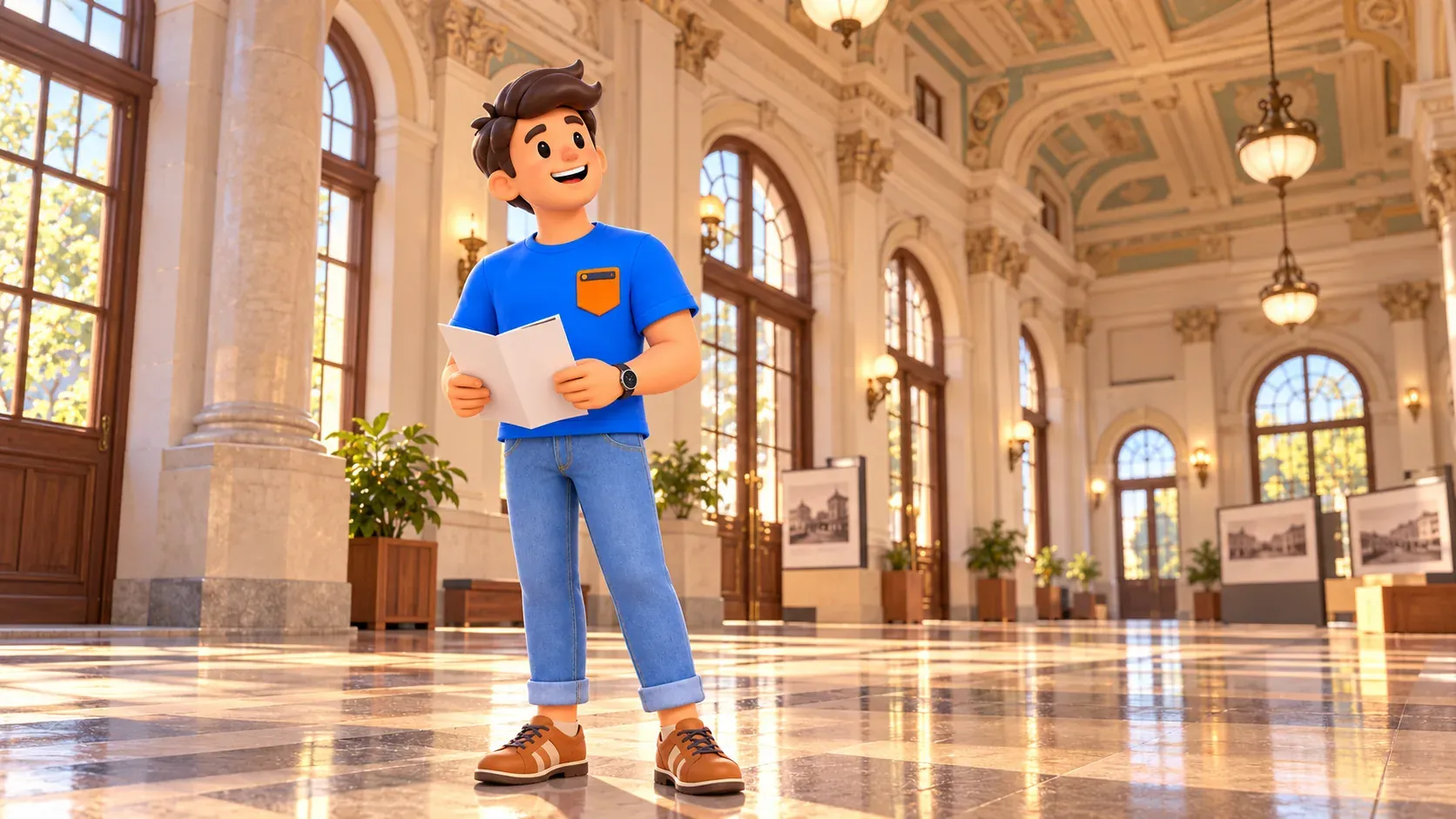
Look at the façade as a whole, then choose a detail: a window surround, a brick pattern or the transition towards the dome. If the interior opens, compare the outer composition with the hall and former waiting spaces. Passenger hierarchy and service once shaped the rooms. The present appearance results from restoration and adaptation, however, rather than every surface remaining untouched since the building’s completion in 1925.
When Seoul 284 opens
The centre’s current general visitor information gives 10:00–18:00, with admission ending thirty minutes before closing, and Monday closure. There is another important condition: the venue closes when no exhibition or event is taking place. A normal weekday alone therefore does not guarantee an interior visit. Check the calendar for your date. Older tourism pages giving different hours should not override the organiser’s present information.
General entry is listed as free, while separate programmes have their own arrangements. Space tours operate by reservation at specified times and do not arise automatically when you turn up. A self-directed architectural stop uses the available part of the building, without promising every room or event. Between exhibitions, retain the façade visit and count the programme as shorter; it does not replace a planned indoor exhibition.
A useful place to finish
Near Seoul Station, choose a tea or meal break according to what is available when you arrive. After two cultural spaces, sitting briefly helps recall what distinguished them. Continuing through Seoullo 7017 requires its own time: this route does not include a complete elevated garden walk, market exploration and neighbouring districts on top of the main programme. A clear station finish leaves you free to decide what follows.

Arrange the whole Seoul stay more comfortably with RoadMe: the app fully develops a personal trip plan around your interests and preferred pace. Museum days, architectural walks and rest receive a thoughtful place across the journey, helping you use your time in the city more effectively.
The half-day leaves two different relationships with city space: Seosomun through descent, brick and overhead light; the old station through its public façade and new cultural purpose. Finishing beside the subway gives the walk a clear geography. Being close to Seoul Station need not turn it into an exhaustive sightseeing day or a guaranteed outing between any pair of trains regardless of the time available.


