
Santa Croce in Two Hours: Small Squares and Unexpected Museums

Give Santa Croce two hours for an outdoor introduction: start at Campo San Giacomo dall’Orio, head through the San Zan Degolà area to the Fondaco dei Turchi, continue to Palazzo Mocenigo and finish at San Stae. The time includes looking and short breaks. Allow an additional estimated hour to an hour and a half for one museum; two interiors are not included in the two-hour walk.
The choice here can be natural history or the history of textiles, costume and perfume, rather than another major painting collection. The walk helps you decide which subject interests you while seeing the neighbourhood between museum doors. If time is short, keep the outdoor sequence and leave both collections for another occasion.
Two hours for the neighbourhood, extra time for a museum
The starting point is Campo San Giacomo dall’Orio in Santa Croce, not San Giacomo di Rialto beside the market. Getting there from your accommodation or the station comes beforehand. The finish at San Stae puts you beside the Grand Canal rather than back on the opening square, so include a separate allowance for your onward journey.
Try RoadMe for a complete personal trip plan based on your interests, dates and pace. The app makes it much easier to connect a short walk with a suitable museum and the rest of your stay than to assemble the journey from separate recommendations yourself.
This route works in two ways. It can fill a free interval between activities you have already chosen, with every interior left out. Or it can introduce a relaxed half-day centred on one museum. Make that decision before arriving at a ticket desk, particularly if a fixed appointment already limits your available time.
Choose by subject rather than age alone. Natural history might suit a child absorbed by animals or ancient life, but adults may be equally interested. Someone curious about materials, clothes and the workings of a noble household may prefer Mocenigo. Ask what you want to spend time looking at today instead of seeking a universally “best” museum.
A clear 120-minute framework
The following timings are planning estimates, not measurements taken on site. Each block includes movement towards the next main landmark and a short pause. Your chosen streets and pace will affect the total. Museum galleries, church interiors, a restaurant lunch and a vaporetto ride all sit outside this calculation.
| Stage | Allowance | Main interest |
|---|---|---|
| Campo San Giacomo dall’Orio | 25 minutes | The square and the church exterior |
| Through the San Zan Degolà area | 15 minutes | Small spaces between the streets |
| Approach to the Fondaco dei Turchi | 20 minutes | Locate the museum and understand its building |
| Walk to Mocenigo and exterior pause | 20 minutes | Consider a different museum subject |
| San Stae and the Grand Canal | 20 minutes | An open view at the finish |
| Flexible time | 20 minutes | A short coffee and navigation |
The total is 120 minutes. A full lunch requires more time or fewer outdoor stops. For a shorter version, begin closer to Mocenigo and finish at San Stae; there is no need to walk backwards merely to reproduce the sequence. Keep the route useful to your day rather than treating every stage as compulsory.
For one interior, add roughly 60–90 minutes as an initial allowance. A keen child or an adult reading the displays carefully may want longer. This is not an official museum duration or a promise to see everything. The walk with one museum becomes approximately three to three and a half hours, before approach and onward travel.
San Giacomo dall’Orio: begin with the space
On the campo, notice how the church sits among houses and open passages. Choose a view, then compare what changes as you move around the square. You do not need an admission ticket or a detailed diagram for this beginning. Give the space a few minutes before turning to the next name on your list.
The church’s foundation dates to the ninth century. If you choose a separate interior visit, one feature is its timber ceiling, reminiscent of an upturned ship’s hull. That cannot be seen from the square. In the two-hour framework, the building is primarily the landmark around which the opening public space is organised.
Use the square to settle practical decisions with your companions: coffee now or later, whether to enter a museum and how much walking feels comfortable. These questions are easier here than in front of a ticket desk. Buying a drink need not become an unexpectedly long stop if another activity already has a fixed time.
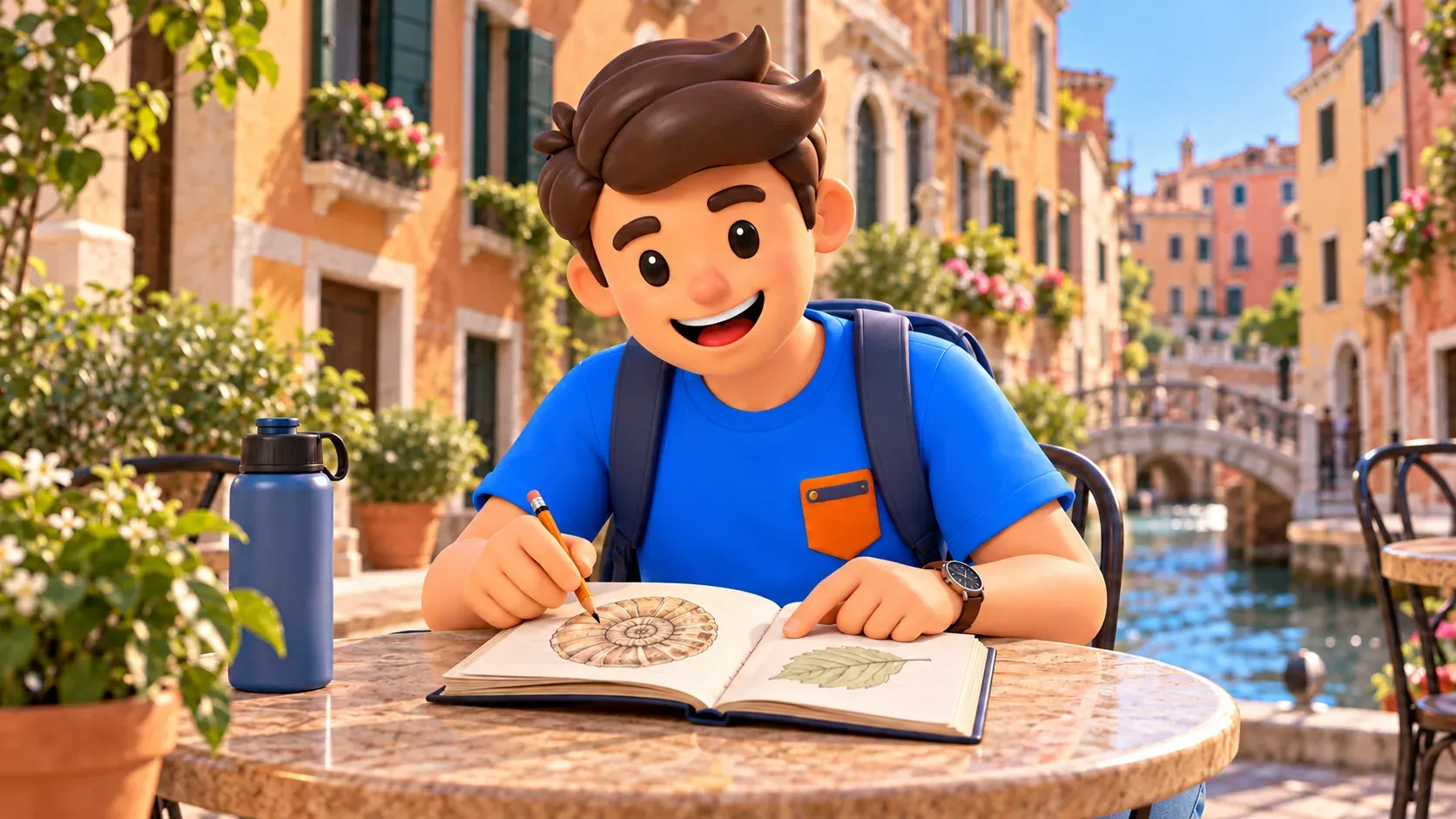
With children, try finding a round window, comparing brick and plaster colours or sketching a roof shape. There is no need to turn every church into an activity centre. A chance to notice one detail may be more enjoyable than a long explanation offered simply because adults feel it should be included.

Through San Zan Degolà to the Fondaco dei Turchi
Continue through the area around San Zan Degolà towards the Natural History Museum approach. The short transitions between campi and lanes matter here. Keep the next major landmark in mind, while checking turns on a current map. A building’s Grand Canal address does not mean a continuous public waterfront path leads to it.
At the Fondaco dei Turchi, distinguish the museum entrance from its celebrated water-facing façade. A complete frontal view from the canal should not be promised as part of an ordinary walk on land. Find the approach, look at the accessible surroundings and decide whether to enter. A boat journey for an architectural view is a separate activity.
The palace was built in the thirteenth century and later became a residence and trading base for Ottoman merchants, beginning in the seventeenth century. Substantial restoration followed in the nineteenth century; the Natural History Museum has occupied it since 1923. That brief sequence explains a changing address, from commerce and residence to scientific collections.
Natural history: choose a question that interests you
The Giancarlo Ligabue Natural History Museum offers a different subject from Venice’s paintings and ceremonial interiors. Its visitor route includes fossils, the history of collecting and the variety of living forms. Before entering, consider which topic you want to explore. You do not have to give every section equal attention to have a worthwhile visit.
For a family, one question can give the visit direction: how can a find tell us about the past, or why do people collect natural specimens? Choose explanations suited to the child’s age and curiosity. A scientific exhibition does not mean every object can be touched; follow the arrangements around each display.
The same approach works for adults. Pick one specimen or way of explaining something that you would like to discuss afterwards. You do not need to photograph every case. One clear story that stays with you can make a museum stop more satisfying than a large folder of images with little connection between them.
If you already spent the morning in a major museum, a change of subject is not necessarily rest. Check your energy and attention first. You may prefer to keep today outdoors and return for the collection separately. Proximity to a ticket desk is a reason to consider a visit, rather than an obligation to buy admission.
Do not expect to enter with a suitcase: the museum excludes bulky luggage, while other bags are subject to its rules and staff assessment. Arrange storage elsewhere beforehand. This matters on arrival or departure days, when a short walk may otherwise look ideal between a train and accommodation arrangements.
Mocenigo: clothing, materials and perfume history
From the Fondaco, follow public streets towards the Museum of Palazzo Mocenigo. Its subject is different: the setting of a Venetian noble household and the role of textiles, costume and perfume. That distinction is enough for choosing between the museums. You do not need a complete catalogue of rooms and objects before deciding.
Mocenigo suits an interest in material details: a fabric pattern, the shape of a garment or an object within a domestic setting. It offers a way into history through taste and daily choices rather than only a famous artist’s name. The museum environment should not be taken as permission to touch historic clothing or use displayed belongings.
At the check, the museum warned that some eighteenth-century costumes were temporarily unavailable because of routine maintenance. Avoid building your entire visit around a particular outfit in someone else’s photograph. Read current notices and consider the collection’s wider subject. If one object matters especially, establish its availability separately.
The perfume theme also does not mean ordinary admission automatically includes making your own fragrance. The museum has educational formats and a laboratory with their own arrangements. They are not part of this two-hour walk. If practical participation is your priority, make it a planned main activity rather than an assumed addition at the door.
If science, fashion or everyday history is what draws you to Venice, let RoadMe develop a personal itinerary around those interests and your pace. The app makes planning the whole trip more convenient, with suitable visits and time to rest.
Mondays and seasonal calendars
Both museums normally close on Mondays. The outdoor walk still works, but a museum-centred half-day needs another date or a specifically announced exception. Their proximity does not create an automatic fallback: if one is closed on an ordinary Monday, the other will not solve that problem. Choose the visiting day before relying on either interior.
Their seasonal boundaries differ. Natural History uses its summer schedule from June through September, while Mocenigo uses April through October. In October, do not transfer one museum’s hours to the other. Last admission also comes before closing, so build a late visit around when you can enter, not simply when the building shuts.
Save the ticket confirmation and the name of the selected museum before setting out. Check whether your option covers the permanent collection, a workshop or another format. A museum pass does not add hours to your day or cancel closure days. Decide what you want to experience first, then choose the appropriate admission arrangements.
San Stae: finish beside the larger canal
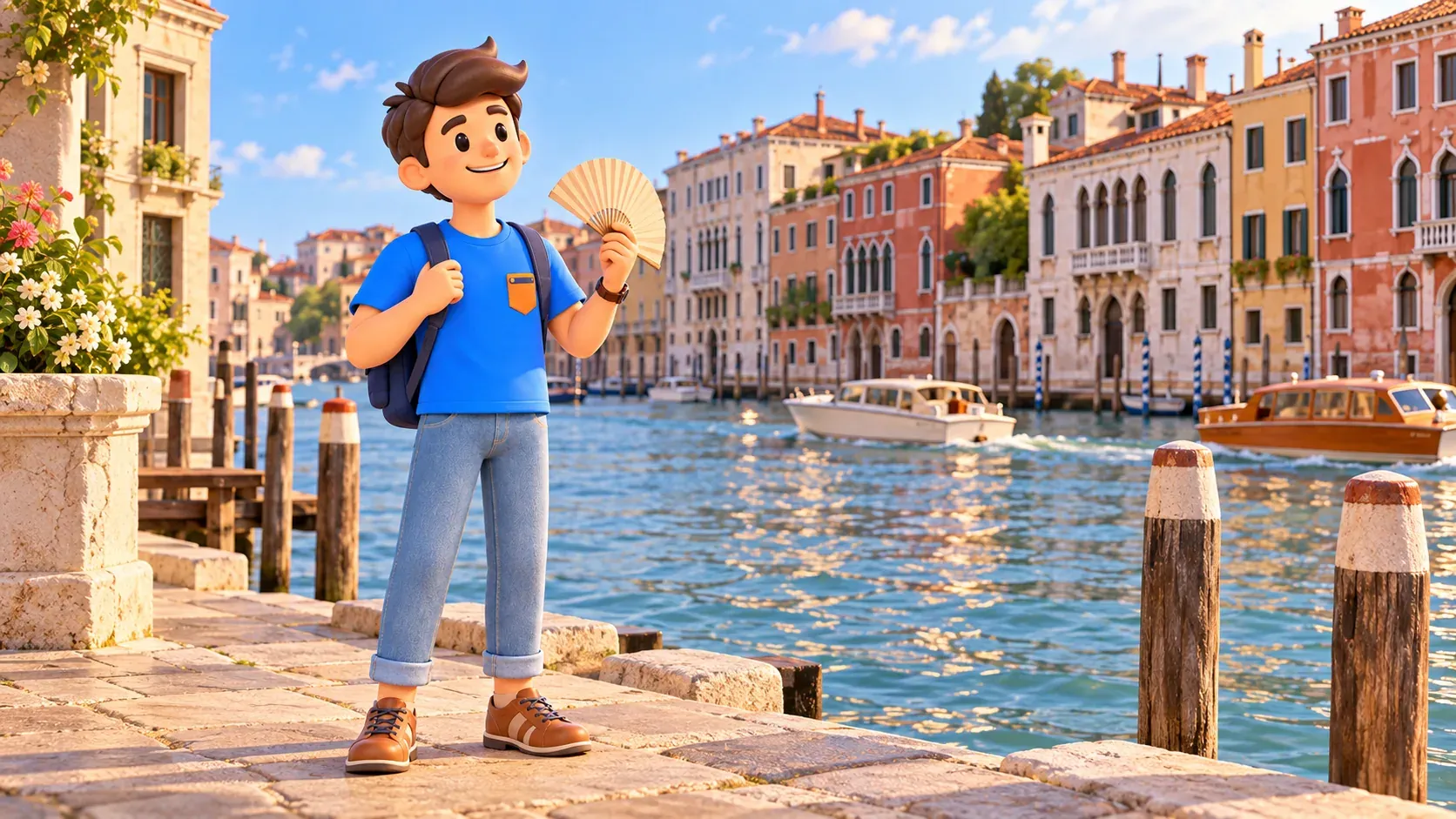
After Mocenigo, head towards San Stae and the Grand Canal. The open water makes a clear finish after smaller lanes. The church interior is not included in the calculation. Stand clear of circulation and boarding areas, look across to the opposite bank and decide what comes next, without immediately adding another compulsory attraction.
This final water view does not turn the entire route into a Grand Canal promenade. Between stops you will use neighbourhood streets and small bridges. With mobility needs, assess specific connections beforehand, not just distances. In rain, allow for slippery paving; if high water is forecast, consult municipal information instead of assuming the path will stay dry.
For an arrival walk, compare the Santa Lucia to Frari route. For a repeat trip, the three alternatives beyond San Marco offer other directions. Keep Santa Croce as a short introduction or expand it with one museum, leaving room for the journey onwards and a proper rest.


