
Prairie Avenue and the South Loop: A Half-Day Walk with One Interior

Prairie Avenue and the South Loop make a useful half-day when you want a small piece of Chicago with several different cultural voices. Begin around Glessner House, connect to Second Presbyterian Church and continue towards the historic Chess Records building. Choose one interior as the day’s substantial visit, leaving the other two as exterior observations rather than competing appointments.
This is a neighbourhood walk about domestic architecture, a religious art setting and the preservation of blues history. The places do not represent a single moment in time, and the route does not pretend that their stories are interchangeable. Their proximity makes a practical sequence; the contrasts give you something worth noticing along it.
Let one confirmed visit organise the half-day
Choose the subject that interests you most before fixing the start time. Glessner House suits a guided encounter with domestic design; the church suits an art and architecture visit; Blues Heaven in the former Chess building suits musical heritage. Confirm the actual access arrangement for that choice, then fit the street sections around it.
RoadMe helps build a complete personal trip around your dates, interests and preferred pace. Try giving this half-day one cultural priority and placing the other neighbourhoods, meals and travel across your Chicago stay where they fit comfortably.
Allow roughly four hours as a planning envelope: seventy-five minutes for a chosen interior, forty-five for walking, forty for exterior observations, fifty for food and rest, and thirty of flexibility. These are estimates, not measured route timings. The seventy-five-minute block matches the museum’s standard full-house tour; another operator’s activity needs its own confirmed duration.
Do not book all three interiors because their addresses appear close together. Arrival, introductions, questions and waiting extend a visit beyond the time spent looking at a room. One appointment gives the street room to remain part of the outing and lets you pause without watching the clock at every crossing.
Find the small geographic sequence
Glessner House is at 1800 South Prairie Avenue, on the southwest corner with 18th Street. The church is at 1936 South Michigan Avenue near Cullerton, and the Blues Heaven Foundation occupies 2120 South Michigan Avenue. The ordinary north-to-south version begins at the house and ends at the music-history address.
From Prairie Avenue, use 18th Street west towards Michigan, then follow Michigan south to the church and onwards to the former recording building. Use public sidewalks and legal crossings. This is an address-based sequence, not a claim that every crossing or entrance will remain unchanged on your date.
If your only confirmed booking is late at the house, reverse the order or arrive earlier for the southern exteriors. The point is to avoid crossing the same ground repeatedly for the sake of a rigid list. Check the actual entrance instructions for the interior and keep a small margin before the appointment.
Plan the journey from your accommodation separately. A route beginning at Prairie Avenue does not imply that it starts at your hotel or beside your previous museum. If you want a longer lunch or walk more slowly, expand the half-day instead of removing every pause to preserve an arbitrary finish.
Start with Glessner House from the street
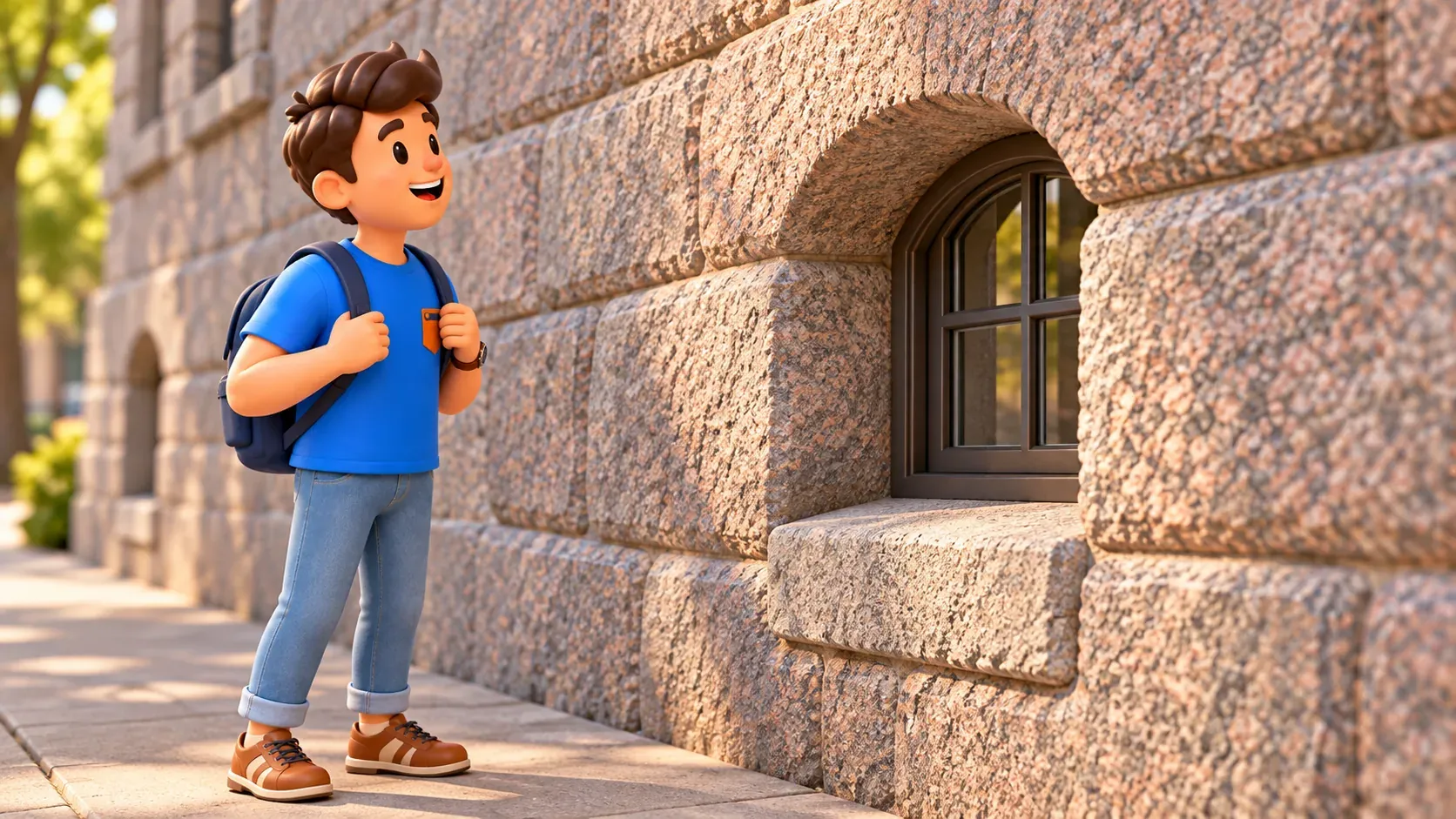
Henry Hobson Richardson’s house presents a substantial stone exterior and an inward-looking domestic plan. From the public sidewalk, compare a rounded opening with the wall around it and notice how deeply parts of the facade are recessed. These are more useful first observations than simply calling the building a mansion and moving on.
The street side and the idea of a sheltered courtyard raise a good question: how can an urban house establish privacy without making everyday life uncomfortable? An exterior-only stop cannot answer everything about the rooms. It can, however, give you a reason to look closely or to choose the full guided visit.
Prairie Avenue was associated with wealthy households before commercial and industrial change altered the area. The surviving district is not an intact row in which every historic house remains in place. Look at what is present without treating modern neighbours or gaps as proof that the street has failed to preserve a single frozen period.
Keep entrances clear and distinguish the museum from nearby occupied properties. A restored-looking doorway does not grant access to a private residence. If you are photographing, choose a position on the public walk that leaves room for ordinary pedestrian movement rather than stepping onto somebody’s threshold.
If the house is your interior, give it the full tour
The standard full-house visit is guided and lasts seventy-five minutes. Check the current booking calendar, exceptions and admission category before arranging the surrounding walk. Self-guided house tours are not offered. A special-interest programme may have a different duration, so it should replace the standard visit in your plan rather than be added invisibly.
Follow the welcome instructions: the visitor entrance is through the former coach house, using the large green door facing 18th Street. Arriving at the right street address is only the first step. A few minutes for finding the entrance and checking in protects the beginning of the guided activity.
Ask how family spaces and service spaces relate, or how the design changes your first impression from outside. One thread is enough for an attentive visit. You do not need to identify every furnishing or memorise a sequence of owners to understand why a domestic building belongs in an architecture-focused Chicago day.
Accessibility needs deserve a specific check. The house tour requires stairs; the visitor centre, its restroom and the courtyard have a different access situation from the full house. Do not turn partial access into a promise of an entirely step-free tour. The museum offers a virtual option when an in-person house visit is unsuitable.
Use the church as a contrasting encounter
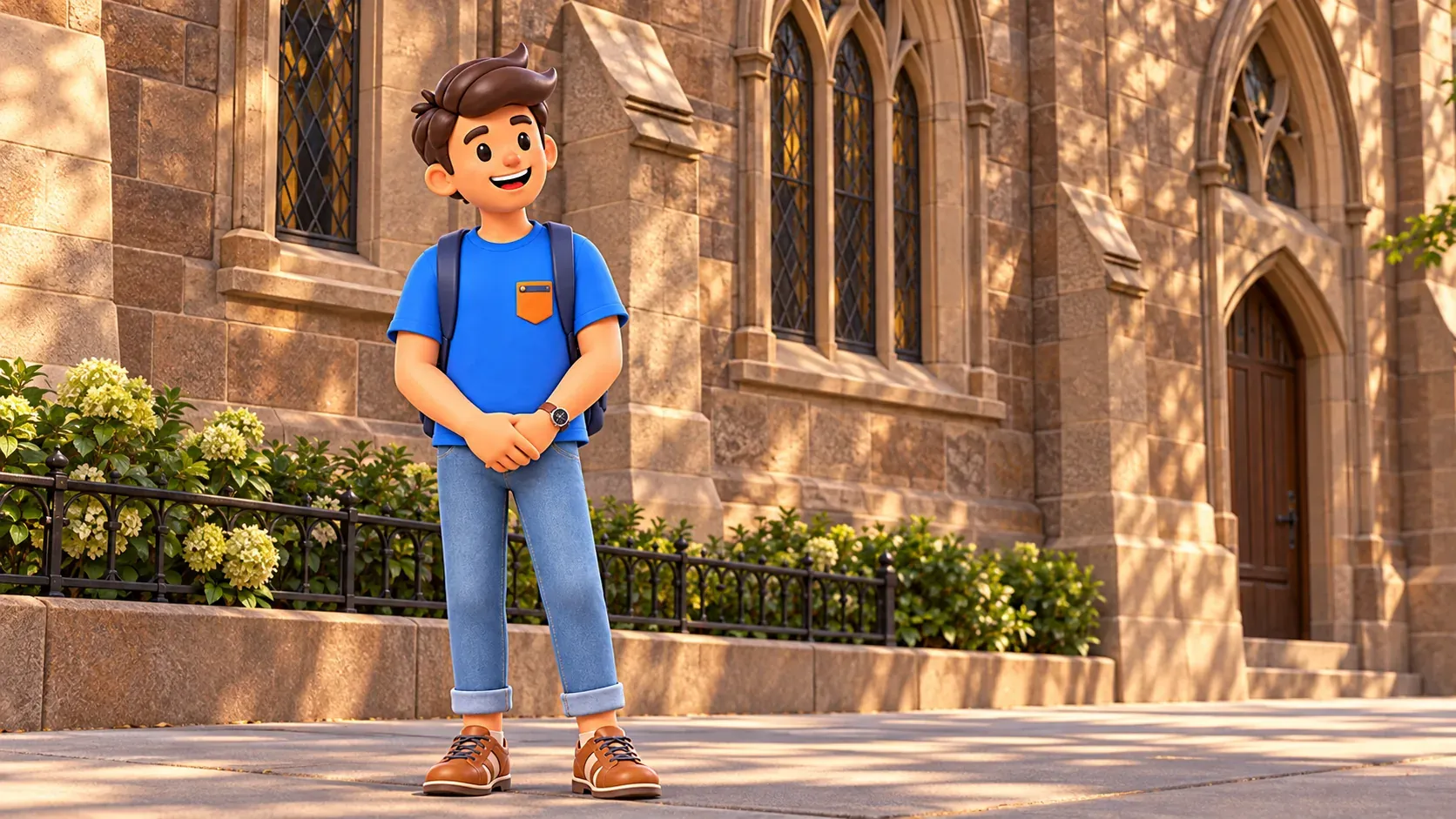
At Second Presbyterian Church, the Gothic Revival exterior gives a different rhythm to the street from the house’s weight and shelter. Look from a suitable public position, keeping the entrance and pedestrian route clear. This is an active religious place as well as an architectural landmark, so a visit follows its community’s arrangements.
If the church is your chosen interior, check the preservation organisation’s current public-tour information. Public guided tours are free with donations welcome; private group arrangements are separate. Do not assume that every unlocked door means an unrestricted architecture visit or that an old directory’s opening hours describe the current tour programme.
Inside, the Arts and Crafts setting brings stained glass, painted surfaces and designed fittings into a connected whole. Choose a question about the way colour and craftsmanship shape the space. A guide can help distinguish the contributions instead of treating every window as the work of one famous maker.
Follow instructions about photographs, ongoing activities and any areas not available. If a service or another event occupies the space, take the exterior stop and keep walking. Substituting a brief street observation is better than trying to convert a community’s actual programme into a sightseeing appointment that was never offered.
Walk south without filling every gap
The connection along Michigan is part of the experience. Notice how large cultural stories sit in ordinary working streets: residential entrances, businesses, traffic and people carrying on with their day. You do not need an additional attraction at every block to justify the distance between the church and the recording-history address.
Use the transition to compare scale and purpose rather than to invent a direct relationship between the three institutions. A household, a religious community and a music business produced different kinds of space. Their physical closeness is a practical reason to walk; each still deserves its own explanation.
If weather makes this section uncomfortable, shorten the exterior observations and preserve the confirmed appointment and a seated pause. None of the buildings should be treated as guaranteed casual shelter. When travelling with companions, agree on whether everyone wants the same interior before buying or requesting a place.
Finish with the former Chess Records building
The Blues Heaven Foundation is based in the historic Chess Records building at 2120 South Michigan Avenue. Its mission connects blues preservation with support and recognition for musicians. This makes a different cultural finish from a house museum, without turning the address into a promise of a live performance.
Current tours require reservations and depend on availability. Send the preferred date and time through the foundation’s actual arrangements and wait for confirmation. General business or shop hours are not a guaranteed tour slot. Confirm duration and arrival instructions before making this the one substantial interior of your half-day.
For an exterior visit, allow a short pause and make the music-history connection without suggesting you have entered the studio. If a confirmed tour is your priority, leave the house and church as exteriors. Do not expect a spontaneous recording session, access to every piece of equipment or an evening club programme from this daytime visit.
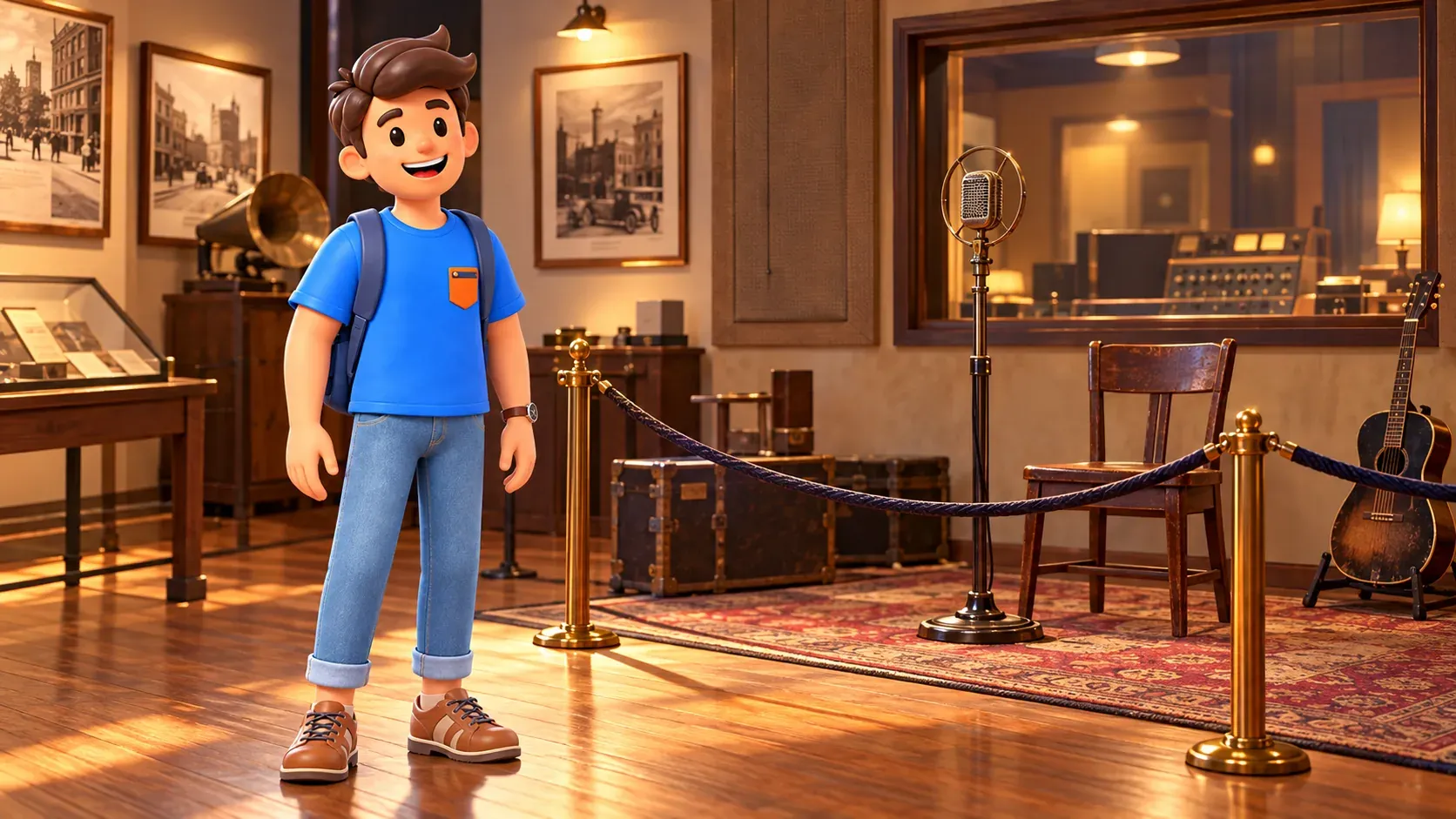
During any interior tour, follow the guide and restrictions on touching or photographing equipment. Objects can help explain how a working recording space becomes a place of memory, but an illustration is not an inventory of what is installed today. Let the actual interpretation determine the details rather than arriving with a list of imagined exhibits.
Keep food, cost and onward travel practical
The three possible interiors have different admission arrangements. Check the selected operator’s current charge or donation policy and any eligibility conditions; do not treat a local-resident offer as an entitlement for every visitor. This walk does not depend on stacking discounts or finding every building open without a booking.
Choose an actually open place for a meal or drink that suits your needs and available time. No single restaurant is essential. A leisurely table meal may need longer than the example allowance, while a shorter pause can suit someone whose chosen tour occupies more of the afternoon. Make that choice before the timetable becomes crowded.
Michigan Avenue bus routes and nearby rail connections can help with the onward journey, but choose them for your actual destination and current service. Do not attach the Museum Campus or a distant blues club automatically just because the half-day ends in the South Loop. Each extension needs its own travel time and, where relevant, booking.
RoadMe can place the cultural stop you left out on another suitable day in a complete Chicago itinerary. Try balancing it with your other interests, meals, transport and rest rather than fitting every interior into this one short walk.
For a different neighbourhood outing shaped around an evening performance, save the Uptown walk before a Riviera concert. Prairie Avenue and the South Loop work best when one confirmed visit gives depth to a relaxed street sequence, leaving you with clear impressions rather than three rushed admissions.


