
Two days in Pisa: the tower, a museum and neighbourhood walks
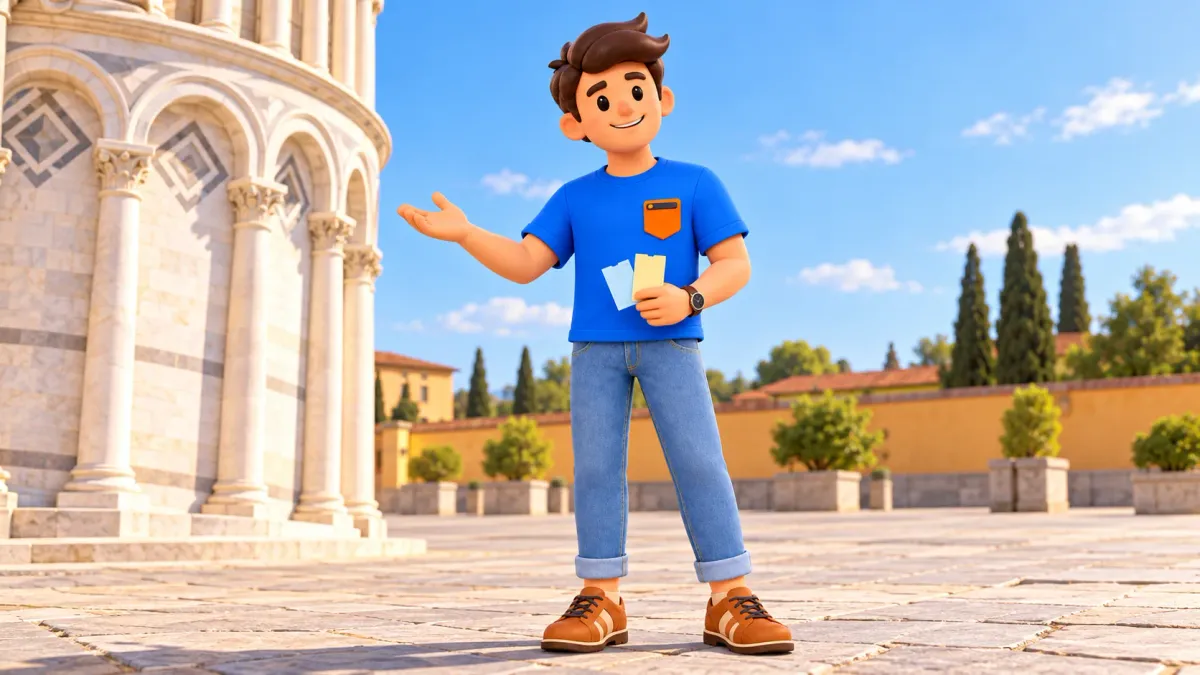
Spend the first of two days in Pisa around Miracles Square and the historic centre, then use the second for San Matteo and a quieter neighbourhood walk. This gives the Leaning Tower its proper place without making the whole trip revolve around a single photograph. An overnight stay also changes the evening: you can enjoy the Arno without treating every stop as part of a countdown to a train.
The outline below assumes two reasonably full days in the city. Airport journeys, check-in and departure need their own space. Walking and visit durations are planning estimates, not opening hours or measured promises. Before assigning the days, compare the museum calendar with any tower admission you intend to book. A convenient sequence on paper should follow the actual visits available to you.
Give each day a different purpose
Use day one for the monumental ensemble, one principal admission and an introduction to the centre. Give day two a substantial museum visit followed by streets and squares that add a different view of Pisa. The aim is variety with time to absorb it. A museum, a proper lunch and one coherent walk make a more manageable day than a series of unrelated entries.
Planning the whole stay is easier in RoadMe: the app develops a personal trip plan around your interests, dates and pace. Try setting your priorities, whether art, architecture or relaxed exploring, to turn these ideas into a connected two-day programme you can use conveniently during the trip.
The day numbers describe an experience, not a rule. If San Matteo fits your dates better on the first morning, reverse the two days. If you have a fixed tower admission, build that morning around it. Moving whole blocks before buying tickets is easier than squeezing extra visits into the gaps after everything has already been assigned a time.
Day one: see Miracles Square as an ensemble
Begin outside. Look at the cathedral, baptistery, Camposanto and separate bell tower together before moving towards a doorway. Their different shapes give the space its character: a long church, a round baptistery, an extended cemetery building and a vertical campanile. Allow roughly forty-five minutes for this first look, longer if you enjoy architectural details or want a few different photographs.
Pisa's history as a maritime republic helps explain the ambition of this monumental setting. Pale stone, arcades and sculpture work together to project the standing of a wealthy medieval city. You do not need a complete list of artists to appreciate it. Choose one detail that interests you and consider what it contributes to the building. That habit will also be useful among the objects in tomorrow's museum.
Make one admission the morning's anchor
The Leaning Tower is the cathedral's bell tower, not a former defensive tower. Climbing makes sense if you are interested in the building itself and the view of the ensemble. Consider the stairs, your group's admission requirements and the allotted time before committing. Wanting a familiar outdoor photograph does not automatically mean you will enjoy the climb; the exterior is a worthwhile encounter in its own right.
Leave a generous morning block of roughly one to one and a half hours for your chosen visit and its practical arrangements. This is space in the itinerary, not a claim about the length of the climb. Check exactly which monuments your ticket includes. Even free cathedral entry requires a ticket; cathedral-only free tickets are obtained from the on-site ticket offices. Worship and admission arrangements may affect the moment you can enter.
If you prefer a different main visit, the Museo dell'Opera del Duomo offers a close look at sculpture and objects associated with the ensemble. It connects the buildings outside with the work of their makers. Camposanto offers another theme: memory, ancient sarcophagi and frescoes in a cemetery gallery. Choose the experience that appeals most rather than treating every nearby doorway as a compulsory addition to the same morning.
Walk into the civic centre
After the visit, take a real pause. Water, coffee and a seat are useful parts of the programme, particularly after standing or climbing. Then leave the square towards Via Santa Maria and continue towards Piazza dei Cavalieri using the convenient streets available. This section should introduce a change of setting. It need not become a separate challenge to collect every named building on the way.
Piazza dei Cavalieri brings civic and university history into the trip. Palazzo della Carovana is associated with the Medici transformation of the square, Vasari and, later, the Scuola Normale. Look at its decorated façade and the space around it. Roughly half an hour is a useful allowance for noticing the square's character and taking a break, without promising a particular interior or turning the stop into a lecture.
Continue towards Via Ulisse Dini, Borgo Stretto and the river. Arcades, shops and narrower passages make a useful contrast with the open cathedral square. Choose lunch according to what you actually want and how busy places are, leaving around an hour with time to rest. You have another day to revisit a street you like; there is no need to make every choice feel final.
Let the first evening belong to the Arno
At Ponte di Mezzo, choose a manageable stretch of riverfront rather than attempting both banks in full. On the south side, the area around Logge dei Banchi and Piazza Chiara Gambacorti can lead naturally into a short return to the water. How far you continue should depend on the weather, daylight and remaining energy. This is a gentle ending, not another route with admissions to complete.
The Arno is a strong organising line through Pisa. Long façades and the bridges connecting different quarters help explain the city's shape. For the evening, noticing the changing reflections may be enough. Do not assume that small churches will remain open after a full sightseeing day. If dinner near the river appeals, decide whether you want to stay out before extending the walk simply to finish a list.
The overnight stay earns its value here. You can stop when you have had enough and return to your accommodation without adding a long, urgent journey. Avoid saving your most demanding art visit for an exhausted evening. Tomorrow has room for concentration. The first day can provide a broad encounter with the city while leaving its deeper stories open.
Day two: spend time with San Matteo
Start with the National Museum of San Matteo near the north bank of the Arno. The former monastery houses important works from churches in Pisa and its surrounding territory. Painted crosses, multi-panel altarpieces and sculpture make it a particularly meaningful choice after seeing the city's monumental architecture. The objects belonged to a lived urban and religious setting before they became a museum collection.
Allow approximately one and a half to two hours if medieval art interests you. This is a suggested pace, not a museum requirement. Begin with two types of work and compare material, scale and the gestures of the figures. Giving several objects careful attention is often more useful than reading every label equally. You are looking for relationships, not trying to leave with an inventory of the rooms.
Check the opening calendar and admission conditions for your dates before fixing the order of the trip. The museum and the neighbouring church of San Matteo in Soarta are separate parts of the historic complex; visiting one does not automatically include the other. Likewise, a guided activity and an admission ticket may be different purchases. Plan around the visit you have actually chosen, with some margin before the next commitment.
Explore San Francesco and Santa Caterina
After the museum, head inland towards the San Francesco quarter. Keep the number of intended interiors modest. San Francesco can serve as an exterior landmark: the scale of the Franciscan church introduces another expression of medieval Pisa beyond the marble ensemble. An outdoor stop still has value even when a building is closed. Avoid making the entire afternoon depend on an unconfirmed church opening.
Continue towards Santa Caterina d'Alessandria and the square in front of it. The Dominican church adds another architectural character, while the surrounding space gives you a place to pause. The interest lies partly in the sequence: monastery museum, ordinary streets, then another church square. Notice the different volumes and decoration without requiring every façade to produce a complete lesson in medieval history.
Put lunch and sitting time between these parts of the day. If the museum takes longer than expected, choose one square rather than rushing through both. A shorter walk can preserve the afternoon's purpose. Keep a little unassigned time for the end, particularly if you will be leaving that evening. It is easier to enjoy a pause when you have not already sold it to another ticketed attraction.
Adapt the second day to your interests
If painted altarpieces and sculpture do not appeal, consider a different museum anchor: the Museum of Ancient Ships in the Medici Arsenals. Its boats, finds and stories of life connected with water suggest another side of Pisa. This is in a different part of the city. Pair it with the old citadel area and San Paolo a Ripa d'Arno rather than mechanically keeping the north-eastern neighbourhood walk.
RoadMe makes this kind of choice easier to turn into a complete trip: the app builds a personal plan around what interests you and the time you have. Use it to connect art, maritime history or neighbourhood exploring into two days that work together, with the practical planning gathered in one convenient place.
For more greenery, consider the university's botanical garden as a replacement for part of the walking programme, after checking access. Avoid adding it on top of two museums and a long river route. A good two-day stay keeps a distinction between the main experience and an optional extra. The additional night should create freedom, not simply create another opportunity to become tired.
Keep the final hours flexible
The basic rhythm is simple: ensemble and admission, lunch, centre and river on day one; museum, pause and one neighbourhood section on day two. In rain, give more of the day to the museum and shorten the streets. In heat, move a longer walk towards a more comfortable period. Any adjustment still needs to fit the real calendar and the energy of everyone travelling.
A small day bag, water and comfortable walking shoes are more useful than carrying too much for every possible scenario. If you leave in the evening, reserve separate time to collect luggage and reach the station. The final walk should end before that travel allowance begins. Departure remains its own part of the trip even after the centre starts to feel compact and familiar.
Finish with a return to a favourite view of the Arno or a short stop in Borgo Stretto. Seeing a place for the second time is one of the pleasures of staying overnight: you no longer need to ask whether it counts as essential sightseeing. Two days give you space to recognise the city, follow a personal interest and leave some of its history for another visit.
For a shorter stay, see our one-day Pisa itinerary.


