
Parc Monceau and Its Neighbours: Two Hours of Greenery and Mansions
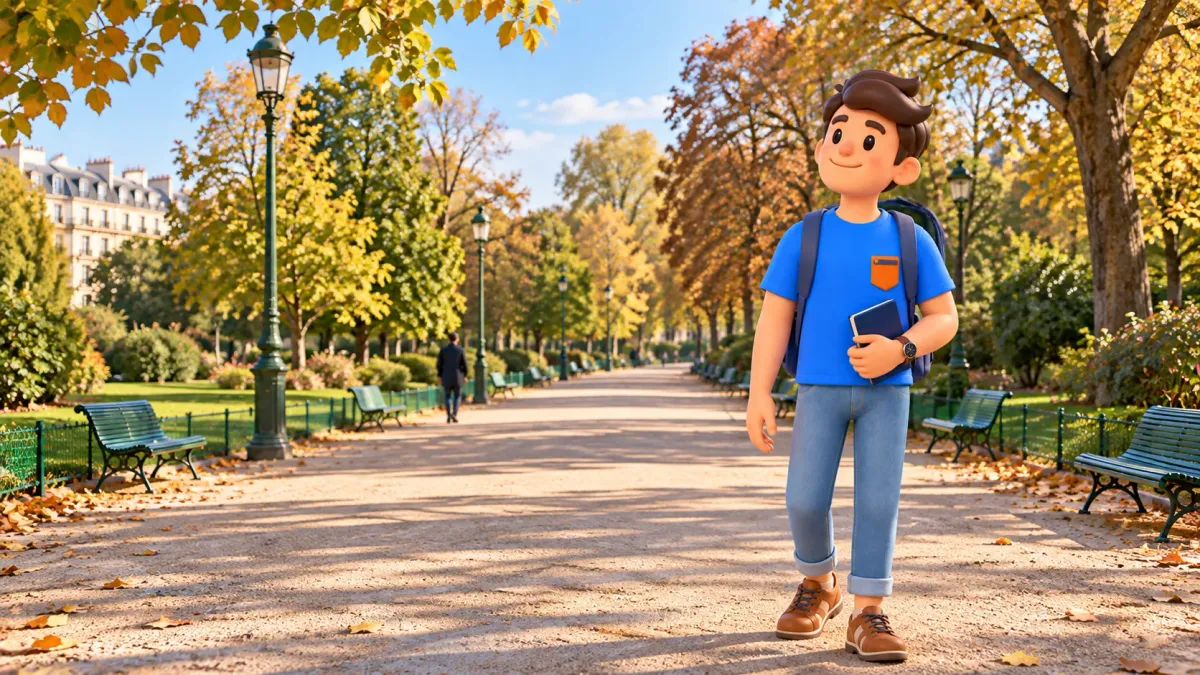
Parc Monceau suits a Paris day when you want greenery, architecture and a little history within a small area. Trees and garden ornaments lead naturally towards houses shaped by collectors’ interests. You can spend time outdoors, discover why these addresses matter and decide whether one museum deserves a longer visit. The walk leaves room for looking and resting.
Connect the park with the Cernuschi museum on Avenue Vélasquez and the address of the Nissim de Camondo museum on Rue de Monceau. Allow about two hours for the outdoor route; a collection visit at Cernuschi needs extra time. Camondo is closed for renovation, with reopening expected in 2030 according to its owner when checked. Its interiors and garden are therefore outside today’s plan.
A two-hour route from park to collectors’ houses
Start at the park’s northern entrance from Boulevard de Courcelles, using number 35 and the round rotunda as your landmarks. Inside, follow open paths, spend time among the trees and choose a few garden details to examine. Leave an allowance for a bench pause. Then make your way towards the eastern exit along Allée Comtesse de Ségur, leading to Avenue Vélasquez.
The Cernuschi museum stands at number 7 on that avenue. After your exterior stop, continue away from the park along Avenue Vélasquez to Boulevard Malesherbes. Turn right, following its park-facing side as far as Rue de Monceau. Turn right again towards number 63, the Nissim de Camondo museum. These neighbouring houses occupy separate plots: the walk follows public streets around the block.
Budget approximately 120 minutes, with about 40 for movement and 80 for observing greenery and buildings, brief historical context and rest. This is an estimate rather than a measured walking time. Increase it for your pace, and count arrival, museum admission, collection rooms and a full meal separately. If a park path is temporarily closed, follow signs towards an available exit while keeping the same general sequence.
To place this walk in a day that suits you, try planning your Paris trip in RoadMe. The app develops a personal itinerary around your dates, interests, pace and budget, making it much easier to arrange museums, walks and rest across your stay.
Choose daylight and check the park gates’ seasonal closing time before setting out. Tuesday to Sunday offers the possibility of entering Cernuschi, apart from its holiday closures or other changes. On Monday, concentrate on the outdoor walk if the park is open. Decide which part matters most before organising the day: a museum visit and an unhurried garden stroll need their own time.
A garden that imagined journeys
The site’s story began when the duc de Chartres acquired the land in 1769. From 1773, an Anglo-Chinese garden developed through Carmontelle’s designs. Rather than offering one strict, repeated view, the garden introduced different impressions. Keep that idea in mind as you walk: a small change of setting can suggest another scene, even while you remain within the same Paris park.
A garden ornament does not always have the history suggested by its shape. The pyramid is a historical decorative construction, not an ancient Egyptian monument transported to Paris. Its interest lies partly in the choice of this image for a garden: a glimpse of a distant world could change the visitor’s mood. Understanding that approach is enough for a first visit, without identifying every surviving feature.
Adolphe Alphand reshaped the park in an English landscape style in 1861. The present space therefore contains different periods rather than preserving an unchanged eighteenth-century design. An imagined journey, later urban transformation and the everyday use of a public park belong to separate layers. A short explanation of them gives the walk context without requiring a detailed chronology at every stop.
The rotunda and colonnade have different stories
The round rotunda beside Boulevard de Courcelles belongs to the city’s boundary history. It survives from the barrière de Chartres, created with the tax wall in 1787. Classical architecture here served a practical urban purpose connected with duties on goods. This changes how you read the structure: an attractive landmark at the entrance also recalls how Paris once marked and managed its edges.
Another familiar Monceau image is the Naumachie, a pool with a colonnade. Close access is currently restricted: the city describes a secured, inaccessible area after storm damage to the columns in 2019. Look only from permitted paths outside the barriers. If part of the view is screened, accept that limitation rather than trying to reach a closed section for a photograph.
Build your enjoyment around the whole park instead of making it depend on one promised picture. Trees, avenues and exterior architecture offer their own interest. A closed section need not send you rushing around the entire site. Continue along an available path towards the eastern exit, and give the remaining time to a view that is actually open before you.
Make a pause part of the walk
Allocate time to sit, especially after a museum or a longer city walk. Find an available bench beside an open path and put the phone away for a few minutes. From a seated position, you can notice the height of trees and the shape of the space. The pause changes the day’s rhythm and helps you reach the surrounding houses ready to observe them.
For photographs, first choose a combination of light, path and greenery, then decide where a person might stand. Remain in permitted areas and avoid occupying the path for long. Travelling companions need not collect identical views: one may prefer a canopy, another a stone detail, another a broader perspective. Several different observations can express the character of the walk better than repeated pictures.
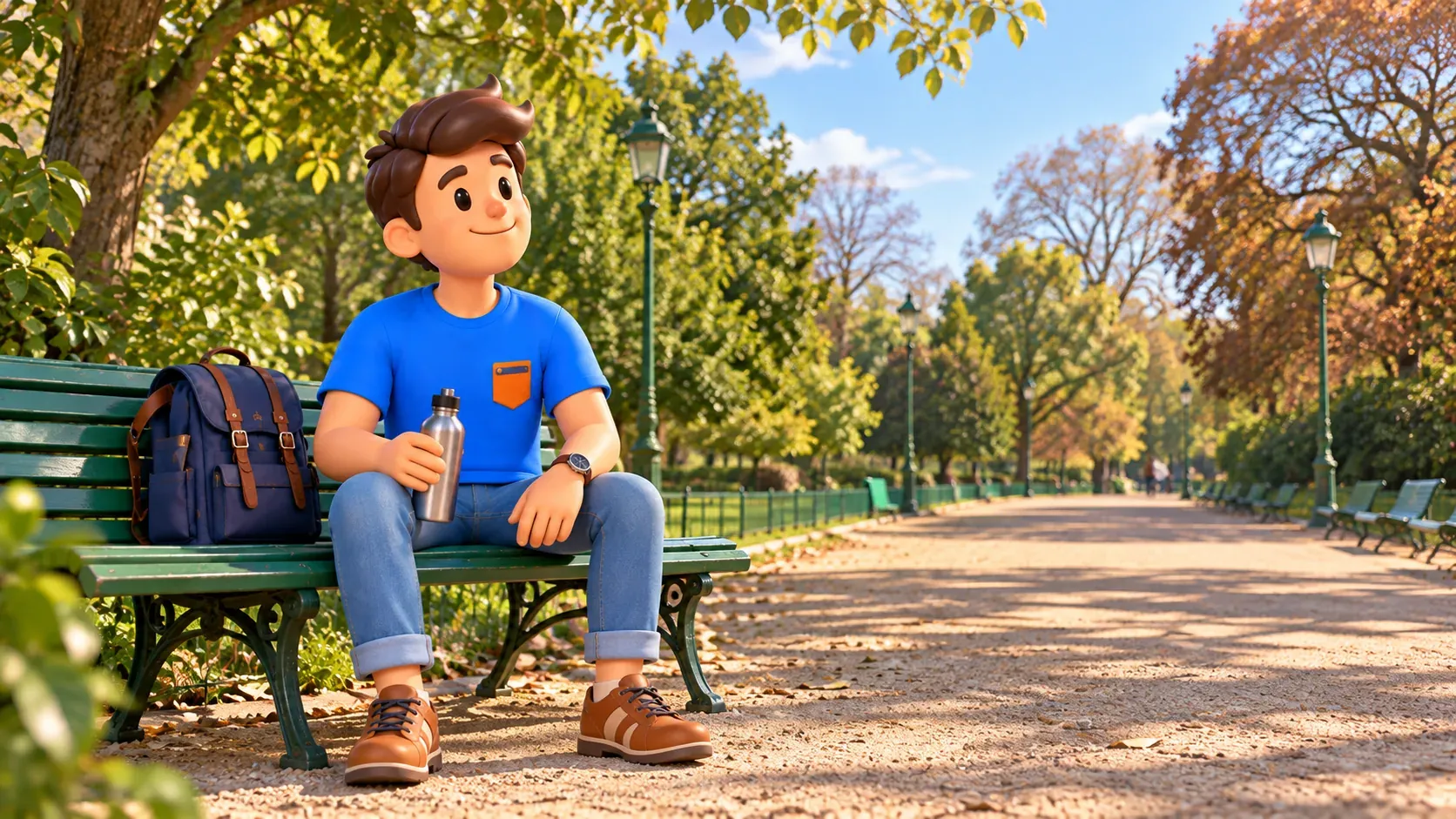
If you enjoy sketching, choose one simple form: a branch, bench or tree silhouette. You do not have to finish a complete drawing. A few minutes spent attending to one object can make a place memorable without searching for every attraction in succession. The same approach works without a pencil: select a detail you would like to recall after the trip.
Cernuschi: a private interest becomes a city collection
At 7 Avenue Vélasquez, the walk’s subject shifts from imagined journeys to a collector’s actual travels. Henri Cernuschi, a financier and art collector, visited Japan and China during his journey of 1871–1873. Works acquired on that trip formed the core of his collection. A home beside the park allowed him to live among the objects that interested him.
William Bouwens van der Boijen designed the mansion. Cernuschi bequeathed the house and Asian collection to the City of Paris; the museum opened in 1898. The short story explains a significant change: one person’s private interest became a public cultural space. This is the essential reason to pause at the address, whether you plan to enter today or simply examine the façade.
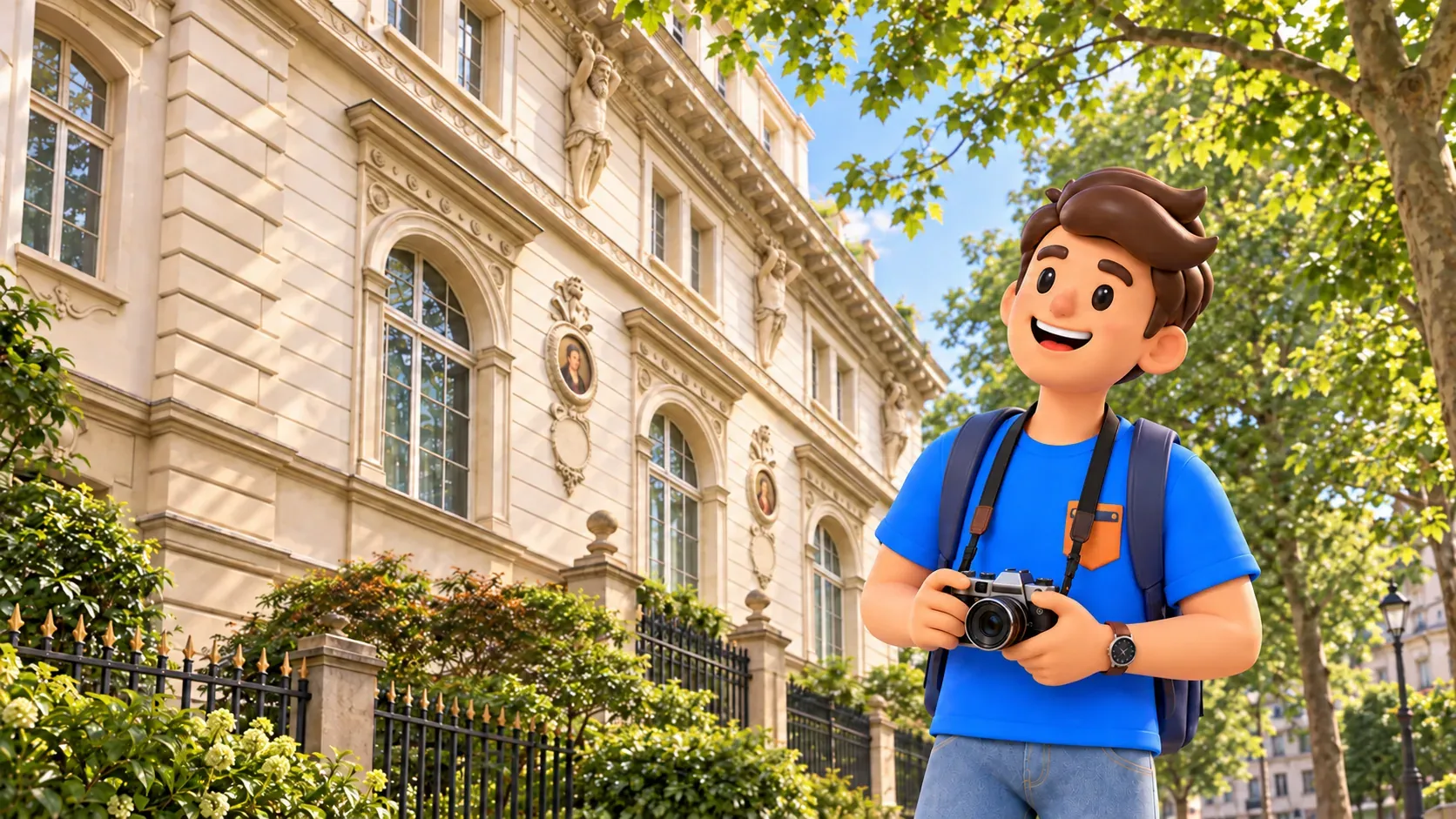
Look at the tall windows, medallions and sculpted figures beneath the cornice. They offer different ways to understand a collector’s house: light for the rooms, cultural references and an ornamental finish to the wall. Choose one detail and compare it with the quieter rhythm of nearby buildings. Looking from outside provides its own impression without requiring a complete interior visit.
Cernuschi’s permanent collection is free; temporary exhibitions have separate paid admission arrangements. The museum normally opens Tuesday to Sunday from 10 am to 6 pm, with rooms cleared from 5:45 pm. It closes on Mondays, 1 January, 1 May and 25 December. Christmas Eve and New Year’s Eve have an earlier closing time, so check those dates separately before planning an afternoon visit.
If Asian art interests you, extend the day with the collection and keep the Camondo exterior stop for afterwards. Inside, choose one object, read its explanation and notice its material, form and purpose. Seeing everything is unnecessary. What matters is giving your chosen subject enough time and recognising that admission and viewing do not fit automatically within the original two-hour outdoor allowance.
Camondo: a house shaped by family memory
Continue to Rue de Monceau using the street route through Boulevard Malesherbes. Examine residential architecture from public pavements: an attractive private gate or entrance hall does not become part of the walk. This transition highlights a practical difference between a museum with a visitor entrance and neighbouring houses that offer no such invitation. Respecting those boundaries keeps the architectural stop straightforward.
At number 63, the story concerns Moïse de Camondo and his collection of eighteenth-century French decorative art. In the early twentieth century, he commissioned René Sergent to design a new mansion in place of the inherited house. Historical taste met domestic comforts modern for their time. The age of the collected objects, the architectural appearance and the building’s construction period are distinct.
The museum’s name commemorates the collector’s son Nissim, who died in aerial combat in 1917. The house and collection were bequeathed as a memorial museum. For this exterior stop, that explanation is enough: the address carries a personal decision and a family memory. A detailed account of every room would add little to a walk that cannot currently include them.
The museum has been closed for renovation since August 2024. When checked, its owner directs visitors towards an expected reopening in 2030; this is an expectation, not a guaranteed exact date. Stop at the address from the public street today. Leave the courtyard, interiors and garden out of your plan, even when older descriptions or photographs show them as ordinary parts of a visit.
A few minutes are enough for the outdoor pause. Read the name, recall the memorial purpose and compare this address with Cernuschi: there, travel helped create a city collection; here, a museum project preserves a family memory. Finish the route on Rue de Monceau. Other nearby museums deserve separate time on another day if you want to keep the present walk unhurried.
Choose the version of the day that suits you
For rest between busy sightseeing days, keep the park and façades. This version requires no museum ticket and leaves time for trees and a bench. For an art-focused day, increase the duration to include Cernuschi. Rain makes an outdoor walk less comfortable; decide whether to shorten the park section and choose the museum element according to your interest and its current opening arrangements.
If you want greenery, architecture and art in your own proportions, try RoadMe. Its personal trip plan makes it much easier to distribute those interests across your days and keep a suitable pace, rather than assembling each day manually from separate ideas.
The city lists the park as accessible to visitors with reduced mobility, but that does not establish identical conditions throughout the street route or museum. If needed, check an appropriate entrance, surfaces and opportunities to rest beforehand. Use open main paths and allow your own time margin. Assess the approaches to the houses separately from the accessibility of the green space itself.
For another cultural day, consider our Nouvelle Athènes walk among artists and musicians. It explores a different neighbourhood and has its own duration. Monceau can remain in memory through three clear ideas: an imagined garden world, a travelling collector’s house and the address of a family memorial museum. They give the short walk a meaning without turning it into an exhaustive catalogue.


