
Oosterpark to De Gooyer: a three-hour Amsterdam walk
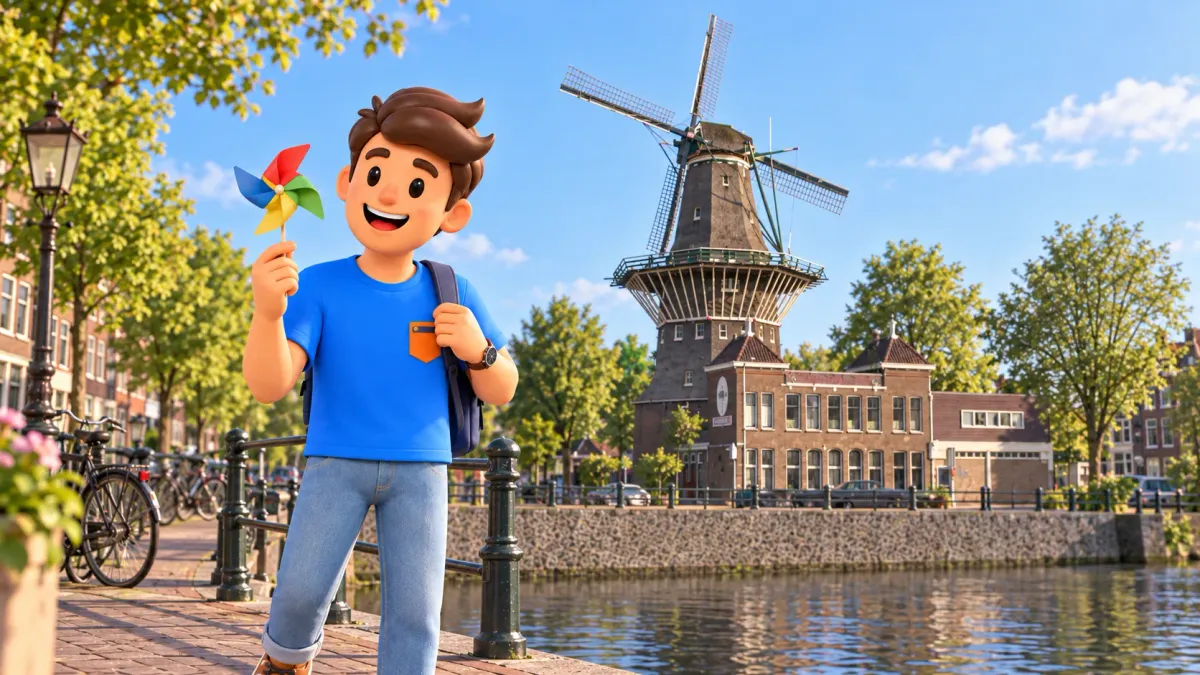
Amsterdam’s eastern side is rewarding to explore through changes of scale: Oosterpark’s broad paths, a substantial museum façade and a tall windmill surrounded by everyday city life. You do not need a full day for this introduction. Three hours provide room for greenery, a little history and a final pause. The important decision is understanding which places you will see from outside, rather than assuming every landmark includes a complete interior visit.
Start in Oosterpark and walk towards Molen De Gooyer at Funenkade. Wereldmuseum Amsterdam provides an exterior architectural stop along the way. Museum galleries are not included, and the windmill itself is not normally open to visitors. The suggested afternoon runs from 1 until 4 pm, including rest at the end. “Eastern Amsterdam” describes the broad direction here; the walk does not depend on all its landmarks sharing one administrative district.
Choose this walk for a different city setting
This route suits visitors who have seen the central canals and want another urban landscape without a distant excursion. Its interest comes from combining a park, architecture and working heritage. There is no promise of empty streets or secret places. Think of it as an attentive afternoon after lunch. Eat beforehand if that suits you, rather than making a large meal at the finish a compulsory condition for the entire programme.
Try RoadMe for a fully worked-out personal walking or trip plan based on your interests, dates and pace. The app makes a coherent programme of parks, city history and other experiences much easier to use across each day of your stay.
The main version is almost entirely outdoors and requires no entry tickets to the buildings mentioned. This does not make the whole afternoon free: transport, food and any continuation are separate choices. Heavy rain makes it less comfortable than a substantial indoor visit. In ordinary conditions, however, you can give each part the time it deserves without coordinating several admission slots and hoping that every short stop ends exactly on schedule.
A three-hour outline from park to windmill
Begin around 1 pm at an available entrance in Oosterpark’s northwestern part, allowing an hour for paths and the pond. From 2 to 2:20 pm, leave towards the northern side and view Wereldmuseum from public space at Linnaeusstraat 2. The next thirty minutes cover walking by available public streets towards Funenkade 5. Allow 2:50–3:20 pm for the windmill exterior, then choose a nearby pause until approximately 4 pm.
These are planning estimates with orientation and stops, not measured walking times. Use a current map and local signs for actual open passages and road crossings. If lunch or your arrival took longer, shorten the park circuit or final break. Travel from your accommodation and the journey after finishing are additional. This is a point-to-point walk: returning to Oosterpark is not necessary, and there is no benefit in forcing a loop merely to close a line on a map.
If you prefer botany and one substantial visit, consider our Plantage walk with Hortus instead. It offers a related green mood through a different programme. Do not automatically join its entire four hours to this route. Choose the experience that appeals today: a living plant collection, or park design, neighbourhood streets and a windmill’s urban history. Both work better when they have enough time to remain distinct.
Oosterpark: notice how the landscape unfolds
Once inside, resist heading immediately for the next address. Follow an available path towards the pond, make a modest circuit and leave time to sit. Oosterpark was created by the municipality in 1891 to improve life in the growing eastern neighbourhoods. Landscape architect Leonard Springer designed it. This short historical connection makes the greenery part of a city-building decision, rather than simply a pleasant space to cross between two other attractions on your list.
Springer used an English landscape approach, with winding paths, a curving pond and groups of trees that reveal changing views. Try noticing the sequence as you move. A bank disappears behind planting, an opening emerges and reflections become the next focus. You need not identify every tree to appreciate the design. Its interest develops through small shifts, rather than a single formal viewpoint that you must find, photograph and leave behind within five minutes.

Within your hour, you might give twenty minutes to walking, twenty to the pond and views, and the remainder to rest. The division is flexible, especially with children. The city lists play and sports facilities, but particular activities depend on open areas, season and preparation. Do not promise a working summer paddling facility in every month. Ordinary paths, water and a change from street activity are already enough to make this a useful park visit.
Choose an available resting place according to ground conditions and other people’s use. Oosterpark accommodates meetings, exercise and events; it need not be quiet or empty when you arrive. Adapt your circuit to temporary restrictions. Take snack packaging away. Alcohol is prohibited in the park under the city’s rules, so do not automatically turn a later drinks stop into a beer picnic on its lawns. The itinerary’s final refreshment break takes place near the windmill instead.
Wereldmuseum outside: an architectural pause
Towards the end of the park hour, move to its northern side and orient yourself towards Wereldmuseum Amsterdam at Linnaeusstraat 2. The twenty-minute block includes leaving and looking from outside. Notice brick against pale stone, window sizes and the roof silhouette. Older photographs may use the former name Tropenmuseum; use the current name for navigation. A changed name does not mean you need to find a second building elsewhere in the neighbourhood.
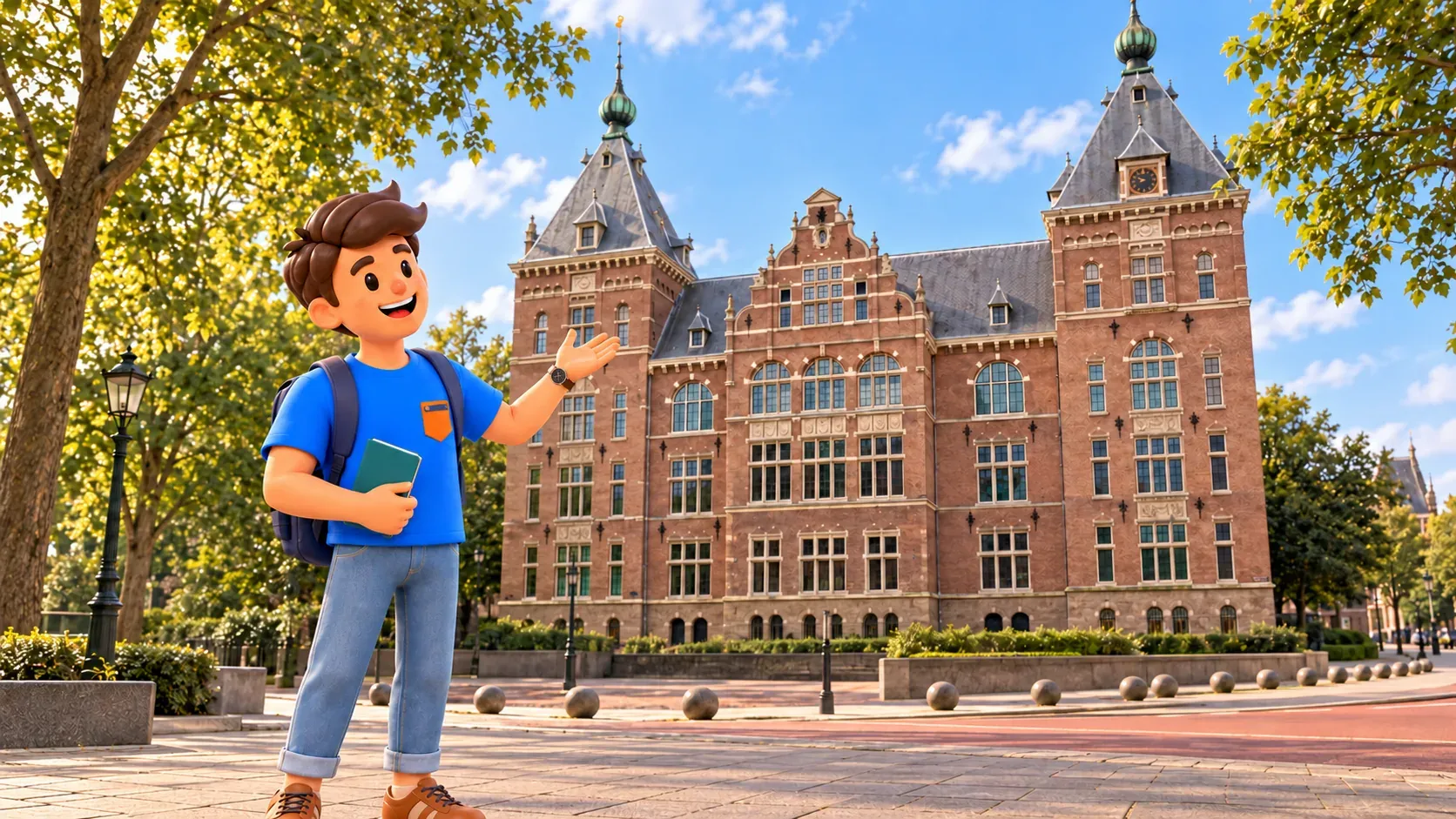
Choose what you can comfortably see from an available public pavement. Avoid turning a photograph into a reason to stop on a cycle route or cross at an unsuitable place. This brief exterior look does not substitute for the museum’s collections. The building serves a different purpose here: it helps you notice a large institution beside a park and the everyday movement of surrounding streets.
If you want to enter, redesign the day beforehand. Ordinary opening is Tuesday–Sunday, 10 am–5 pm, with additional Mondays during selected school holidays and public holidays. Check your precise date and ticket separately. A proper visit does not fit the twenty-minute allowance. Make the museum the main event and substantially reduce the outdoor programme, rather than rushing through galleries between stops and assuming you have completed the same three-hour itinerary with everything included.
Walk towards Funenkade without collecting extra stops
From the museum landmark, head northwards towards Funenkade 5 by an available pedestrian route. Thirty minutes provide room for orientation and brief stops, rather than prescribing a mandatory duration of continuous walking. Follow current crossings and local conditions. The museum warns of roadworks and changes affecting access in its area. Older instructions for one tram or an assumed direct passage may not describe the situation on your visit date, so keep the practical route current.
There is no need to add every nearby place appearing on a map. Windows, shopfronts, water and changes in street width already provide something to observe. The park introduced larger forms, the museum focused attention on a façade and the transition returns to everyday scale. Stop briefly for an interesting detail, while staying with normal public access. Private courtyards, service areas and open residential entrances do not become visitor routes because they would make attractive photographs.
If you want a different balance of greenery, architecture and rest, give those interests to RoadMe. A personal programme for the whole trip is much more convenient to use in the app than repeatedly assembling separate recommendations into a route yourself.
De Gooyer: a windmill that moved with the city
Near Funenkade, De Gooyer’s tall silhouette becomes the main landmark. View it from available public space, without expecting an interior visit or climb. The heritage organisation De Hollandsche Molen lists it as not open to the public. Our half-hour stop therefore concerns the structure and setting outside. A ticket for a neighbouring business’s tour should not be understood as permission to enter the windmill or step onto its wooden working gallery.
De Gooyer was a grain mill. Its history shows how much a windmill depended on clear airflow as well as machinery. In 1814, it moved to its present location after tall barracks interfered with the wind. It was placed on the stone base of a former municipal watermill. That brief story explains the unusual appearance: this is a structure adapted to a changing city, rather than a rural decoration left accidentally among modern Amsterdam streets.
Look at the stone base, timber body and surrounding gallery. Height helped the mill catch wind above buildings, while the gallery gave its operator working space. You can understand those elements without access to the millstones or a technical tour. Do not wait for moving sails as a compulsory performance. Even while still, the form explains something about the building’s former function and the relationship between wind, height and its urban surroundings.
Brouwerij ’t IJ, beside the mill, appears in many of the same photographs. The mill and brewing premises are nevertheless different places. Proeflokaal De Molen occupies a former bathhouse at Funenkade 7; the windmill is Funenkade 5. This distinction helps set expectations. Seeing a familiar silhouette, ordering something at a venue and joining a production tour are separate activities with their own arrangements, rather than one automatically included visit to a single attraction.
Give the final forty minutes to a real break
Finish near Funenkade wherever suits you: an available table, a small meal or a suitable public resting place. No particular table or serving speed is guaranteed. If you choose the named taproom, ordinary hours are 2–10 pm on weekdays and noon–10 pm at weekends; check special changes for your date. Nearby venues can have different schedules, so a shared setting beside the windmill does not establish the hours or conditions of your chosen stop.

Drinking alcohol or joining a tasting is unnecessary for this route. The windmill’s story, architecture and city setting offer enough interest in their own right. With children, or if a venue stop does not appeal, finish earlier and work out your onward journey separately. A break chosen around your preferences supports the day better than ordering something merely because that activity appears repeatedly in other descriptions of the area.
Shorten or extend the afternoon deliberately
With less time, keep half an hour in the park, a brief museum exterior look and the windmill, dropping the separate final pause. For more greenery, extend Oosterpark and release the 4 pm finish. In rain, choose a substantial museum visit instead of most of the outdoor section, checking its schedule first. The entire urban route has not been verified as step-free; assess surfaces, kerbs and actual crossings against your requirements before setting out.
There is no need to return to the start solely for a tidy loop. Choose your next direction from the windmill around the rest of your day. This walk already has a coherent progression: a park planned for residents, a large façade, ordinary streets and working heritage. When each receives enough attention, three hours can reveal a connected piece of Amsterdam without an interior ticket, a tower climb or a dozen additional stops between beginning and end.


