
One Day in Istanbul: a First Visit from Sultanahmet to the Golden Horn
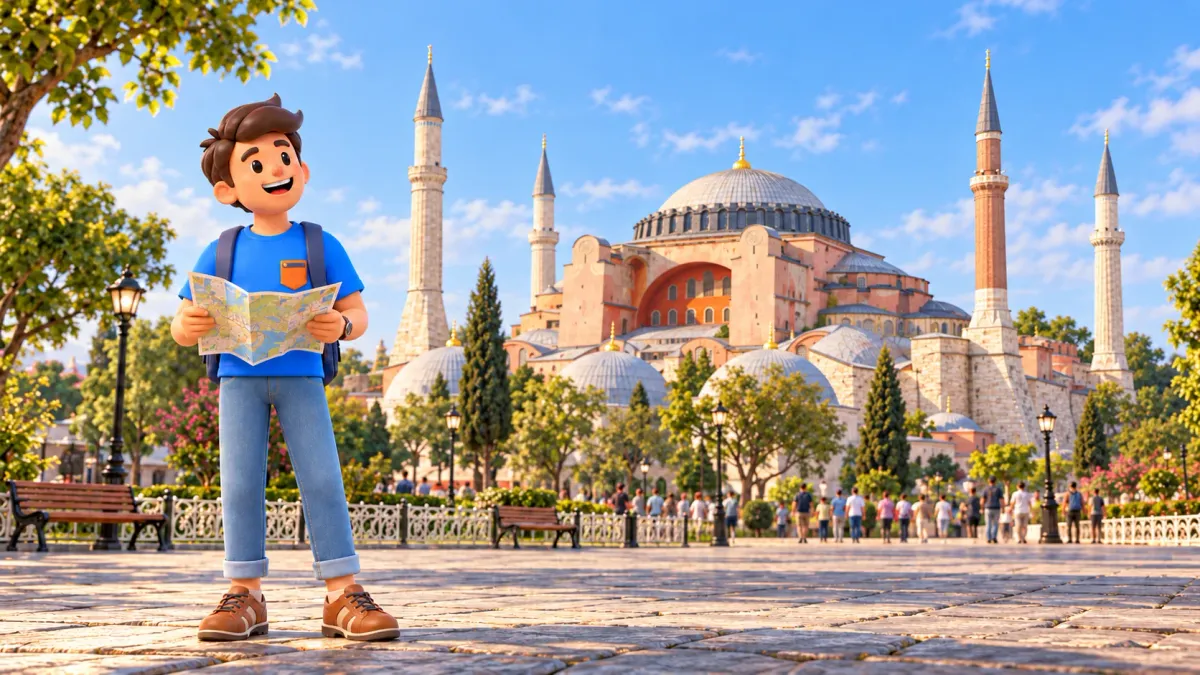
With one full day in Istanbul, begin in Sultanahmet and finish beside the Golden Horn. The route between them brings together the former Hippodrome, the Blue Mosque, Hagia Sophia from outside, an optional substantial visit to Topkapı Palace, and a walk through Gülhane and Sirkeci. Its appeal is the change of scenery: ceremonial spaces give way to gardens, working streets and the waterfront.
This is a first-visit plan from morning until early evening. Topkapı is the main paid attraction if you want one; an outdoor version follows the same broad direction. Keep the Asian shore, Dolmabahçe and a lengthy cruise for another day.
Choose the experience that will shape your day
Decide on your main interest before leaving your accommodation. For Ottoman court life, make the palace the centre of the day. For architecture, photographs and time outdoors, keep the same neighbourhood sequence but release the palace hours. Both approaches give you a meaningful introduction.
Preparing a personal day is much easier with RoadMe: the app works out a route around your interests, dates and preferred pace. Try setting your priorities, from history and architecture to relaxed walks, so the plan reflects the trip you actually want.
Allow roughly eight to nine hours including lunch and breaks. As a planning estimate, expect around five to seven kilometres over the day if you include movement within the palace. This is not a measured walking track: your total depends on open rooms, diversions and how much of the park you explore. Keep a separate allowance for entrance queues instead of silently taking that time away from lunch.
- Start around Sultanahmet Square, with one clear meeting point for everyone travelling together.
- Finish in Eminönü, or cross Galata Bridge if you still feel like walking.
- Choose Topkapı as the substantial visit, or enjoy a more flexible outdoor day.
- Hagia Sophia is an exterior stop in this plan; an interior visit needs its own preparation and time.
Start with the Hippodrome and the Blue Mosque
Arrive around nine and begin with the former Hippodrome. It now reads as an elongated public square, but chariot racing and public ceremonies once gave this part of Constantinople a very different energy. That small piece of context helps the surviving monuments make sense: they are traces of a shared ceremonial setting, rather than unrelated columns placed in a park.
Look for the German Fountain, the Serpent Column and the obelisks. You do not need to memorise their entire histories. Compare the shapes and materials, from twisting bronze to carved stone and the fountain's dome. Allow around half an hour for an introductory look.
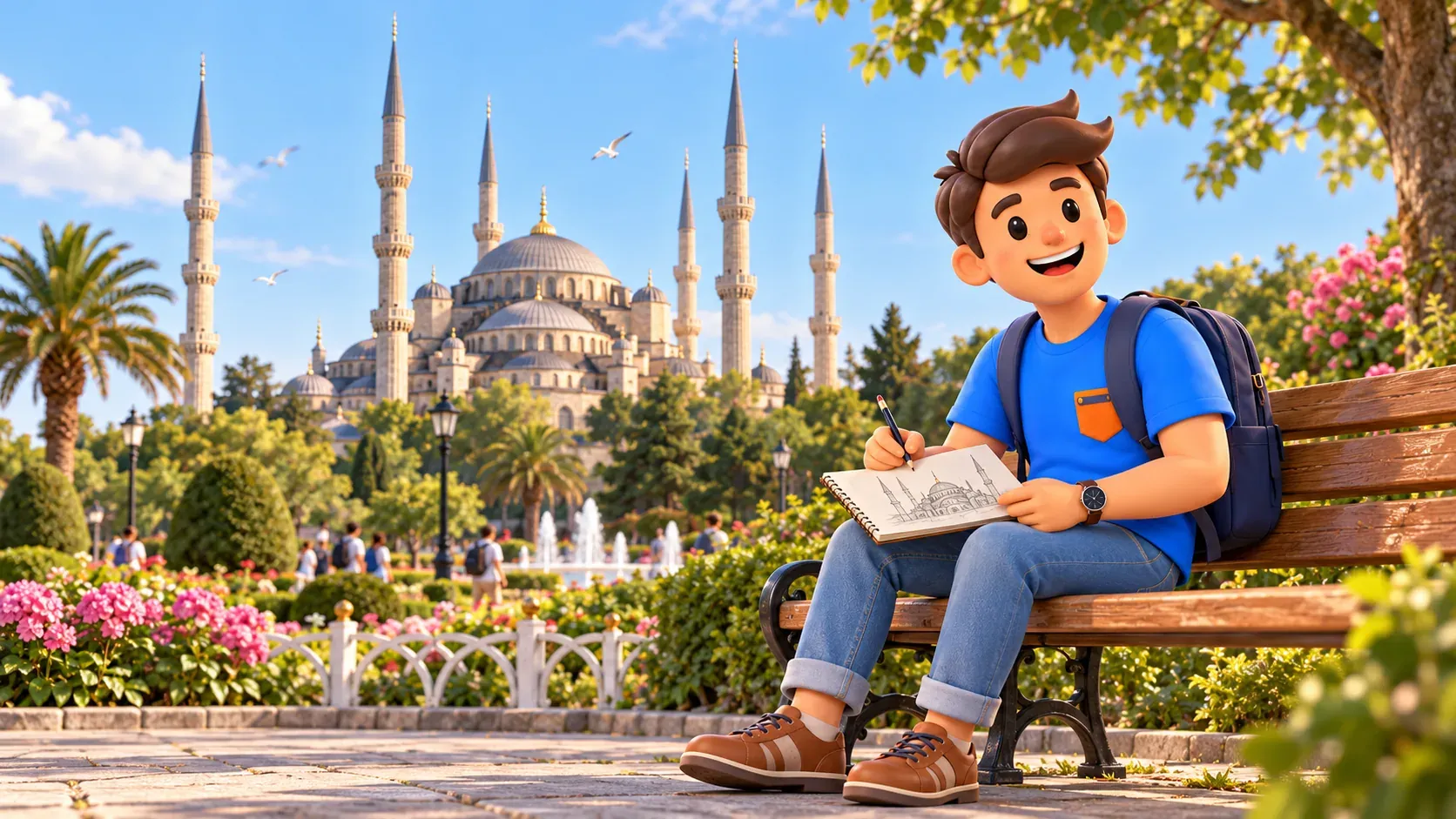
The square also gives you room to appreciate the Blue Mosque as a whole. Its six minarets and descending arrangement of domes provide a clear first impression of Ottoman architecture. The familiar nickname refers to the İznik tiles inside. Built in the early seventeenth century, the mosque adds a different historical layer to a space already associated with the Eastern Roman city.
You can enter when visitor access is open and worship is not taking place. Wear clothing covering shoulders and knees; women should bring a head covering, and shoes come off before entering the prayer hall. Follow staff instructions and keep voices low. If access is temporarily restricted, continue with the square and the next stop: the day has enough substance without depending on every doorway being available.
Give Hagia Sophia a proper exterior stop
There is no need for transport between the Blue Mosque and Hagia Sophia. Leave roughly ten to fifteen minutes for the short walk, photographs and an unhurried look across the open space. Before moving close to the building, pause far enough away to read its outline: the great dome, the substantial supporting structures and the minarets become easier to understand together.
Hagia Sophia began in the Eastern Roman architectural tradition and acquired Ottoman additions over time. You can already see this layered history outside. Compare its proportions and weight with the Blue Mosque you have just left.
The base itinerary stops outside. If the interior is your main reason for coming, give it the principal visiting block and reduce or remove Topkapı after checking the applicable visitor arrangements. Hagia Sophia itself and the separate Hagia Sophia History and Experience Museum are different attractions. Read the product name carefully when considering tickets so the visit you buy matches the place you intend to see.
Make Topkapı your one substantial visit
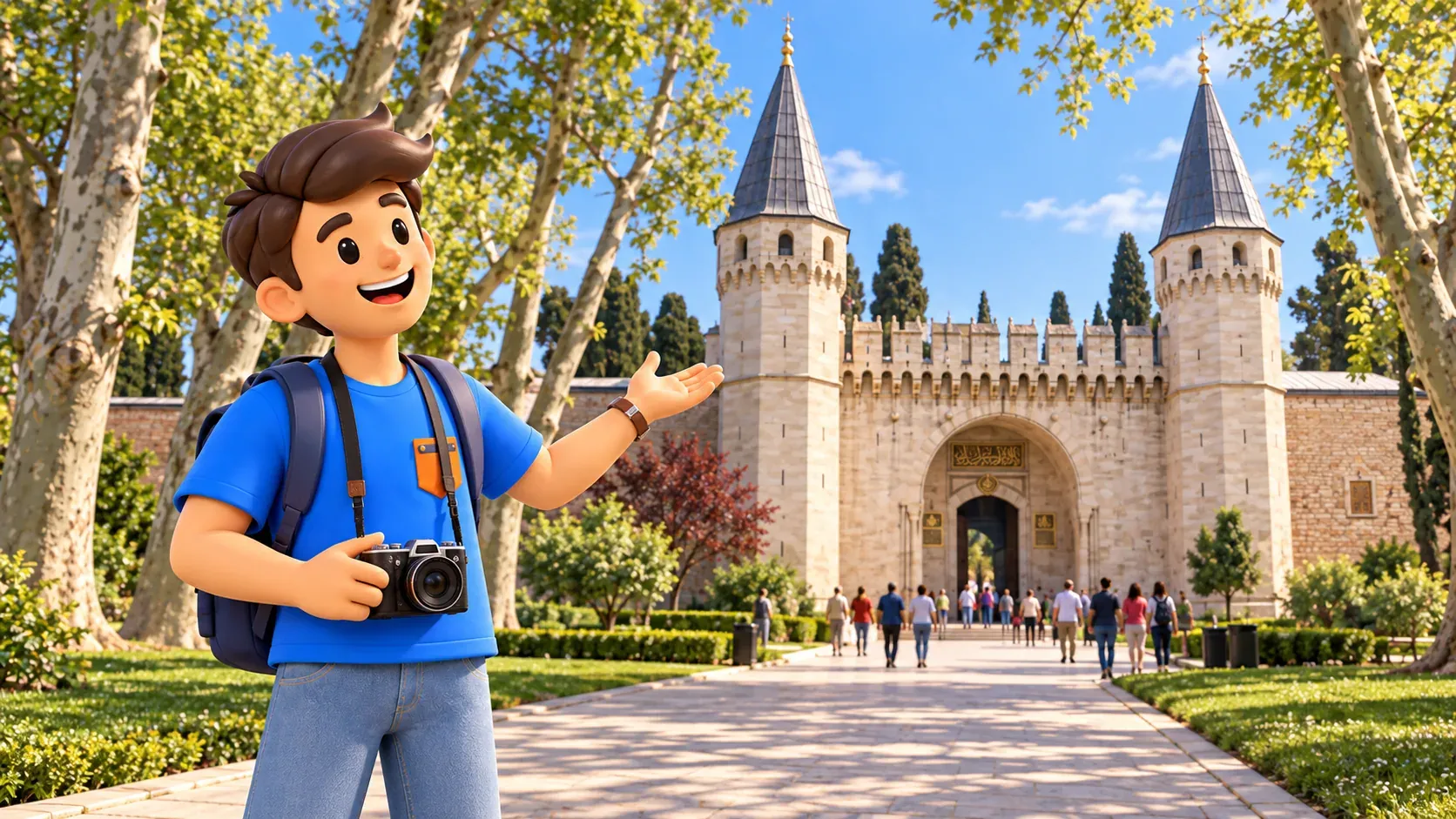
Continue towards Topkapı's Imperial Gate, using the Fountain of Ahmed III beside it as an orientation point. The approach is short, but the scale changes once you begin the palace visit. Topkapı is an arrangement of courts, gateways, service buildings and pavilions. Its spaces reveal how a royal household, government and ceremonial life were organised within the same complex.
The palace took shape under Mehmed II in the fifteenth century and grew through later additions. For centuries it served as a residence and a centre of government. Keep those two roles in mind rather than trying to remember every room name. Notice where public duties belonged, where access became more restricted and how moving through a gate changed the character of the space.
Allow about three hours for this part of the day, and more if you enjoy a detailed museum visit. That is our scheduling estimate. Choose a subject that interests you and leave time for the courts between displays.
Topkapı Palace is closed on Tuesdays. National Palaces currently lists ticket-office hours of 09:00–17:00; a late ticket-office closing time is not an invitation to begin a full visit at the last moment. Public and religious holidays have their own exceptions, so check your exact date. This route puts the palace before lunch to preserve a useful visiting margin.
Also check what your chosen ticket includes. The palace, Harem and Hagia Irene are distinct parts of the complex, and offers can be packaged differently. A complete tariff catalogue is unnecessary for this walk, but understanding the admission you are buying is important. Do not assume that a nearby entrance or a similarly named tour automatically includes every part you had in mind.
Use the outdoor version when it suits you better
On a Tuesday, or when a large palace museum is not your priority, keep the first half of the day more open. Spend longer with the Hippodrome monuments, look carefully at Hagia Sophia outside and move on to Gülhane earlier. The square, architecture and streets already provide a substantial introduction. An enjoyable first encounter does not depend on buying a major ticket.
Use the released hours for a proper lunch and a little more exploration in Sirkeci. Resist filling them automatically with two replacement museums. If a different paid attraction matters to you, establish its current access arrangements first and rebuild the central block around it.
Leave space for lunch and Gülhane Park
After the palace, set aside about an hour to eat and sit down. Check menus, portion sizes and the total order before choosing a table. A view and a comfortable break are different benefits; at this point in the day, the second may be more useful. You can enjoy a good meal without turning the search for one particular restaurant into another lengthy excursion.
Continue towards the Gülhane entrance on the Alemdar Street side. The former outer garden of Topkapı makes a natural transition from royal spaces to a public city park. Allow forty to sixty minutes for a walk and a bench. You need not cover its entire area: choose a section that suits your energy and return towards a convenient exit for Sirkeci.
The point of this stop is the change of scale. Trees, paths and ordinary park life offer a different kind of attention after monumental façades and exhibition rooms. In hot weather, allow a longer rest and reduce later stops; in rain, make the garden section shorter.
Walk through Sirkeci towards Eminönü
From the Gülhane area, continue along the city streets towards Sirkeci. Allow approximately fifteen to twenty minutes to reach the station area, including crossings and small pauses. The atmosphere changes again as transport, shops and everyday movement come into view. Treat the historic railway station as an exterior stop here, without making the route depend on access to particular rooms.
If time permits, take a short detour to the Grand Post Office. Its façade adds another architectural character after the mosques and palace. Looking from outside is sufficient for this stop; an interior visit or a museum exhibition requires separate planning. Afterwards, return to the broad direction of Eminönü, the water and the approaches to Galata Bridge.
Budget another fifteen to twenty minutes between Sirkeci and the waterfront, with more time for the post-office detour or browsing. Use designated crossings around tram tracks and busy roads. The distance can look almost negligible on a map, yet the density of the streets makes this a distinct part of the experience.
Finish beside the Golden Horn
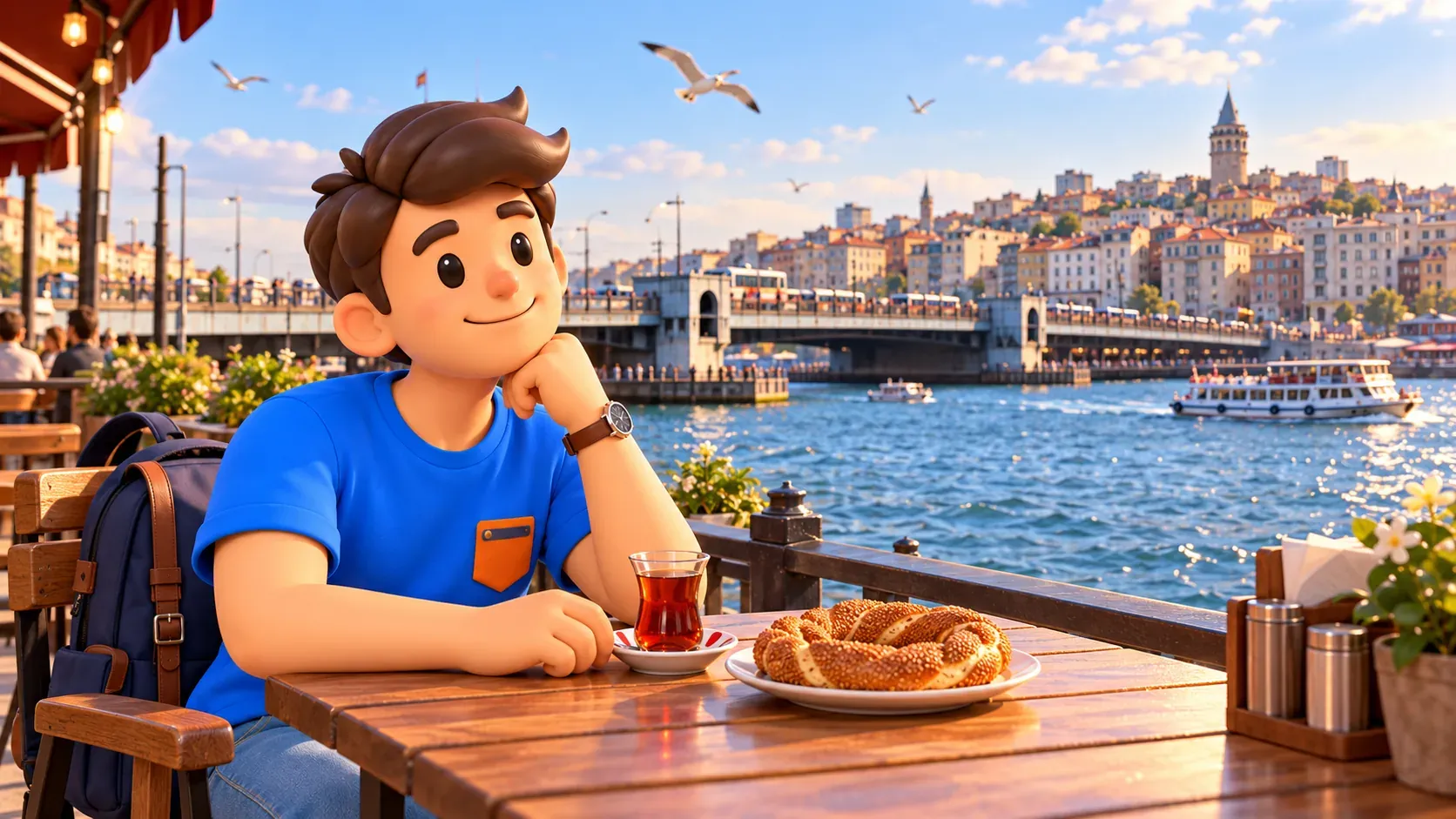
Pause on the Eminönü side and watch movement across the inlet. Galata Bridge crosses the Golden Horn, and both ends are on Istanbul's European side. Walking over it is not a crossing between Europe and Asia. That distinction helps put the day in perspective: a compact area can already contain several very different versions of the city.
If you have the energy, cross towards Karaköy and finish there. Allow around twenty to thirty minutes for an easy crossing with stops to look at the view. The uphill walk to Galata Tower is not part of the essential plan.
Sunset varies with the season, so avoid tying the whole itinerary to one permanent evening hour. On a short winter day, reach the water earlier by reducing the park walk or omitting the post office. When you are tired, finish in Eminönü.
Prepare the practical essentials and know what to shorten
The T1 tram links Sultanahmet, Gülhane, Sirkeci, Eminönü and Karaköy. It can help you reach the start or return when you have walked enough. For the palace, orient yourself towards Sultanahmet and the historic centre: the tram stop called Topkapı is elsewhere on the line. Check the destination shown on the tram and any current operator notices before boarding.
Bring comfortable shoes, water, suitable mosque clothing and a charged phone. If you are travelling with a child or need to avoid steps, check specific entrances and street sections beforehand; a short distance does not establish an easy or accessible route. When time runs short, remove the optional post-office stop and the bridge crossing first, then shorten the park section.
Keeping a personal trip plan and map together is more convenient in RoadMe, which helps arrange your days around your interests and pace. If you want maps without mobile data, download Istanbul while connected to the internet beforehand; offline maps and navigation are available after the download.
With only half a day, keep Sultanahmet and one main interest: the square's architecture or the palace. After a late start, the walk towards the Golden Horn can replace an attempt to reach exhibition rooms before closing. A good first day leaves you with a few places you have actually noticed, enough energy to enjoy the evening and a clear reason to return.


