
Olympic Park London: A Half-Day Walk through East Bank
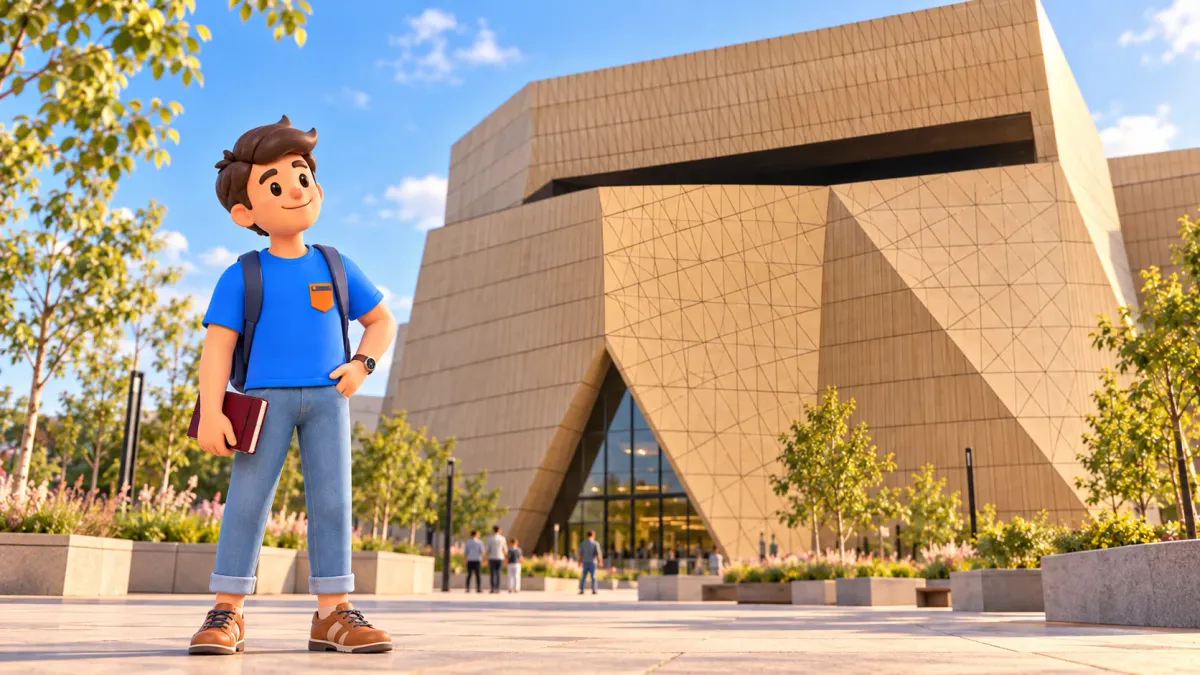
For a half-day in London’s Queen Elizabeth Olympic Park, combine an outdoor look at the architecture with one substantial visit to V&A East Museum. The park tells a story that continues beyond the 2012 Games: swimming and stadium buildings now sit beside new places for design, dance and learning. A selected walk makes that change easier to understand than a checklist of every venue.
Allow four and a half hours from Stratford station back to the same station, including a simple lunch and spare time. The main museum visit is to the free Why We Make galleries at East Bank. V&A East Storehouse is a separate building and a different experience; choose it as an alternative, rather than assuming both fit comfortably into this morning. Travel from your accommodation and waiting for trains are extra.
Choose the kind of Olympic Park day you want
This outing suits an interest in contemporary buildings, the relationship between objects and design, and an urban landscape with water and green space. It does not include a stadium tour, swimming session, theatre performance or cycling activity. Those are good reasons to return with the appropriate booking and a different timetable. Seeing a sports building from outside and using its facilities are separate visits.
Try RoadMe to make planning the whole London trip more convenient: the app builds a personal itinerary around your dates, interests, budget and pace. It helps give a design-focused half-day its place alongside classic sights, meals and time to rest.
Begin around 9:40 and aim to return to Stratford around 14:10. With movement inside the museum, selected park paths and the station approaches, budget roughly four to six kilometres of walking. This is a planning estimate, not a measured track. Keep the route compact around the southern park and East Bank instead of trying to reach every northern sports venue as well.
A realistic four-and-a-half-hour outline
- Approach from Stratford: twenty minutes. Reach the park and orient yourself.
- Outdoor architecture: forty minutes. A selected look at the Aquatics Centre and East Bank setting.
- V&A East Museum: ninety minutes. Choose part of the free permanent galleries.
- Simple lunch: forty minutes. Use Cafe Jikoni, subject to service and availability.
- Park and return: fifty minutes. A short outdoor section and the walk back to Stratford.
- Reserve: thirty minutes. Allow for queues, facilities and finding the right entrance.
The blocks total 270 minutes. Their purpose is to leave time to notice things, rather than create a race between buildings. A longer exhibition visit or leisurely restaurant lunch changes the balance. If the museum queue uses the reserve, shorten the final park section while protecting the return walk. Spare time is part of the plan, not an allowance secretly assigned to another attraction.
Start at Stratford, with the correct museum in mind
Use Stratford station as the meeting point for both ends of the outing. The museum’s current visitor guide gives a walk of roughly fifteen to twenty minutes from the main Stratford transport interchange. Its visual approach begins at the Montfichet Road exit, goes up one level towards Westfield’s outdoor Street, then heads towards Westfield Avenue and Endeavour Square. Follow the current signs for Queen Elizabeth Olympic Park and East Bank.
At the waterfront, Aquatics Walk provides orientation along the cultural buildings towards the museum. Public routes and levels matter here: the postal address, 107 Carpenters Road, E20 2AR, does not mean that every side of the building is a visitor entrance. There is a lower entrance on Aquatic Walk facing Tallow Bridge, and an upper entrance off Stratford Walk at podium level. Both are step-free.
Check the destination name before setting off. V&A East Museum is not V&A East Storehouse at Here East, and neither is the original V&A at South Kensington. Stratford International is also a different station from the Stratford start used here. A familiar museum name on a map can hide a substantial change in the day if the location is wrong.
See what the 2012 buildings have become
London’s 2012 Olympic and Paralympic Games provide the background, but today’s park is a working part of the city. Look at the London Aquatics Centre from public outdoor space and notice Zaha Hadid’s wave-like roof. Its long, flowing form offers a useful contrast with the more sharply folded museum façade. The sports building continues to serve swimmers; a view of it does not include admission to the pools.
Use the forty-minute architecture block selectively. Pause where the roof is visible from an open public approach, then return towards East Bank, keeping the museum visit central to the morning. There is no need to circle the stadium or enter every forecourt. The changing relationship between water, paths and buildings is the subject of this section, rather than a complete survey of Olympic engineering.

East Bank brings cultural institutions and universities into that landscape. London College of Fashion, UAL, UCL East and Sadler’s Wells East have their own public programmes alongside their teaching or performance work. A dance ticket or university event is not automatically included in a park walk. The park’s current information still places the opening of BBC Music Studios in 2027, so do not arrive expecting all the district’s announced spaces to be open already.
Look at the museum before going inside
V&A East Museum opened in April 2026. Its architects, O’Donnell + Tuomey, took inspiration from the space between a body and the sculptural clothing designed by Cristóbal Balenciaga. That idea offers a practical way of looking at the exterior: imagine the building’s outer surface as a folded enclosure, then notice how its planes lean, overlap visually and create shadow.
The sand-coloured precast concrete is not a smooth, anonymous box. Lines cut across its surfaces and continue around angled faces. From a safe public position, compare a lit plane with one in shade; the same material can appear remarkably different. You need not know construction terminology to see the craft involved. Keep clear of entrances while looking up, and use the actual signed approach to enter.
Give Why We Make a focused ninety minutes
The museum normally opens daily from ten to six, with Thursday and Saturday opening until ten at night. Ordinary admission is free, while some exhibitions and events have a separate charge. Queues are possible. This timetable uses the free permanent Why We Make galleries, rather than treating the separately ticketed exhibition The Music Is Black: A British Story as part of the same short visit.
The galleries bring together more than 500 objects spanning art, architecture, fashion, design and performance across different cultures and periods. Ninety minutes is enough for a selection, not an expectation to study them all. Start with a theme or material that interests you. A small group of well-observed objects can make a more memorable visit than quickly photographing every display before lunch.
Try a simple comparison. Choose a garment or textile currently on view and consider what its shape allows the wearer to do or express. Then look at an object made for a room or a performance and ask a similar question. Read its label for the maker, date and purpose before drawing conclusions. Similar colours or shapes do not necessarily mean a shared history.
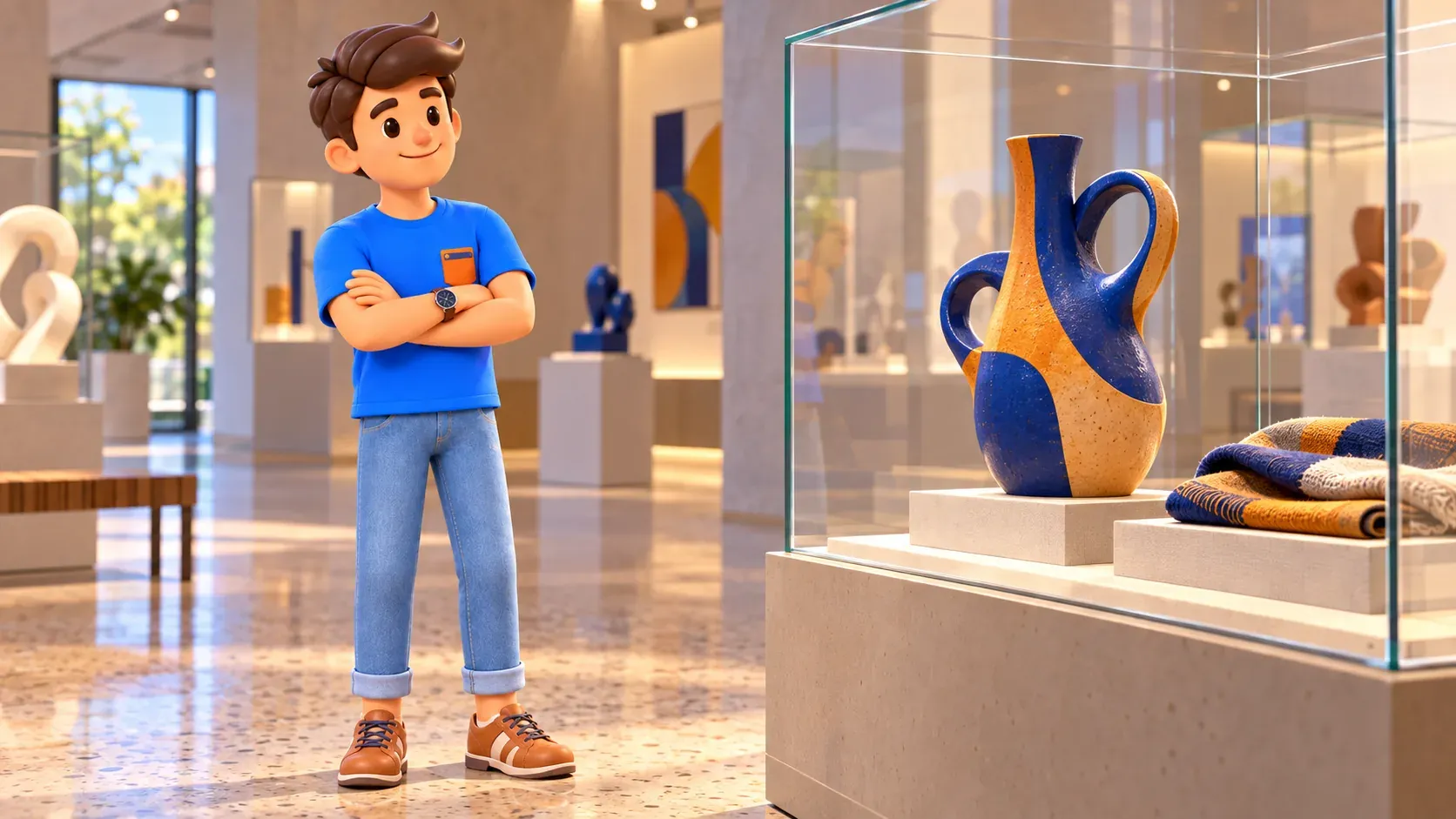
Leave time for something outside your usual interests. An unfamiliar material, a photograph or a design linked to east London may change how you understand the nearby streets. Use current displays and staff guidance, since rotating work is not a promise that every object featured in an opening article remains available. Workshops and special events have their own arrangements and should replace part of the programme if you attend one.
Make lunch a useful pause
Cafe Jikoni operates during museum hours, with both sit-down and grab-and-go options, including choices for children. Forty minutes suits a straightforward meal if service allows. It is not a table reservation or a guaranteed waiting time. Look at the offer and queue before ordering; a short lunch is more compatible with the remaining park walk than an extended meal squeezed into the same block.
If bringing food, the museum permits cold food and drink in circulation areas. That is different from permission to eat beside exhibits. Bottled water is allowed in the galleries. Follow the arrangements on site and ask staff where to sit if uncertain. Keep the meal distinct from looking at objects so that food, belongings and people moving through the building do not compete for your attention.
Return through a selected part of the park
Use the fifty-minute final block for a short section of open paths and the return to Stratford. A pause beside water or planted space changes the rhythm after the galleries. There is no need to reach the far end of the park to have a satisfying outdoor finish. Keep enough of the block for the station approach, especially if you have taken longer over lunch.
The park opens every day, but individual venues and paths have their own conditions. Check the event calendar before choosing a date: West Ham home matches and major events can mean crowds, road closures and diversions. After heavy rain, lower riverside paths can flood, particularly in the northern park. Follow closures and use open higher routes; do not assume an attractive waterside line is always available.

In poor weather, reduce the optional outdoor sections and give the selected museum visit a calmer pace. The information point at the Pavilion in Endeavour Square normally operates from eleven to four, so it is not a guaranteed source of help at our 9:40 start. Check current venue information before travelling, and use staff or signs at the museum for questions about its facilities.
Choose Storehouse for a different day
If visible storage, museum care and large collections interest you more than the curated galleries, consider V&A East Storehouse at 2 Parkes Street, E20 3AX, instead. It occupies part of the former Olympic media centre at Here East. Its central collections hall reveals a working store through public walkways; it is not another floor of East Bank’s Museum building.
Ordinary Storehouse entry is free without advance booking, although a queue is possible. All bags and coats must go in the provided lockers before entering the main hall, and practical flat shoes matter on the metal-grid flooring. Order an Object requires booking at least two weeks ahead. Replan around that visit rather than adding it to the ninety-minute Museum block and assuming lunch, walking and return times stay unchanged.
With RoadMe, it is easier to organise the whole trip around your preferred balance of museums, architecture and outdoor time. Try a personal day-by-day plan so different London experiences receive enough space instead of crowding into one afternoon.
The Museum has lifts and accessible facilities, but this does not certify the whole station-and-park outing for every access need. Check your chosen approach and current conditions separately, and travel with manageable belongings because large or wheeled luggage is not allowed in the galleries. For another design-focused day, our Walthamstow walk with William Morris and neon offers a different view of making, with its own opening-day requirements.


