
Oji and Asukayama: a Half Day of Park and Paper History
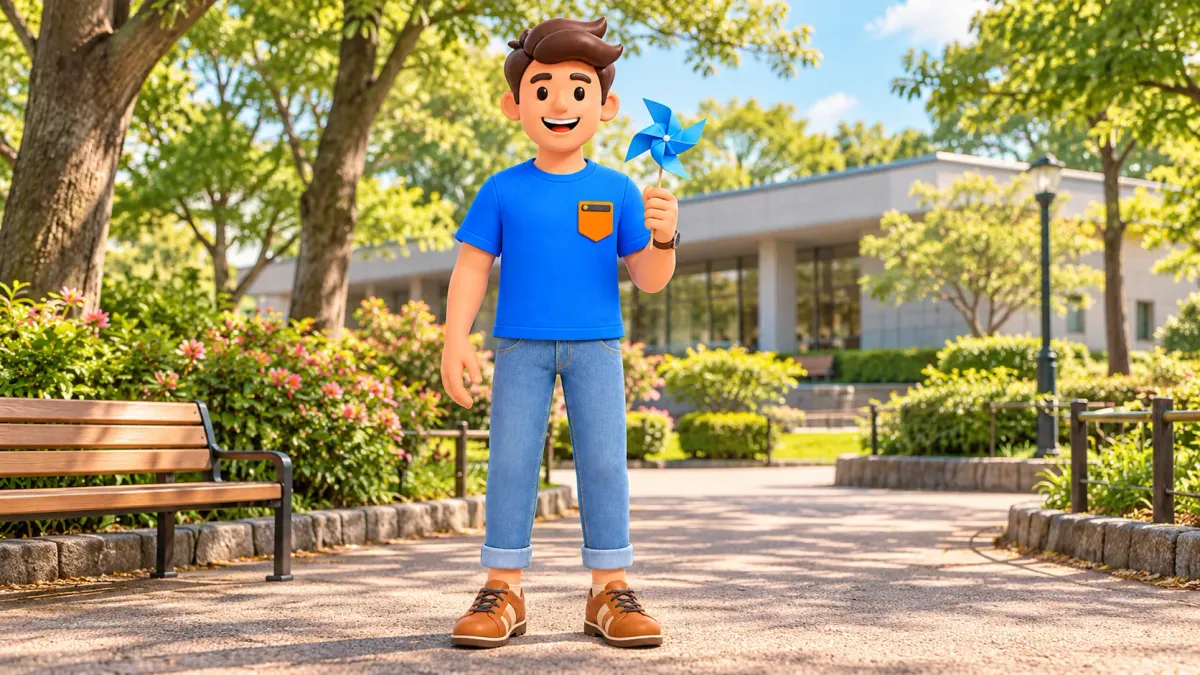
Oji and Asukayama make a rewarding half-day outing when you want a park with a story behind it. The hill above the station combines public green space with three museums, while the area's papermaking history connects an everyday material to the growth of modern Tokyo. Choose the Paper Museum as the main indoor visit, leave time for the park and add a second historical stop only if your interest and the calendar support it.
This is a local walk, not an attempt to collect every northern Tokyo attraction. You do not need to continue to a distant garden or fit several shrines around the museums. A few hours in one place can be enough to notice how industry, philanthropy, transport and leisure overlap. Keep the plan compact so that the outdoor pause remains part of the experience rather than the hurried gap between ticketed visits.
Use Oji as the gateway, then choose a hill approach
Oji is served by JR's Keihin-Tohoku Line and the Tokyo Metro Namboku Line, with the Tokyo Sakura Tram also serving the area. Check the arrival that suits your accommodation and the public entrance you intend to use. The station and the park are close, but Asukayama is a hill: the apparent distance on a map does not describe stairs, slopes or the correct accessible route.
Try RoadMe to place Oji in a personal travel plan based on your interests, dates, pace and budget. A quieter museum-and-park half day can balance the busier districts elsewhere in your Tokyo trip.
Plan roughly three to four hours locally, including one museum and a real break. This is an estimate for organising the outing, not a measured walking time. Add your journey from the hotel. If you also want a second museum, make it a deliberate choice before settling into a long lunch. There is no requirement to complete all three simply because their entrances are close to one another.
The park rail known as Asukarugo can help with the climb when it is operating, but it is not something to assume is available at every hour or under all conditions. Check its current arrangements if your route depends on it. A step-free journey needs more than locating a lift on a map: confirm the approach, the route through the park and the entrance of the museum you choose.
Make paper the main story of the morning
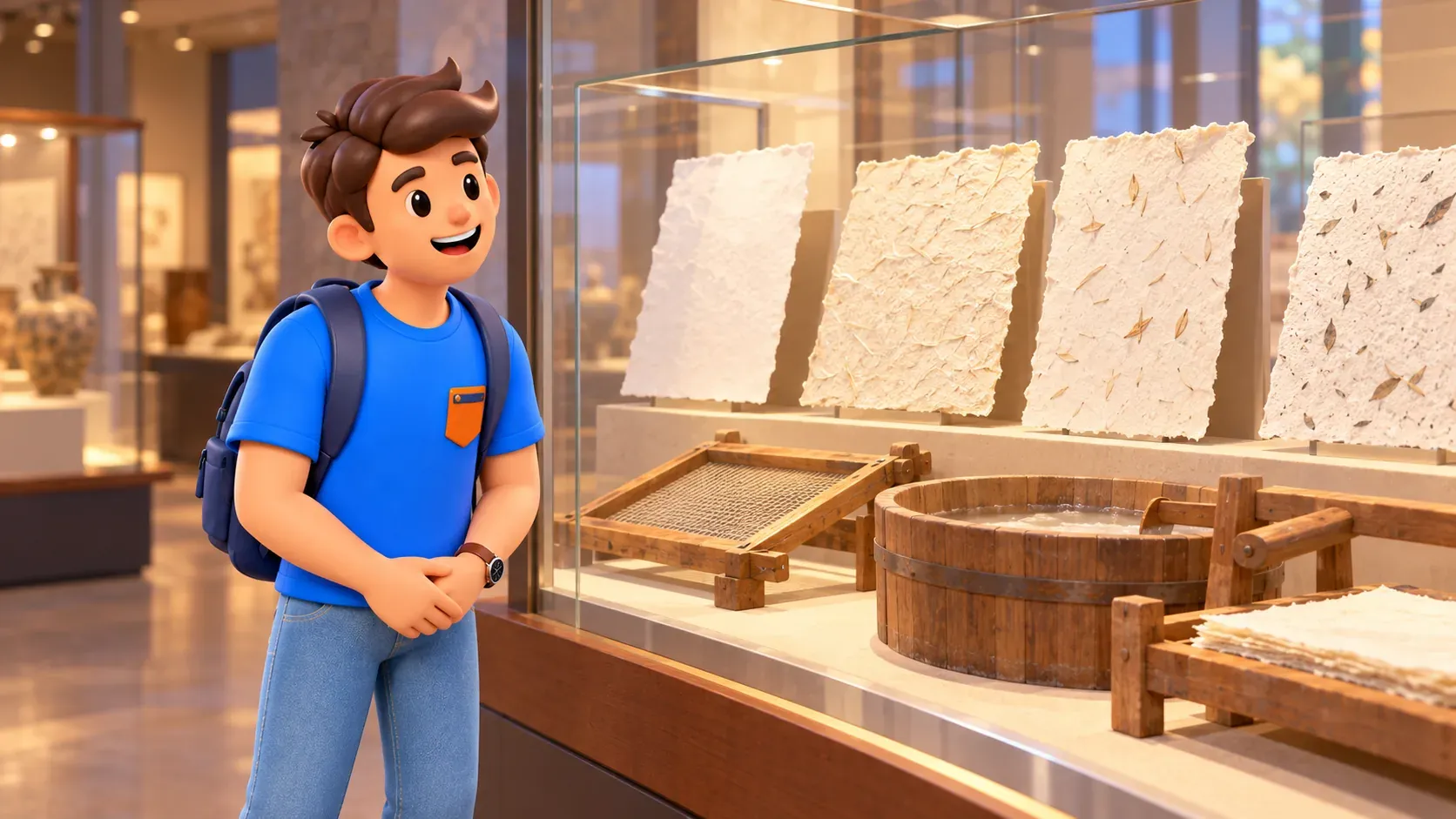
The Paper Museum provides an approachable focus because its subject is familiar even when the process behind it is not. Paper appears in packaging, books, tickets, screens and private correspondence, yet it is easy to treat it as a neutral surface. A museum devoted to it gives you a reason to look at fibres, texture, production and use instead of passing straight to what is printed on top.
Oji's connection is more than a convenient museum location. The Paper Museum opened in 1950 in an area associated with early modern papermaking. The Shoshi Kaisha mill, connected with Shibusawa Eiichi, began production in 1875. The story brings together traditional Japanese paper and industrial paper production. It should not be reduced to the claim that all Japanese paper follows one single method or belongs to one unchanging craft.
In the galleries, start with one question: how does a sheet become suitable for a particular task? Compare a paper intended to be strong with one valued for texture or appearance, using the museum's explanations. You need not understand every technical term to notice differences. Read the labels that explain a process, then return to the objects. That rhythm can be more useful than treating every display as a separate fact to memorise.
Treat a workshop as a separate option
A hands-on session can make the subject memorable, especially for children who prefer making to reading. However, the general existence of papermaking workshops does not guarantee a session during your visit. Check the current programme, eligibility, booking or same-day arrangements and how the activity fits the museum calendar. Do not promise a child that they will definitely make something unless the particular opportunity has been confirmed.
Build a complete gallery visit even if the workshop does not fit. A small observation game works without touching collection objects: find one paper use that you already know, one process that surprises you and one material you would like to examine more closely where handling is permitted. Follow the museum's indications about touchable samples. Not every sheet behind a barrier is a demonstration material.
If making paper is the main reason for coming, arrange the half day around the actual session rather than around a generic morning timetable. Leave time to arrive and follow instructions. An organised group activity may have different conditions from an individual family visit. If the available arrangement does not match your group, choose another date or enjoy the galleries without adding an unconfirmed promise.
Use the park as more than a corridor between museums
After the indoor visit, give Asukayama a proper pause. Follow a manageable public path, find somewhere suitable to sit and let the scale change from small objects to trees and the hill. The park has an important place in Tokyo's public leisure history, but you do not need a full chronology to enjoy it. Look at how a green rise sits directly beside active urban transport and ordinary daily life.
Spring blossom photographs can create expectations that do not suit another season. Cherry trees provide a seasonal setting, not guaranteed flowers for any date. Outside the flowering period, choose the park for its open space and the combination with museums. Do not force a blossom-themed visit in autumn or use an old flowering photograph as evidence of what you will see on your trip.
With children, a play break may deserve the time you initially reserved for a second institution. Check current facility availability and supervise around other park users. Adults may prefer a bench, a small loop or time to talk about the museum. A park is not wasted time between cultural visits. It can be the part that makes the whole outing comfortable enough for everyone to remember the indoor story.
Choose a second museum by the question it answers
The Kita City Asukayama Museum develops the local history, nature and culture of the area. It is a different choice from extending the technical story of paper. Look at its current programme and available interpretation before deciding how much time to give it. A local museum can be rewarding without a famous masterpiece, especially if the displays help connect the surrounding landscape to the people who lived and worked here.
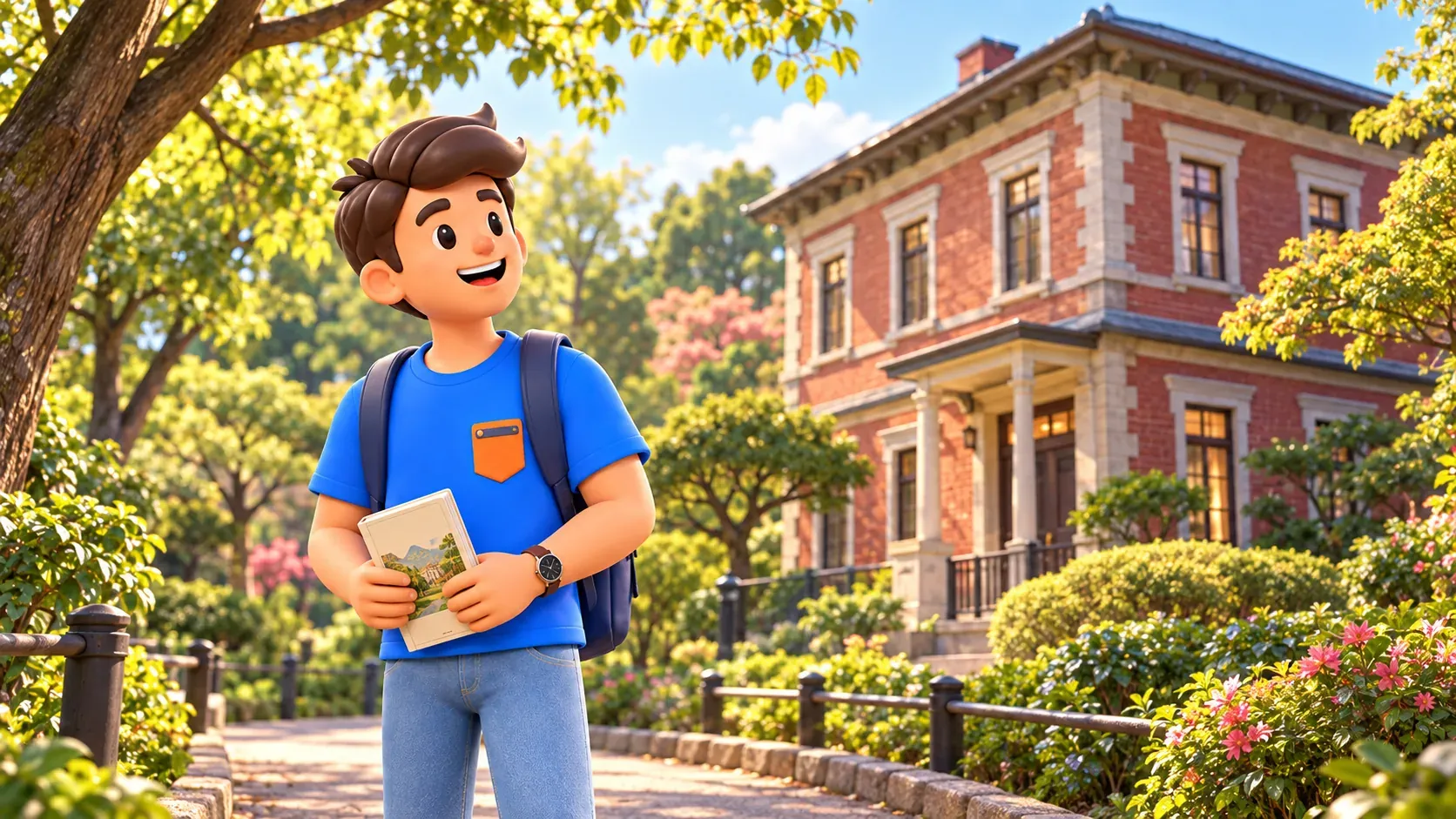
The Shibusawa Memorial Museum focuses on Shibusawa Eiichi and the development of modern economic and social institutions. The nearby historical garden setting adds an architectural layer. A short introduction is enough for a first visit: understand why a figure associated with modern industry belongs in the same outing as paper and the park. You need not turn the afternoon into a complete biography or an uncritical list of achievements.
RoadMe can shape a personal itinerary around your balance of curiosity and rest. Give industrial history, local culture or a longer park pause the space that suits you instead of treating three neighbouring museums as one compulsory package.
The historical buildings associated with the Shibusawa setting have their own access conditions. Entry to a garden, entry to a museum and permission to enter an older building are different matters. Check the current arrangements, especially if steps or uneven paths are important. An attractive exterior does not prove that the interior is open that day or accessible in the same way as the main exhibition building.
Keep transport interest small and practical
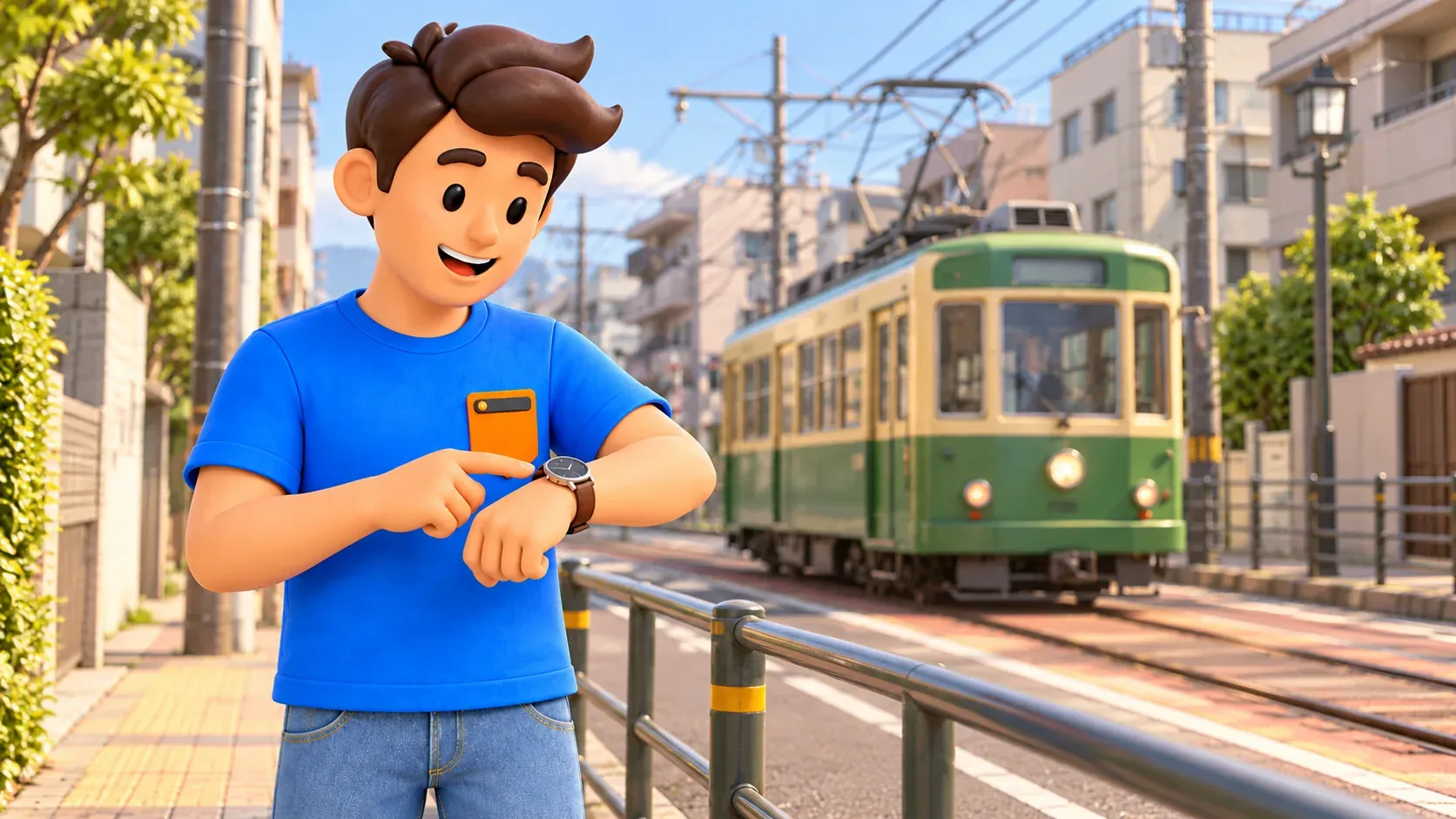
The Tokyo Sakura Tram gives Oji another layer of interest. You may notice how the streetcar fits ordinary city streets, or choose a short ride if it genuinely helps the next part of your journey. It does not need to become a separate excursion added after the museums. Check the direction, stop and fare arrangements before boarding rather than assuming the tram follows the same logic as your earlier railway journey.
Watch vehicles only from a safe public place. Do not step into the road, cross tracks outside permitted crossings or block a stop while framing a photo. Transport can be part of the urban story without turning the visit into a hunt for a particular vehicle. If the next suitable connection is simply the train or subway from Oji, that is a complete and sensible ending.
Let the calendar decide what remains optional
Before departure, check each chosen institution's actual calendar, last-entry arrangement and ticket conditions. Public holidays can change the normal closure pattern, and nearby museums do not automatically share every exception. Old joint-ticket prices may also survive in guides after arrangements change. Budget from current official information; buying entry to one museum does not by itself grant access to every other institution in the park.
If the Paper Museum is closed, decide whether another open museum genuinely interests you or whether a different date would make the visit more worthwhile. Do not arrive expecting the park to replace an activity that mattered most to your group. Conversely, if the main museum and a relaxed outdoor pause have filled the available time, finish there. Oji works well when one clear subject opens into the surrounding city.


