
Ngong Ping in a day: the Big Buddha and Po Lin Monastery at a comfortable pace
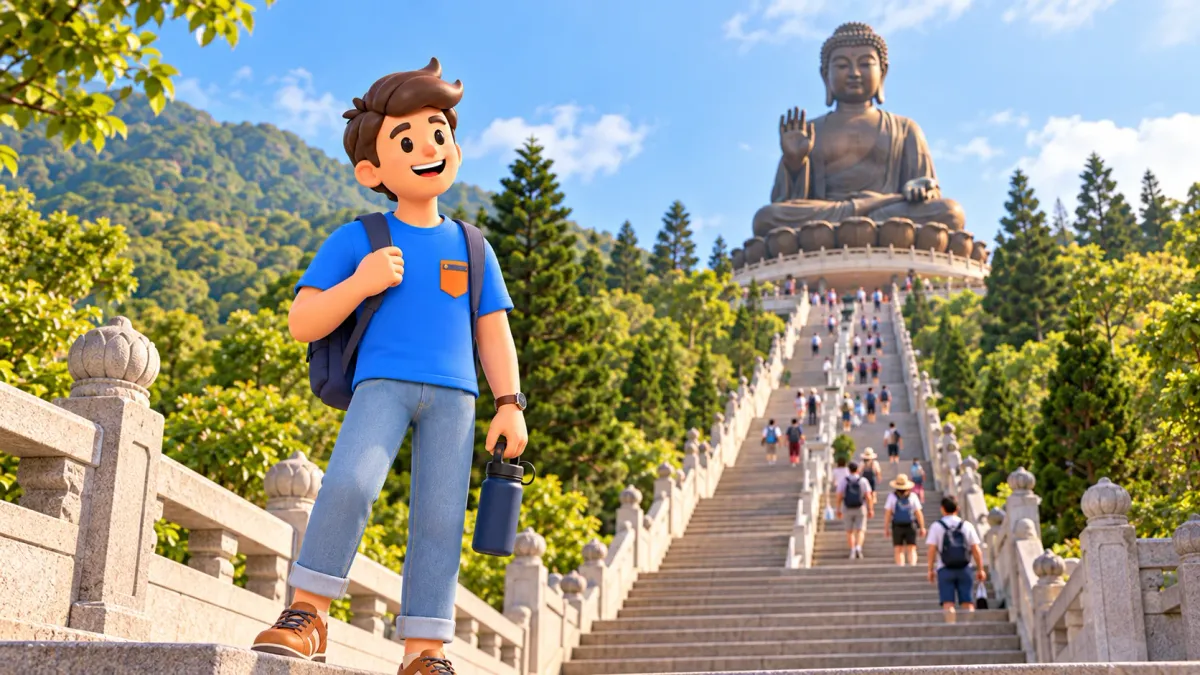
Ngong Ping can appear as four attractions on a list and accidentally become four separate visits in your plan. The Big Buddha, Po Lin Monastery, its Main Shrine Hall and the Grand Hall of Ten Thousand Buddhas belong to one connected setting, yet offer different experiences. A good day reveals those relationships while keeping proper space for transport, steps and breaks.
Set aside most of a day when travelling from urban Hong Kong. A rough allowance is six to eight hours with travel through Tung Chung and a relaxed visit, depending on your starting point, queues and chosen transport. This is not a tour of all Lantau. Tai O and mountain ascents should not automatically be added to a first encounter with the Buddha and Po Lin.
Build the day around two main experiences
The principal aims are to see the Tian Tan Buddha in its mountain setting and visit the working monastery that predates it. The Main Shrine Hall and the Grand Hall of Ten Thousand Buddhas are different buildings within Po Lin. They do not require two additional journeys, but neither should they be described as the same room.
A useful sequence is Tung Chung, transport to the plateau, an overall view of the Buddha and the steps if suitable, a meal or short break, monastery halls and the return. If you arrive before the Buddha approach opens, begin with available monastery areas. Let opening times and energy shape the order rather than following a rigid sequence of photographs.
RoadMe makes it much easier to develop the whole trip around your interests, with a complete personal itinerary at a suitable pace. Decide how much the cable car, architecture and unhurried visiting matter to you, and let the app shape your Lantau day around that balance.
Reserve time for returning before adding further destinations. Reaching the plateau is a substantial part of the outing, not a brief city connection. If the cable car itself is an important experience, do not try to recover every minute after arrival. If the monastery matters most, choose the journey that fits that priority rather than feeling bound to a particular transport attraction.
The four source points are best read as a structure within one ensemble. You move between scales: a large silhouette on a hill, a monastery courtyard, then an individual hall. That progression gives the day more meaning than assigning identical visiting time to every name merely because it appears on a separate line.
Getting there: cable car or bus
Tung Chung is the obvious gateway for this plan. Ngong Ping 360 and bus 23 both connect it with Ngong Ping. They are alternative ways to reach the plateau rather than two compulsory attractions in the same direction. Your choice depends on budget, comfort with heights, current operations and whether you want the journey itself to be a major part of the experience.
The cable car ride takes roughly 25 minutes, excluding queues and boarding arrangements. That is not the entire time from leaving the MTR to reaching the Buddha steps: after arrival, you still walk through Ngong Ping towards the religious area. The bus follows a different route and timetable. Check departures from Tung Chung Tat Tung Road towards Ngong Ping, and the opposite direction for your return.

The cable car has its own servicing calendar and may suspend operations in adverse conditions. Its hours do not automatically match the monastery’s. Check the selected date and return arrangement before leaving. The bus is a genuine transport alternative, but its timetable and road conditions also matter; do not assume immediate boarding after any cable car interruption.
Cable car tickets, food and special paid packages are separate choices. A promoted bundle should not be mistaken for the only way to visit the monastery or a single price covering the whole day. Check direction, cabin type, date and included services before buying. Offers restricted to local residents do not automatically apply to every visitor.
If winding roads make you uncomfortable, or a high cabin does, settle that choice beforehand. You need not take the most photogenic option simply for an image. A useful itinerary begins with a journey that leaves enough energy and interest for the destination, rather than making arrival feel like the end of the day’s effort.
The Big Buddha: see the silhouette before choosing the climb
The Tian Tan Buddha opened in 1993. The seated bronze figure and its base reach 34 metres and form a defining landmark of Ngong Ping. This is a relatively modern monument, combining Buddhist iconography with late twentieth-century engineering. It does not need an ancient construction date to have religious significance or make a strong visual impression.
Look from below first, relating the statue to its staircase and surrounding hills. Then decide about the climb: 268 steps lead to the base. They are a physical part of the visit, not a formality after a cable car ride. Move at your pace, avoid blocking the route when pausing and remember that the same staircase also needs to be descended.
As you approach, attention shifts from the complete silhouette to the face, hands, folds of clothing and lotus throne. The right palm faces outward in a gesture associated with fearlessness. For a first visit, noticing the relationship between a calm image and enormous scale is enough. Understanding every symbol is not required to appreciate why this monument became the plateau’s central image.
If the stairs do not suit you, retain the lower view and the monastery visit. Contact the institution beforehand about any special access needed for limited mobility. A vehicle approach or service road does not establish unrestricted access for everyone. Avoid making the day depend on an unconfirmed way around the staircase.
The operator lists the Big Buddha’s visiting hours as 10am–5.30pm daily, including public holidays. That differs from Po Lin’s timetable. Do not extend the statue approach to match the monastery’s later closing. Also distinguish exterior viewing from particular interior arrangements or packages, whose conditions should be checked if you actually want them.
Po Lin existed before the giant statue
Founded in 1906, Po Lin predates the Buddha by many decades. Visit it as a religious environment in its own right, rather than a supporting facility for a famous monument. Ngong Ping’s wider prominence grew, but the monastery continues its own work. In its courtyards and halls, a visitor itinerary meets the ongoing life of an institution.
The principal buildings follow an axis. Moving through the entrance area and courtyards changes which structures dominate and how the spaces feel. Understand the broad arrangement before choosing available halls. Every side building need not become a required stop: some rooms have other functions and are not freely accessible exhibition areas.
The Main Shrine Hall is associated with major Buddha images and a more intimate scale than the outdoor monument. The altar’s position, the distance in front of it and continuing worship matter here. You need not analyse every artistic detail, but check entry and photography rules before deciding how to move or where to pause inside.
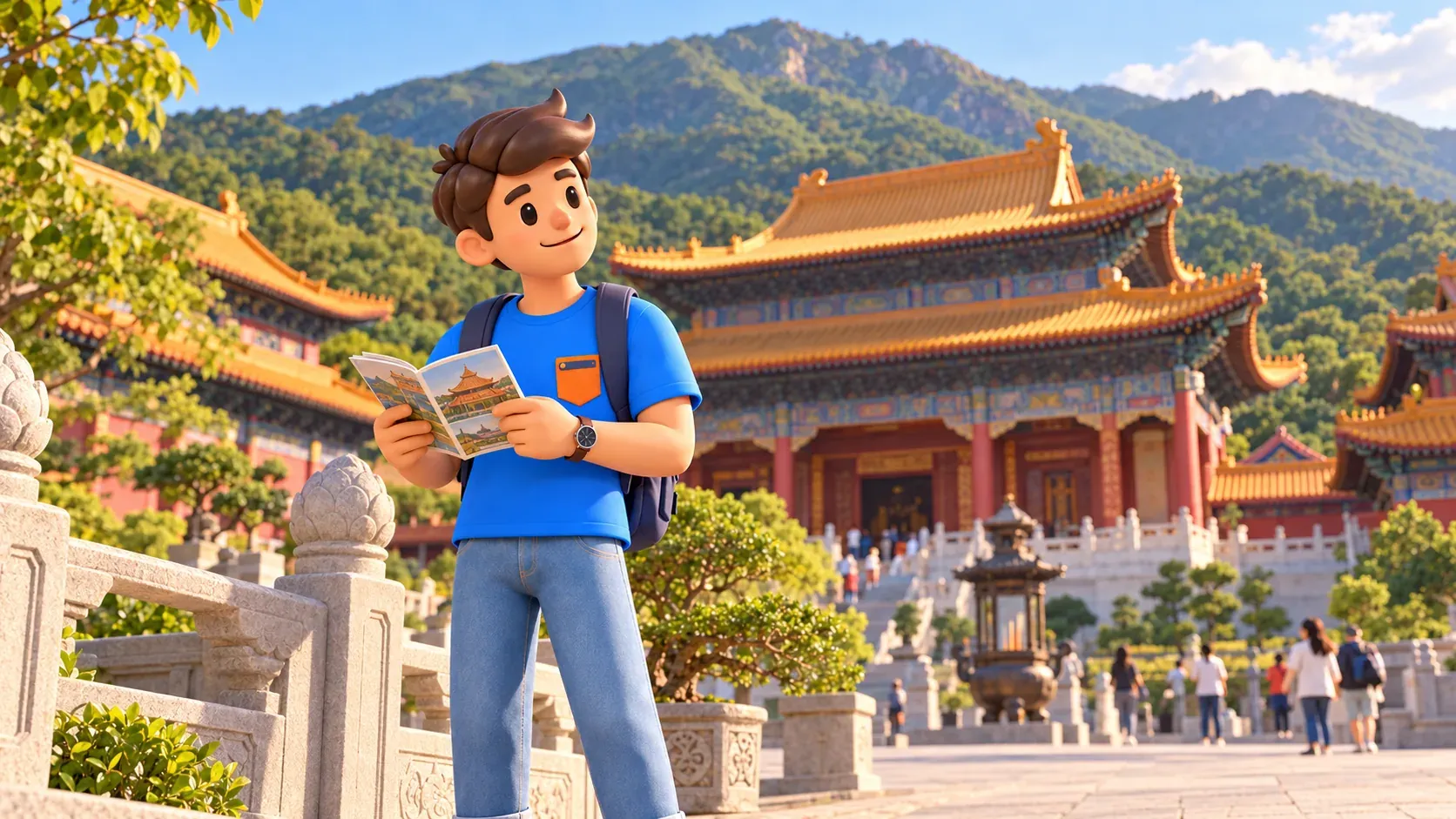
Po Lin publishes daily hours of 9am–6pm, including public holidays. That does not confirm access to every room until the final minute. Services, temporary restrictions and the purpose of a particular hall can affect visiting. A calm plan allows you to appreciate permitted areas without arguing with the working monastery’s needs.
Compare the change in experience with the statue. On the hill, one large image dominates open space; in the courtyard, buildings appear in sequence; inside a hall, the relationship between visitor and altar becomes central. This shift of scale connects the day’s parts more effectively than attempting an equally elaborate photo session at every point.
The Grand Hall is a distinct part of the same monastery
The newer Grand Hall of Ten Thousand Buddhas stands behind Po Lin’s earlier principal temple buildings and belongs to its modern expansion. It is neither another name for the Main Shrine Hall nor the Ten Thousand Buddhas Monastery in Sha Tin. Similar wording does not identify the same place, an important distinction when you are planning journeys.
Here, the impression comes from a larger volume and repeated small gilded Buddha images. Compare it with the earlier hall: a few substantial figures and rhythmic rows of smaller ones create different experiences. There is no need to count them. Notice how your view moves from an overall golden surface to one image and back again.
The new building’s classical Chinese forms do not make it an ancient monument. Its value lies in the monastery’s continued development and the creation of space for religious and cultural work. An available visitor hall also does not establish permission to explore every floor, library or service area within a large complex.
If this comparison of architecture and history appeals, RoadMe can develop a personal trip around that interest. The app makes it easier to connect worthwhile visits, journeys and breaks, so the day does not end as a tired attempt to collect the remaining map points.
Lunch, the return and sensible limits
Po Lin’s vegetarian kitchen publishes hours of 11.30am–4.30pm. Depending on arrival, place lunch after the steps or between the monastery visits. Food should not be assumed included in any transport ticket. Check menu, payment and seating arrangements; with specific dietary requirements, do not rely solely on the word vegetarian to settle every ingredient question.
For the return, check more than the final departure. Allow time to reach the correct boarding point and wait. Po Lin’s closing time does not promise that the cable car will still be available after your walk. Settle the main transport plan before everyone is tired. With delays, shortening an extra visit is more useful than relying on an uncertain last connection.
With children or limited mobility, leave more pauses and choose suitable areas beforehand. Transport to the plateau does not make all of Ngong Ping step-free. Carry water, wear comfortable shoes and dress for open spaces. Mist may hide distant views; the architecture and connected ensemble can still give the day its interest.
Tai O, Wisdom Path and Lantau’s summits require additional time and a separate decision. For a first day, the Buddha and Po Lin are enough. Place this outing within your wider visit using the Hong Kong planning itinerary. Ngong Ping works best as a day in its own right, where the journey, monument and monastery each receive their share of attention.


