
Mitaka and Inokashira: With or Without Ghibli Museum
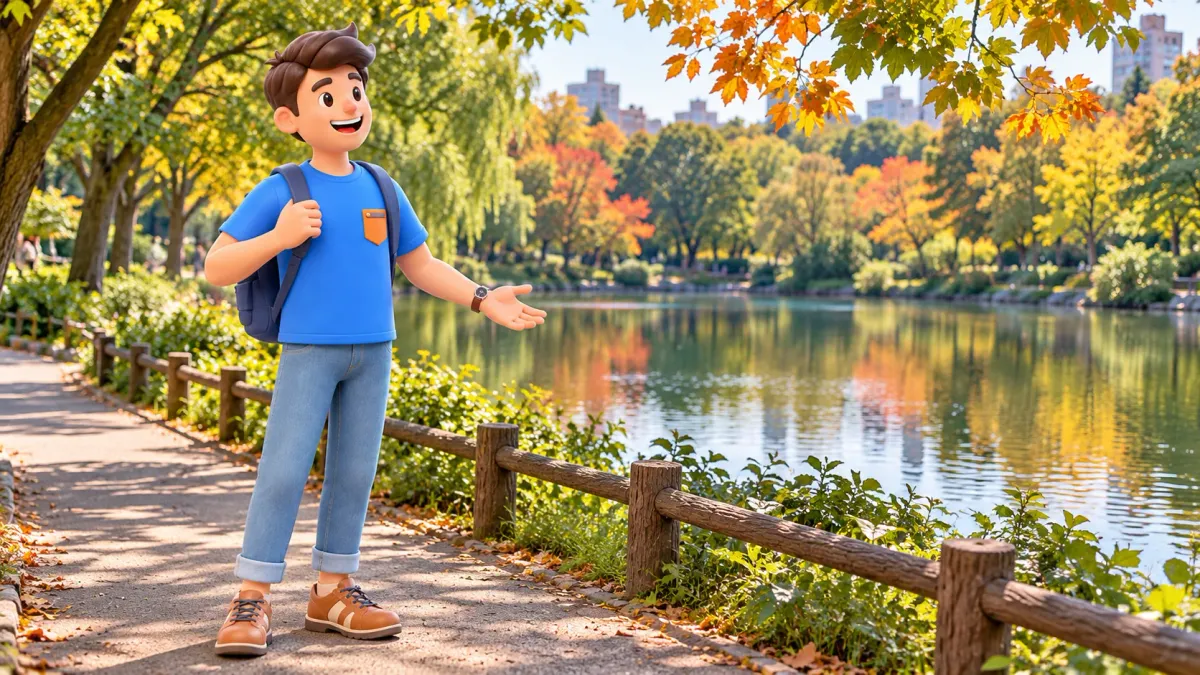
A day around Mitaka and Inokashira Park works best in two clear versions. With a confirmed Ghibli Museum ticket, the museum becomes the main event and the park offers a quiet beginning or finish. Without a ticket, the focus changes to the pond, tree-lined paths, rest and a little time in Kichijoji. That second version is complete in itself and does not rely on discovering an unexpected museum admission at the gate.
Allow roughly half a day for the park and lunch. With the museum, keep much of the day flexible rather than promising an exact total duration. This is an editorial planning guide, not measured timing. Your reserved entry, the weather, selected stops and interest in the exhibitions shape the pace. Choose a useful version rather than assuming that both complete programmes must be carried out one after the other.
Start with the question of a confirmed ticket
Ghibli Museum admission requires an advance ticket for a specified date and entry time. Its official page explicitly states that reservations and ticket purchases cannot be made at the museum. Confirm admission before making it the centre of the day. Turning up at the building, having a free morning or being willing to wait does not create a promise of entry without the required advance arrangements.
RoadMe helps develop a personal travel programme around your interests, giving a museum visit the time it needs and placing walking and rest around it. Try preparing the day at your own pace so it becomes more than a hurried sequence of unrelated stops.
If you do not have a ticket, choose the park version immediately. There is no need to begin with a trip to a nonexistent opportunity to buy at the gate and only start relaxing afterwards. With a ticket, save the confirmation and read the current purchase and admission requirements. Check times, visitor details and any documents against your actual booking conditions rather than relying on advice from an old discussion.
Understand the sales timetable without treating it as a guarantee
The official page lists overseas online sales through Lawson Ticket, opening at 10:00 JST on the tenth of each month for the following month. That is a sales release rule, not a guarantee of availability on every date. Convert the time into your own time zone, check the correct purchase channel and prepare for your chosen release. Do not assume it can all be arranged at the last moment after reaching Tokyo.
A ticket is valid for its specified date and time of entry, with no fixed exit time. This does not imply permission to arrive whenever you wish during the day. Follow the confirmation and current instructions. If a suitable option is unavailable, avoid reorganising the whole holiday around an unconfirmed hope. The park and Kichijoji can remain an independent outing, while the museum becomes a plan for another visit.
No numerical admission budget is included here. Confirm the actual tariff, age conditions and payment arrangements during purchase. A third-party offer and an official ticket should not be compared only by an attractive headline sum. Understand what is being sold, who sells it and which requirements apply. Treat an external tour as a separate product with its own route rather than an invisible replacement for an ordinary museum visit.
Choose a useful start at Mitaka or Kichijoji
For the museum version, the official directions suggest JR Mitaka and the walk from its south exit. The stated orientation is about fifteen minutes, but add margin for leaving the station, crossings and finding the right entrance. This matters especially for an early reserved visit. Do not start with a long circuit of the pond merely because the water looks conveniently close to the museum on a small map.
For the park version, consider Kichijoji on JR and Keio services, or Inokashira-koen on the Keio line. Both approaches are listed by the park operator. Choose according to where you are coming from and where you will go next, not a desire to use different lines simply for variety. Mark a suitable park entrance and possible finish, checking the actual station exit on the current plan.
Do not combine the cross-city journey, station transfer, park and museum into one promised short duration. Each needs different attention. With a timed reservation, establish a reliable approach first. Without an entry appointment, you can move more freely and rest when it suits you. These are different operating rhythms for the day, and recognising the difference prevents the entire outing becoming a repeated check of the clock.
Begin beside Inokashira Pond with a simple observation
On reaching the water, find a permitted place to pause without blocking the path. Look at reflections, the shape of the bank and the way trees separate the pond from the surrounding city. You do not need to begin by circling the entire park. The first few minutes can simply establish the setting: broad water, nearby branches and the movement of other people provide enough to notice.
Choose a direction using the current plan and accessible paths. A loop beside the water need not include every branch of the larger park. With children, a pushchair or someone who tires easily, reduce the distance beforehand and identify suitable connections. An unexpected staircase or fatigue should not become a test of determination. A shorter walk with a good rest often reveals more than a complete circuit made at the edge of endurance.
The season changes the experience but does not promise a particular picture. Blossom, autumn colour and clear weather cannot be assigned to every chosen date. See the park as it is on your actual visit. Green trees or grey skies do not make the outing incorrect. In heavy rain or other unsuitable conditions, shorten the outdoor section rather than assuming the museum offers automatic shelter without a ticket.
Give the museum its own time
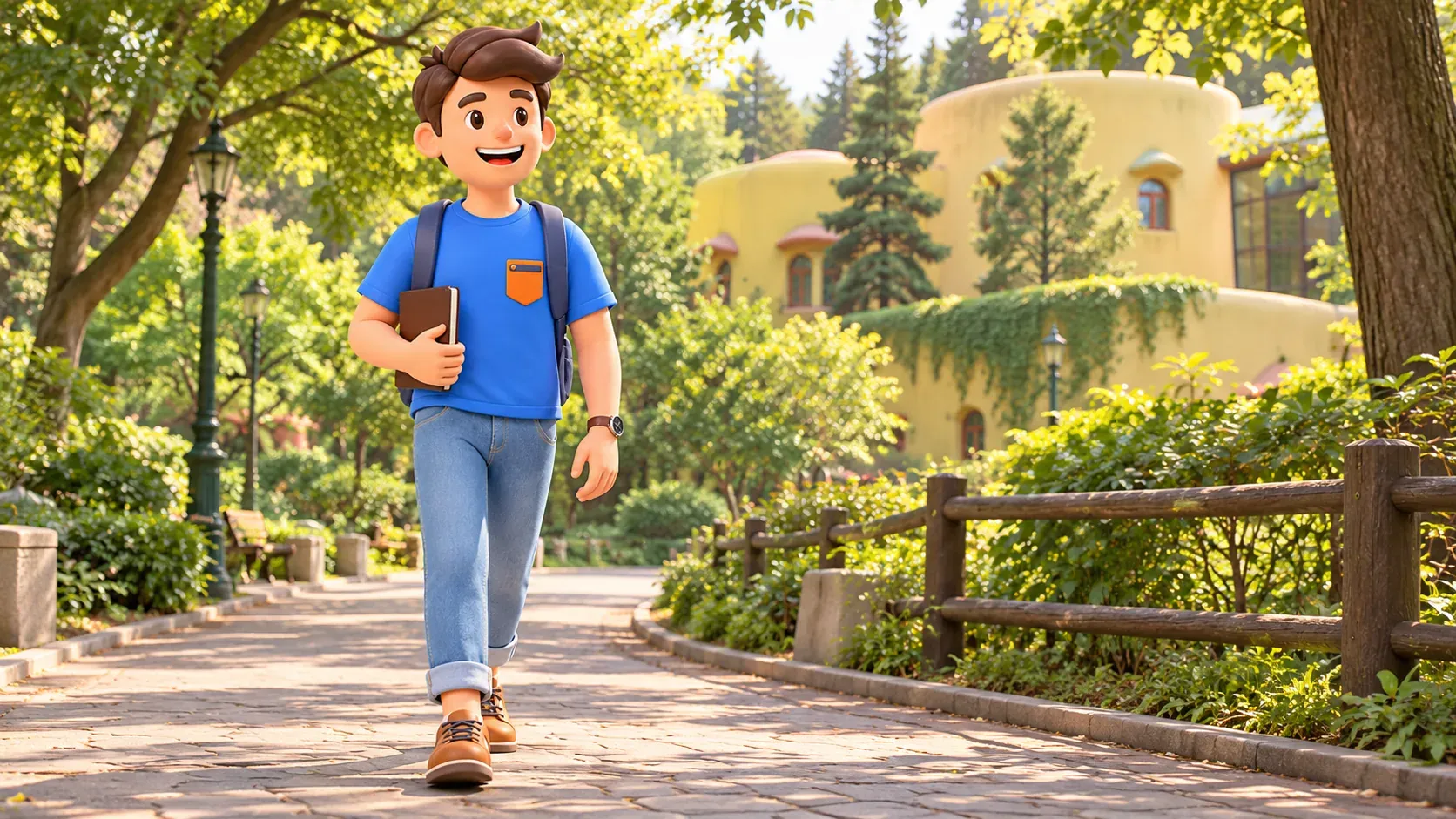
Approach with margin before your confirmed entry. The official address is 1-1-83 Shimorenjaku, Mitaka. Make sure the saved destination is the actual museum rather than a similarly named shop or themed cafe elsewhere in Tokyo. Follow visitor directions and current staff instructions on arrival. Recognising the building is not a substitute for reading the admission process that applies to your own booking.
Inside, do not expect to reproduce a walk through scenes from one particular film. The museum explores the world of animation and offers its own sequence of encounters. The official website describes short films at the Saturn Theatre; check current information for the actual programme and viewing conditions. Do not promise yourself a specific title merely because someone saw it during another month or an older report describes it.
Choose a few things to notice: the handling of movement, small spatial details or your response to what you see. You do not have to recount the entire museum afterwards. If your group has different levels of interest, discuss pace and a suitable meeting arrangement within the site's rules. One person's wish to examine everything closely should not automatically require everyone else to spend an indefinite period waiting.
Read current rules about photography, food, luggage and accessibility before visiting and follow them on site. Ordinary park habits do not automatically transfer to a museum. Shopping and a cafe stop, if you choose them, take real time and cannot simply be added on top of a long visit without affecting the rest of the day. Afterwards, leave room to return to the trees and rest.

Without a ticket, do not organise the day around missing entry
Without admission, let the park remain the main thread. Choose a pond section, a quieter tree-lined path and a suitable break. You do not need to walk beside the museum boundary merely to prove you reached it. An exterior look can remain optional when it fits naturally, without implying free access to museum grounds or features beyond the boundary. Avoid turning the alternative into a prolonged reminder of an unavailable visit.
A simple activity is to sketch a reflection, note a few details in a notebook or compare two views of the water. Artistic skill is unnecessary. The aim is to linger rather than produce something for evaluation. Simply sitting is enough if that is what you want. A park day does not require another purchase or compulsory attraction to become valuable, particularly after several densely scheduled city days.
Choose boating or other additional activities only after checking the operator's current availability, conditions and queue. They are not included in the basic duration or guaranteed by the weather. With children, explain that an extra activity is a possibility rather than the promised main event. A temporary closure then does not undo a day designed around walking, water and spending unhurried time together.

Make lunch a genuine interval
Choose an open place near a convenient park exit or in Kichijoji according to its current menu, price and queue. A famous cafe need not be a compulsory sequel to the museum. After a long exhibition your group may prefer something simple and quick; in the park version an unhurried meal may be the main pleasure. Check how people actually feel rather than insisting on a previously attractive sequence of names.
Separate rest from planning the next attraction. Find a comfortable place, eat and only then decide how much more walking you want. This is especially useful after a museum: a dense indoor environment and an open park ask for different attention. A little unreserved margin makes it possible to choose the right length instead of following a programme only because it has already been written down.
Use RoadMe to develop a personal programme around your interests, with a sensible share of the day for museum, park and rest. The app helps prepare a journey at your pace: without a ticket the walk can stand alone, while a confirmed museum visit can take priority.
Let Kichijoji be a modest continuation
After the park, you can head towards Kichijoji and look at ordinary neighbourhood streets. This need not become a separate comprehensive shopping and restaurant tour. Choose one or two simple interests: a shopfront, coffee or a short walk before the station. A modest finish preserves the day's scale instead of making every remaining part compete with the museum for the last of your attention.
Check the hours of individual businesses if they determine your direction. A public street does not mean every shop door is open, and proximity to a station does not remove the time needed to reach the correct line. If energy is low, finish without another circuit. Water, trees and a city pause already give a complete experience; one more address does not necessarily improve a good day.
Choose the finish before the final minute
The day may end at Mitaka, Kichijoji or Inokashira-koen depending on the route and onward journey. Check the correct line and approach and keep a transport margin. Do not cross the whole park back to the first station merely to create a theoretical loop. If an evening appointment matters, shorten the final shops before the need for a hurried search through unfamiliar streets begins.
The useful result is a day with a clear centre. With a confirmed ticket, it is Ghibli Museum supported by walking. Without one, it is Inokashira Park, rest and Kichijoji without a promise of impossible ticket purchases at the entrance. Both versions can work well when chosen in advance and given real time, rather than trying at any cost to preserve an original plan that never became available.


