
Parco delle Cave: Half a Day beside Water and Greenery in Milan
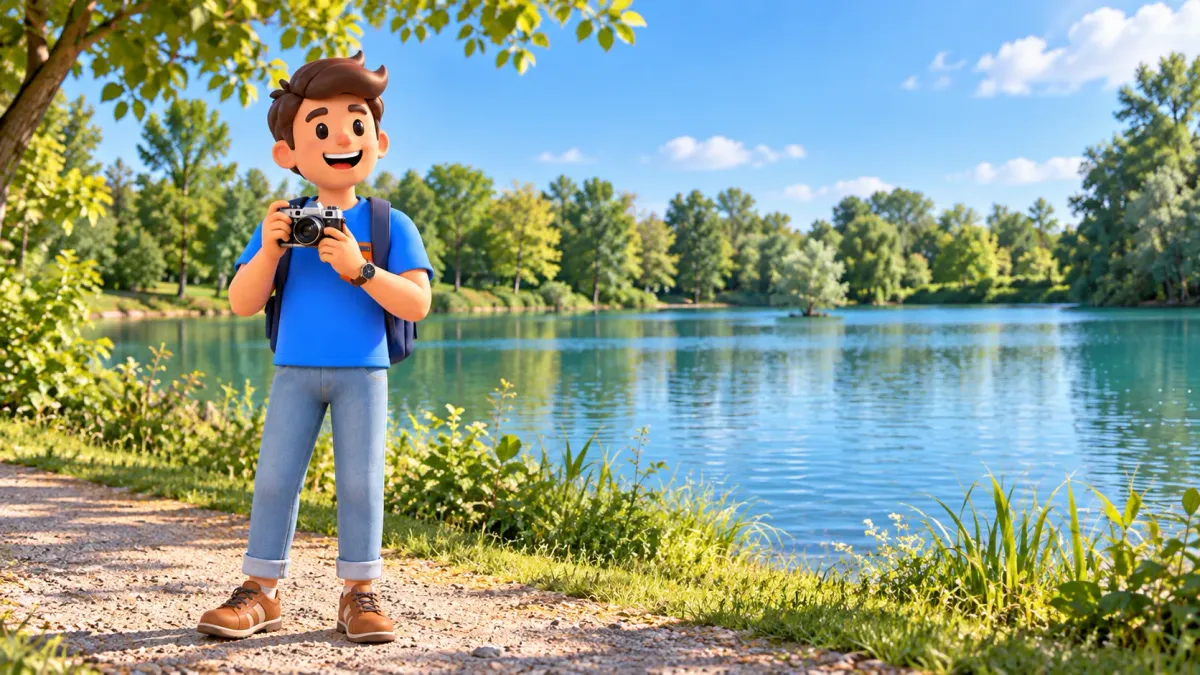
For a half-day beside water and fields without leaving Milan, explore the southern part of Parco delle Cave. Start and finish at Via Cancano, close to Via delle Forze Armate, and make a relaxed circuit around the Cabassi lake area, the public paths beside the natural habitats and the agricultural landscape towards Cascina Linterno. Allow about three hours in the park, with transport added separately. You do not need to see every lake or enter the farmhouse for the outing to feel complete.
A manageable southern circuit, not the whole park
Use this approximate budget: 15 minutes to orient yourself, 35 beside Cava Cabassi, 40 for slow observation along the public nature paths, 40 beside the agricultural area and marcita meadows, 25 to return towards Via Cancano, and 25 for a final rest and spare time. The total is 180 minutes. Depending on your chosen paths, expect roughly 2.5–3.5 kilometres. These are editorial estimates, not a measured walking track or a guarantee about the condition of every path.
If quieter landscapes and time outdoors matter to your Milan trip, try RoadMe for a personal plan using your dates, interests, pace and budget. Planning the whole stay together is more convenient than trying to fit a green half-day between unrelated bookings and overfilled sightseeing lists.
An illustrative daytime window is 09:30–12:30, with the journey from your accommodation outside it. The park is unfenced and described as freely accessible, but specific association grounds, activities and buildings have separate arrangements. Choose public open paths and follow any temporary barriers. This version concentrates on the southern landscape. The northern lakes, Cascina Caldera and a continuation to Boscoincittà would make a longer outing, not a few effortless extra stops within the same three hours.
The order is Cabassi first, the natural area beyond it, then the public edges of the agricultural landscape towards Linterno before returning south to the start. It is a framework for a slow walk, with time spent looking as well as moving. If energy or weather changes, keep the lake section and return by the same open path. Knowing your way back is more useful here than reaching a predetermined number of features.
Arrive at Via Cancano with the last leg planned
Save the start as Via Cancano near Via delle Forze Armate, on the southern side of the park. A general pin for Parco delle Cave can point to a different entrance and change the whole approach. The M1 station Bisceglie is a useful reference for reaching western Milan, but it is not a park gate. Check the current final bus or walking connection to the chosen start, and include that extra leg in your travel time.
Look up the return as well, especially if you intend to leave from a different side. For this first circuit, returning to Via Cancano keeps the transport arrangement simple. At the entrance, compare the local plan with the lake and agricultural area before setting off. The route does not require cutting through an association compound or across a field. A path ending at a gate is a reason to retrace or use the public alternative, not an invitation to continue through it.
Bring water and a modest snack rather than depending on a particular kiosk. The park information does not promise a permanent café at every entrance; association hospitality follows its own conditions. Shoes with a dependable grip are useful because unpaved ground can change after rain. If a step-free route, toilets or a particular rest arrangement are essential, confirm those details for the actual approach. A large green area should not be presented as a complete accessibility assessment.
Cava Cabassi: a lake with an excavated past
The name Parco delle Cave refers to quarries, rather than underground caves to explore. Sand and gravel extraction began in this part of Milan in the twentieth century, with different basins developing at different stages. The water bodies are part of that altered ground. At Cabassi, the first useful question is how a place once associated with extraction became a setting for recreation and nature. It gives the broad view across the water a more specific Milanese story.
The transformation was gradual and involved the municipality, local associations, residents and Italia Nostra’s urban forestry work. Planning and recovery developed across decades, with major work in the 1990s. Avoid imagining that a single ribbon-cutting turned every abandoned quarry into a finished landscape at once. The park’s mixture of water, woods, working land and association spaces reflects a more complicated process. That mixture is also the reason to slow down rather than search for one formal garden centrepiece.
Spend the first lakeside section on the public paths, keeping back from the bank and allowing other walkers to pass. Look at the relation between open water, low vegetation and the tree line. You do not need to circle every metre of the shore. This is a waterside outing, not a swimming or boating plan. The park’s published rules do not make those activities generally available, and a fishing association operating at a lake is not evidence of public bathing access.
Observe the natural area without forcing an encounter
Continue beyond the Cabassi area on the public paths bordering the natural habitats. The association’s own route description links Via Cancano, Cabassi, the natural area and the agricultural land around Linterno in a circuit. Use the actual open route rather than following an animal trail into reeds or shrubs. The change from a broad lake view to closer vegetation is part of the experience, even if no conspicuous bird appears during your visit.
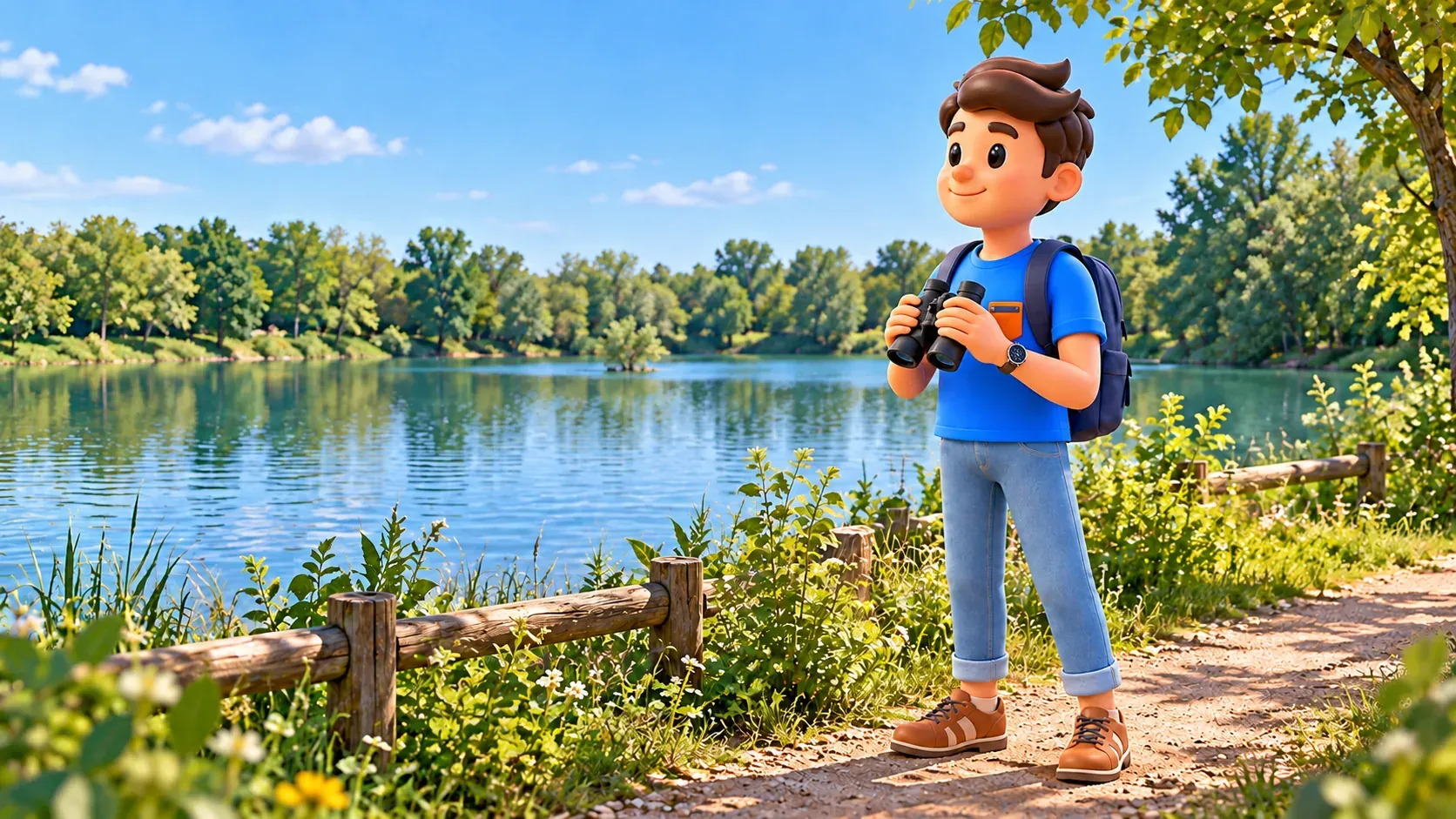
The municipality identifies the park as a habitat for waterbirds, amphibians and reptiles. That makes a quiet observation stop worthwhile, without guaranteeing a particular species. Binoculars help you look from a distance; they do not require a special platform or a hidden viewing point promised by a guide. Choose a stable position off the main walking line and wait. Watch movement at the water’s edge, listen, then move on when you are ready instead of pursuing a photograph.
Keep to permitted paths, leave nesting places undisturbed and do not feed wildlife. A park inhabited by animals is not a petting area. With children, turn the pause into a simple looking exercise: compare a reflection with the real tree, notice a ripple or count the different sounds without trying to identify everything. Forty minutes here includes walking and stopping. It is not a demand to remain motionless or an assurance that the landscape will deliver a dramatic sighting on schedule.
The marcita meadows explain another kind of water
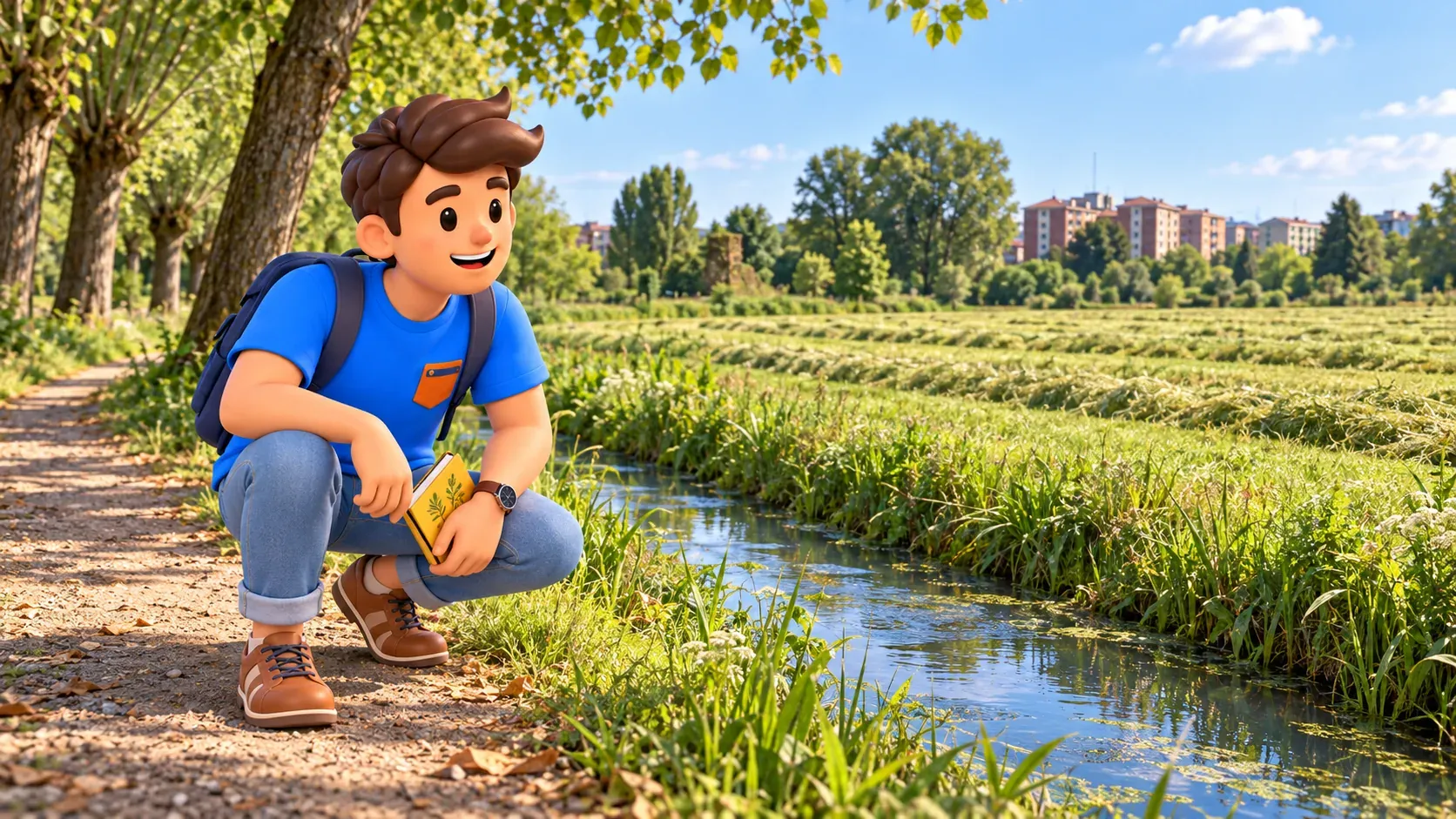
Head towards the public paths beside the agricultural landscape associated with Cascina Linterno. The marcita is an irrigated meadow, shaped and maintained by people. Its channels spread a thin, controlled flow of spring water across the grass; traditionally, that winter flow helped protect vegetation from cold and supported repeated cutting. This is different from an ornamental pond or an accidental patch of wet ground. A field and a small channel can carry as much history as a building façade.
Look from the path at the relationship between the watercourse, the level of the meadow and the rows of trees. The amount of visible water and the appearance of the grass change with management and season. Do not promise an equally flooded scene every month. Nor does a cultivated surface become public walking ground because it lies within a park. Stay on the permitted edge, without stepping across a channel or entering the field to recreate a photograph.
This part of the outing puts the city’s rural inheritance in view. Nearby housing and working land can exist in the same frame. You do not need to remove the buildings mentally to appreciate the landscape. The contrast helps explain what has survived and what continues to be maintained. Spend the allotted 40 minutes on the public approach and observation, then turn back towards the southern start before an unplanned extension takes you into another part of the park.
Cascina Linterno is an optional visit with its own access
Cascina Linterno stands at the south-eastern edge of the park, at Via Fratelli Zoia 194. Its association organises cultural and nature activities, but the buildings are not continuously open with the surrounding green space. The published regular opening for the association headquarters and small church is Saturday 15:00–18:30 and during scheduled activities. A morning walk therefore should not depend on entering. Check the actual programme or contact the association if an interior visit is important to you.
The association offers guided visits connecting the farmstead, agricultural landscape, woods and lakes. Choose an actual available activity if you want that deeper explanation, and allow its own start time and duration. It can replace the independent circuit rather than being added without extra time. Our daytime version remains complete without entering a courtyard, small museum or church. You can understand the relationship between farmstead and fields from the permitted public landscape and return when an appropriate programme is available.
To balance nature, rural history and the parts of Milan you most enjoy, use RoadMe to prepare a personal day-by-day trip plan around those interests. It becomes easier to give this quieter outing its own space while keeping the rest of the stay practical and coherent.
Fireflies belong to a separate seasonal evening
Parco delle Cave is also known for firefly walks. The Linterno association describes the usual observation period around mid-May to mid-June and organises its Lusiroeula evenings through a yearly programme. Those guided events require booking under their published conditions. They are not a daily, year-round attraction, and no display can be guaranteed. A daytime autumn or winter visit should be chosen for the landscape itself rather than for an evening phenomenon outside its normal season.
If you plan a firefly outing, use the current year’s actual dates and instructions. Historic pages may retain old meeting arrangements or restrictions that no longer describe the present programme. Keep to the designated paths and follow the organisers’ guidance on quiet movement, torches and photography. The three-hour morning circuit in this article is a different visit; adding darkness to the end does not turn it automatically into a suitable or authorised wildlife excursion.
A final pause, then return without another park
Use the 25-minute return allowance to regain Via Cancano, and keep the final 25 for rest and any time already used on observation. Carry your rubbish out and keep belongings away from the walking line. Fishing, archery and other association activities have their own membership or participation conditions. They are not spontaneous extras included in free park access. The same applies to association picnic or barbecue spaces: do not plan on using them without the required arrangements.
Leave with enough daylight and a clear onward journey. For a different green day, our Monte Stella and Portello walk compares two artificial hill landscapes. For a more architectural outing on the city’s edge, the Chiaravalle half-day follows another relationship between buildings and agricultural land. Parco delle Cave can keep its own morning: quarry water, natural habitats and irrigated meadows are already enough to show another Milan.


