
Meiji Jingu and Yoyogi: a Green Half Day in Tokyo
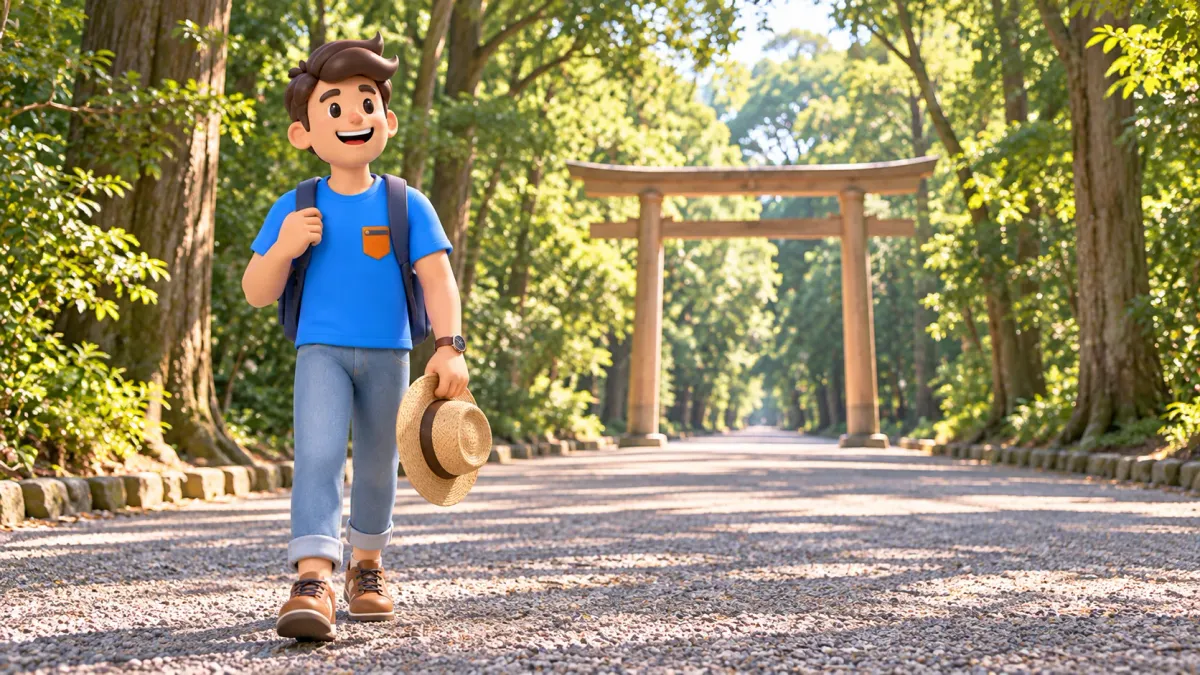
Meiji Jingu and Yoyogi Park make a useful half-day walk when you want trees, a little history and room to slow down in central Tokyo. Begin with the shrine, decide whether its separately managed Inner Garden deserves more time, then move to Yoyogi for a different kind of green space. The pleasure is in changing pace without travelling across the city.
This is a local outing rather than a list of every attraction around Harajuku. Keep the architectural shops of Omotesando for another walk. Here the main choices are simpler: a sacred forest approach, the shrine itself, an optional garden and an easy park finish. You can enjoy the route without treating every path as a compulsory stop.
Give the shrine priority and keep the park flexible
A convenient starting area is Harajuku or Meiji-jingumae, using the currently open pedestrian approach to the shrine's southern entrance. Walk inward to the main buildings, return toward the southern side when appropriate and reach Yoyogi through a public park entrance. These are neighbouring places with different boundaries, not one uninterrupted estate that you can cross anywhere.
For an easier trip to organize and enjoy, try RoadMe: the app prepares a personal itinerary around your interests, travel dates, pace and budget. Give a quiet green morning the right place in the whole journey instead of trying to connect separate attraction lists yourself.
Allow roughly three to four hours for the outing, including walking, a proper pause and an optional garden visit. This is a planning estimate, not a measured walking time or a promise about queues. Travel from your accommodation comes on top. With less time, keep the shrine and a small piece of the park; with more, deepen the garden visit rather than adding distant districts.
| Part | Purpose | Decision |
|---|---|---|
| Forest approach and shrine | The main cultural visit | Protect sufficient daylight |
| Inner Garden | A closer landscape encounter | Add only within its own hours |
| Yoyogi Park | An open, informal finish | Choose a modest loop and a rest |
Arrive for the gate time, not just the station
Meiji Jingu's grounds are free to enter, but their opening times change with the month. For example, the published October schedule is 05:40–16:40; November is 06:10–16:10. Those early closing times matter if you are imagining a late afternoon walk after a long lunch. Check your actual month before building the rest of the day around it.
A station arrival is not a shrine arrival. The entrance, forest approach, main buildings and return route all take time. Avoid putting a distant restaurant reservation immediately after the visit on the assumption that the shrine stands beside the platform. The final section back through the grounds is still part of the outing, even after you have finished looking at the sanctuary.
Starting earlier can leave more freedom later, but dawn is not necessary for a successful visit. Choose an hour that your group can realistically reach, with time to walk without hurry. If the Inner Garden is important, remember that its separate opening period does not simply match the outer gates. Very early access to the grounds does not mean every facility is open.
The forest is part of the story
The trees around Meiji Jingu can feel like an old natural refuge. The forest was deliberately planted, with trees donated from across Japan and a long view of how they would grow together. That changes the walk: you are seeing a landscape planned to develop over generations, not just a convenient strip of shade beside a famous building.
Let the approach do some of the work. Notice how the canopy changes the light and how much walking space separates the city edge from the shrine. You do not need to identify every species or photograph every turn. One attentive stretch, with the phone put away, often makes the contrast easier to understand than a succession of hurried pictures.
Stay on the permitted paths. The forest is not an invitation to explore between the trees, collect leaves or take home a small branch. A good observation point is one you can reach without crossing a barrier. Keep the walk gentle and leave running or other sporting plans for a suitable place outside the sacred grounds.
Understand the shrine without turning the visit into a lesson
Meiji Jingu is a Shinto shrine established in 1920 in honour of Emperor Meiji and Empress Shoken. That short piece of context is enough to begin understanding its place in Tokyo. It commemorates figures connected with Japan's modern era, while the wooded approach creates a feeling quite different from the nearby commercial streets.
At the main buildings, leave room for people who have come to worship. If you do not wish to take part in religious practices, quiet observation is a perfectly sensible way to visit. Follow current notices and staff guidance. A ceremony or other activity is not a performance arranged for a visitor's camera, and access to any area should never be assumed.
Photography and video are not allowed at the main sanctuary where people pray. Do not build the outing around obtaining that particular image. Elsewhere, check the local notices before taking pictures and keep the path clear. Food and drink belong only in designated areas within the shrine grounds, so save the casual picnic atmosphere for an appropriate later stop.
Choose the Inner Garden for attention, not completion
The Inner Garden is an optional visit with a separate maintenance contribution. Do not mistake the free shrine grounds for free access to every area inside them. You can have a complete and rewarding outing without entering the garden; add it because you want a more concentrated landscape visit and have enough unhurried time to appreciate it.
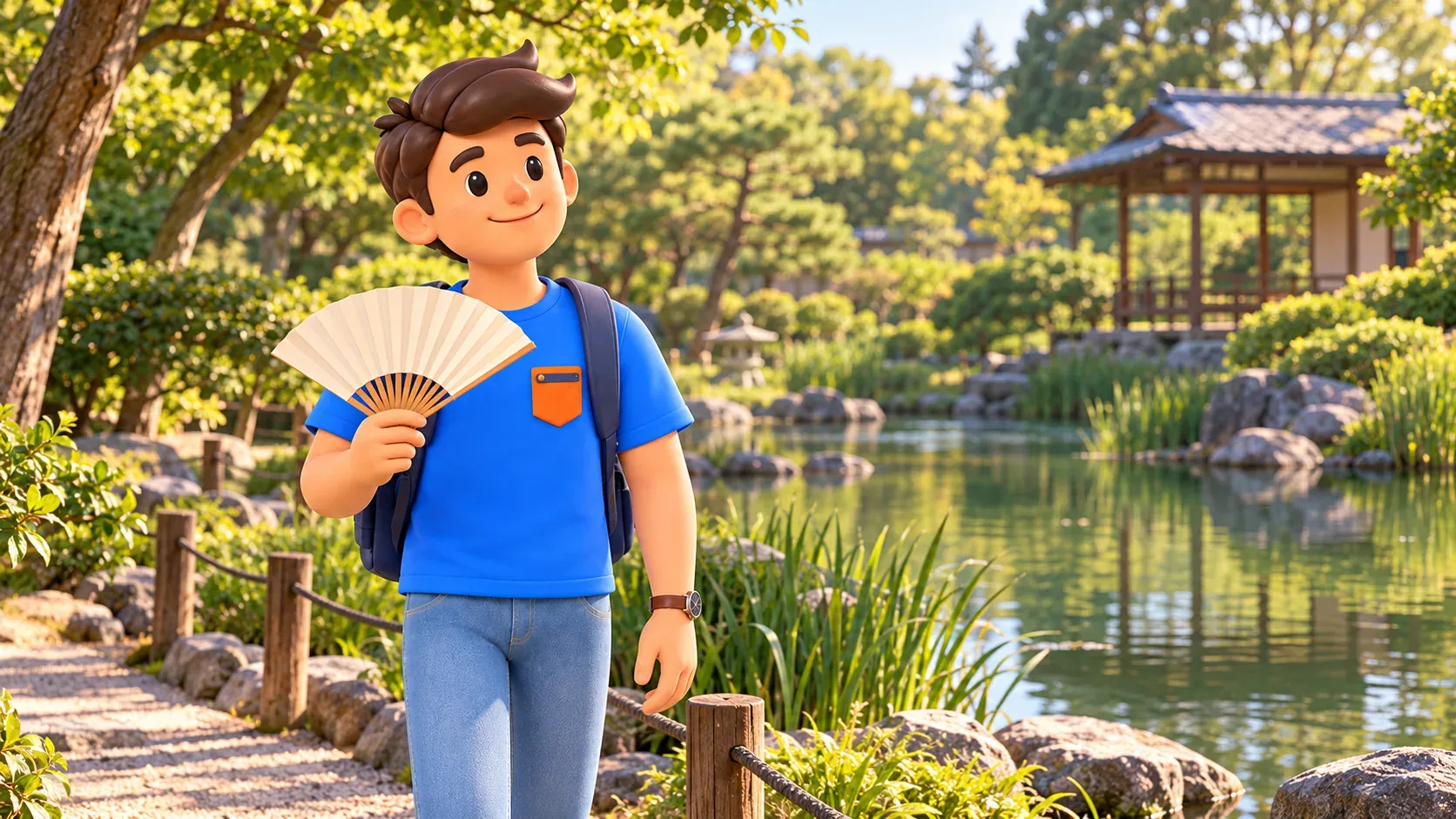
The garden was shaped in part for Empress Shoken. Its pond, paths and seasonal planting reward a closer look than a quick diversion on the way to somewhere else. Rather than attempting every named feature, choose a comfortable section and look at how the water, vegetation and route through the landscape work together. The extra stop should change your experience, not merely lengthen a checklist.
June is associated with irises, while other parts of the year offer different reasons to look at the garden. Flowering is seasonal, not a permanent display or a guaranteed condition on your travel date. If you are arriving outside a flower season, decide whether the landscape itself interests you. There is no need to buy extra access merely because a photograph online looked spectacular.
The garden has its own clock
The standard published garden hours are 09:00–16:30 from March to October and 09:00–16:00 from November to February. June has an extended schedule: 08:00–17:00, with closing at 18:00 on Saturdays and Sundays. Use the current notice for your date and leave time to finish the paths before closing; a closing time is not a suggested arrival time.
If you enter the shrine grounds very early, you may reasonably visit the main buildings first and consider the garden later. If you arrive in the afternoon, make the garden decision before spending a long time elsewhere. A short remaining window is a good reason to skip the optional visit, not a challenge to see how quickly you can cover it.
For a group with different interests, agree on the choice before reaching the entrance. One person may want seasonal planting, another a longer park rest. The half day works best when everyone knows which part matters most. Avoid splitting up without a clear meeting place and allowing an optional garden stop to consume the time needed for the main outing.

Move to Yoyogi for a change of atmosphere
Leave the shrine by a suitable public exit and approach Yoyogi Park through an actual park gate. The two green areas have separate management and rules. A nearby point on a map does not establish a direct crossing through woodland or fences. A short, clear return toward the southern approach can be more useful than trying to improvise a shortcut.
Yoyogi offers a broader, more informal setting for an easy walk and a pause. Its history includes use as the athletes' village for the 1964 Tokyo Olympics before becoming a park. That background adds a small layer of meaning without requiring a hunt for every memorial. The open spaces are also simply useful after the more focused shrine visit.
The public park is normally always open and general entry is free, while some facilities have separate fees or schedules. That does not guarantee access to every path or service: works, events and local notices can change the day. For this outing, choose the wooded park area and a manageable loop. Do not mistake the sports and event areas across the road for compulsory additions.
Make the pause an actual part of the plan
Find an appropriate place to sit, check the group's energy and decide how much more walking feels enjoyable. A drink or a simple meal can belong here, subject to local rules and available facilities. You do not need a famous cafe or a long queue to make the stop worthwhile. Rest has a practical purpose when a trip contains several days of walking.
To fit this slower outing into a personal Tokyo trip, use RoadMe to prepare a plan around the places you enjoy, your dates and your preferred pace. It is a more convenient way to balance gardens, culture and rest across several days than repeatedly rebuilding a schedule from separate suggestions.
For children or anyone tiring quickly, a small park section can be enough. If smooth surfaces, step-free access or a nearby toilet are essential, check the current visitor maps and facilities before choosing the loop. A green area can still involve gravel, distance and weather exposure. Adapt the walk to the people taking it rather than assuming every path suits every visitor.
Finish while the day still feels light
Return toward a useful Harajuku or Meiji-jingumae connection, or choose another suitable public exit and station after checking the route. There is no reward for ending at the farthest possible edge of the park. If an evening booking matters, work back from that commitment and allow a sensible connection instead of adding one final viewpoint.
On a hot or rainy day, shorten the exposed park portion and keep the main visit comfortable. If official weather or closure advice affects the grounds, move the outing rather than assuming trees provide safe shelter in every condition. For a wider city plan, place this quiet half day beside other districts on different days, leaving the local walk enough space to remain enjoyable.


