Which Marseille museum should you choose if you only have time for one?

Choose Mucem for Mediterranean societies, the History Museum for Marseille’s own story, Cosquer for a structured encounter with reconstructed prehistoric images, Fine Arts for earlier painting and sculpture, or Cantini for modern art. The best choice depends on what you want to spend time with, the format you enjoy and whether the museum is actually available on your date.
One museum can give a half-day its centre without needing another collection immediately afterwards. Leave time to arrive, eat nearby and return comfortably. The suggested durations here are editorial allowances for selected viewing, not official complete-visit times. Actual opening, room availability, booking and the needs of your companions take priority. The five choices below are alternatives in different parts of Marseille, not a walking circuit to complete.
Choose an interest, then check the real visit
Begin with a question you would enjoy following. How do Mediterranean people live and exchange ideas? How did this harbour city develop? How can a replica make ancient images accessible? Would you rather look closely at earlier paintings or modern experiments with colour and form? A museum name alone does not answer those questions. Read the actual exhibition or presentation and choose one manageable part.
Opening is an essential filter. At the check on 24 October 2026, Marseille’s History Museum announces closure until further notice; Fine Arts and Cantini announce exceptional closure for that date. Their options below apply only when an actual visit is possible after the relevant opening has been confirmed. An automatic open label or a future event does not override a specific closure notice.
Think about the format as well as the subject. Free movement between paintings differs from a timed arrival and a ride that cannot be left halfway. A free municipal collection has different admission conditions from a paid activity or temporary exhibition. Check language, access and the actual part you want before choosing transport. A practical outline is one main museum, one nearby meal and, if it suits the weather and energy, a short local pause.
Let RoadMe work out your complete personal Marseille itinerary around your interests, available days and pace. In the app, it is much more convenient to give the right museum its place within the whole trip, alongside neighbourhood walks, food and rest.
Mucem: Mediterranean societies with a contemporary setting
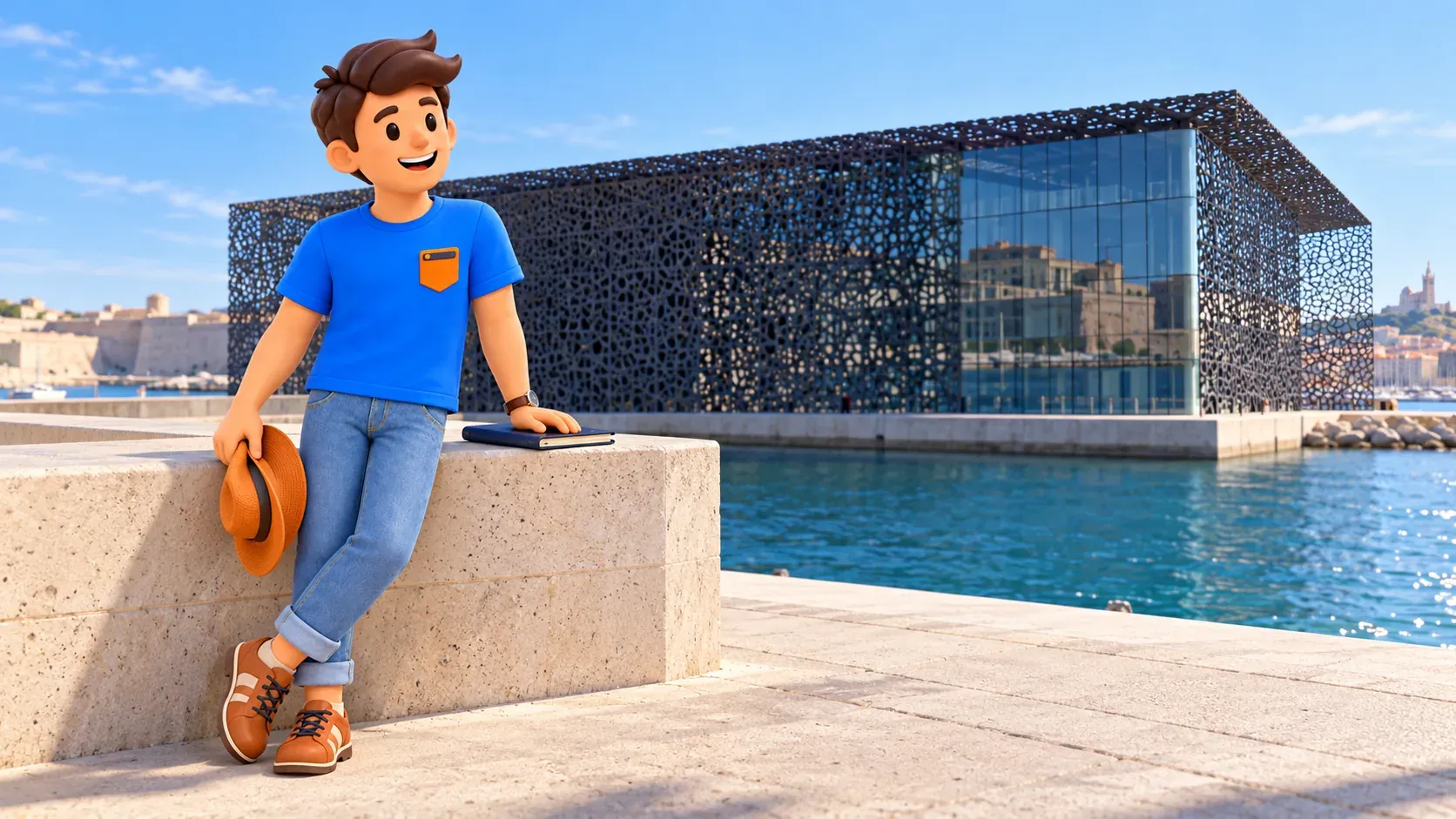
Mucem is a strong choice when people, objects and cultural relationships interest you as much as individual artworks. It is a museum of society, using thematic questions and everyday things rather than functioning only as a painting gallery. Choose the actual exhibition that appeals and follow one thread through it. The Mediterranean becomes a space of connections to think about.
The J4 opened in 2013, designed by Rudy Ricciotti with Roland Carta. Its dark concrete lattice gives the approach its distinctive character, but an exterior architectural walk does not equal a visit to the exhibitions. Indoor admission and free outdoor spaces have different conditions. The usual Tuesday closure, calendar exceptions and seasonal hours need checking. Confirm the J4 visit separately from Fort Saint-Jean. At the dated check, the fort’s specific page reports an exceptional closure; a generic opening label elsewhere is not permission to cross through it.
Allow about an hour and a half to two hours for a selected indoor exhibition as an editorial starting point, with arrival, food and your city journey added. A large show or a strong interest can take longer. Our Mucem and Fort Saint-Jean half-day develops a broader outing when its parts are available. Here, the exhibition may carry the visit by itself. Exposed ramps, bridges and terraces remain optional, with weather and access conditions of their own. The lattice does not make those outdoor areas a dry indoor corridor.
The History Museum: understand the city through its port
The History Museum suits a visitor who wants the next walk through Marseille to make more sense. Its relationship with the Antique Port near Centre Bourse connects the city’s past to the present urban fabric. The subject is the development of Marseille and its successive layers, not just a room of unrelated old objects. When a visit is possible, choose a period or a theme and spend time with a few telling pieces.
At the review on 24 October 2026, the museum remains exceptionally closed until further notice. A programme listing an exhibition or later family event does not confirm reopening. The owner also reports the lift on Rue Henri Barbusse out of service. If that access matters, confirm a suitable actual entrance before planning the journey. Keep this option for a visit after opening has been established. Ordinary weekly hours do not settle a special closure. The distinction saves you from arriving with a plan that cannot be used.
After confirmed reopening, an editorial block of around an hour and a half to two hours can cover a selected part, without claiming the whole museum fits into that time. Keep a meal in the same area. The archaeological site is outside and has its own access; looking towards remains does not substitute automatically for the indoor story. Do not walk onto ruins or assume every outdoor route is open. A focused museum visit can be the main experience, with a short local look only when it is permitted and useful.
Cosquer: prehistoric images in a structured replica visit
Cosquer Méditerranée is for an interest in prehistoric imagery and the way a reconstruction can share an inaccessible original. The real decorated cave is closed to ordinary public visits; the experience is a replica, not diving into the original or entering a natural cave below Marseille. Reconstructing the setting brings images into a visitor format while the original remains in a difficult environment.
The cave portion lasts thirty-five minutes in an exploration module with subdued light and no possibility of getting out during the circuit. Children under three cannot join that part. For any child and for particular mobility needs, confirm the current conditions and suitability before booking. The module transfer has specific requirements; an accessible building does not mean identical use of every component. The time on the ticket is the arrival time at the site, not boarding. Confirm the actual language and the practical sequence rather than building the day around an assumed immediate departure.
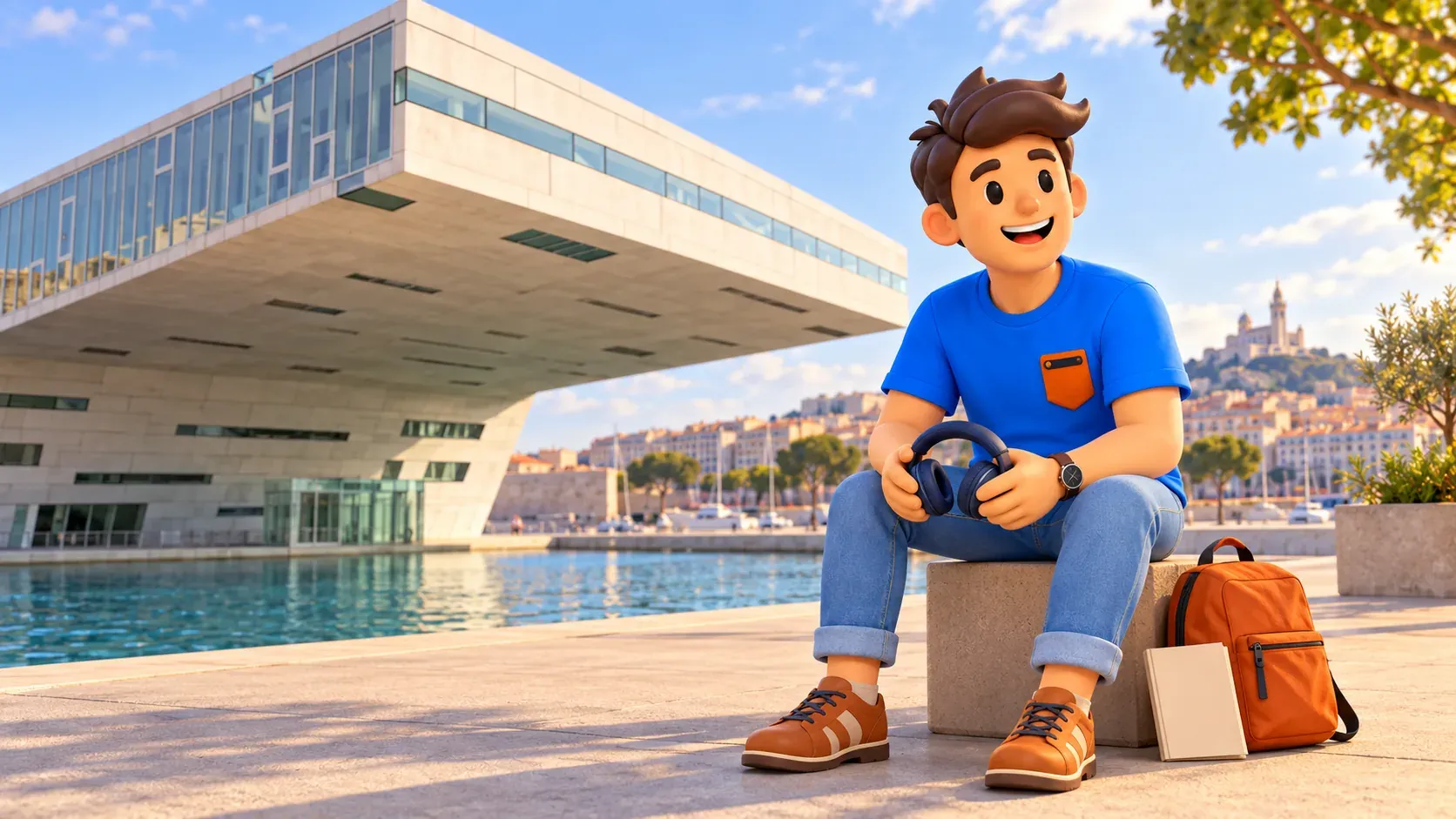
A complete modest visit can receive an editorial two-to-three-hour block, including the thirty-five-minute ride and allowing for the actual offer, film and interpretation areas according to your interests. It is not a claim that the operator promises one fixed duration for everyone. Add food and actual travel separately. Cosquer occupies the white cantilevered Villa Méditerranée, distinct from the neighbouring dark J4 of Mucem. They are close enough to confuse entrances but do not need to be visited together.
Fine Arts: earlier painting and sculpture at Longchamp
The Musée des Beaux-Arts is the choice for attention to painting and sculpture from the sixteenth to nineteenth centuries. Founded in 1801, the museum has occupied the left wing of the Palais Longchamp since 1869. Choose a visual question: how a painter uses light, constructs a scene or presents a landscape.
Confirm opening and available rooms. The museum announces exceptional closure on 24 October 2026, despite an automatic open label elsewhere on the page. Strong wind can also close Longchamp park and prevent museum access. This is an option for a genuinely available visit, not an automatic indoor fallback in any conditions. The left-wing art museum is distinct from the Natural History Museum in the palace’s right wing. Choose the institution you mean, with its own entrance and notices, rather than treating the palace name as one universal museum ticket.
An editorial hour to an hour and a half can suit selected viewing; a deeper art interest will need more. Permanent collections are normally free, while temporary displays or activities require their actual conditions to be checked. Our Longchamp half-day develops a broader palace and park outing. If only one museum fits today, let the chosen rooms be enough, adding a small permitted outdoor pause when conditions allow. The trip to Longchamp and back remains separate, especially when your accommodation or next appointment lies near the Old Port.
Cantini: modern art and the actual presentation
Choose Cantini for modern art and experiments in colour, shape and pictorial space. The collection includes strands such as Fauvism, early Cubism and later developments, while the actual hanging changes. A favourite painting in a collection database is not a promise that it is on view. Read the current presentation and decide what interests you now. One useful approach is to look at how an artist reorganises a familiar landscape.
The museum is at 19 Rue Grignan in a mansion built in 1694. It grew from Jules Cantini’s 1916 bequest to Marseille, linking the collection to a local collector and the city around it. The current programme considers modern and contemporary creation through Marseille and its exchanges. Keep the real display as your guide, rather than assuming an unchanged set of rooms. This makes Cantini a different choice from Fine Arts at Longchamp: select the periods and ways of seeing that attract you instead of taking both simply because both contain paintings.
Cantini announces exceptional closure for 24 October 2026; confirm your own date before travelling. Its normal Monday closure has stated exceptions. When available, around an hour to an hour and a half is an editorial beginning for selected viewing. Permanent collection admission is normally free, with other displays and activities checked separately. Leave room for a meal nearby and a comfortable return.
RoadMe can prepare the whole personal trip with your preferred mix of culture, city discoveries and quieter time. Use the app to organise the days more conveniently and efficiently around the experiences you have chosen and confirmed.
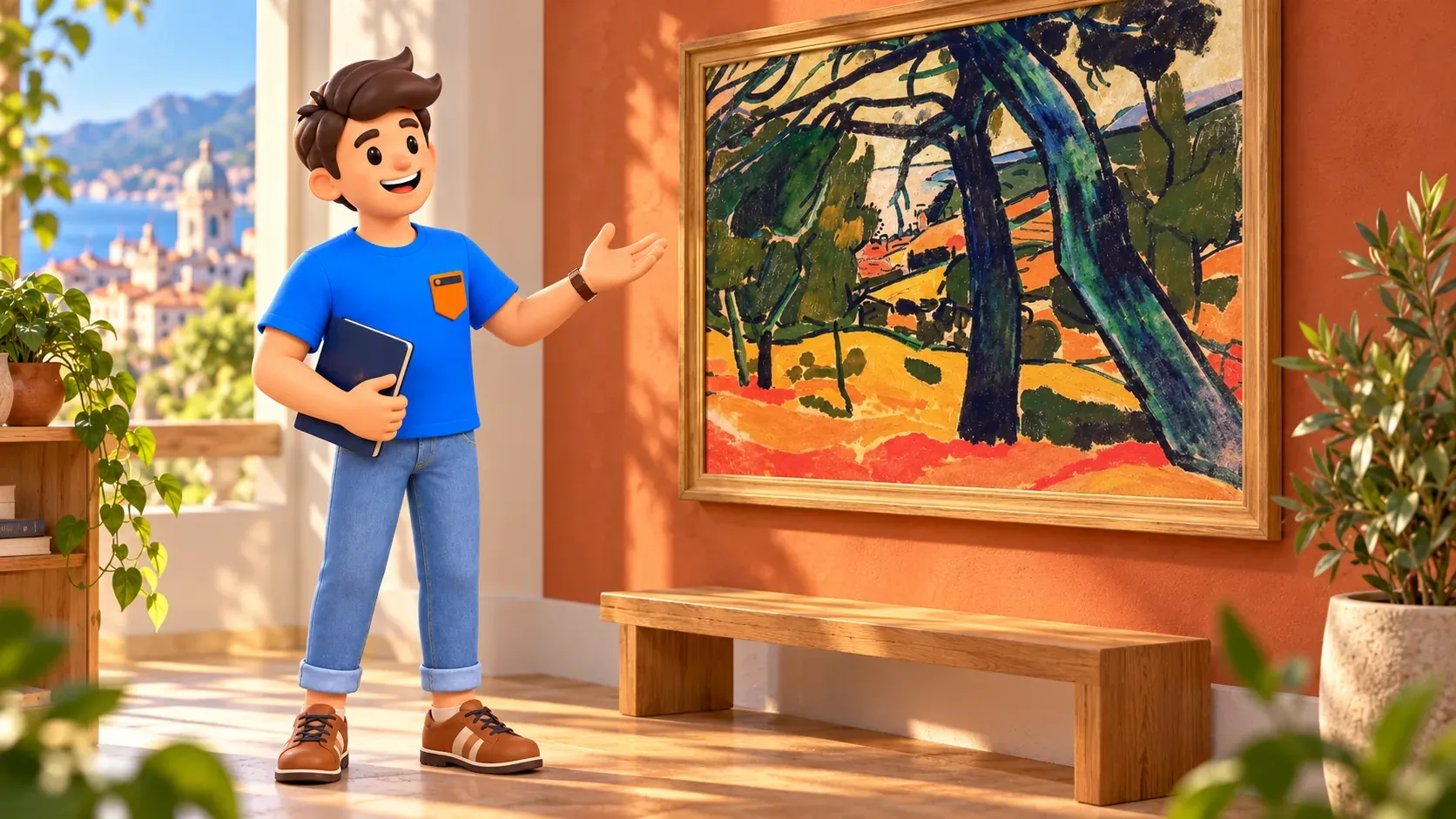
Give one museum enough time and a comfortable finish
First confirm the museum and selected activity are actually available. Then put the real journey, entrance and any reservation into the day before another attraction. For a flexible collection visit, choose one theme and enough time to stop. For Cosquer, prepare the booked arrival and the module’s particular format, adding the rest of the visit and food. A broad half-day may occupy roughly three to four and a half hours from the selected area, depending on the choice and pauses, with city travel additional. This is a planning range rather than a measured complete itinerary.
Keep the meal and optional short walk close to the museum chosen. At Longchamp, a permitted palace or park pause differs from transferring back to a central collection. Near the J4, a brief ground-level look does not require adding every terrace and the fort. At Cantini or the History Museum after reopening, stay with the surrounding area. Use current access information for mobility needs instead of one broad family or accessible label. Check bag rules and the equipment that matters before arrival. These small decisions help preserve the time you wanted for the exhibition itself.
Leave with one idea that can accompany the rest of the trip: a Mediterranean connection, a layer of Marseille’s history, a prehistoric image, a painter’s light or a modern use of colour. Keep the other museums for a future day or another visit. One museum chosen with real interest and suitable conditions is enough to give the city greater depth.