
Las Vegas Before the Resorts: Springs, Fort and Railway

Before the image of casino resorts made Las Vegas famous, water and movement already shaped the valley. Springs supported life, a nineteenth-century fort marked one period of settlement, and a railway helped establish the early modern town. These layers make the city more understandable than the idea that it simply appeared in the desert.
Springs Preserve, Old Las Vegas Mormon Fort and Boomtown 1905 offer different ways into that earlier story. Here, “before the casinos” means before the familiar resort image became dominant, not a claim that the early town had no gambling or entertainment. The purpose is to widen the picture, not replace one simple origin story with another.
Begin with the valley, not a casino opening
Ask first why people lived here and why travelers stopped. Water is an essential part of the answer. Springs and the environments around them mattered long before railway lots, hotel towers or electric signs. Starting there makes later buildings part of a larger history rather than a beginning from nothing.
RoadMe makes it much easier to explore that interest through a personalized route or whole trip based on your time and pace. Let the app work out a coherent plan around the history you want to understand, with room for travel, other interests and rest.
Keep the chronology broad before adding details: Indigenous presence and relationships with the land; nineteenth-century travel, settlement and ranching; the railway town of the early twentieth century. Those are overlapping lives and changes, not a neat sequence in which one group simply disappears when another arrives.
The places discussed here are also not one compact walking circuit. Springs Preserve is separate from the fort in the Downtown area. Boomtown 1905 and the relocated railroad cottages belong to the Preserve, rather than being two additional neighborhoods to find across the city.
Springs Preserve: water makes the location meaningful
Springs Preserve is a modern cultural institution on a site associated with the valley’s historic water supply. It opened to the public in 2007, but the land’s significance is much older. Its museums, landscape and interpretation help visitors connect the origins of Las Vegas with the conditions that supported life here.
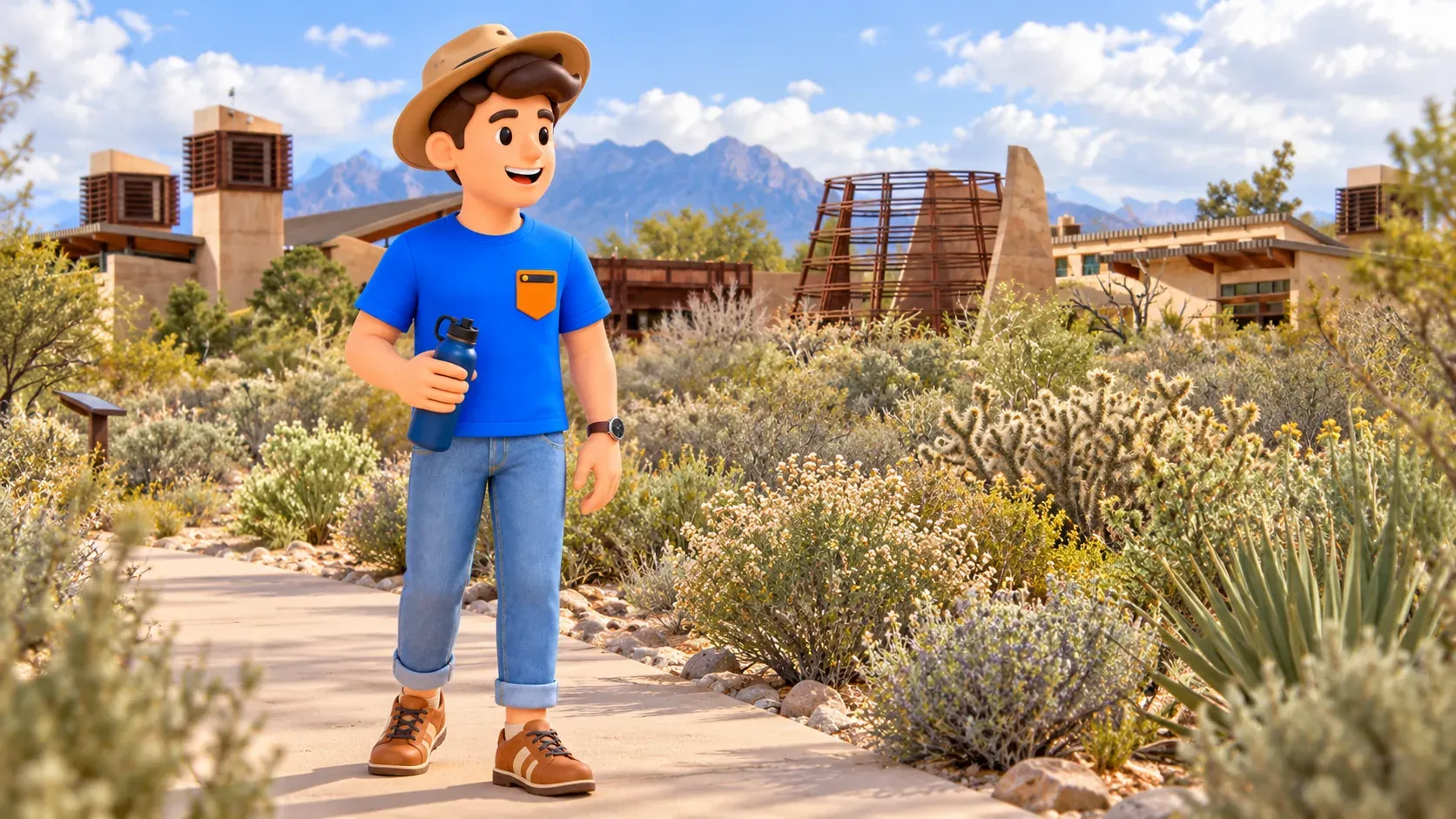
The institution acknowledges that it is on Nuwuvi, Southern Paiute, territory. It also points visitors toward Indigenous communities who continue to live and work in the region. That matters: Native history is not merely a short introduction before the story of newcomers becomes the only story.
Think about water as a relationship between a place and its uses. Gardens, settlements, travel, ranching and later railway operations depended on access in different ways. A spring was not simply an attractive feature in an empty landscape. It helped determine where people could live, stop and organize daily activity.
On a visit, the contemporary desert landscape can encourage a more careful kind of looking. Notice the difference between a present-day cultural garden, an interpreted historical site and the earlier environment described in exhibits. Do not expect every historic stream or meadow to remain visible in its former form.
You also do not need to use every activity at the Preserve to gain that perspective. Choose the water and history theme for this outing, then leave other gardens or museums as optional additions according to your energy. A clear question often makes a large institution easier to enjoy.
The old fort: one chapter, not the beginning of human life
Mormon missionaries built an adobe fort beside a spring-fed creek in 1855. Nevada State Parks describes it as the valley’s first permanent non-Native settlement. That qualification is essential: people were already living in and using this landscape before the fort was built.
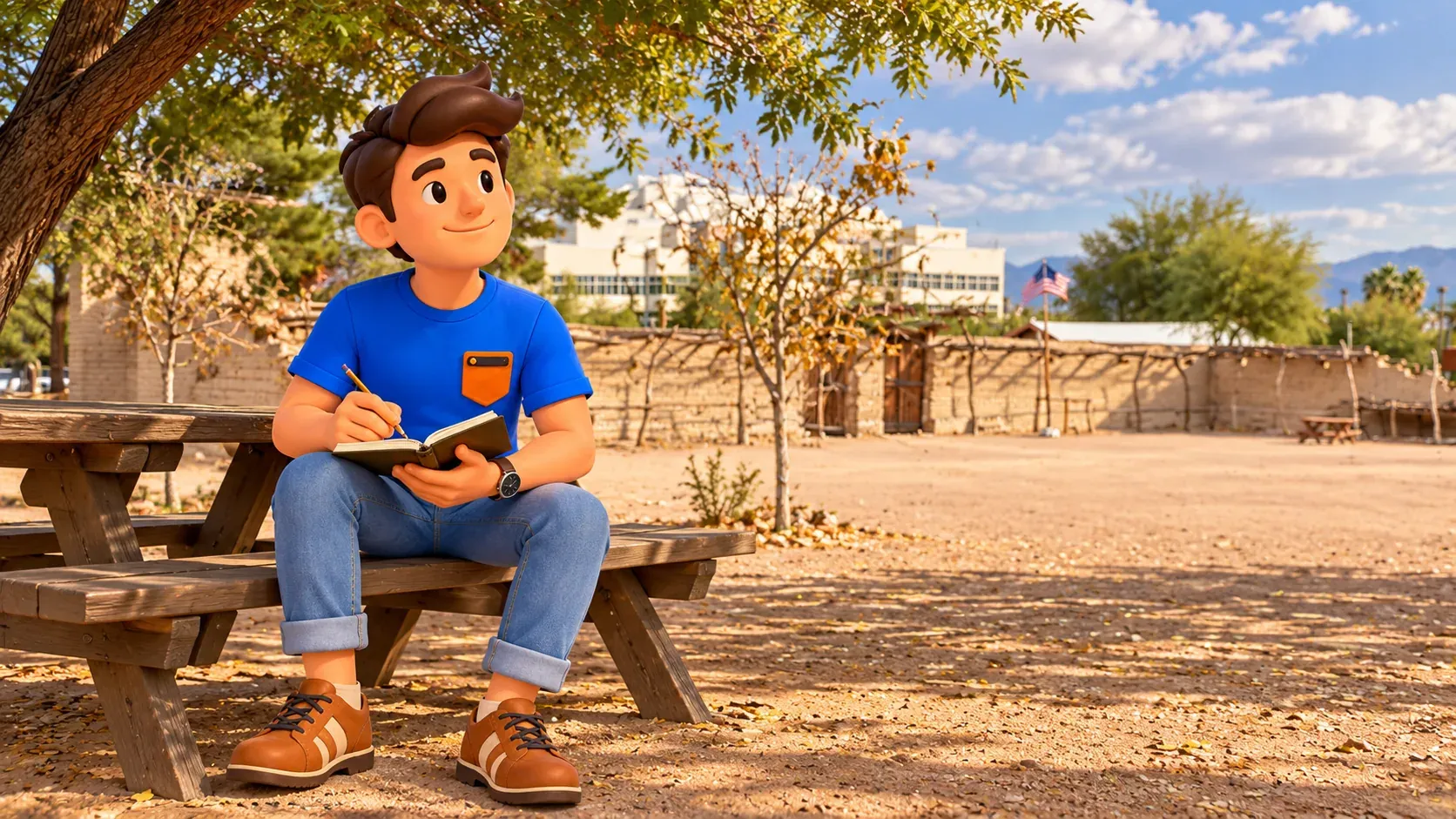
Water supported fields and orchards, and the outpost served travelers. This is a different scale of place from a modern resort, but the practical questions remain easy to grasp: where is water, how do people shelter, and what makes a stop useful along a long journey?
Today, the state historic park preserves remains and interprets the site through artifacts, photographs and its visitor center. Look at the adobe and the courtyard with an interest in daily conditions rather than expecting an intact nineteenth-century town. Surviving material and museum explanation work together.
The surroundings also remind you that this is a historical site within a modern city. It is not necessary to imagine that everything around the walls has remained unchanged. Seeing old material beside later development can help explain how a small site carries an earlier layer of the valley.
The fort also belongs to a wider story of settlement and changing control of land and water. An account focused only on the arrival of missionaries would leave out Indigenous communities and the consequences of later uses. Keep those connections in view rather than treating the place as an isolated pioneer scene.
For a present-day visit, the park currently lists Tuesday through Saturday opening from 8 a.m. to 4:30 p.m., with last admission at 4 p.m.; it is closed Sunday and Monday. Check your date and follow the site’s rules, including leaving structures and artifacts undisturbed. Historic interest is not permission to climb, move or collect.
The railway town: why 1905 matters
Las Vegas celebrates May 15, 1905 as its birthday because that date began the railway company’s two-day land auction. The completion of the San Pedro, Los Angeles & Salt Lake Railroad linked Southern California and Salt Lake City, and water made Las Vegas a useful railway stop.
That is a town-development milestone, not the first human arrival in the valley. It is also different from formal incorporation, which followed in 1911. Keeping those meanings separate prevents a convenient date from erasing the much longer history already encountered.
The railway needed more than trains passing through. Workers and families needed homes, while a growing community needed shops, services and places to stay. That makes domestic and ordinary commercial buildings valuable evidence, even when they look less dramatic than a later casino facade.
The early town was not limited to one side of the tracks. The city’s timeline also describes the McWilliams townsite to the west, associated with today’s Historic Westside. You do not need a detailed map for this introduction, but remembering more than one townsite makes the story less one-dimensional.
Boomtown 1905: recognize what has been re-created
Boomtown 1905 at Springs Preserve presents a re-created historical streetscape interpreting Las Vegas from 1905 to 1920. The name does not mean every building standing there dates from 1905. It describes the period and the town-building story that the exhibit helps you explore.
The depot, Lincoln Hotel and other re-created businesses make the early community easier to picture. They are interpretive structures, not proof that the original street survived untouched on this site. Their value lies in explaining relationships between travel, commerce, entertainment and daily needs.
This is a useful distinction to practice while visiting. Ask whether you are looking at original material, a restored building or a reconstruction. None of those categories automatically makes an exhibit worthwhile or worthless; they tell you what kind of evidence and explanation you are encountering.
A present-day trackless visitor train at the Preserve should not be mistaken for an original operating railway. If you want to use it, check the current schedule and conditions. It is a visitor service, while the historical railway story is the subject being interpreted.
The railroad cottages: original homes within the exhibit
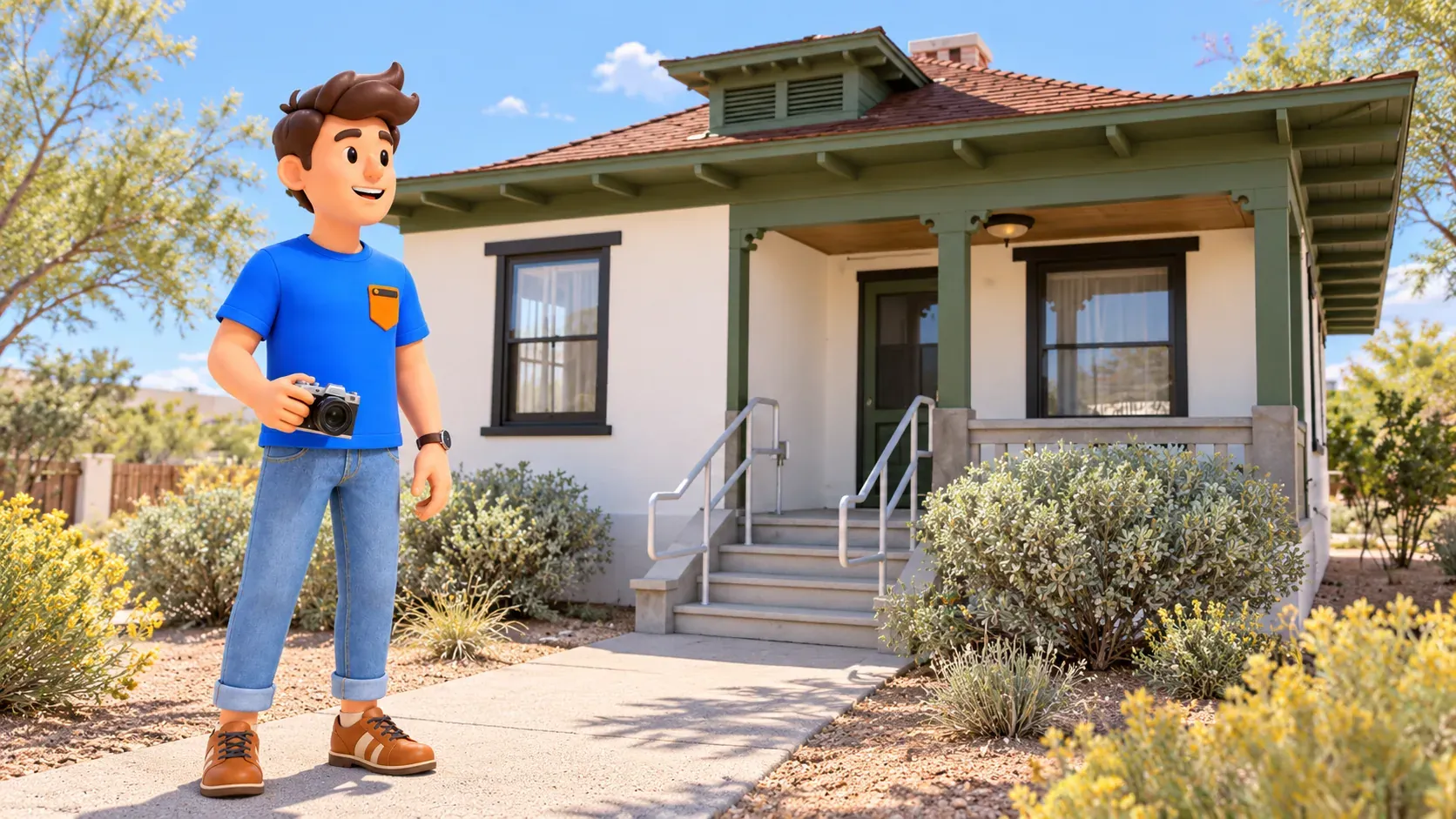
Four original railroad cottages were moved from Downtown to Springs Preserve and restored. They came from a group built for railway workers and their families in the early twentieth century, between 1909 and 1911. These small homes introduce a different kind of authenticity from the re-created streetscape around them.
Look at domestic scale: the porch, roof, doorway and relationship between rooms suggested by the building. A worker’s home asks different questions from a station or hotel. What did an ordinary household need, and how did employment shape where a family lived?
The Preserve advertises access to one cottage restored to its earlier condition; follow the actual opening arrangements rather than assuming every house is open inside. Original buildings that remain elsewhere in Downtown have separate present-day uses. Do not confuse them with the relocated museum cottages or assume public access.
Let an earlier question change the trip
Planning in RoadMe is more convenient and effective because the app can work out a whole personalized trip around your interests, available time and preferred pace. Use it to give this historical theme enough space without squeezing separate venues into an unrealistic walk.
Choose one main historical setting for an outing, then check the current calendar and admission conditions. Springs Preserve and the fort have separate operations. The historical sequence in this article is a way to understand the valley, not a measured route or a guarantee that every exhibit is available on the same day.
The illustrations interpret present-day places and reconstructed scenes; they are not documentary images of nineteenth-century life. Notice water, an old wall and a modest house on your own terms. Together, they make the city’s earlier story easier to see beneath its famous resort image.


