
Kuskovo in Half a Day: Palace, Pavilions and Garden Views

Visit Kuskovo for an entire ensemble rather than one photograph of a palace. A long garden view gives way to a small pavilion, water brings facades back into sight, and formal architecture encourages a closer look at individual details. Half a day can reveal these changes of scale, provided that entering every building is not the objective.
This plan starts with an overall palace and park view, includes one interior chosen in advance and continues with several outdoor stops along available paths. The palace or Grotto can make a suitable main interior for a first visit. The Dutch and Italian Houses, Hermitage and Great Stone Orangery add possibilities according to your interests and current access, rather than becoming compulsory doors.
Choose one interior and leave time for the garden
Allow roughly three to four hours within the museum ensemble, including a pause; calculate travel from your accommodation separately. This is an editorial estimate, not a measured route. Several exhibitions require more time. If your purpose is an outdoor architectural walk, shorten the museum component but still check the entry conditions and schedule for the formal park itself.
Try RoadMe for a personal route or day-by-day trip plan shaped around your interests, dates and pace. With an estate walk, a chosen museum and rest arranged into a programme that suits you, exploring on the spot becomes much more convenient and efficient than repeatedly joining individual places.
The estate’s address is 2 Yunosti Street. Begin by confirming the available entrance, your ticket and the last admission time for the building you want. If the interior closes before the park, visit it first. Adapt the outdoor sequence afterwards using the museum’s current plan. Straight lines between coordinates are not walking directions: actual paths and permitted connections determine your route.
The museum’s formal grounds and the surrounding forest park need different decisions. This article concerns the formal park with its palace and pavilions. Do not assume that every neighbouring green area belongs to the same ticketed space or look for an entrance through random gates. Leave a margin for the return: the end of an attractive avenue and the exit you need may not coincide.
The palace: read the overall view first
Kuskovo is associated with the Sheremetev family and eighteenth-century estate culture. Its palace establishes a ceremonial scale, best understood in relation to water, open space and the paths approaching it. Look at the complete facade before examining smaller elements. That makes it easier to appreciate why the impression depends on both a building and the distance in front of it.
You do not need a vocabulary test in architecture. Notice the main axis, repeated windows and what happens when you move sideways. The composition creates anticipation before you enter. This is worthwhile without an interior visit: you are already reading the estate as a designed space, instead of a collection of unrelated attractive houses.
If the palace is your main choice, give it an independent block of time. Inside, move from the general idea of a country residence towards the particular rooms and artistic decisions available in the current presentation. Reading everything while mentally rushing towards the next pavilion works poorly. For a deeper historical introduction, select an appropriate official tour and check availability beforehand.
A park ticket alone does not promise palace access. Indoor schedules may differ, and conservation requirements can affect admission to a historic building. If the interior is unavailable on your date, keep the palace as an exterior stop and choose another confirmed interior. An outing focused on architecture and gardens can still feel complete rather than like a failed attempt to enter one room.
The formal park: notice how views are constructed
In a formal park, the direction of your gaze can matter as much as the direction of your feet. Avenues, open areas and pavilion positions help connect different parts of the estate. Choose one long view and walk slowly along it. Then follow a permitted side path and compare how the relationship between buildings and greenery changes.
This does not require walking every path. Several changes of position can reveal how the space works. Sometimes the useful next step is returning to the water, rather than reaching a more distant pavilion. Leave time to look at a facade from another angle. The park becomes part of the experience when it receives attention beyond simply carrying you to the next museum door.
With children, compare repetitions: a line in a building and a line in the planting, or a large ceremonial volume and a small garden house. Avoid turning this into a hunt across the whole estate. A personal question holds attention better than a long list. When people grow tired, shorten the circuit and keep one favourite view as the ending.
Water and historic garden features call for care. Remain on permitted paths, avoid risky positions beside the edge and do not turn protected grass into a picnic spot. Current instructions matter more than a photograph showing somebody in an appealing position that is unavailable today. Comfortable observation gives you more than an awkward attempt to recreate someone else’s composition.
The Grotto: a small building with an unusual idea
The Grotto reveals another aspect of estate culture: the wish to create a surprising, almost imagined world. Its shell decoration connects architecture with an underwater theme. Knowing this idea can change how you see the decorative exterior and explain why a relatively small pavilion attracts attention beside the palace. There is no need to memorise every component of its decoration.
If the Grotto is your principal interior, confirm its admission arrangements and ticket beforehand. An exterior walk does not reveal the shell decoration of the rooms; entering is a distinct part of the visit. In the available display, take time with several details instead of treating the entire room as a quick photo backdrop. Avoid touching surfaces and follow museum instructions on movement and photography.
If it is closed or you prefer to stay outdoors, do not assume that peering through a window replaces a visit. Consider the volume, outline and contrast with the more formal palace. That change of mood already gives the walk another subject. Save a detailed encounter with the shell interiors for a future visit rather than imagining an experience you have not had.
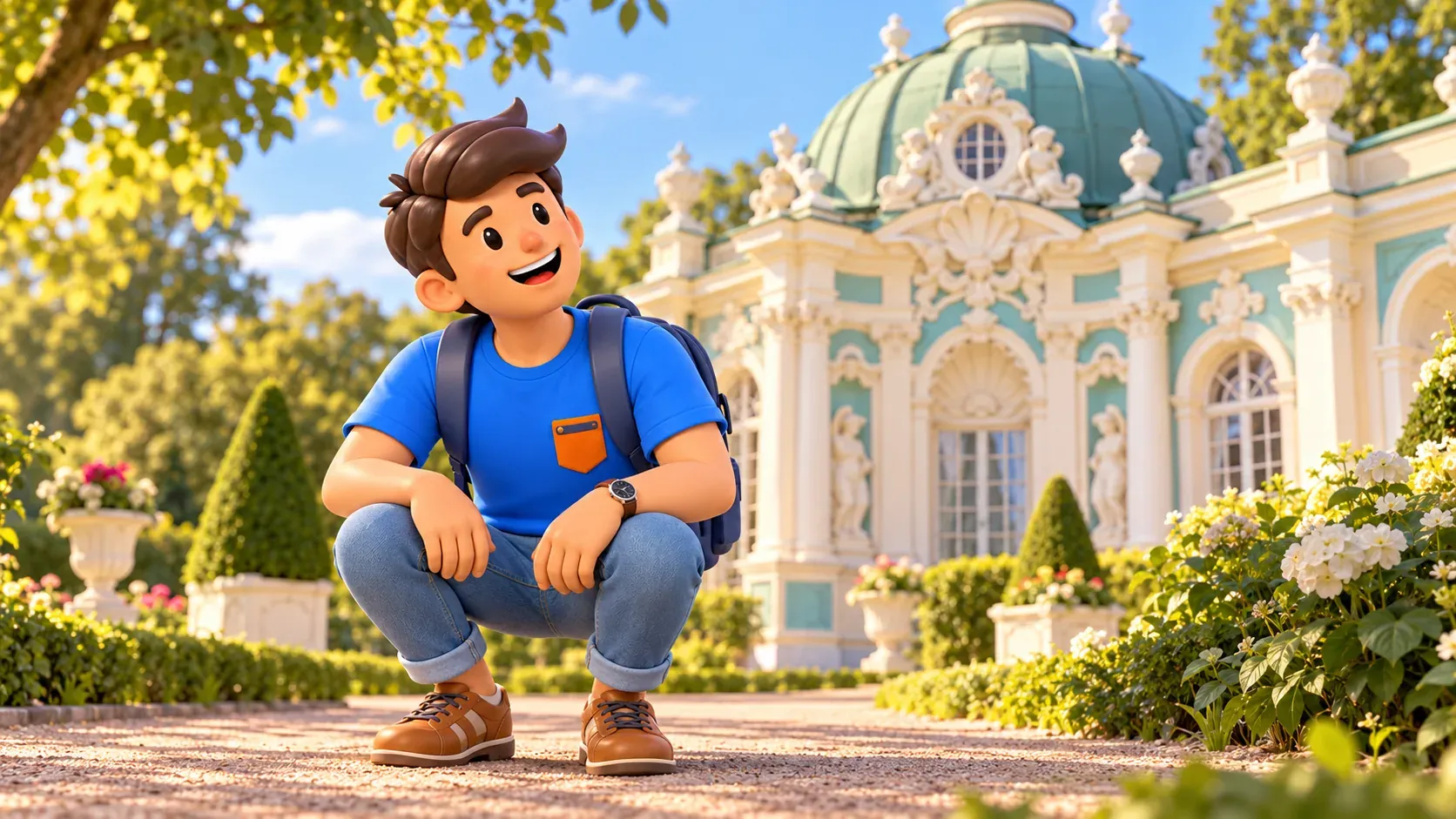

The Dutch and Italian Houses: compare two moods
The smaller houses let you compare architectural images within one estate. They need not be read as miniature versions of real countries. Instead, notice their scale, silhouettes, materials and relationship with the surrounding garden. The Dutch House is recognisable through its brick appearance; its more intimate character provides a useful contrast to the broad palace view at the beginning.
The Italian House offers another note within the ensemble. On a short route, choose one house for a closer exterior look and include the other only if it fits an open walking circuit. Both interiors are optional. Current exhibitions and admission arrangements can differ, so a familiar name should not create an expectation of unrestricted entry or a complete reconstruction of domestic life.
Compare these small buildings with the palace. Where did you look from a distance, and where do you want to come closer? What changes beside water or trees? These questions connect separate stops into a route. Pavilion names remain useful orientation points, but the main impression comes from discovering variation inside a single designed ensemble.
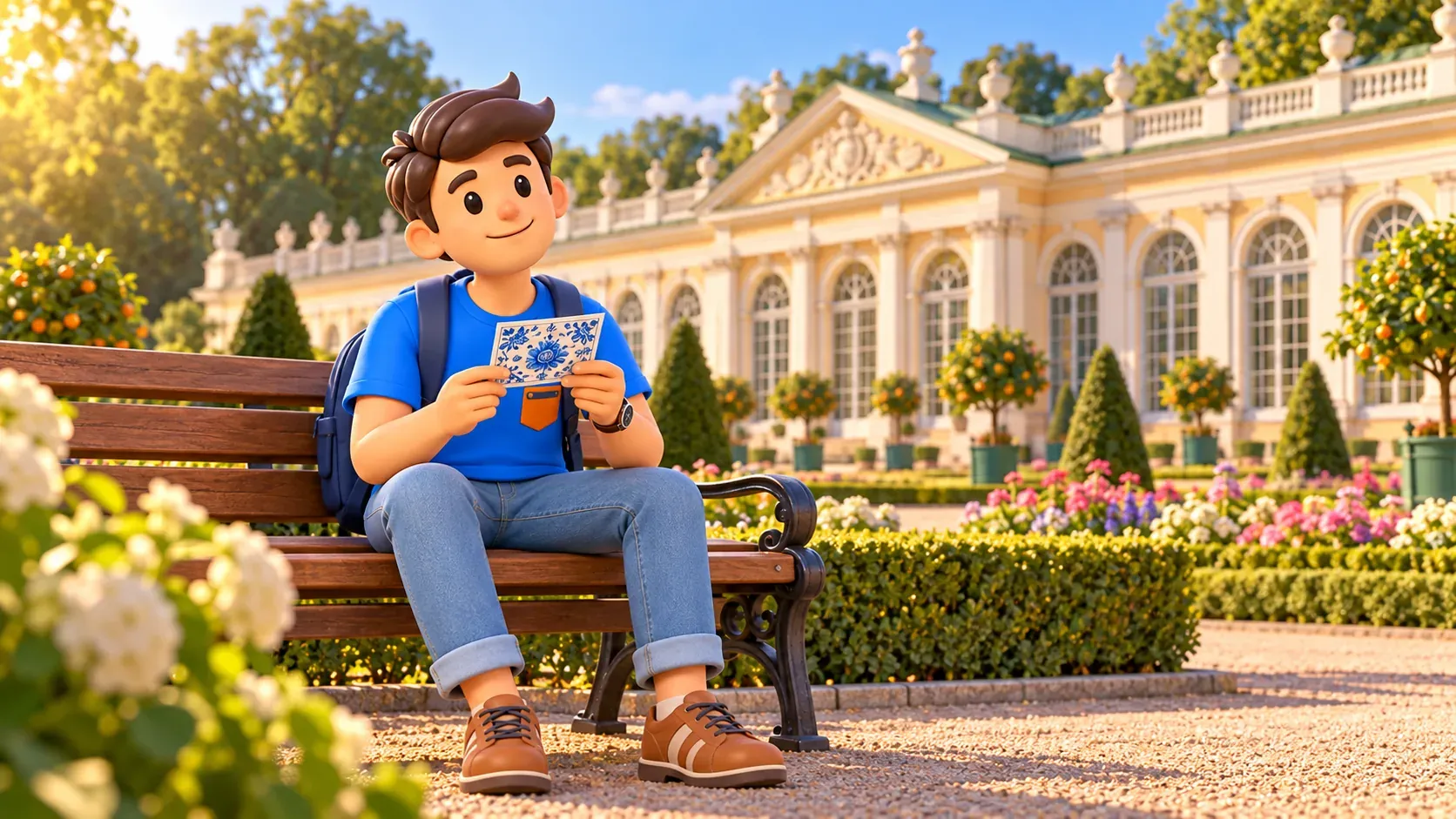
The Orangery and Hermitage: select one addition
The Great Stone Orangery historically served the cultivation of plants; today its rooms host exhibitions. Do not automatically expect an indoor botanical garden. A building’s name describes a former purpose, while its current presentation belongs to the museum programme. An exhibition that matches your interests could become the main interior instead of the palace or Grotto.
From outside, the Orangery also reveals the estate’s scale and its relationship with the formal garden. Notice its length, repeated windows and position within a view. If you have only a short additional block, choose this outdoor encounter rather than rushing through an exhibition simply because you have reached its door. Being nearby does not create an obligation to enter.
The Hermitage pavilion relates to a more secluded aspect of estate leisure, and today it also accommodates temporary exhibitions. Its name does not refer to automatic access to the museum in St Petersburg. Choose it because of the particular building or an available display. If energy is low, an exterior view from a permitted path can be sufficient without another indoor visit.
RoadMe makes it easier to turn those preferences into a complete personal trip plan, combining gardens, architecture and museums with your dates and pace. Try the app to spend more time looking around on the day and less time deciding which neighbouring pavilion you ought to fit in next.
Check tickets and calendars for specific buildings
The museum has distinct arrangements for the park, pavilions and exhibitions. At the time of checking, its independent-visit page says that a pavilion ticket includes park entry, so a separate park ticket is unnecessary. That does not mean entry to all other pavilions. Before paying, confirm the particular building and display included and any documents needed for a concession category.
The official website contains pages with differing seasonal calendars. Use its current schedule and dated notices for your intended visit rather than combining convenient details from older news. Monday is listed as closed, with cleaning days and individual building changes also possible. Last admission differs from closing, and the palace and Grotto can finish receiving visitors earlier than the park.
Do not leave your most desired interior until the final part of the afternoon. Secure that confirmed visit first and distribute the exterior circuit more freely afterwards. Select a ticket by its actual contents, rather than the estate photograph above it. For a guided visit, establish availability, language and meeting point instead of assuming an ordinary admission ticket includes a tour.
End before the outing becomes tiring
Rain changes how historic paths and open spaces feel. Shorten the circuit if it stops being enjoyable, without assuming every building provides shelter without admission. Plan pauses in heat and cold. With limited mobility, check the specific entrance and access arrangements for your chosen interior: the general name of a museum does not establish that every historic room is equally convenient.
Before leaving, return your attention to one favourite view. Palace, small house and the Grotto’s elaborate decorative idea do not need to compete for the title of main attraction. Their relationship and changing moods make Kuskovo interesting. A few considered encounters within half a day can leave a clearer impression than a complete list of doors with no time for the garden between them.


