Kusatsu Onsen: Choosing Baths and an Overnight Stay
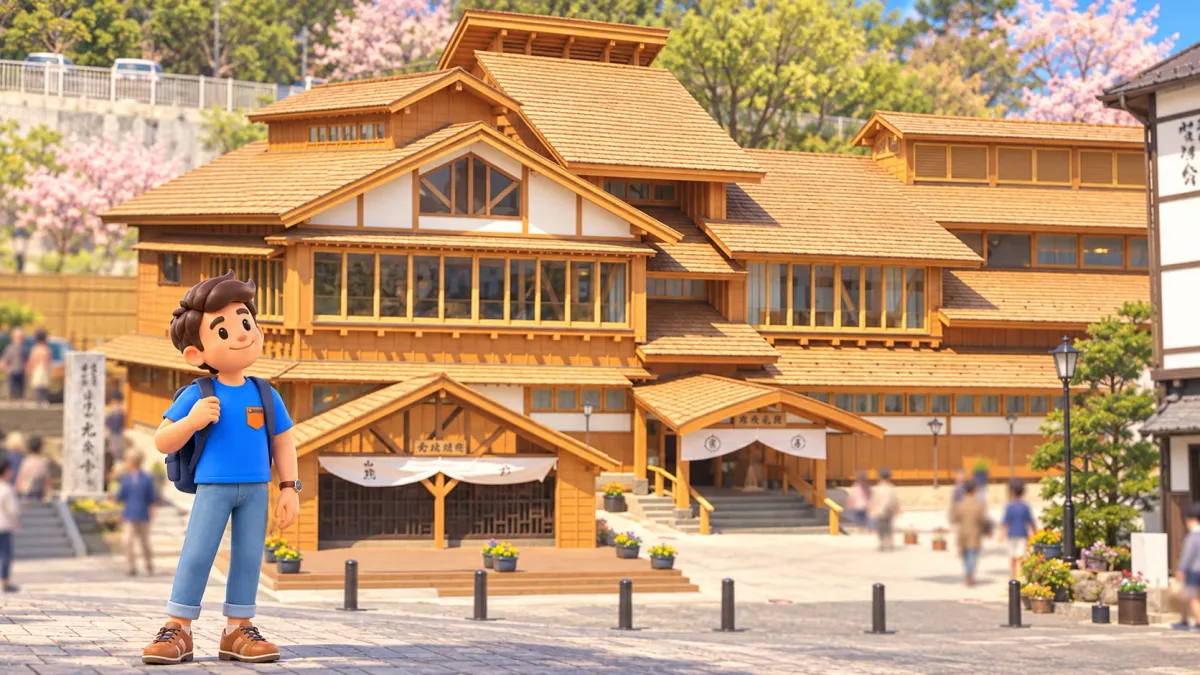
You do not need a ryokan booking to bathe in Kusatsu Onsen. Three principal day-use facilities offer different experiences: Otaki-no-yu for a broader bathhouse visit, Goza-no-yu for indoor bathing near Yubatake, and Sainokawara for an outdoor soak. Choose by facilities and the time you want to spend, then decide whether an overnight stay adds something you actually need.
This guide compares the day-visitor products checked on 27 October 2026. It is not a walking itinerary or a recommendation to complete every bath in one day. Ordinary admission, a three-bath ticket, an optional private bath and a room booking are separate purchases.
Choose the bathing experience before the ticket
Let RoadMe develop a personal travel plan around your interests and preferred pace in supported destinations. Organising the whole journey in the app is more convenient than collecting scattered recommendations, while choosing and booking the actual bath remains a separate practical decision.
Start with what you want from the visit. A substantial indoor facility with washing and rest options, a shorter indoor bath and a large open-air setting are not interchangeable products. The lowest entry fee is not necessarily the best fit if the facilities you need are missing.
If travelling with others, discuss whether everyone wants to bathe, where you will meet afterwards and whether someone needs somewhere to wait. Do not assume every bathhouse offers a restaurant or lounge. A group can choose the same town without requiring every person to buy the same bathing experience.
For a day visit, keep the return journey visible before selecting a late admission. For an overnight stay, inspect the baths included with your accommodation before adding separate tickets. A famous facility can be worth visiting, but buying it twice under different products is not an automatic improvement.
| Your main wish | Start with | Important distinction |
|---|---|---|
| A bathhouse with several facilities | Otaki-no-yu | Some services have their own hours or charges |
| Indoor bathing near the town's central spring setting | Goza-no-yu | A rest hall is not a hotel room |
| An open-air soak | Sainokawara | No washing area or private bath |
| A private bathing arrangement | A specifically confirmed private product | Ordinary admission does not reserve privacy |
| A relaxed evening and morning | A suitable overnight plan | Check the actual inn's inclusions and arrival rules |
Yubatake is a working spring facility, not a swimming pool
Kusatsu's central Yubatake is part of the resort's hot-water system. Its wooden channels help cool the water and collect the mineral deposits called yunohana. Understanding that function makes the steam and timber more interesting than treating the place only as a background for photographs.
It is not the same product as a bathhouse admission. Seeing the spring setting does not mean you have entered a public bathing pool, and a bathhouse ticket does not give permission to step into the source installations. Use the public spaces and the actual bathing facilities for their intended purposes.
Goza-no-yu draws on the atmosphere of historical communal bathing architecture, but the current building is a reconstruction inspired by Edo- and Meiji-era forms. Its timber character is part of the appeal; it should not be described as an untouched ancient structure.
These distinctions also help when looking at accommodation photographs. An image of a source, an inn's private facility and a public day bath can all appear under the name Kusatsu Onsen. Check the exact place and product rather than assuming every picture shows a facility your ticket includes.
Otaki-no-yu: a broader bathhouse visit
Otaki-no-yu is the starting point if you want indoor bathing, an outdoor area and more facilities around the soak. Its published amenities include a washing area, food and lounge options, and a communal rest space. Check the individual service hours: the restaurant does not necessarily operate for every hour that the baths are open.
The facility also presents awase-yu, with baths that become progressively hotter. That is a particular bathing tradition, not a challenge you must complete to make the visit worthwhile. Choose a comfortable experience and follow the facility's directions rather than turning the temperature progression into a competition.
Private bathing is a separate option to ask about at reception. Ordinary admission does not reserve it, and the private facility has its own operating and reception times. If privacy is the deciding factor, confirm the actual arrangement before committing to the trip.
The bathhouse is also useful to compare for a group that needs somewhere to pause. Nevertheless, a free communal rest space is not the same as an included private room or unlimited use of every paid service. Read the product associated with each facility you intend to use.

Goza-no-yu: indoor baths with a central setting
Goza-no-yu offers indoor bathing with wood and stone bath areas and two named spring sources, Yubatake and Bandai. It can suit a visitor who wants the bathing experience without assuming that a whole day must be spent inside a large spa complex.
The operator lists a communal rest hall but no on-site eating facility. That changes the practical comparison with Otaki-no-yu: resting afterwards and having a meal inside the same building are different needs. Plan around what is actually provided rather than the general word bathhouse.
The opening time changes with the season. If you are choosing an early visit, check the month instead of relying on a general statement that the bath opens at the same time throughout the year. Last admission and final closing are also different points.
There is no attached free customer car park. Do not transfer another facility's parking arrangement to this one. If arriving by car, settle where you will park under the actual current conditions, independently from the admission ticket.
Sainokawara: choose it for open-air bathing
Sainokawara's ordinary bathing offer is outdoors. It should be chosen for that setting, not as a substitute for a fully equipped indoor bathhouse. The operator's FAQ says there is no washing area, hairdryer, private bath or rest room, and towels are sold rather than rented.
That difference matters if you were expecting to wash your hair, sit in an indoor lounge afterwards or borrow everything on arrival. Bring what you need for the actual visit and keep the onward arrangement realistic. Do not add amenities merely because other baths in the same town provide them.
The operator also says ordinary re-entry after leaving is not available. Do not plan to leave for a meal and then return under the same admission without checking the applicable product. An entry ticket is not automatically a whole-day come-and-go pass.
Special sessions can have separate conditions. If a particular mixed or themed session determines your choice, confirm that event and its requirements for your date rather than applying an exception to ordinary opening hours. Choose the published session, not an assumption about every day.
Current adult fees and opening windows
These are ordinary adult entry examples, not accommodation rates or prices for every optional service. Check temporary closures before travel. The current Japanese operator information is more useful than an older English overview still quoting previous fees.
| Facility | Adult entry | Published hours | Last admission |
|---|---|---|---|
| Otaki-no-yu | 1,200 JPY | 09:00–21:00 | 20:00 |
| Goza-no-yu | 900 JPY | April–November 07:00–21:00; December–March 08:00–21:00 | 20:30 |
| Sainokawara | 800 JPY | April–November 07:00–20:00; December–March 09:00–20:00 | 19:30 |
Do not aim for the closing time as your arrival time. You need to complete admission before the reception deadline and still use the facility sensibly. Seasonal opening changes are particularly relevant if you want a morning bath before leaving town.
Prepare the payment and towel arrangement for the chosen facility. Published card acceptance does not prove that every foreign-issued card will work in your circumstances. In a larger bathhouse, the restaurant's accepted payment methods can also differ from reception.

Is the three-bath ticket worth buying?
The Choina three-bath ticket costs 2,100 JPY for an adult and permits one visit to each of Otaki-no-yu, Goza-no-yu and Sainokawara. The operator publishes no expiry date. It is not an unlimited day pass and does not turn three visits into repeated entry to your favourite single bath.
Paying the three ordinary adult admissions separately totals 2,900 JPY, so completing all three saves 800 JPY with the ticket. That saving answers one specific comparison. It does not prove the ticket is cheaper for a visitor who wants only one facility.
For two baths, calculate the pair you actually want: Otaki plus Goza totals 2,100 JPY, equal to the three-bath ticket; Otaki plus Sainokawara totals 2,000 JPY; Goza plus Sainokawara totals 1,700 JPY. The combined product's unused third admission is useful only if you expect to use it.
No expiry means the product does not demand completing the three entries during one short day. Do not rush from bath to bath just to prove a saving. Choose the experience and available time first; then select the ticket that matches the intended visits.
Our guide to planning a travel budget with easily missed expenses helps compare the whole cost. Include any optional private service, towel arrangement and transport rather than judging the day only by the advertised combined-ticket saving.
Tattoos and private baths: ask the right facility
The three facilities' published policy does not specifically refuse admission because of tattoos, while requiring visitors to observe the rules. This is a policy for these three operator baths. It should not be expanded into a claim that every ryokan in Kusatsu or every onsen in Japan has the same conditions.
Privacy is a separate question. Tattoo acceptance does not mean a private bath is included, and a private room is not automatically a private bathing facility. If a particular arrangement is essential, ask what can actually be reserved, for how long and under which admission conditions.
The guide to Japanese onsen rules, tattoos and private baths covers the broader preparation. Here, keep the local choice specific: Sainokawara does not publish a private-bath offer, while Otaki-no-yu lists a separate private facility to discuss with reception.
Do not buy a hotel stay solely on a general photograph implying private access. Check the room category and bathing product in writing. A shared public facility, a timed private bath and an in-room bath describe different experiences and costs.
When an overnight stay adds value
Stay overnight if the accommodation itself, a relaxed evening or a morning visit is part of the experience you want. Do not assume a night is necessary merely to access the three day facilities. Their ordinary day admissions are available independently of a ryokan room.
Compare the exact inn, room, meal inclusions and bath access before adding public tickets. If dinner is included, confirm the expected arrival time. A late transport connection may not fit the meal schedule simply because the room remains reserved.
Location also matters: a booking in the wider region is not automatically a room beside Yubatake. Ask about the actual address, luggage arrangements and transport associated with the property. Do not infer a free pickup from another hotel's service.
For a day visit, decide how you will return before choosing evening bathing. Current bus and rail conditions need their own check; a bath's closing time is not evidence that suitable transport leaves afterwards. This guide does not invent a universal last bus or promise that every evening connection is available.
With RoadMe, the app can develop a personal plan for the whole trip around your interests and pace. It is more convenient to give a relaxing experience enough time than to rebuild the day from scattered ideas once you are already there.
A practical choice without rushing through every bath
Choose Otaki-no-yu when its broader facilities match your needs, Goza-no-yu for the indoor experience and central setting, or Sainokawara for the outdoor soak with its simpler amenities. Choose the combined ticket only after deciding which entries you realistically expect to use.
Before leaving, confirm opening, last admission, towel and payment arrangements, the specific private product if required, and your return or accommodation plan. That gives you a useful Kusatsu visit without mistaking a source for a pool, a day ticket for a room or a three-bath product for unlimited entry.