
Jindaiji and Jindai Gardens: A Green Tokyo Day
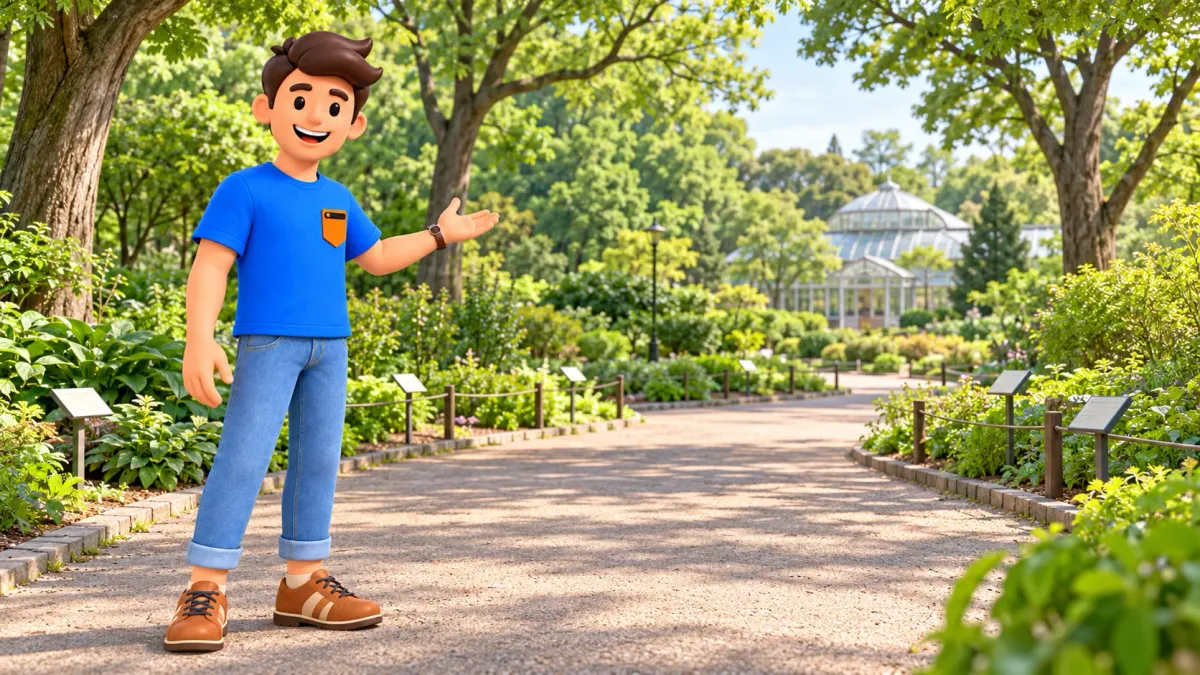
Jindaiji Temple and Jindai Botanical Gardens suit a day when you want to leave central Tokyo's density for trees, plants and a religious setting. This is an outing to the Chofu area in western Tokyo, not a short hop between adjacent central stations. Count the outward and return journeys separately from the visit: a train connection is followed by a local bus or another approach chosen in advance.
Allow roughly four to five hours on site with lunch and pauses. That is an editorial estimate, not a measured duration. Botanical interests can easily extend it, while weather or tiredness may shorten it. A useful ordinary sequence is the main paid garden first, lunch second and Jindaiji afterwards. This avoids reaching the garden's last admission after a leisurely meal and discovering there is too little time.
Begin with the botanical garden calendar
The main garden normally opens from 9:30 to 17:00, with admission ending at 16:00. The large greenhouse closes at 16:30. These are different limits: arriving near last admission does not provide time for an unhurried exploration of every section. Check current notices for your date, particularly if the greenhouse is the main reason for coming rather than a small addition to the outdoor visit.
RoadMe helps develop a personal programme around your interests, giving the botanical garden more time or emphasising the temple and a quieter walk. Try preparing the outing at your own pace, with the journey from central Tokyo and genuine rest treated as real parts of the day.
Monday is the normal closing day. When it falls on a national holiday, substitute holiday or Tokyo Citizens' Day, closure moves to the following day; the year-end closure is December 29 to January 1. Checking only the weekday is therefore insufficient. A holiday arrangement may make Tuesday the closed day you had assumed would be straightforward. Check the botanical garden and temple separately rather than treating them as one institution.
Choose a railway station and a suitable bus
The garden operator lists approaches via Chofu and Tsutsujigaoka on Keio services, and via Mitaka and Kichijoji on the JR Chuo corridor. Choose according to your starting point, current services and transfer convenience. You do not travel through all these stations: they are alternatives, not a sequence. Confirm the actual bus direction and stop for the garden entrance you intend to use on the day.
Jindai Botanical Gardens and Jindaiji Temple sound similar, but their stops and entrances should not be considered interchangeable. Save the full names 神代植物公園 and 深大寺. When starting with the garden, select an approach to its main visiting area. The last connection and bus wait belong to the journey; a train running time alone is not the full duration from your accommodation to the first gate.
Identify a possible return bus before beginning. You need not tie the whole day to one particular minute, but it helps to understand where to finish and how much margin is sensible. Flowering periods, weekends and events can affect loading and waiting. With an evening reservation elsewhere, keep a meaningful buffer rather than relying on a perfect chain of connections without a single delay.
Choose two or three themes inside the garden
Jindai groups plants into areas that include roses, wooded sections, seasonal planting and the large greenhouse. Instead of trying to visit every block, choose two or three themes: perhaps roses and the greenhouse with a wooded transition, or tree forms and close attention to foliage. Let your interests and current growing conditions guide the choice, rather than a need to reproduce someone else's comprehensive list of sectors.
At the entrance, use the current plan and check notices about available sections. Mark a place to rest and a practical exit towards Jindaiji. A large green site can consume energy in repeated backtracking if you first head towards a distant attractive photograph without understanding the layout. One clear internal sequence preserves attention for the plants instead of making the visit a continuous search for another map symbol.
Do not promise yourself a particular flowering display on an arbitrary date. The operator describes seasonal periods, but weather changes the result and individual plants may differ from a promotional photograph. Read current garden updates before travelling. If a famous bed is not at its peak, trees, foliage and planting structure can still provide a worthwhile visit. The day need not depend on one predetermined colour being present everywhere.
Look at roses from a distance and close up
Begin by noticing the rose garden's overall composition, then select a few plants for a closer look from permitted paths. Official material identifies spring and autumn flowering periods; that is a seasonal pattern rather than a guarantee of identical conditions every day. You need not find every named variety. Compare a few colours, flower forms or the shape of the bushes, letting one observation hold your attention.
Do not lean through planting or step into a bed for a picture. If a particular plant is busy, look at another and return later if you wish. One advantage of a botanical garden is that another worthwhile subject is often nearby. Waiting for one prescribed background is optional. With children, a simple comparison of leaves or flowers can work without turning each stop into a lesson demanding the correct answer.
Give the large greenhouse a separate place in the day
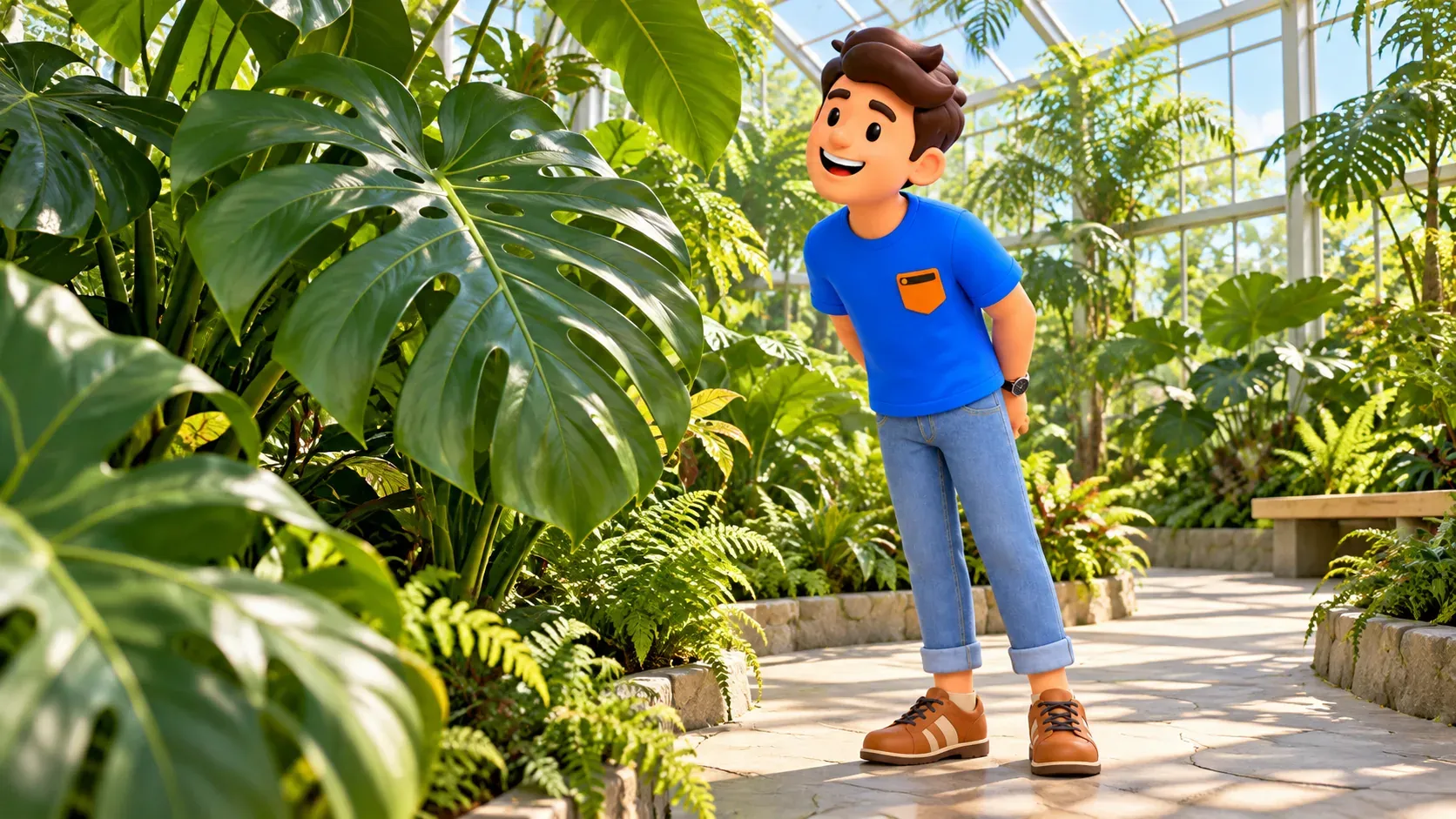
The operator describes tropical plants, water plants and begonias in the greenhouse. Treat it as more than a quick connecting corridor between outdoor sections. A different scale and environment deserve their own time. Check current access and rules before entering, then choose a manageable set of details: a large leaf's shape, the structure of a stem or differences between neighbouring groups of plants.
Warmth, humidity and changing light can feel noticeable. Pause according to comfort and do not hurry anyone who needs to adjust. Take photographs within the rules without blocking narrow sections. A roof does not make the greenhouse a universal replacement for the entire outdoor garden in poor weather: you still need to reach it, and individual rooms can have particular operating restrictions or arrangements.
Remember that the greenhouse closes before the main grounds. If it matters more than the roses, visit it earlier rather than reserving it for the final minutes. Admission, walking and rests all consume real time. You cannot finish the last indoor section, immediately be at a distant exit and already be seated in a restaurant by the temple. Small transitions also occupy part of the afternoon.
Use trees and a pause before leaving
Before heading towards Jindaiji, leave a little time for a wooded part or another accessible quiet area. Notice shade, bark and the distances between trunks. This changes the mode of attention after colourful flowers and the greenhouse's density. No new major attraction is required. A short quiet section can help a botanical visit settle into a coherent memory instead of remaining a succession of separate exhibits.
Find toilets, accessible routes and resting places on the official plan, especially with a pushchair or reduced mobility. The operator offers an accessibility map; equipment loans and particular paths require their own checks. Do not promise identical surfaces and no slopes throughout the grounds. Reducing the internal circuit in advance is generally easier than having to redesign the whole visit after becoming tired at its far side.

Plan lunch near Jindaiji
Choose an open place around the temple for lunch. Local soba is an appropriate food interest if it suits your group, but no particular restaurant is compulsory. Check menu, price, queue and hours before organising the rest of the day around one address. A dish's attractive name does not replace checking ingredients when allergies or personal dietary requirements make the details important to your visit.
Treat leaving the paid garden as the end of that visit unless current re-entry arrangements have actually been confirmed. Do not base the outing on being able to leave for a restaurant and return whenever you wish. The simple sequence is sufficient: finish the garden, eat and continue to the temple. It reduces unnecessary crossings and gives lunch a proper interval instead of squeezing it between incomplete sections.
Use RoadMe to develop a personal plan in which botany, the temple and food get time according to your interests. The app helps prepare a walk of suitable length while preserving energy for the return journey, rather than adding every available place to an overloaded outing.
Move from the botanical collection to Jindaiji Temple
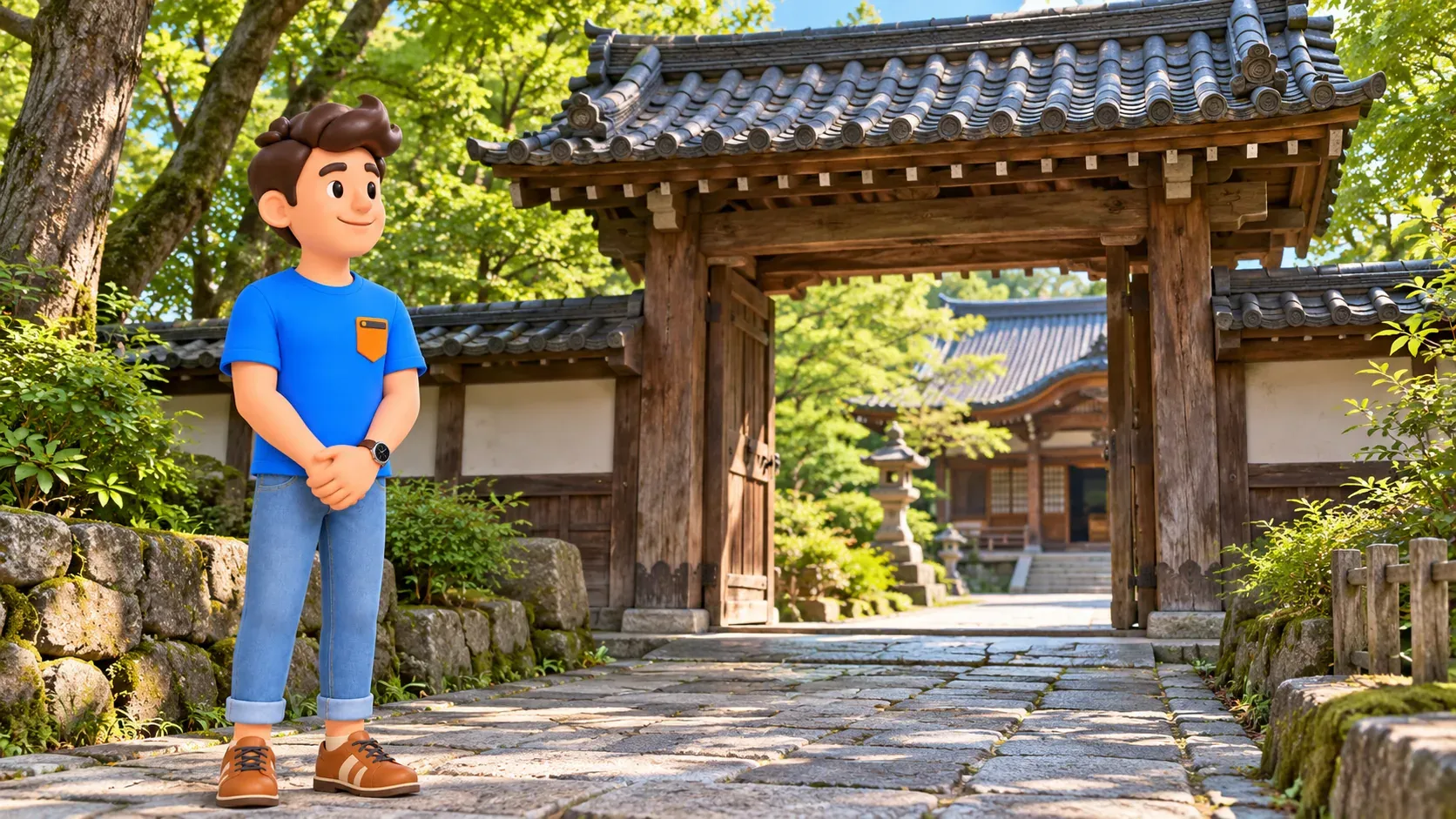
At Jindaiji, shift attention from plant collections to a working religious place. Look first at the approach, gate and movement of visitors, then find an appropriate short pause. You do not need to inspect every structure to experience the change of setting. The courtyard, surrounding trees and sequence of passages already connect the temple with the green character of the outing and offer a different way to observe.
The official English page gives seasonal hours: 9:00–18:00 from March 21 to September 22, and 9:00–17:00 from September 23 to March 20. These do not imply identical access to all services, rooms and special displays. Check a particular interior or religious object separately if it matters to you. A general short visit should not become a promise of entry to every part of the complex.
During prayers and services, leave space for others and follow signs. Do not make visitors the principal subject of a photograph without consent. The atmosphere can change with events and visitor numbers; permanent emptiness is not guaranteed. An amulet or souvenir purchase remains a choice rather than an obligatory final act needed to complete the route correctly. A respectful look can be sufficient before the return journey.
Do not add every neighbouring green area
The garden's material separately identifies an aquatic garden and biodiversity centre. This does not make them compulsory additions to the main grounds and Jindaiji. Different sections have their own approaches and arrangements. If one genuinely interests you, replace part of the main plan after checking the map rather than automatically extending the list until you are checking the clock beside every tree.
If the botanical garden is closed on your date, a short temple visit is not the same complete botanical programme. Move the combination to an open day or deliberately choose a shorter outing with another purpose. Reassess the journey in poor weather as well. The existence of a greenhouse does not alone justify the travel when the outdoor parts of the day would be entirely unsuitable for your group.
Return without a final rush
Choose the stop, direction and railway connection before finishing. A bus with a familiar-looking destination can travel differently from what you expected; check current information. Leave margin for waiting and road travel. The main outing has already happened, so one more shop or circuit should not turn a calm return into a risk of missing an evening appointment elsewhere in the city.
A good result is a few plants genuinely observed, a distinct temple experience and lunch without haste. The day need not be a competition in the number of sections visited. Separating travel time, checking calendars and following a clear garden-to-temple sequence makes western Tokyo easier to appreciate, while leaving enough energy for the next day of the journey rather than using it all before the bus home.


