
How to Look at a Japanese Garden: Water, Stones and Views
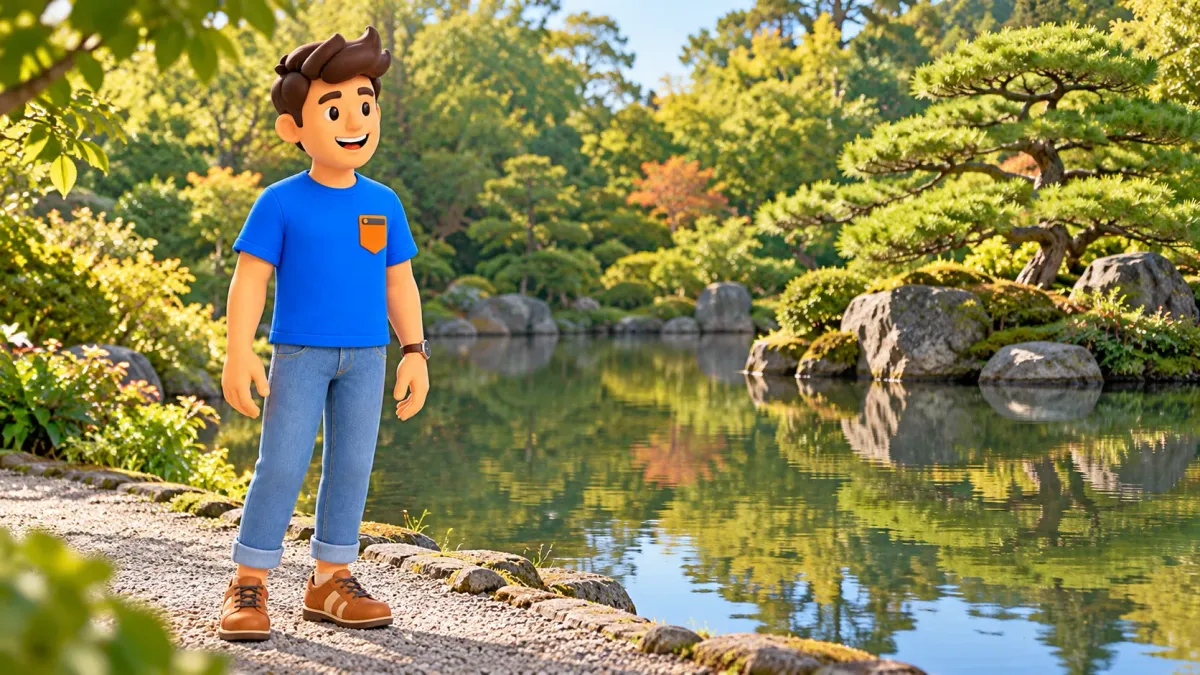
A Japanese garden becomes easier to enjoy when you stop treating it as a collection of objects to identify. You do not need to know every tree, stone or cultural reference before you begin. Start with what the path lets you see: water opening a view, a rock giving weight to the foreground, planting hiding the next part of the walk. Then let a small amount of context deepen what you noticed.
Kiyosumi, Rikugien and Koishikawa Korakuen provide useful Tokyo examples. They are not interchangeable, and this is not a route through all three. Choose one garden and use a few simple questions while you walk. The aim is to leave with a clearer memory of how a place unfolded, rather than a longer list of names collected from signs.
Take in the first view before reading the whole map
At the entrance, use the map for practical orientation: the public path, exits, any closed section and the accessible route if needed. Then put it away briefly at the first comfortable viewpoint. Ask what holds your attention. Is it a large open surface, an island, a tree leaning across a view or the dark edge of a wooded rise? There is no need for the correct answer to be the most famous feature.
Try RoadMe to place a garden in a personal travel plan based on your interests, dates, pace and budget. Leave enough time to notice the landscape instead of fitting it into the smallest gap between other visits.
Look at the relationship between parts rather than naming each one immediately. An ordinary-looking stone can matter because it makes the water seem wider; a small tree can interrupt a straight view; an empty surface can give space to the more detailed edge. These are ways of observing, not claims that every designer intended precisely the meaning you first imagine.
Give the first view a short pause without photographing it. Then take a few ordinary steps along the permitted path and look again. What disappeared, and what became more visible? This small comparison is enough to begin understanding a strolling landscape. You do not need a full circuit before the garden starts to make sense, and a shorter accessible route can still provide the same kind of attention.
Let water do more than decorate the scene
Water can create open space, separate the near bank from the far one and carry reflections. Look at the visible shape of the pond rather than assuming you can immediately see its full outline. A planted edge may hide where it continues. An island can divide one broad surface into several views. What appears compact from one place may feel much larger a little farther along the path.
At Kiyosumi, the pond makes a useful centre for attention to stones, edges and planting. Choose one view and compare the solid objects with their reflected versions. A breeze may break the image; clear water does not necessarily act like a mirror at every angle. The actual changing surface is part of the visit. Do not dismiss the view as unsuccessful because it differs from a perfectly still photograph.
Look at empty water as carefully as the decorated bank. Its openness can make nearby rocks, trees or a pavilion more noticeable. You need not give the pond a religious meaning to see its compositional role. If a site explanation identifies a particular reference, use that information; if not, remain with what you can observe rather than borrowing a general story about Japanese spirituality to fill the gap.
Notice stones without turning them into a code
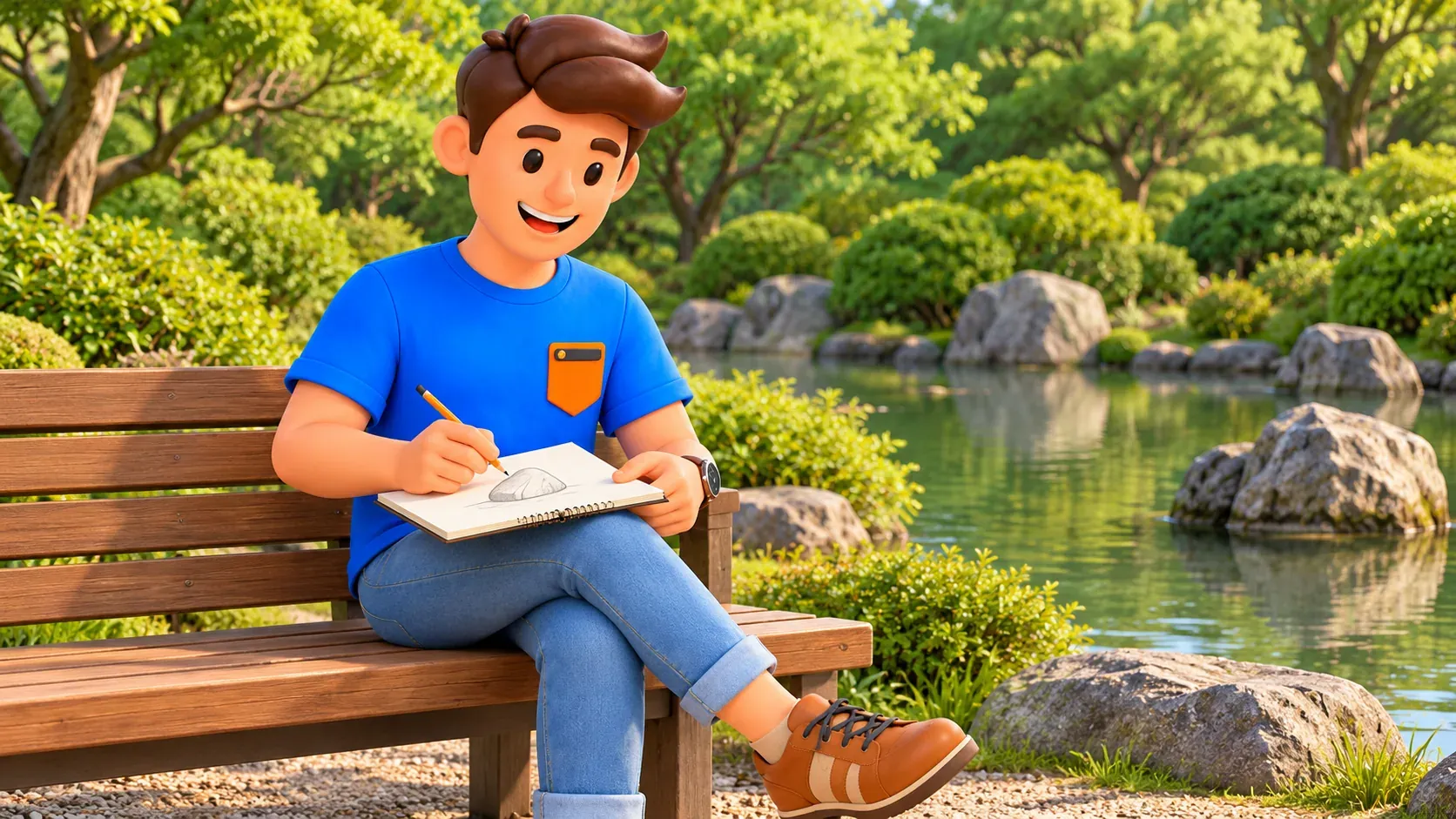
A garden stone has colour, texture, size, direction and a place in relation to other things. Begin there. Is it upright or low, isolated or part of a group, dry or meeting the water? A light surface can stand out from dark planting, while a low shape can connect the path with the pond. These observations do not require you to decide that every stone represents a mountain, animal or deity.
Some arrangements do have named associations and documented meanings. Read the garden's own information when you want to go beyond appearance. Do not treat a decorative resemblance as proof of a universal rule. Different gardens, periods and contexts can use related materials differently. A useful distinction is between the feeling you personally have and a historical claim about what a particular object was made to represent.
Stay on permitted routes while looking. A photogenic stone at the water's edge is not automatically a stepping stone, and a stepping-stone section is not a compulsory part of the visit. Wet surfaces, balance and mobility can make another viewpoint preferable. Nothing is lost by choosing a dry path from which the relationship is clear. Do not touch, move or collect material as a way to understand its texture.
Read a bridge as a view before treating it as a crossing
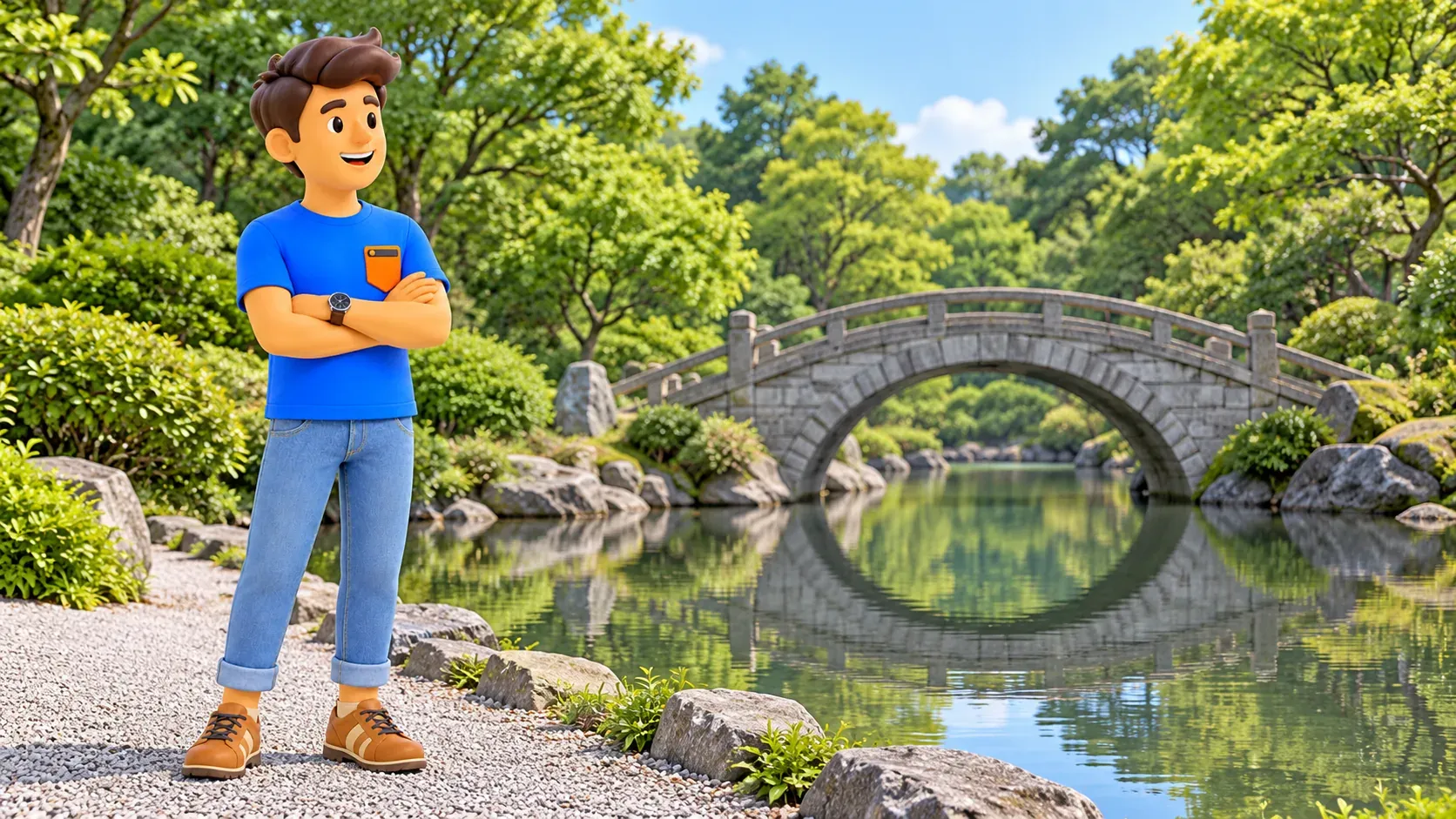
A bridge can direct attention even when you do not walk over it. Look at what it connects, the shape of its opening and the background visible through or behind it. From a different position, the bridge may change from the main subject to a small element in a larger composition. A visitor map showing a bridge does not by itself mean that it is open for crossing.
Engetsukyo in Koishikawa Korakuen offers a concrete example. Its name refers to the arch and its reflection suggesting a full moon. The explanation invites you to look at the relationship between stone and water. It does not guarantee that conditions will produce a perfect circle during your visit. Reflection, viewpoint, water movement and current access all affect what you can actually see.
If the bridge is restricted, view it from the permitted path. Do not try to reproduce a photograph by crossing a barrier or approaching an unstable bank. A partly hidden view can still show the principle. The point is to connect a reliable piece of context with your own observation, not to force the scene to perform exactly as an illustration promised.
Follow the change between open and enclosed spaces
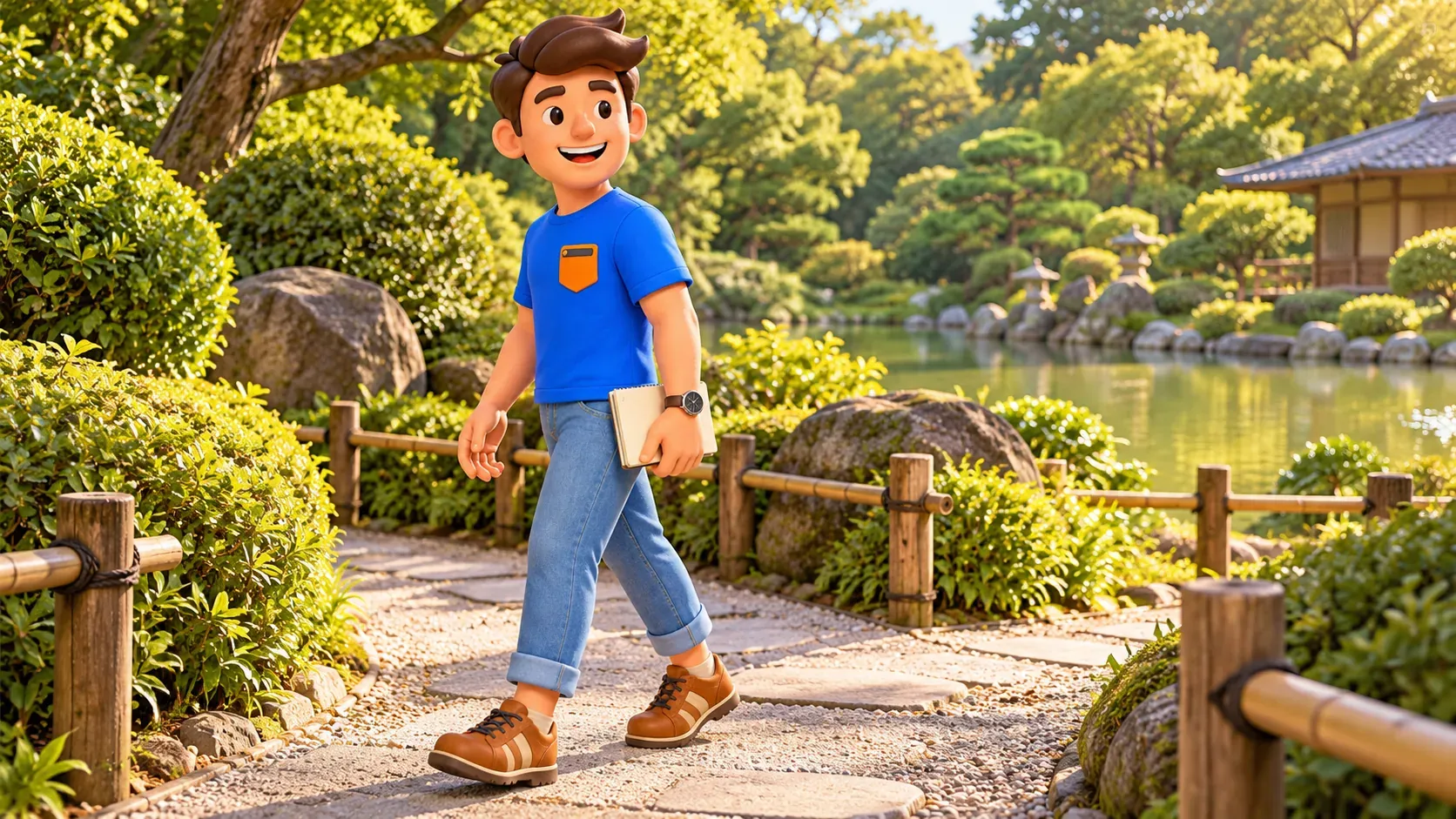
A path passing behind planting can interrupt a broad view and create another one later. Pay attention to those transitions. After a narrow, shaded section, the pond may feel unexpectedly open. After a long view, a small detail near the path can take over. The walk is therefore not only movement between separate attractions; its sequence is part of what you are seeing.
Rikugien's pond, artificial hills and wooded sections make this a useful approach. You can appreciate the change of scale without climbing every rise or knowing every poetic reference. Choose a route that suits your group and compare two successive viewpoints. If a hill is unsuitable or a path is closed, another part of the garden can still reveal how planting and direction shape the experience.
At Koishikawa Korakuen, named landscape references offer another layer. Its composed scenes draw on Japanese and Chinese places and ideas. Do not expect miniature scenery to be a literal map or an exact model at one fixed scale. Read a few explanations and then return to the view. Context works best when it helps you see a relationship already present, rather than replacing the garden with a long lesson.
Let the season alter the same landscape
Flowers and autumn leaves can draw attention, but they are not the entire garden. Green foliage, bare branches, water and the shape of a slope can reveal different things. A tree without blossom may make its branching structure easier to notice. A change of light can bring a stone forward without any plant having changed. Looking at these relationships keeps the visit worthwhile beyond a famous seasonal peak.
RoadMe can arrange a personal itinerary around your balance of gardens, culture and rest. Give one landscape room for a slower look instead of making every seasonal photograph a separate destination.
When a particular flower or evening event matters, check current official information separately. A garden can be rewarding without the feature shown in a promotional image. Equally, it is sensible to change the date if a specific experience is your main purpose. The important distinction is between the garden as a continuing designed place and a time-limited display that depends on conditions.
Try a small observation exercise
Choose one comfortable permitted viewpoint and notice three relationships: something near and something far, a solid object and open space, a visible feature and one partly hidden. Spend a short time with each, then move a few steps and compare. This is a suggested exercise, not a measured duration or a formal rule of Japanese aesthetics. Adapt it to your energy and curiosity.
With children, keep the questions concrete: where does the reflection stop, which rock looks larger from here, or what appeared after the turn? Do not ask them to decode a spiritual message from every object. Adults can use the same approach. A quick sketch in a permitted area may help, but follow local photography and drawing rules and keep passage clear.
At the end, remember one sequence in your own words: a shaded path opened onto water, a bridge became rounder in reflection, or a small foreground stone changed the scale. You do not need to claim that you now understand all Japanese gardens. One clear observation makes the next visit richer, and leaves the landscape as a place you experienced rather than a set of terms you were expected to know.


