
Hokusai in Sumida: A Museum and Neighborhood Memory Walk
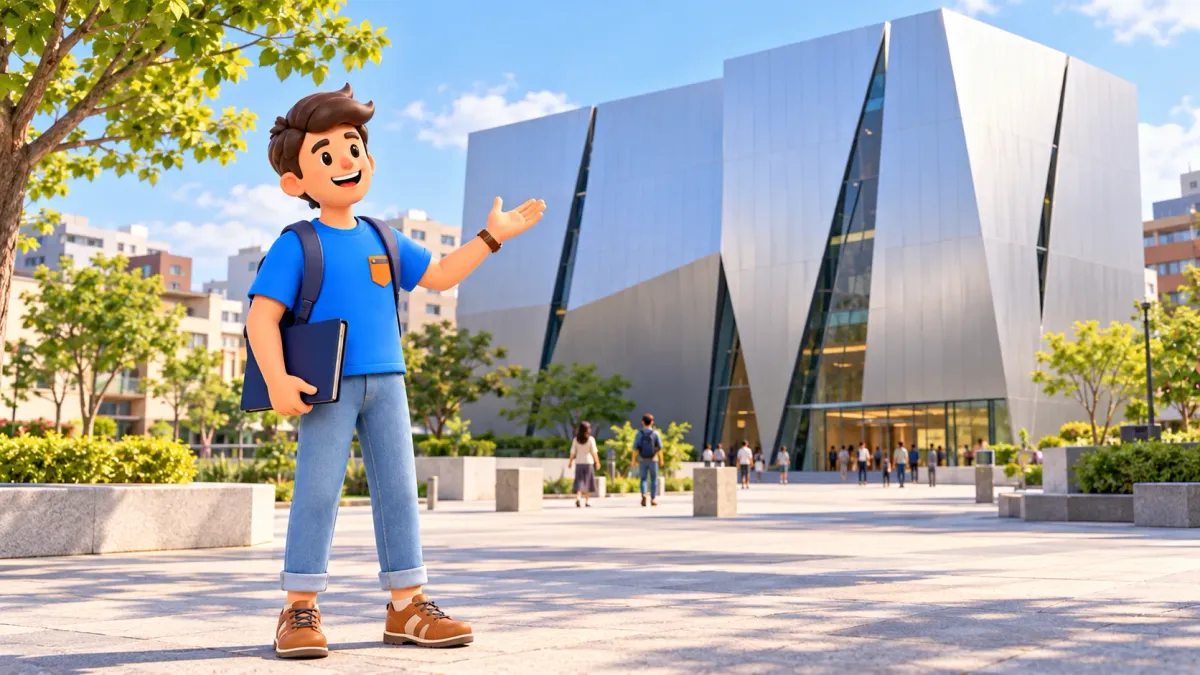
A Hokusai-themed walk in Sumida works best around one museum visit followed by a short encounter with the neighborhood. Start at the Sumida Hokusai Museum in Kamezawa, find the nearby birthplace commemoration and continue along public streets. An area associated with one of his later homes can form an optional extension toward Ryogoku.
This is a walk about one artist and his relationship with place, rather than a general district tour. It suits travelers who want to connect art with everyday city space beyond the familiar wave image. Allow roughly half a day with the museum and food. This is an editorial planning estimate, not a measured route duration; your exhibition choice determines much of the timing.
Let one artist give the outing a clear theme
Choose your main interest first: Hokusai's work, his life or the ways a contemporary neighborhood remembers him. All three can appear, but one should shape the pace. The museum provides a starting point, while the streets afterward offer a pause and a chance to connect what you saw with ordinary urban surroundings.
To make this cultural outing much easier to fit into your trip, try RoadMe: the app develops a personal day-by-day plan around your dates, interests, pace and budget. Prepare your itinerary so the museum, neighborhood impressions and time to rest receive the space that works for you.
| Part | Purpose | Decision to make |
|---|---|---|
| Hokusai Museum | Meet the artist through the chosen displays | Date and visit scope |
| Birthplace commemoration | Connect his life with Kamezawa | A short stop without expecting a historic house |
| Neighborhood streets | Look at the contemporary city after art | A modest walking section |
| Former residence area | Add a biographical detail | An optional extension on public streets |
| Food and departure | Finish a cultural half day calmly | A convenient onward station |
Avoid turning commemorative signs into a counting exercise. One clear connection between an image, an artist's life and a neighborhood can be more useful than many stops whose meaning quickly disappears. If the museum takes more attention than expected, shorten the outdoor part. The essential idea survives in the compact version.
Begin at the museum and choose the visit
The museum is in Kamezawa. When arranging arrival, distinguish JR Ryogoku Station from the station on the Toei Oedo Line: the same district name does not mean the same entrance. Check the exit and approach on the museum's current access information, leaving time to orient yourself before the visit.
Normal opening is 9:30 to 17:30, with last admission at 17:00. The museum closes on Mondays; when Monday is a national or substitute holiday, it opens and closes the following Tuesday. Temporary changes can also apply. Arriving with a useful block of time is better than treating the final entry time as the ideal start.
Decide whether you want the current exhibition or primarily an introduction to the artist. These are different purposes and do not necessarily mean the same admission scope. Check your chosen option specifically. A museum name does not imply that every ticket covers every temporary display or every work in the collection.
Kazuyo Sejima designed the building. Its silver exterior and narrow divisions offer a brief architectural subject before you enter. Notice how a contemporary structure sits within an ordinary neighborhood, then move into the visit. Avoid spending the whole museum allowance searching for an exterior photograph: art is the main theme of this outing.
Look closely through one manageable question
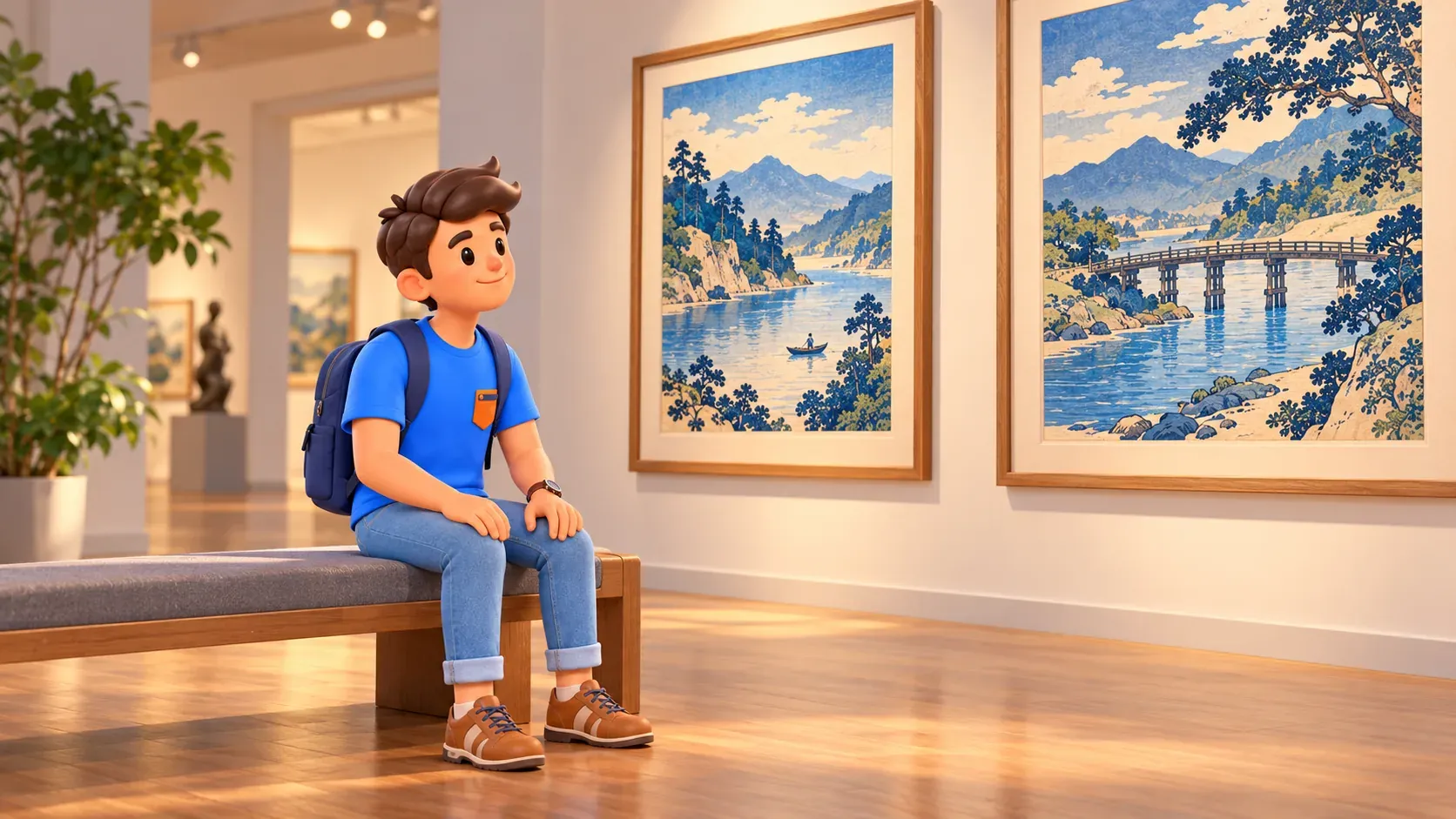
Inside, choose a simple question: how does the artist suggest movement, create depth or place people within a larger setting? This is a way to look attentively without completing an art-history course beforehand. Follow what is actually shown in your chosen exhibition rather than a list of famous titles prepared before arrival.
Pause at a few images and first look at each as a whole. Then select a detail that holds your attention: a roof line, a figure or the direction of water. Different visitors may choose different things. The useful task is finding your own point of attention rather than guessing a single correct interpretation.
Read the explanation after that initial look. This separates a personal response from the factual context supplied by the museum. If the label changes your understanding, return to the image once more. A few such encounters may leave a clearer memory than moving continuously along a row while trying to read every line.
You do not have to recognize every name and stage of the biography. For this half day, it is enough to understand the close connection between the artist and urban life, and how familiar spaces become subjects for art. The outdoor section can continue that thought without another sequence of display cases.
Replicas and originals require different expectations
The Education Room—Discover Hokusai uses full-size high-definition replicas. Understand this before choosing admission. They help introduce the works and their composition, but do not promise an original impression of a famous print. Original works are sensitive to light, and what is displayed can change.
If a particular work motivates the journey, confirm its presence in the current exhibition list. The Great Wave is a recognizable starting point, but the artist's name on the building does not guarantee its original on the wall every day. Build the visit around something the museum actually confirms for your date.
Consider how important an original is to you. Introductory material may be enough for a first encounter; an enthusiast may choose the visit mainly for the current exhibition. Both approaches make sense when the format matches the purpose. They should not be judged as though they had offered exactly the same experience.
Check photography rules for the individual room. Permission in an introductory area does not automatically extend to a temporary exhibition. Before leaving, keep one thought or visual device in mind for the walk, such as how a nearby object changes a distant view. That is an observation exercise, not a claim that the next street reproduces a museum image.
The birthplace commemoration in Kamezawa
Hokusai was born in 1760 in what is now Sumida. Municipal information identifies a birthplace commemoration in Kamezawa 2-7, by the museum neighborhood. Treat this as a city marker connecting biography with the area. Do not expect a surviving family house, historic rooms or a separate lengthy guided visit.
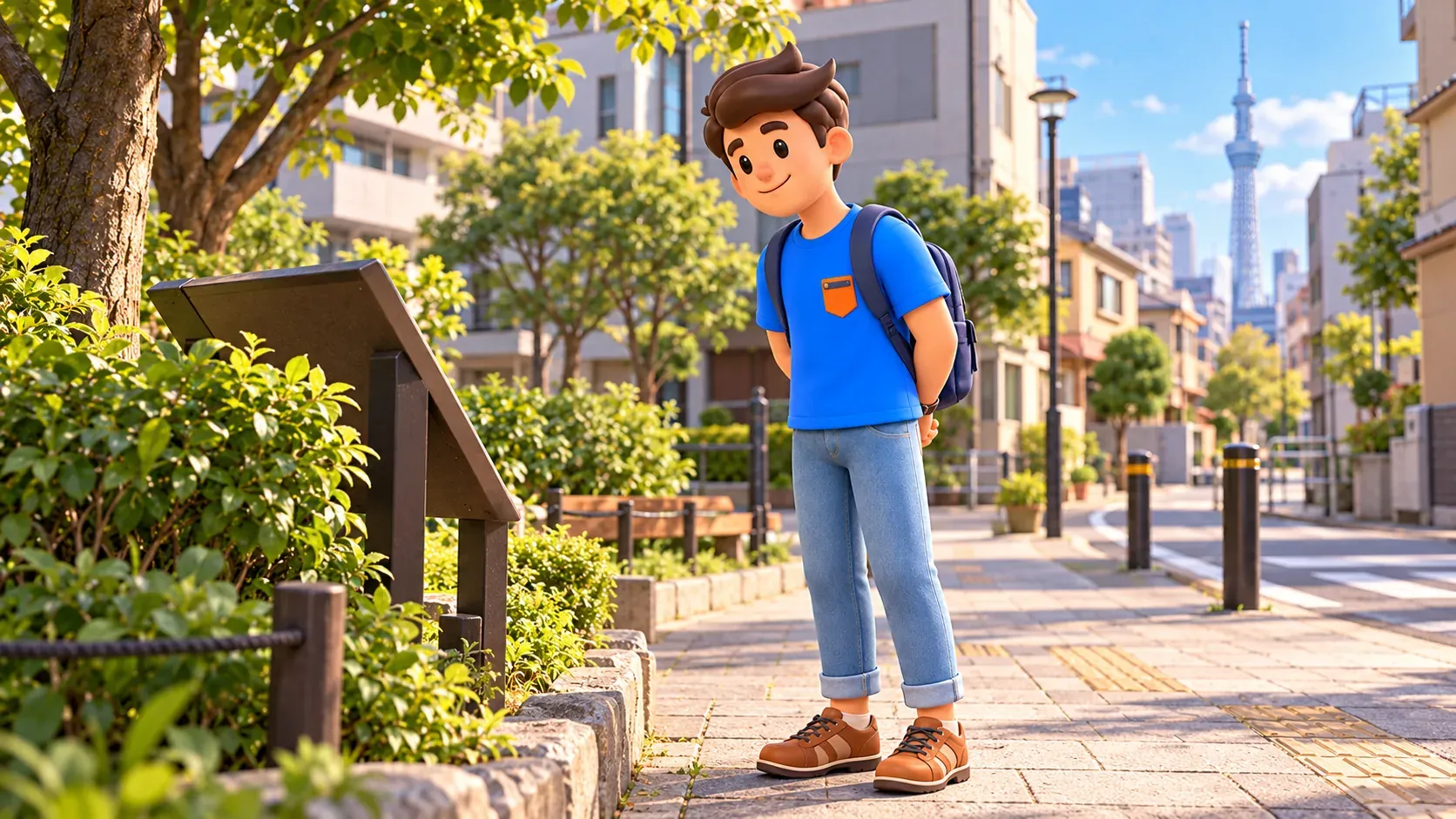
Locate the marker using current local information and read what is available. This stop has a different scale from the museum. Inside, works gather around the artist; outside, a small sign places his name back into everyday surroundings. That can be enough to give a short biographical detail a spatial meaning.
Look around without treating every modern building as eighteenth-century scenery. A commemorative place can preserve a historical connection after its surroundings have changed. An old address, an approximate area and a surviving building are different things. The walk seeks a relationship with place rather than an uninterrupted preserved old town.
Neighborhood streets: continue looking after the art
Continue a modest distance on public streets, using open crossings and suitable junctions. You need not walk far for this part. After attentive viewing, an ordinary block supplies material: near and distant planes, repeated windows, people moving and the relationship between buildings and the width of the street.
If you want art, architecture and small neighborhood discoveries to fit together, develop a personal journey in RoadMe. The app makes it much more convenient to arrange the trip around your interests and pace, preserving time for the main exhibition and an enjoyable continuation afterward.
Choose one visual question and keep it simple. Watch how a corner alters a distant view or how a small figure helps explain a building's size. This is your own way to continue an encounter with art. Avoid attributing thoughts about a particular modern corner to Hokusai or presenting a personal comparison as a historical fact.
Remain in public space when taking photographs. Residential entrances and private passages do not become visitor stops because they make a pleasing composition. What an ordinary passerby can see is enough. A small route stays rewarding when curiosity also respects the neighborhood's present life.
A former residence area as an optional extension
If energy remains, continue toward the Ryogoku 4-34 area associated with Hokusai's later life. Official local material describes him living with his daughter Oei in Hannokibaba. This is a biographical continuation, not entry to a surviving artist's house. Choose the actual approach using a current local map and public streets.
Account for the railway and usable crossings: nearby pins do not create a direct passage through a block. Avoid relying on an approximate location without checking it. If the approach is inconvenient or the relevant marker is not readily found, finish earlier instead of spending the afternoon searching for one small sign.
Distinguish a reconstruction within a museum presentation from a real place of urban memory. One suggests daily life; the other connects the account with a neighborhood. Neither implies free entry into a modern private interior. The value of the stop lies in extending the life story rather than the size of the building.
Food and a finish near convenient transport
After the outdoor section, plan a meal outside the exhibition rooms. Do not count on lunch within the museum, which has no dining area. Choose an open establishment for the actual time and your needs rather than making the day depend on one address. A calm pause helps separate and retain the cultural impressions.
Select an onward station with the JR and subway distinction in mind. Avoid automatically adding a full district circuit, sumo, another major museum and a river walk. Those may suit separate outings, but would alter the purpose here. One artist, an exhibition and a few connected city observations can fill a satisfying half day.
Calendar checks and the shorter version
For winter travel, the specific museum notice takes priority: closed December 27, 2026–January 1, 2027 and January 12; open January 2, 3 and 11, 2027. For other dates, check the current calendar before visiting rather than extending this special arrangement beyond its stated period.
The short version is the museum, the nearby birthplace commemoration and food. In poor weather, leave out the optional former residence area. If the museum is closed, outdoor markers do not replace the chosen exhibition: move the cultural visit to a suitable day. Let the outing end while it remains meaningful and pleasant.


