
Hannam-dong and Leeum: art, architecture and a half-day walk
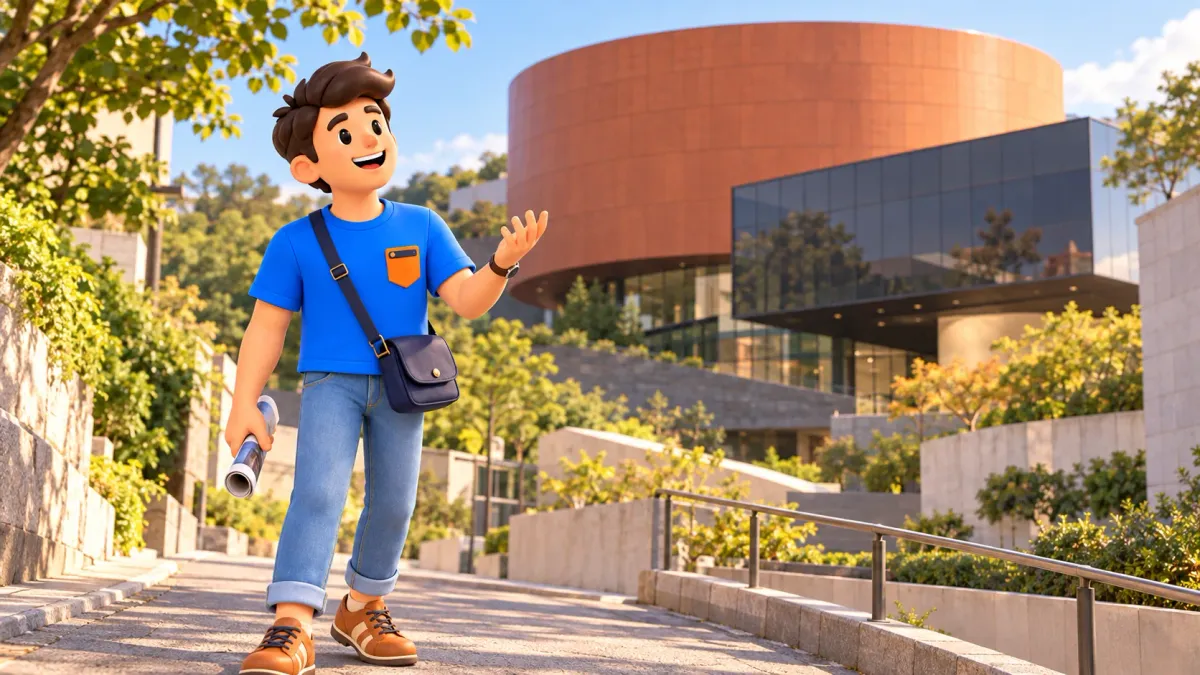
Hannam-dong is rewarding to approach through Leeum: museum and architecture first, then a small public-street walk and a cafe. Allow roughly three and a half to five hours on location, depending on the exhibition and your break. Travel from your accommodation and back belongs outside that estimate. A modest geographical scope leaves space for the main cultural visit.
The pleasure comes from changing scale: an old object in a case, a contemporary gallery, then facades and ordinary neighbourhood life. You do not need every local shop or a compulsory Namsan climb. One substantial museum and time afterwards are enough. This is a half-day for looking and making connections rather than collecting the maximum number of addresses.
Make the museum the centre of the day
Visit Leeum while attention is fresh and keep the walk flexible. Allow around two to three hours for a chosen display and the building, then another hour and a half or two for streets and rest. If a temporary exhibition needs longer, reduce the outside circuit. A suitable ticket and entry time matter more than the sequence of fashionable shop windows.
Planning this half-day is much more convenient with RoadMe: the app develops a complete personal plan around your interests, dates and pace. Art, architecture, walks and rest become a trip programme that is easier and more effective to use on the ground.
| Stage | Approximate allowance | Focus |
|---|---|---|
| Approach and orientation | 20–30 minutes | Slope, entrance and selected ticket |
| Leeum | 2–3 hours | One main display and architecture |
| Public streets | 30–45 minutes | Materials and urban setting |
| Cafe and rest | 40–60 minutes | Bring impressions together |
These are editorial estimates rather than measured times. Queuing, a substantial exhibition and book browsing may extend them. Decide your priority beforehand: traditional art, the current programme or the building. All three can be compared without receiving equal depth in one visit. A defined preference makes it easier to stop comfortably rather than treating every remaining room as unfinished business.
Hangangjin: a short approach with a hill
Hangangjin on subway Line 6 is a useful transport anchor. From Exit 1, museum directions lead towards Itaewon, into the first lane on the right and uphill. Follow current signs and crossings. Save 리움미술관 to distinguish the intended institution from other cultural venues. A specific destination is more useful than simply navigating towards a broad neighbourhood name.
The approach is short but not entirely level. Leave heavy shopping until afterwards; visitors with reduced mobility should ask about an appropriate arrival and entrance. An ordinary subway walking recommendation does not automatically describe an accessible route for every stroller or wheelchair. Give yourself margin to arrive comfortably for the chosen time rather than treating the final slope as an unexpected complication.
Do not confuse this connection with Hannam station on another line or imagine the whole area as a ready-made riverside promenade. The museum stands on a slope and this proposal stays on neighbouring public streets. A river approach or a major crossing of the district would need its own plan and allowance. Keeping that boundary makes the half-day realistic.
Three architects rather than one repeated facade
Leeum opened in Hannam-dong in 2004. Mario Botta, Jean Nouvel and Rem Koolhaas designed different parts of one ensemble. Their expressive differences contribute to the museum's idea. Look at solid volume, transparent surface and the connections between them rather than searching only for the best-known shape. The complex lets architecture become part of the cultural encounter, not merely its container.
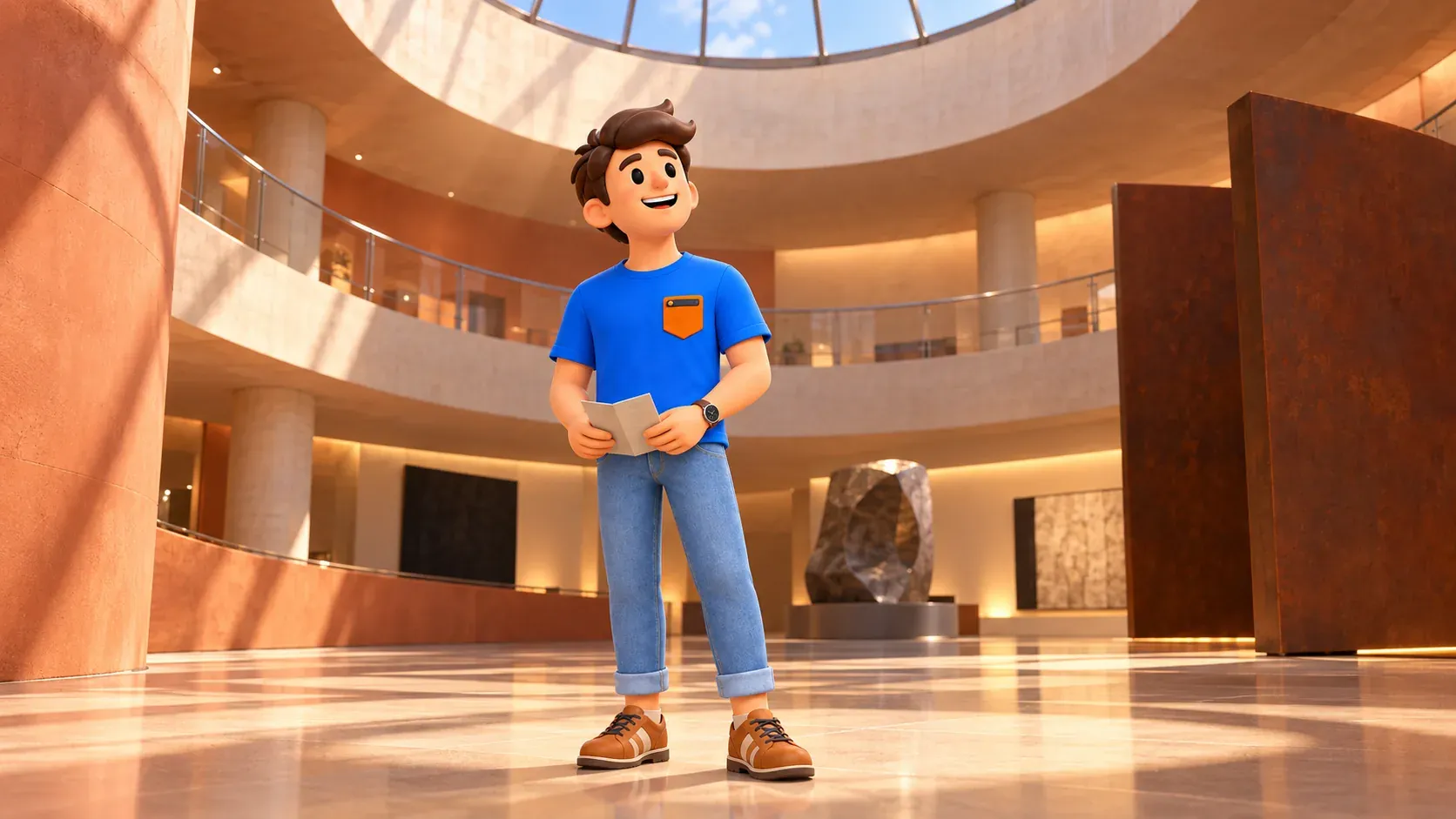
Botta's M1 relates to traditional art: terracotta cladding, strong geometry and a top-lit rotunda make material tangible. Fired clay connects with the ceramics inside. No technical drawing is required to notice this relationship. Compare the exterior impression with the change of scale in an accessible interior. Observe the way light enters rather than attempting to memorise every architectural term.
Nouvel's M2 uses dark metal volumes and glass, creating different relationships between gallery and greenery. Koolhaas's centre places a dark volume within a more open envelope. These are parts of a shared museum, not three independent institutions necessarily offering identical programmes. Their differences are most interesting when you see how a visitor moves between contrasting environments within one overall visit.
Keep the comparison simple: where is light overhead or lateral, where does a space feel solid or open outwards? Choose one pair of observations you can remember afterwards. Actual access follows current displays. A view from a permitted area is more useful than pursuing a restricted corridor for an ideal photograph. Let the architecture serve your attention rather than become another checklist.
Traditional art: give an object time
Ceramics, painting, calligraphy and craft in the traditional collection reveal different ways of shaping material. A small selection is enough for a first visit. Read the available section's introduction and stop at a couple of objects. Every unfamiliar term need not become an immediate research assignment. Your initial task is to look long enough for one clear detail to emerge.
With a vessel, compare outline and surface: how neck meets shoulder, where light gathers and how decoration follows volume. On paper, notice line and unoccupied space. These questions require no specialist preparation. Historical context from a label adds meaning once your own eye has found something specific. It can turn a general impression of beauty into a more memorable encounter.
An old object does not have to feel elaborate or ceremonial. A restrained form may leave the strongest impression. You need not select the supposed masterpiece simply because it is famous online. Two carefully observed works provide enough for conversation and help reveal personal interests before the contemporary section. The choice can be modest while the experience remains intellectually satisfying.
Allow for rotations and temporary changes. An object belonging to a collection is not guaranteed to be on display during your visit. If one particular work motivates the journey, confirm its presentation beforehand. A normal route works better around a theme, retaining its purpose as the museum programme naturally evolves. The subject stays useful without depending on an unverified object list.
The contemporary programme: confirm what is showing
Leeum connects Korean heritage with contemporary and international art, but that does not mean every strand always occupies the same available rooms. Select an exhibition for your travel date, read its brief description and confirm the ticket. The museum's long-term principle and the particular season's programme are different kinds of information. Both matter, but they answer different planning questions.
For an unfamiliar work, begin with approachable questions. What changes when you step back or view it from the side? How does material occupy space? Does it require movement, reading or time? Your answer need not immediately match the curatorial text. Personal observation followed by explanation often creates a livelier experience than reading everything before allowing yourself to look.
If a presentation includes video or another extended component, give it real time. A five-minute pass does not replace a long work. Choose one complete experience or define a smaller scope honestly. Contemporary exhibitions become tiring when travellers try to make every component simultaneously brief and exhaustive. A deliberate choice leaves more room for attention and for the walk that follows.
Tickets and calendar: free admission has a scope
Normal opening is Tuesday to Sunday, 10:00–18:00, with ticketing closing at 17:30. Monday is closed, along with New Year's Day and the days of Seollal and Chuseok. Check announcements for your actual date. The museum's outdoor deck should not be treated as a promise of round-the-clock public access simply because it is outside the galleries.
The traditional-art permanent display is free; special exhibitions may be paid. Individual walk-in tickets are possible, although busy periods can mean waiting. The museum recommends advance booking for a desired time, normally opening fourteen days ahead for up to four tickets per person. Check the chosen presentation's conditions and complete the confirmation. Free and immediately available are separate questions.
Distinguish Leeum from Hoam on the shared website: similar presentation does not make them one address. Group arrangements differ too. Do not include an unconfirmed guided visit in the price or timing of an independent outing. A small amount of entry preparation helps more than a large collection of attractive reference pictures if the booking otherwise turns out to concern another institution.
Inside: a small bag and quiet attention
Follow each room's rules: photography without flash is not permitted everywhere, and an individual object's prohibition matters. Tripods and selfie sticks affect others and are restricted. Store large belongings as directed. A small bag makes this half-day easier than luggage that needs repeated carrying and storage. Arrive prepared to leave umbrellas or other unsuitable items in the indicated place.
Food and drink belong in permitted areas rather than displays. Ask beforehand about strollers, wheelchairs or suitable movement between levels if needed. Keep conversation quiet; organised group explanations need museum permission. An independent visit should not turn into an unauthorised tour programme affecting surrounding visitors. Follow staff advice when a space is busy or a particular work needs a different arrangement.
Hannam-dong streets after the galleries
Outside, choose a small public-street circuit towards a convenient subway return. Continue the material theme through brick, stone, glass, shop window and entrance. The museum supplies a language of looking; the district shows architecture in ordinary use. Every facade need not become a separate attraction. You are following a connection between the cultural visit and a living urban setting.
Shops, cafes and homes alternate, requiring ordinary respect for boundaries. An open doorway does not necessarily provide a public courtyard shortcut, and an attractive window is not an invitation to record private life. Give way on narrow streets and avoid the roadway for photographs. Even a short circuit remains a walk through somewhere people live and work.
If a shop interests you, enter for that interest rather than a compulsory purchase. Hours, stock and available exhibition spaces change. One place offering an appealing book, fabric or design object is enough. A long retail directory would turn this art half-day into another programme and consume the quieter pause. Leave room for an unplanned observation without making shopping the measure of success.
A cafe pause rather than a finishing queue
Choose an open venue with clear conditions and a comfortable table. Do not tie rest to one celebrated interior: its queue may absorb the remaining hour. After Leeum, discuss one object and one architectural observation. That conversation connects old art, contemporary gallery and street more effectively than another compulsory stop. The pause gives the cultural visit a satisfying ending in everyday surroundings.

Fitting Hannam-dong into the journey is easier with RoadMe: the app prepares a personal plan for the whole trip around your interests and comfortable pace. Art, different districts and rest receive suitable time among the days, making the programme more convenient to use.
Shorten the streets in rain, allow more permitted shared-space looking for architectural interests, or choose fewer works with children. Finish where transport is practical. A successful Hannam-dong half-day leaves a clear relationship between object, building and city without requiring the whole district. You can return for a different exhibition or a longer neighbourhood walk on another occasion.


