
Geneva Tranchées: art, golden domes and the Observatoire park
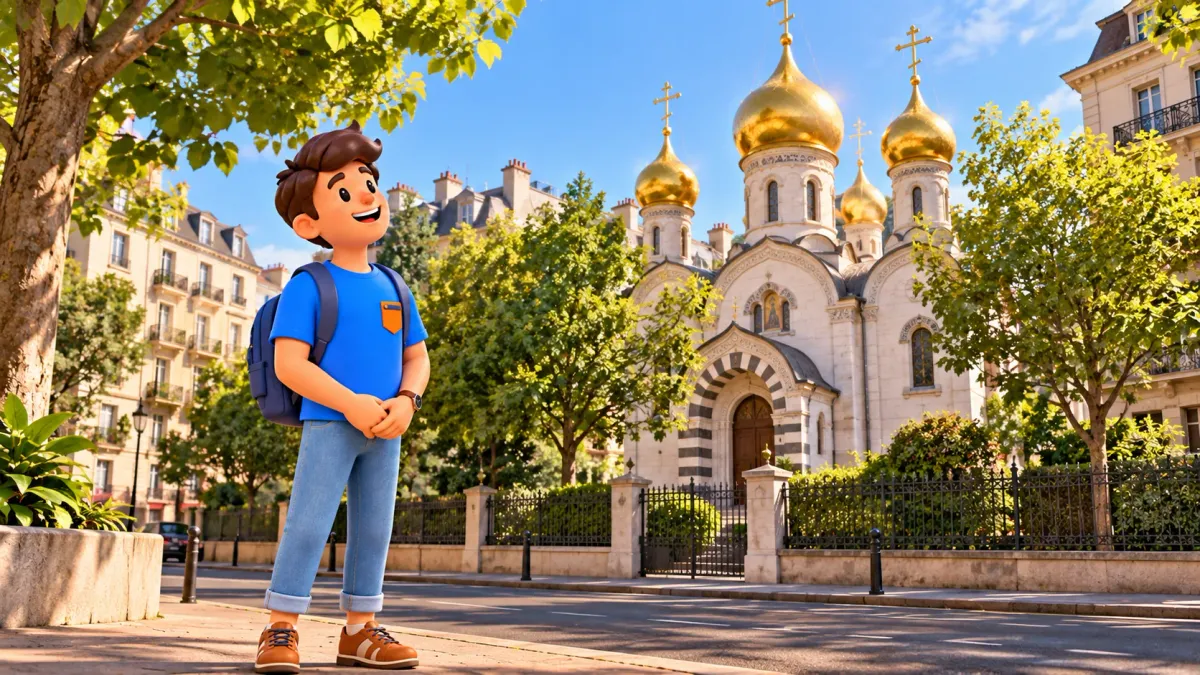
At the edge of Geneva’s Old Town, Tranchées offers a cultural walk without a long sequence of museum interiors. Its starting point is one compact group: the Museum of Art and History, Henry Moore’s sculpture and the greenery of the Observatoire. Continue through public streets towards the Orthodox cathedral’s golden domes. An indoor visit is optional and selective: choose a part of MAH, leaving time for outdoor art, architecture and a genuine pause.
The Baur Foundation lies farther south, but it is not a required stop. Reopening for museum visits is currently unconfirmed, so an available interior cannot form part of the promised day. If Chinese and Japanese art is a particular interest, check the owner’s current information separately. This walk works fully without entering Baur or making a detour to its door.
Build the route around one compact starting point
Start at MAH, the Musée d’art et d’histoire, at Rue Charles-Galland 2. Promenade de l’Observatoire, the park and Henry Moore’s bronze Reclining Figure: Arch Leg are nearby. Think of them as neighbouring parts of one urban stop, rather than three distant destinations. Then use public streets to go southeast towards the cathedral at Rue Rodolphe-Toepffer 9. Baur at Rue Munier-Romilly 8 lies south of this main group.
Try RoadMe to work out a complete personal trip plan around your interests and preferred pace. It makes connecting art, city walks and rest with the wider Geneva stay more convenient.
Choose the character of the outing in advance. The exterior version includes the museum facade, sculpture, greenery and cathedral from the street. If MAH appeals, give one part of the collection proper attention instead of adding several collections for their number. You can visit before the walk or return to the museum afterwards, according to current opening, weather and your energy.
This is an elevated urban area, rather than a continuation of the lakeside promenade. Connections involve streets, crossings and possible changes of level. Do not assume a continuous level path or a confirmed route without steps. If accessibility matters, establish the chosen museum entrance and its approach. A shortened exterior visit can retain one rewarding place without a hurried circuit of every address.
MAH: read the building, then choose a collection
The Museum of Art and History brings archaeology, painting, sculpture and applied arts into an encyclopedic institution. Its monumental building by Marc Camoletti opened in 1910. Outside, consider how it presents itself to the city: the scale of the entrance, stone surfaces, repeated openings and overall volume. The facade introduces the walk’s cultural theme even when no museum entry is planned.
Begin from an available public position where the whole building can be seen, then focus on a detail without blocking the pavement. Compare large and small. The museum’s scale suggests an extensive historical account, but looking still happens through individual forms. This is a useful preparation for the encounter with a single outdoor sculpture nearby.
For an interior visit, choose one area: paintings, archaeological objects or decorative pieces. There is no need to cover the history of art in one attempt. Look closely at several objects, read explanations and return to anything that changes your first impression. A small part of an encyclopedic collection can provide a substantial experience when it follows your interests.
One question can connect the visit: how does material influence form, how is the human figure represented, or how did an everyday object become a museum piece? With children, choose a clear observation task instead of promising a journey through the entire collection. In a group, discuss how much attention people want to give the galleries and an appropriate meeting place within museum rules.
Check current admission arrangements and the availability of your chosen section for the date. An old statement about free entry should not be extended to every exhibition or visit format. Monday is normally not a day for an ordinary MAH visit. If that is your available day, architecture and outdoor places remain the basis; unconfirmed Baur access cannot serve as a reliable indoor alternative.
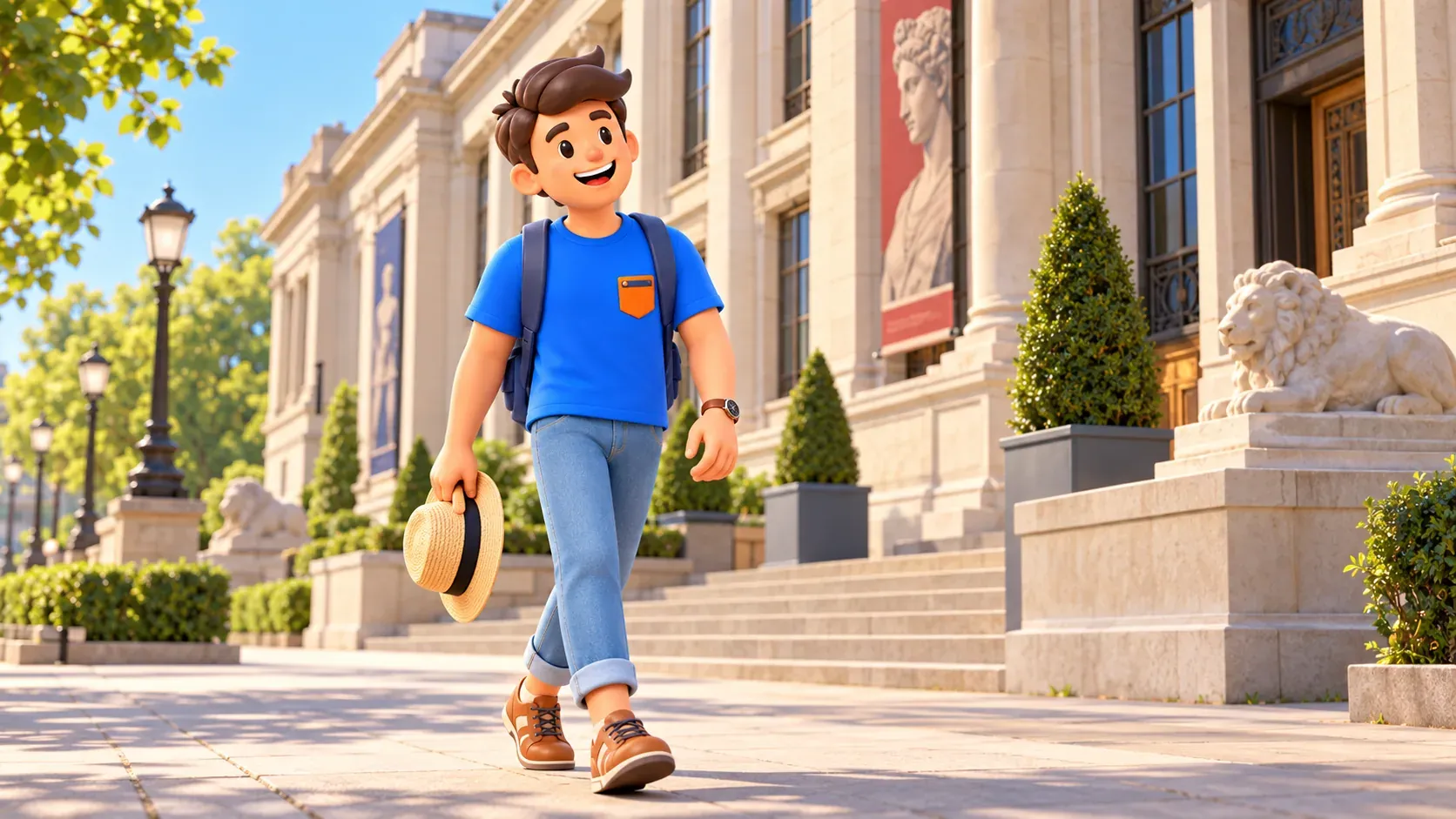
Henry Moore and the Observatoire belong to one outdoor pause
Near the museum stands Henry Moore’s Reclining Figure: Arch Leg, a bronze dating from 1969–1970. The artist selected its location. Here sculpture belongs to open urban space, and looking from outside does not require a museum ticket. Any current restrictions on the paths or around the work should still be respected.
Start with its overall outline and the surrounding space. The reclining figure involves openings and lines as well as solid volumes, suggesting relationships between weight and empty space. You do not need to identify every curve as a particular body part immediately. The title provides a starting point; looking reveals how the work changes with even a small shift of viewpoint.
Move around it along an available path at a respectful distance. Do not touch the surface or climb the bronze. Compare what appears behind an opening: building, trees or sky can change the impression. Unlike an object behind glass, this work includes the city and weather in its setting. Your movement helps reveal forms that seemed heavy or flat from one position.
The Observatoire park provides greenery and a chance to linger. Its name preserves the area’s astronomical history; it does not promise an operating observatory with instruments to visit. Nor should a completely unobstructed panorama be expected. Views depend on position, vegetation and the built surroundings. The park’s value is broader than securing one particular horizon photograph.
Choose a comfortable section of path or an appropriate free bench. Look at trees for a while before returning your attention to the sculpture. Park and artwork do not need to become two separate major achievements. Together they create one quieter episode after the museum facade or galleries, giving the walk a change of pace.
Follow Tranchées streets towards the golden domes
From the museum and park, continue southeast towards Rue Rodolphe-Toepffer. The cathedral appears within ordinary neighbourhood streets. Approach along public pavements rather than expecting a continuous park path. Golden domes and light facades create a different architectural impression. Find a position for looking without stepping into traffic or obstructing other people.
The Cathedral of the Exaltation of the Holy Cross was consecrated in 1866. Its history adds the life of an Orthodox community to the museum and scientific associations of this area. From outside, notice walls and domes, vertical accents and the building’s relationship with its neighbours. The number of domes visible varies by viewpoint; the overall composition matters more than counting them.
This is an active place of worship. Interior access depends on the schedule and current conditions, with Monday normally closed for ordinary visiting. Services follow their own calendar. If entry is available, respect the community’s instructions and what is happening inside. An exterior look remains a complete part of this walk whether or not the interior can be visited.
A permitted visit deserves calm attention rather than a quick passage between photographs. Avoid disturbing worship and follow notices about behaviour and photography. If conditions do not suit visiting, keep the exterior as your stop. The route already connects several ways culture belongs to the city; access to every interior is unnecessary.
Keep Baur as a conditional future possibility
The Baur Foundation’s collection concerns Chinese and Japanese art assembled by Alfred Baur. It is thematically relevant to a cultural exploration of Tranchées, but a nearby address does not establish an open museum. Its location on Rue Munier-Romilly is south of the main group. Current reopening for individual visits has not been confirmed, so the interior cannot be included as an available part of this outing.
If these collections determine your interest in the neighbourhood, seek a current statement from the owner about museum operation and visiting conditions first. Generic opening hours on an older page do not prove access today. An anticipated end of renovation is not itself an announcement that visits have resumed. Without confirmation, leave out a special detour to the door.
This also keeps the day manageable. Monumental museum architecture, outdoor sculpture, greenery and a religious building already provide a varied introduction. Baur can become a separate reason to return when conditions are clear. It should not be a compulsory final stop or an assumed operating alternative to a closed MAH.
Leave a quiet moment before finishing
You can finish near the cathedral in a direction useful for the rest of the day, or return to the Observatoire’s greenery. Returning is a choice, rather than a required loop. If you find a bench, allow the impressions to settle: museum stone, bronze form and golden domes use different visual languages. Another attraction is not needed immediately to make the outing complete.
With RoadMe, developing a complete personal plan for the whole trip around your interests and pace is more convenient. It helps organise museum visits, walking and time for rest more efficiently across different days.
For a wider arrangement, consider the two-day plan for getting to know Geneva. Give Tranchées a useful window instead of automatically adding it to every major central sight. A selective MAH visit is already a substantial cultural part of the day. An entirely outdoor version also retains a clear purpose through art, parkland and architecture.

Decide the essentials before leaving
Confirm MAH for your date if you want the interior, and treat cathedral entry as conditional. Baur requires separate current confirmation from its owner. Choose clothing for urban walking and possible weather changes. For mobility requirements, check specific approaches rather than the apparent closeness of points on a map.
In rain, shorten outdoor stops without expecting free shelter in any cultural building. If tired, stay within the compact MAH, Moore and park group. The strength of the outing lies in seeing different periods and functions coexist within a small part of Geneva. One selected museum section and attentive walking provide a workable cultural day without a museum marathon.


